What is meant by a Michelin star restaurant?
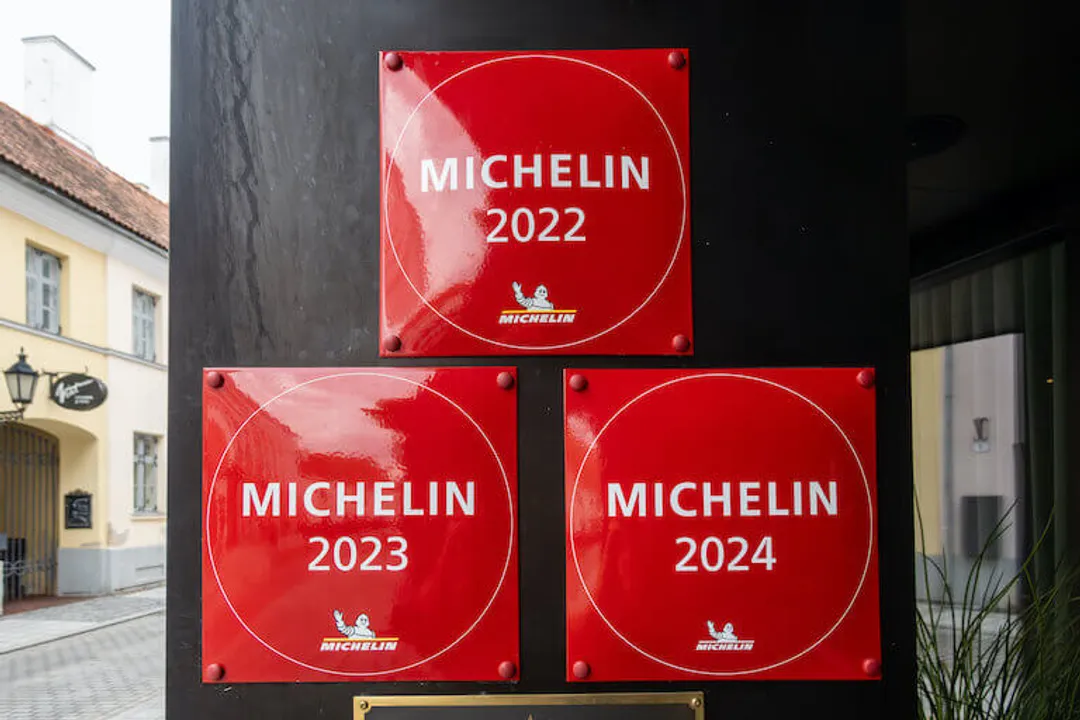
The coveted Michelin star represents the zenith of culinary achievement for many chefs and restaurateurs globally, serving as a benchmark that transcends local praise or temporary hype. When a restaurant earns one of these distinctive symbols—one, two, or three gleaming stars—it signifies that the establishment has been judged by anonymous, expert inspectors to offer truly exceptional food. [1][4] These awards are the result of a rigorous, highly secretive assessment process managed by the Michelin Guide, an entity whose history predates the modern obsession with food ratings by many decades. [2][3]
# Guide Origin

The story of the Michelin Guide begins not in a professional kitchen but on the open road. In 1900, the French tire manufacturers, brothers André and Édouard Michelin, first published the Guide. [3] Their initial goal was straightforward: to help French motorists find places to eat and sleep, thereby encouraging them to drive further and wear out their tires faster. [3] For decades, the guide focused on practicalities for drivers, including maps and repair information. [2][3] The system we recognize today, featuring the star ratings, was not implemented until around 1926, when the Guide began assigning a single star to denote a particularly good restaurant. [3] Over time, the focus sharpened exclusively onto gastronomy, establishing its enduring authority in the dining world. [2]
# Rating Criteria

A common misunderstanding is that the stars are awarded for the overall dining experience—the decor, the service, the wine list—but this is not precisely accurate for the star selection itself. [1][5] The Michelin inspectors focus their primary judgment almost entirely on the quality of the food served on the plate. [5] To assign a star, inspectors assess five specific criteria, which they apply consistently across every restaurant they visit, regardless of location or price point. [1][4]
These five pillars of judgment are:
- Quality of the ingredients: Only the finest, freshest components will suffice for high-level recognition. [1]
- Mastery of flavor and cooking techniques: This judges the execution, precision, and skill demonstrated by the kitchen team. [4]
- Personality of the chef in the cuisine: The food must possess a distinct, recognizable style or point of view that goes beyond mere competence. [1]
- Value for money: This is a critical component, especially for lower-tiered awards, but it remains a factor across the board. [5] It does not mean a one-star restaurant must be inexpensive, but that the quality delivered justifies the cost. [5] It’s fascinating to consider how this single criterion acts as a subtle check against pure extravagance; a dish priced exorbitantly without commensurate ingredient superiority or technical brilliance will fail this test, potentially stopping the restaurant from achieving the next level of recognition. [5]
- Consistency: The level of cooking must be the same every time a diner visits, whether it's Tuesday lunch or Saturday dinner. [1] This criterion speaks volumes about the kitchen’s internal structure; achieving consistency suggests the mastery is embedded in the system and the entire team, not solely reliant on the direct, moment-to-moment presence of the head chef in the line. [1]

# Rating Tiers
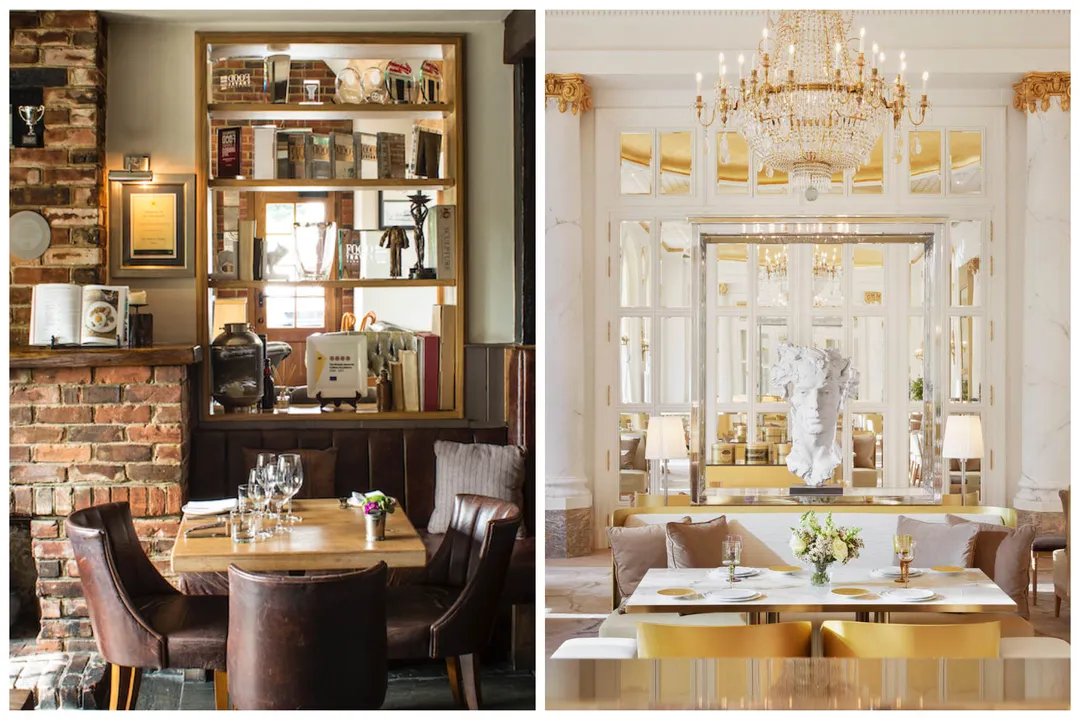
The structure of the Michelin star rating is deliberately simple, offering only three tiers, which directly communicate the severity of the recommendation. [5] Despite common external references to "four-star" or "five-star" dining, the official Michelin Guide system officially caps out at three stars. [9]
Here is what each award signifies according to the Guide’s own definitions:
- One Star (*): Signifies a very good restaurant in its category. The cuisine is high quality and worth a stop. [1][5] For a traveling diner, this means the location warrants adjusting the route slightly to experience the food. [5]
- Two Stars (**): Indicates excellent cooking that is worth a detour. The food shows refinement and skill, rising above the standard one-star level. [1][5]
- Three Stars (***): The highest accolade, reserved for exceptional cuisine worth a special journey. These kitchens are producing food considered among the best in the world. [1][5]
It is important to note that a restaurant's Michelin status is strictly about the food quality experienced on the plate, whereas other, non-Michelin rating systems (like older hotel standards) might use a five-star scale to rate amenities or service levels. [9] A three-star Michelin restaurant is not inherently a "five-star hotel" experience, although they frequently overlap in overall luxury presentation. [9]
# The Inspector
The credibility of the entire system hinges on the rigorous anonymity of the inspectors. [4] These individuals are professional food critics, often with culinary backgrounds, who dine in restaurants regularly. [1] To maintain impartiality, inspectors are required to reserve and pay for their meals in the same manner as any regular guest. [4] They eat alone or with companions but never reveal their identity before or after the meal. [4] Inspectors make multiple visits to a single restaurant, sometimes years apart, before any rating decision is finalized, ensuring that the reported quality level is maintained over time. [1] This intense focus on anonymity is the core mechanism that builds trust in the final published rating. [4]

# Beyond Stars
While the stars capture the headlines, the Michelin Guide acknowledges that excellent food exists across a wider spectrum of dining styles and budgets. [4] Recognizing this diversity led to the introduction of other important distinctions within the Guide. [1]
# Bib Gourmand
The Bib Gourmand is a very popular designation that recognizes establishments offering "good quality, good value cooking". [1][4] It highlights places where diners can enjoy a complete, high-quality meal for a reasonable price, often focusing on local, traditional, or contemporary concepts that prioritize flavor and approachability over formality. [4] If a restaurant is Bib Gourmand listed, it means the quality is high, but it does not qualify for a star because it may not meet the strict technical execution or ingredient sourcing standards required for the star ratings, or it may simply be priced too low to fit the star valuation scale. [5]
# Green Star
More recently, in an acknowledgement of the industry's shifting focus toward environmental responsibility, Michelin introduced the Green Star. [1][4] This distinction is awarded to restaurants that are pioneers in sustainable gastronomy. This might involve ethical sourcing of ingredients, reducing food waste, or implementing significant ecological practices within the operation. [1] A restaurant can hold a traditional star rating (one, two, or three) and a Green Star simultaneously, indicating excellence both on the plate and in environmental stewardship. [1]
# Dining Expectations
For a diner seeking out a Michelin-starred experience, it is important to set expectations correctly. While the star is purely about the food, the reality is that achieving and maintaining even one star usually necessitates a high level of service, precision in presentation, and an environment conducive to appreciating complex dishes. [5] Service teams must operate with near-military precision to support the kitchen’s ambition. [5] However, the Guide is careful to separate these elements: a restaurant might serve food worthy of two stars but lack the precise service execution of a three-star establishment, resulting in a two-star rating because the final score is weighted heavily toward the cuisine itself. [5] Dining at this level is an investment, requiring reservations often made months in advance, and understanding the Guide's focus helps patrons appreciate why a particular establishment earned its accolade. [4]
#Videos
MICHELIN GUIDE EXPLAINED | the history, purpose and ... - YouTube
Related Questions
#Citations
What is a MICHELIN Star?
Michelin Guide - Wikipedia
How Restaurants Get Michelin Stars: A Brief History of the Michelin ...
What exactly does Michelin star restaurant entail? - Reddit
What It Means for a Restaurant to Get a Michelin Star
What, Exactly, Are Michelin Stars — and Why Do Chefs Covet Them?
MICHELIN GUIDE EXPLAINED | the history, purpose and ... - YouTube
Understanding the Michelin Star System - Performance Foodservice
What is the difference between Michelin-starred and 3-, 4-, or 5 ...