What to avoid when buying fish?
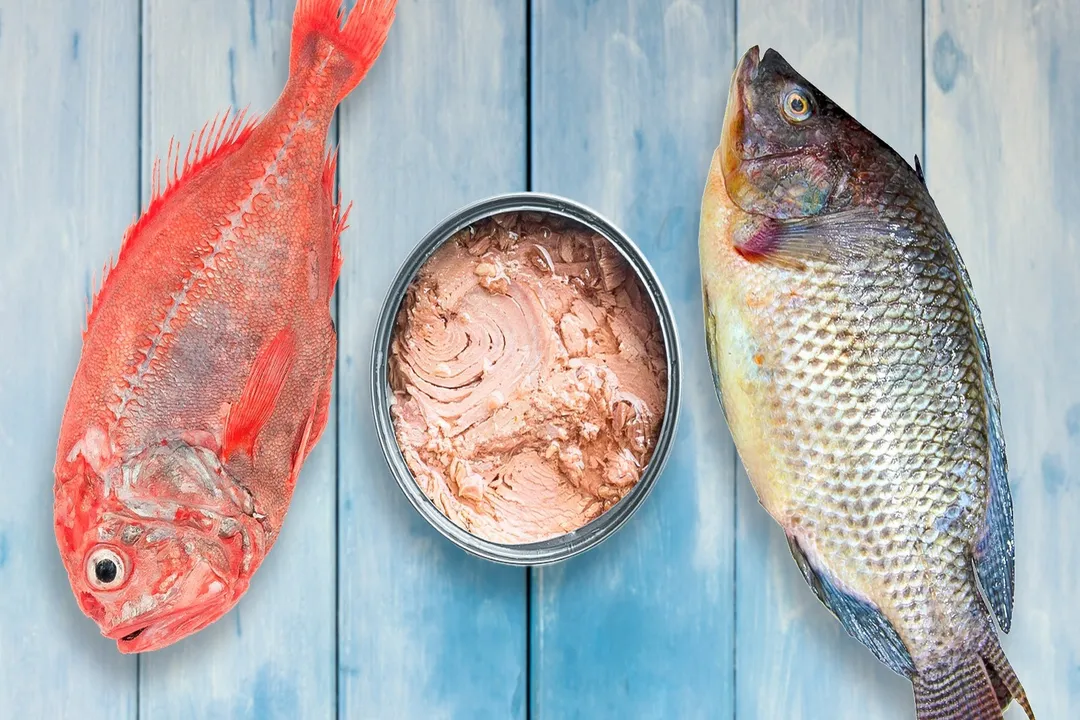
Buying the best quality fish requires more than just a glance at the price tag or a quick sniff. The market is filled with options, and knowing what to steer clear of can dramatically improve your meal and protect your health. From subtle signs of age to hidden sustainability issues, several red flags signal that a particular catch should remain on the ice. When you approach the seafood counter, shifting your focus from what looks good to what is good involves understanding a few key indicators of quality, safety, and ethical sourcing. [9][4]
# Freshness Indicators
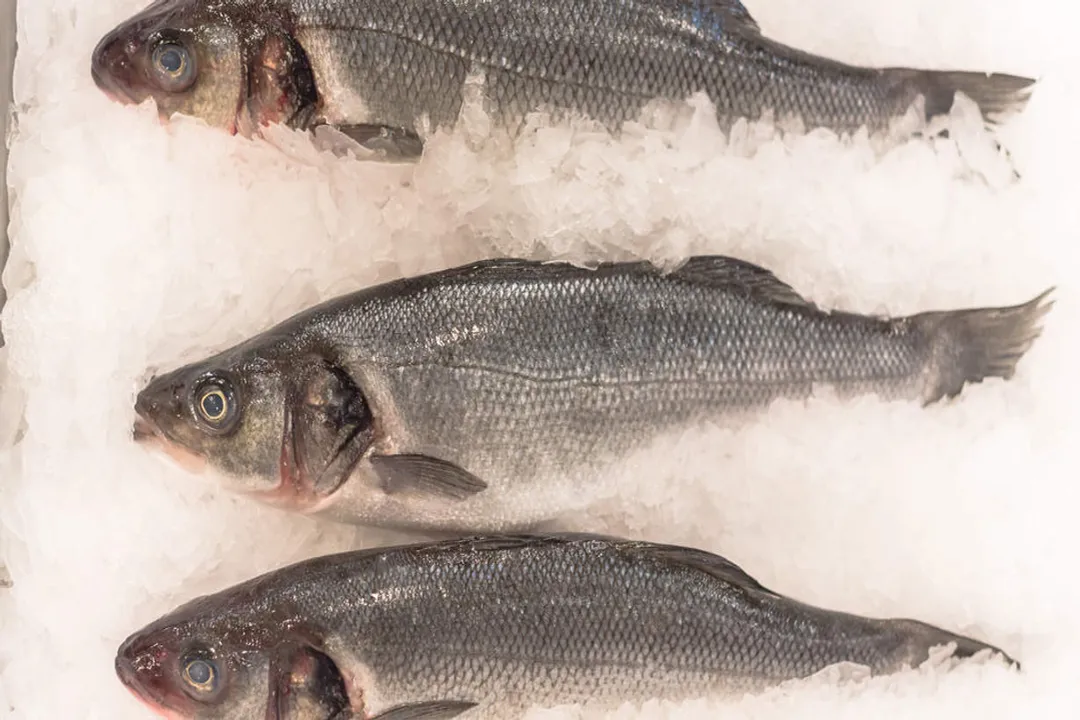
The most immediate concern when purchasing seafood is its freshness. A fish that has begun to degrade quickly loses its desirable texture and can pose a food safety risk. [8] You must rely on your senses—sight, touch, and especially smell—to gauge how recently the fish was caught and handled. [4]
# Odor Check
Contrary to popular belief, truly fresh fish should not smell strongly of the ocean or intensely "fishy". [4][9] If you detect a sharp, sour, or ammoniated scent, it is a clear warning sign that decomposition has begun. [4][8] Fresh fish should carry only a very mild, clean, sea-water aroma or virtually no odor at all. [9] If the fish you are considering has any discernible, strong odor, regardless of how appealing the price is, you should walk away. [2] Consumers accustomed to older fish might mistake this mild smell for freshness, but it is actually a sign of age. [4]
# Eye Appearance
The eyes are often called the windows to the soul, and for fish, they are the windows to its freshness. Look for whole fish where the eyes are clear, bright, and full, perhaps even slightly bulging forward. [8][9] Avoid any fish where the eyes appear cloudy, sunken, dull, or milky. [8] Cloudiness indicates that gases have built up inside the eye as the fish ages, a sure sign that it is past its prime. [9]
# Gills and Flesh
For whole fish, the gills provide another excellent clue. Fresh gills should be a vibrant, bright red or pink color, moist, and clean. [8] Dark brown or gray gills, or any sign of sliminess, mean the fish is old and should not be purchased. [8]
When inspecting fillets or steaks, use the touch test. The flesh should be firm and resilient. [8] If you gently press the fish with your finger, the indentation should spring back immediately. [4][8] Fish that feels soft, mushy, or leaves an indentation that remains is likely older or has been improperly stored, potentially degrading its texture to the point of being unpalatable. [4] Furthermore, check for excessive liquid pooling around the fish, which can dilute flavor and accelerate spoilage. [8]
# Contaminant Risks
Beyond immediate freshness, what you avoid eating often relates to long-term health considerations, primarily the buildup of contaminants like mercury. [7] This becomes a critical factor when selecting species, particularly if you are buying fish frequently or feeding vulnerable populations like young children or pregnant women. [7]
# Mercury Levels
Certain types of fish accumulate higher levels of methylmercury as they consume smaller contaminated organisms throughout their long lives. [3][7] The general rule is that the larger and longer-lived a predatory fish is, the more mercury it tends to contain. [3]
Fish that are consistently flagged for high mercury content and should be consumed sparingly, if at all, include Shark, Swordfish, King Mackerel, and Tilefish from the Gulf of Mexico. [3][7] While these species are prized by some for their texture or flavor, the potential exposure to mercury often outweighs the benefit, making them a category to strictly limit or entirely avoid for routine consumption. [7] It is worth noting that smaller, short-lived fish that feed lower on the food chain, like salmon or sardines, generally have much lower mercury levels. [3]
# Farming Practices
The conditions under which fish are farmed can also lead to issues you might want to avoid. Some farmed products may contain antibiotics, pesticides, or elevated levels of contaminants depending on the farming environment and feed used. [3] While the FDA provides guidance on fish consumption, consumer concern often centers on practices that might introduce undesirable chemicals into the food chain. [7] If you are wary of farmed fish, looking for wild-caught alternatives, or species with certified sustainable farming practices, becomes an important consideration in your purchasing choices. [1] For instance, when comparing common white fish, one might discover that farmed Tilapia frequently appears on lists of what to avoid due to its rapid growth methods and relatively poor omega-3 profile compared to its cost. [2]
# Sustainability Ratings
Choosing fish responsibly means looking past the plate and considering the ocean. Many popular species are subject to overfishing or destructive harvesting methods, which poses a threat to marine ecosystems. [1] Ignoring sustainability entirely can mean unknowingly supporting practices that deplete fish populations for future generations. [1]
# Seafood Watch
A practical tool for making informed decisions is a comprehensive guide system like the Seafood Watch program. [1] These systems typically categorize seafood into "Best Choice," "Good Alternative," and "Avoid" groups. [1] When buying fish, you should actively avoid purchasing species listed in the "Avoid" category, as these fisheries face significant ecological challenges such as overfishing, habitat destruction, or high levels of bycatch (unintentionally caught non-target species). [1]
For example, some common groundfish or certain types of tuna might fall into the "Avoid" category depending on the region and catch method used. [1] If a fishmonger cannot tell you how a specific fish was caught—whether by pole-and-line, longline, or trawl net—that lack of information should prompt you to choose something else with a clearer provenance. [4] A general rule of thumb is that transparency in sourcing is a strong indicator of a responsible seller. [5]
# Retailer Interaction
Even when you know what to look for, the final transaction at the market requires active engagement. You should never assume quality; you must verify it by interacting with the seller. [4]
# Asking Questions
A reputable fish seller should be knowledgeable and willing to answer detailed questions about their inventory. If you are looking at a fillet, asking pointed questions can reveal hidden issues. You should ask: “When was this delivered?” and “Where exactly was this caught?”. [4][5] If the seller hesitates, gives vague answers like "local" without specifying the body of water, or claims everything is "fresh daily" without any specifics on delivery schedules, treat that inventory with suspicion. [5] If the source cannot be traced back to a reputable fishery or a trusted supplier, it’s safer to assume the product is older or less carefully handled than it should be. [1]
# Price Red Flags
While not all cheap fish is bad, exceptionally low prices on premium species should raise an immediate alert. [2] For instance, if a high-demand, difficult-to-catch fish like wild halibut is priced drastically lower than local market averages, it is wise to investigate further. It could indicate the fish is previously frozen, mislabeled, or simply very old stock that the vendor is trying to move quickly. [2] In areas where seafood is not locally sourced, the transportation and handling costs should keep prices within a relatively predictable range; massive discounts are often a sign of compromised quality. [4] If the price seems too good to be true, it often signals a quality trade-off you might not want to make. [2]

# Processing and Handling
The journey from the ocean to the counter is as important as the species itself. Poor handling at any stage ruins even the freshest catch. For instance, if you are buying previously frozen fish, ensure that it has been properly thawed. Never buy fish that is actively thawing or has ice crystals mixed into the flesh. [8] Thawed fish should look firm and damp, not watery or limp. [8]
When considering pre-packaged fish in a supermarket case, look at the packaging itself. If you see significant amounts of milky liquid or "weeping" collecting in the tray beneath the fish, that is the natural moisture and cellular fluid leaking out, indicating that the chilling process was inconsistent or the fish is deteriorating. [8] The best visual indicator is often the presence of a thick, clean bed of ice beneath the product, keeping it below the critical temperature threshold. [8][9]
One valuable practice you can implement immediately, which goes beyond the standard checks, is to establish a relationship with a trusted local fishmonger. If you buy from a single reputable source consistently, you build a baseline for what their best product looks and smells like. This experiential knowledge, or Expertise, allows you to spot deviations immediately when their product quality dips, which is far more effective than relying solely on general guidelines when you are in an unfamiliar store. [9] Conversely, if you frequently buy a species that Seafood Watch rates highly—say, Pacific Cod caught via pot or trap—but you notice that one day the color is off or the texture seems poor, you have learned from experience that this particular batch should be avoided, even if the species is generally good. [1] This localized experience is key to consistent satisfaction.
Another actionable tip relates to the "gap" between purchase and cooking. If you are buying fresh fish and plan to cook it the same day, great. If you intend to store it for a day or two, you must ensure it is stored correctly immediately upon leaving the store. The FDA recommends storing fish in the coldest part of your refrigerator, ideally around 32°F (0°C). [7] A practical way to achieve this is to place the fish in a sealed bag on top of a bed of ice in a container in the fridge, rather than just laying it on a shelf. [8] This mimicry of the retail display conditions helps maintain its firmness and slows bacterial growth dramatically, essentially extending the "fresh window" you paid for. [8]
Finally, when you see a whole fish displayed out on ice, ensure the ice is surrounding the fish, not just sitting underneath it. [8] If the ice melts and creates a pool of water around the fish without being refreshed, the fish is essentially "soaking," which leads to a waterlogged texture and diluted flavor—a subtle but significant quality failure you can avoid by asking for the fish to be placed directly on fresh ice. [8][9] Avoiding fish that has been sitting in meltwater is as important as avoiding fish that smells overtly sour. [4]
By synthesizing these observations—trusting your nose, inspecting the eyes, understanding sustainability ratings, and asking hard questions about sourcing and storage—you move from being a passive buyer to an informed consumer, significantly decreasing the chance of bringing home a disappointing or potentially unsafe piece of seafood. [9][7]
#Videos
45 Red Flags & Green Lights When Buying Fish | Epicurious
Related Questions
#Citations
Recommendations | Seafood Watch
9 Cheap Fish You Should Avoid Buying At All Costs
17 Fish You Should Never Eat, Plus Safer Seafood Options - Dr. Axe
What are some things one should consider/look out for ... - Reddit
How can you identify when fish is not fresh when you are buying it?
45 Red Flags & Green Lights When Buying Fish | Epicurious
Advice about Eating Fish - FDA
Health & Wellness | Articles | Food Safety: Buying and Storing Fish ...
Guide to Selecting Seafood - Seafood Health Facts