Which country has the best quality eggs?
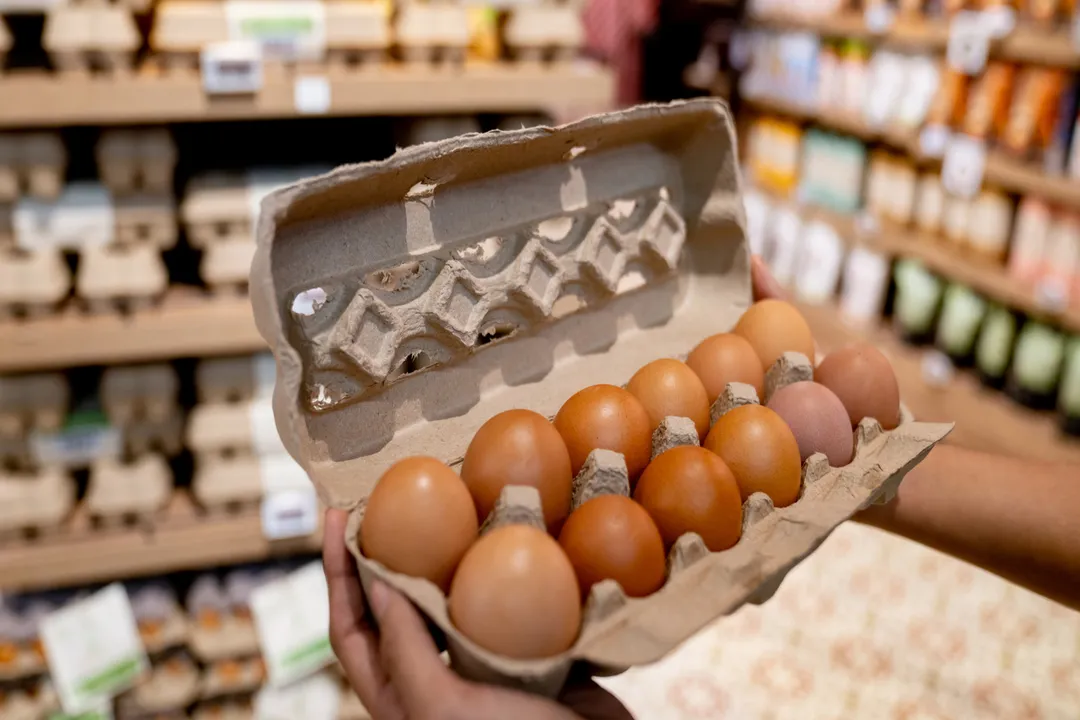
The quest to name the country producing the "best" eggs quickly dissolves the moment one attempts to define "best." Is it superior flavor on the plate, impeccable freshness when tested objectively, or adherence to the highest standards of animal welfare? The answer changes depending on which metric takes priority, revealing a global landscape where national systems offer wildly different benchmarks for what constitutes a quality egg. [5]
When comparing global production, consumer experience can be starkly divided. Many travelers report that eggs tasted overseas—specifically mentioning places like Kenya, Portugal, and Italy—are naturally fluffier and possess a brighter yolk color than those commonly available in the United States, often requiring no added milk or butter for texture. [4] This contrast suggests that the baseline standards, or perhaps the typical diet provided to hens, create noticeable experiential differences long before one seeks out specialized premium brands. [4]
# National Baselines
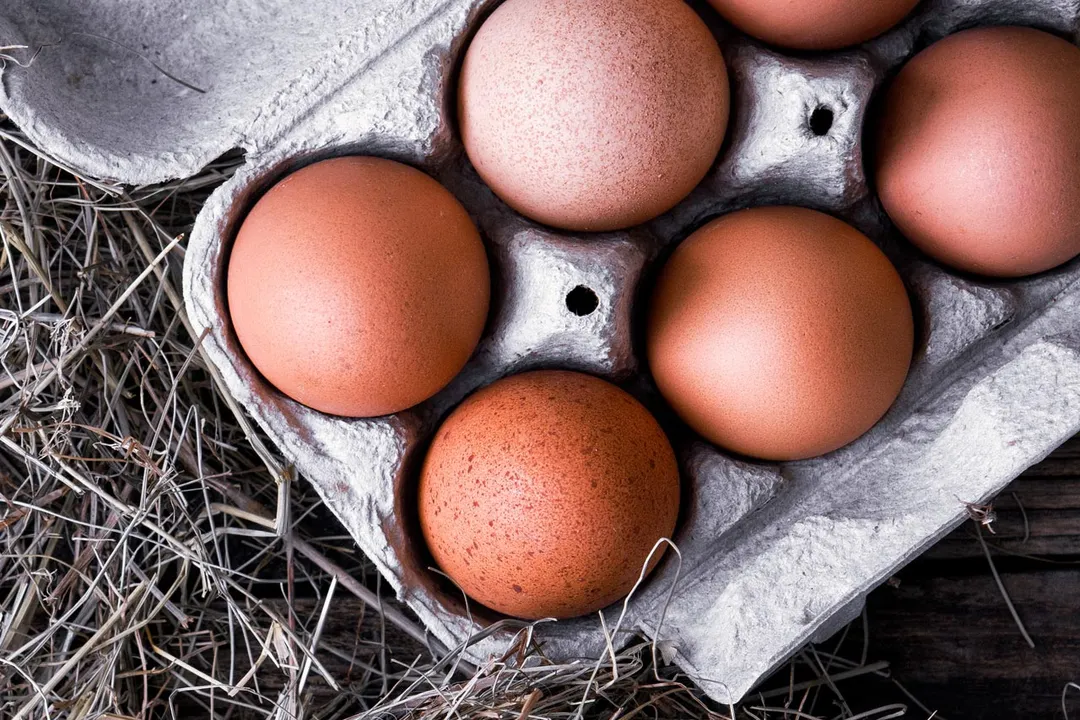
The fundamental difference often comes down to regulation and processing. For instance, in the U.S., eggs are typically washed before packaging, which removes the natural protective bloom, necessitating refrigeration. [4] Conversely, in many other regions, like the UK, eggs are often sold unwashed and unrefrigerated. [4] While both methods aim for safety, the handling requirement itself is a major divergence in national food practice.
In the context of the UK and Europe, the conversation around quality heavily filters through welfare ratings. Standards move clearly from the worst to the best: enriched cages (banned in the EU in 2012) to barn systems, free-range, and finally to organic and biodynamic production. Consumers seeking the top tier of welfare look for Soil Association certification or Demeter (biodynamic), which demand smaller flocks, vegetation-rich outdoor access, and a ban on routine beak trimming.
Contrast this with the American market, where even labels like "cage-free" and "free-range" are often criticized as marketing terms hiding crowded conditions due to loopholes in definitions. [4] When organizations score U.S. organic brands, many common store labels receive very low marks due to a lack of transparency regarding their actual farming practices, suggesting that transparency, or the lack thereof, is a major quality obstacle in the U.S. system. [3][5] For example, major store labels like Kirkland Signature and Great Value scored poorly on the Cornucopia Egg Scorecard, often receiving only one or two eggs out of five. [3][5] This suggests that while specific, highly-marketed premium brands in the US might achieve excellent welfare outcomes, the national commercial average may be perceived as lagging behind the baseline expectations set in parts of Europe. [4]
# Testing Quality
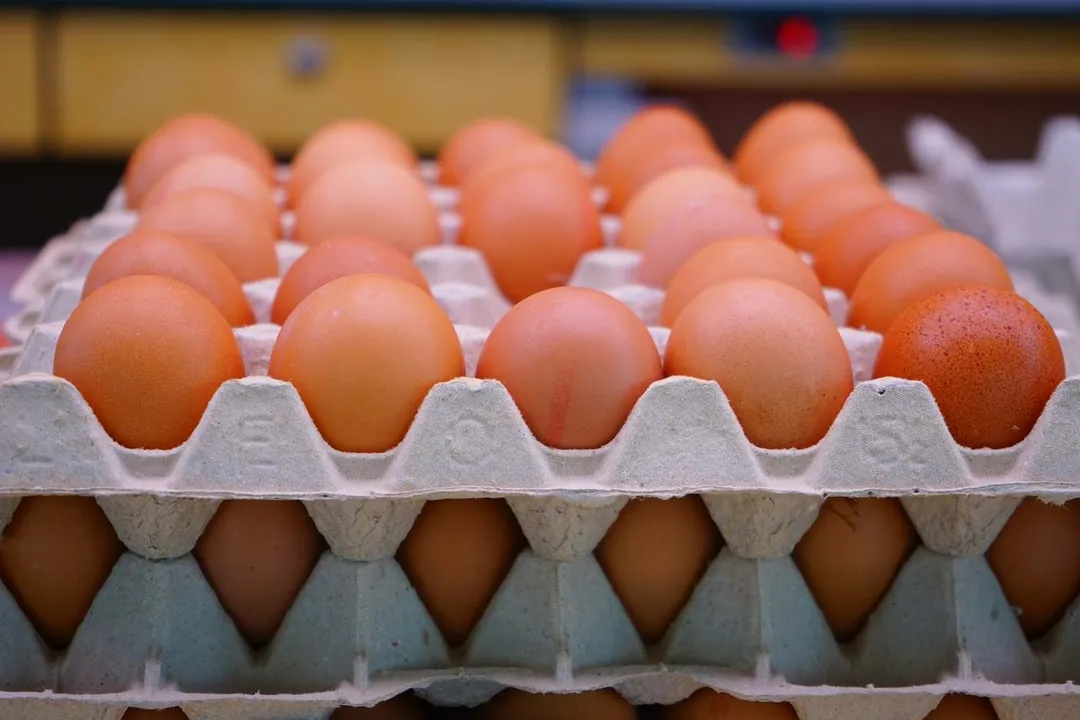
While consumer perception is valuable, objective testing offers a measurable yardstick. One compelling, though geographically specific, piece of data comes from testing conducted in Australia. An assessment by the Australian Consumers' Association’s CHOICE magazine tested over 300 eggs, rating them using the U.S. Haugh unit system, which measures egg-white thickness and freshness. [6]
In this specific study, eggs from South Africa (SA), specifically those from Golden Eggs, recorded a "zero per cent" failure rate against international quality standards. [6] In contrast, eggs from major Australian distributors showed massive failure rates, with some cage eggs failing 70 or 80 percent of the time. [6] Fresh, high-quality eggs should score 60 Haugh units or more; anything under 60 is classified as weak and watery. [6] This testing provides a tangible, measurable data point suggesting that South African egg producers, at least in this specific testing pool, demonstrated superior albumen integrity and freshness compared to other tested markets. [6]

# Welfare Tiers
If quality is judged by how humanely the laying hen is kept, then the country whose producers adhere to the most stringent welfare certifications likely has the "best" product, regardless of immediate taste differences. Evaluating this involves looking past basic label claims. For instance, in the UK assessment by Ethical Consumer, standard free-range often means large sheds with minimal outdoor access—sometimes only one exit for 600 hens—and beak trimming is standard.
The highest recorded welfare standards globally often align with organic practices, particularly those following the rigorous Soil Association guidelines or Biodynamic standards. These certifications typically mandate smaller flocks, increased indoor space compared to standard free-range, GM-free feed, and a ban on routine beak trimming. A high-scoring U.S. organic brand, like Pete & Gerry's, earned a four-egg rating partly because it was the first in the U.S. to receive the Certified Humane accolade, demonstrating an effort to meet high welfare benchmarks. [3] The structure of these top-tier systems, whether found in the US or under Soil Association oversight in the UK, represents the pinnacle of measurable, ethical production. [5]
# Structured Safety
Excellence in the egg supply chain is not just about the hen; it is about the chain's integrity from farm to carton. Germany is repeatedly cited as a country whose eggs are valued internationally precisely because of its state-enforced structure rather than just individual brand efforts. [1][7] German egg production is recognized for combining ethical practices with cutting-edge technology, ensuring high levels of food safety and quality. [7]
Key quality markers in the German system revolve around traceability, shell integrity, and freshness grading (A-grade being the highest in the EU). [7] Buyers often specify requirements based on certifications like KAT (Kontrollierte Alternative Tierhaltungsformen) for welfare and traceability, or IFS Food Certification for safety management. [7] This state-supported rigor establishes Germany as a reliable hub for export, particularly for buyers demanding consistency and adherence to strict regulatory compliance. [1][7]

# Taste Profiles
While regulation and welfare provide the structure for good eggs, the best flavor often comes down to the hen's diet, which is inherently localized. Yolk color—a visual cue often associated with quality—is directly linked to the carotenoids in the feed. [7] Chickens that are more active and eat a more varied diet, like grass and bugs, often produce richer, more golden yolks. [2]
This reliance on local feed sources introduces an interesting consideration when comparing broad national reputations. While countries like the Netherlands are recognized as major exporters for their efficiency and high standards, the most exceptional taste experiences mentioned by consumers often come from small, hyper-local operations. [1][4] The quality of the forage, insects, and local grains available to a backyard flock in Kenya or a small farm in Italy creates a flavor profile that generalized, large-scale export production—even from nations known for high standards like the U.S. or Germany—struggles to replicate consistently across the board. [4] When consumers abroad report superior taste, it strongly suggests that the specific composition of the hens' immediate, local feed is the primary driver of flavor variation, outweighing broad national regulatory policies.
Furthermore, while national regulation provides a crucial safety net, the premium market—whether in the U.S. or Germany—often hinges on how closely suppliers track and verify their feed inputs beyond the minimum organic requirement. For instance, in the quest for better carbon footprints, some European suppliers are replacing imported soya feed with local alternatives like insects fed on food waste. This move, while primarily ecological, directly impacts the egg's feed matrix, which in turn affects the yolk's profile, illustrating a sophisticated feedback loop where ecological sourcing decisions immediately translate into potential sensory improvements.
# Global Trade Context
The determination of a "best" egg also intersects with global logistics. Major exporting nations, including the Netherlands, China, the U.S., and Germany, supply shell eggs and processed products like dried eggs to meet growing worldwide demand. [1] Countries with stringent animal welfare laws are especially well-positioned to capture the rising international demand for specialty, pasture-raised items. [1] However, international trade introduces challenges such as biosecurity risks, complex regulatory compliance across borders, and maintaining cold-chain integrity during long transit times. [1]
In summary, if the metric is measurable freshness and albumen integrity under testing conditions, South Africa showed strong results in one specific evaluation. [6] If the metric is structural quality control and traceability, Germany stands out due to its rigorous national certifications. [7] If the metric is highest animal welfare, the best eggs originate from operations adhering to the strictest organic or biodynamic standards, regardless of whether they are based in Europe or the U.S.. [5] Ultimately, the "best" egg for any individual will likely be the one that perfectly balances the regulatory safety floor of its country of origin with the specific, desirable taste characteristics derived from its localized diet.
#Videos
Which Eggs Should You Buy? - YouTube
Related Questions
#Citations
US eggs vs other countries : r/chickens - Reddit
Organic Egg Scorecard - Cornucopia Institute
Here's A Ranking Of Egg Brands You Can Buy At The Grocery Store
Which Eggs Should You Buy? - YouTube
Of all the eggs tested, SA's easily the best | The Poultry Site
Top 5 Eggs Suppliers in Germany in Year 2025 - Freshdi
World Egg Exporting: A Global Perspective by Eggs Unlimited
Ethical eggs and vegan egg brands