Should Irish eggs be refrigerated?
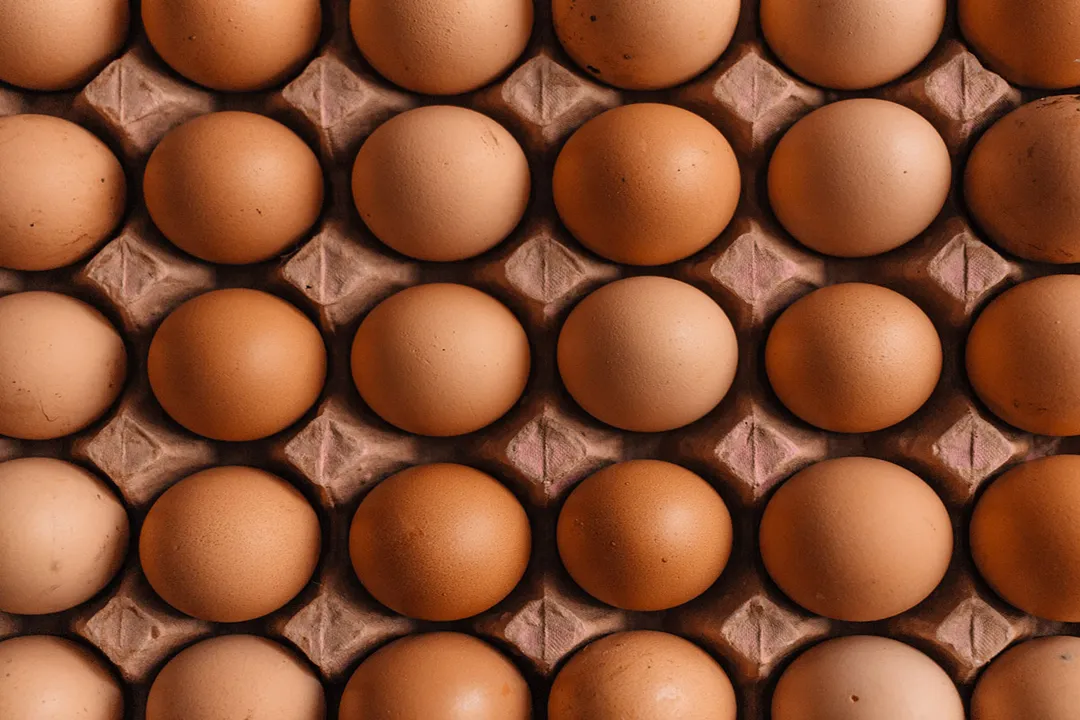
The everyday question of where to store eggs—on the counter or behind the refrigerator door—is often more complex than simple habit suggests, especially when discussing the specific context of food safety and purchasing habits here in Ireland. For many consumers, the decision hinges on what they observe in the supermarket; if the eggs aren't chilled on the shelf, they reason, they don't need chilling at home. [3] This logic, however, bumps up against scientific recommendations and the distinct food safety regulations that govern egg production in the European Union compared to other major global markets, such as the United States. [3][5] Understanding the why behind the Irish norm—ambient storage—is key to making the best choice for your own kitchen.
# EU Production
The fundamental difference in European egg storage rules starts at the farm and packing centre, not the kitchen counter. [5] In the EU, including Ireland, regulations prohibit washing or wiping eggs clean before they are sold. This seemingly simple prohibition is crucial because the shell possesses a natural, microscopic outer coating known as the cuticle or bloom. [3] This bloom acts as a vital seal, preventing bacteria and moisture from penetrating the porous shell structure. [3] Because Irish eggs retain this natural defense, they are deemed safe to be stored at ambient temperatures for a reasonable period. [3][5]
Furthermore, strict European standards regarding farming conditions mean that the prevalence of Salmonella contamination in eggs at the point of sale is generally considered low compared to systems where washing is mandatory. [3][5] The emphasis here is on keeping the egg whole and intact from the start.
# Retail Standoff
Legally, Irish retailers must adhere to guidelines set out by the Food Safety Authority of Ireland (FSAI) regarding egg handling. A critical requirement is that eggs must not be refrigerated in retail premises. While there are very narrow exceptions for transport (not exceeding 24 hours) or extremely short-term storage (up to 72 hours) within the premises itself, the general rule is that eggs are displayed at constant ambient temperature, often recommended to be kept below 18°C to limit quality reduction.
The rationale for this retail approach directly relates to consumer behaviour following purchase. If a retailer chilled the eggs, the cold eggs would likely develop condensation when transported into a warmer home environment. This moisture on the shell provides an ideal medium for bacteria to survive and potentially penetrate the shell, even if the egg was clean initially. Therefore, the official process effectively pushes the responsibility for refrigeration onto the consumer, after the risk of condensation from transport has passed.

# Fridge Necessity Contrast
The confusion many people experience stems from exposure to international standards, particularly those in the US. [3] American production laws mandate that eggs must be washed or scrubbed clean before packaging, often to mitigate higher baseline levels of Salmonella associated with their farming practices. [3][5] This washing process, while aiming for external cleanliness, strips away the protective bloom. [3][5] Once this natural barrier is gone, the egg requires constant refrigeration to keep bacterial growth in check. [3] This is why American eggs typically appear white and are always sold from refrigerated cases. [3]
In contrast, if you buy an Irish egg that is unwashed and has its protective layer, the need for immediate refrigeration is purely about shelf life extension, not immediate safety intervention, provided the egg is used within about three weeks. [5]
# Quality Versus Shelf Life
Science suggests that temperature is a major factor in the degradation of egg quality and the growth of bacteria like Salmonella. Studies indicate that Salmonella growth is significantly delayed when eggs are refrigerated. For instance, the time it takes for Salmonella to multiply within an egg (Yolk Mean Time, or YMT) is much longer at cooler temperatures (e.g., 26 days at 16°C) compared to warmer room temperatures (e.g., 17 days at 20°C). Furthermore, refrigeration helps maintain the internal structure, slowing the breakdown of the vitelline membrane which separates the yolk and albumen.
This points to a key trade-off:
| Storage Condition | Primary Benefit | Potential Drawback/Caveat | Expected Freshness Window |
|---|---|---|---|
| Ambient (Cupboard/Press) | Better for immediate use in some recipes (e.g., poaching); [3] Avoids condensation risk upon purchase | Quality deteriorates faster; Salmonella growth is quicker after 3 weeks | Generally fine if used before 'best before' date |
| Refrigerated (Home Fridge) | Significantly delays bacterial growth; Maintains freshness longer | Risk of condensation if eggs are moved frequently to and from the fridge; Eggs can absorb nearby odours [5] | Stays fresh well past the indicated date [3][5] |
When considering how long a standard dozen box will sit in your home, refrigeration does extend the lifespan well beyond the printed date on the carton. If you are a sporadic egg user, the fridge is objectively safer for long-term storage. [5]

# Kitchen Application
Beyond safety, many cooks prefer room-temperature eggs for specific applications. Cold eggs can behave differently when introduced to high heat, such as when poaching, where a cold egg is more likely to break apart in the water, whereas a room-temperature one holds its shape better. [3] Similarly, for baking, if you need to beat egg whites to a stiff peak, room-temperature eggs incorporate air more easily than cold ones. [5] If you rely on the fridge for convenience, the advice is simple: take out the quantity you need about an hour before you plan to cook or bake to allow them to come up to temperature. [3][5]
This leads to a practical consideration regarding where you store them in the fridge. If you choose the chilled route, you should avoid placing them in the door compartments. The door experiences the most significant temperature fluctuations every time it is opened, which is exactly what food safety experts advise against when dealing with eggs. [5] An inner shelf, where the temperature is more stable, is far superior. [5]
# Habit Formation
The habit of refrigeration often starts at the point of sale. If you buy eggs from a supermarket that keeps them chilled (even if only short-term, like under the 72-hour allowance), the consensus is that once an egg enters the "chill chain," it should remain chilled to prevent condensation and temperature swings. [3] If you buy them off a shelf, the habit is often to store them on the shelf at home, perhaps tucked away in a cool pantry or what some in Ireland call the "press". [3]
An interesting observation is how appliance design influences behaviour. The introduction of dedicated egg racks built into refrigerator doors has arguably normalised refrigeration for many, simply because the space is there and seems intended for that purpose. [3][5] If your fridge has an egg tray, using it can feel like the path of least resistance, even if the regulatory justification for keeping them out is stronger in the Irish context. [3]
To put this into perspective for the average Irish household, consider typical consumption speed. If a household goes through a dozen eggs in less than a week, keeping them on the counter in a cool, dark spot away from strong smells will likely maintain excellent quality right up to use, benefiting certain cooking techniques. [5] However, if that box is destined to last three weeks or more, the minor inconvenience of taking them out early to warm up for baking is outweighed by the extended safety margin provided by the refrigerator. Ultimately, the decision blends regulatory science with personal cooking habits and consumption speed.
Related Questions
#Citations
Settle an Argument Eggs in or out of the fridge : r/ireland - Reddit
[PDF] Guidance for Retailers on Purchasing and Selling Hen Eggs in ...
Why Europeans Don't Refrigerate Their Eggs | Hacker News
Should Eggs be Refrigerated? | The Poultry Site
Eggs - Stop Food Waste