Can you refrigerate tamagoyaki?
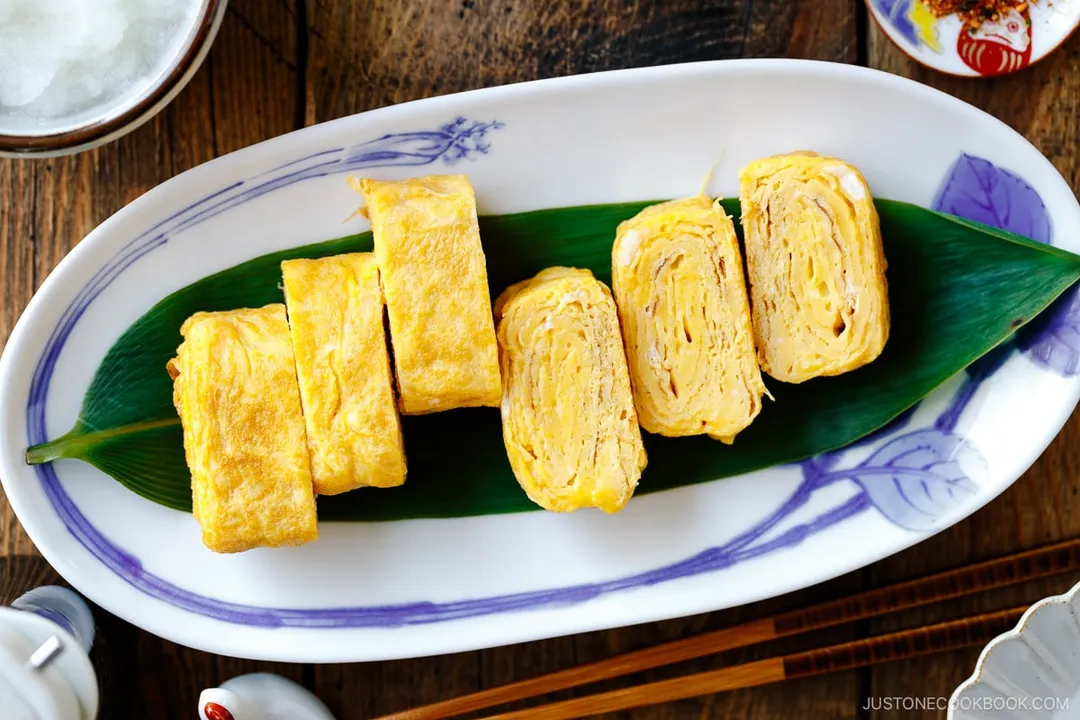
The short answer to whether you can refrigerate tamagoyaki is an unequivocal yes; in fact, chilling it is often part of the intended experience, especially when preparing it for bento boxes or as a make-ahead side dish. [5][7] This layered, slightly sweet or savory Japanese rolled omelet is remarkably versatile, tasting excellent whether served piping hot, pleasantly warm, or completely chilled straight from the refrigerator. [4][7] The process of cooling allows the distinct layers and subtle flavors to set, sometimes even improving the overall texture for certain applications. [9]
# Storage Duration
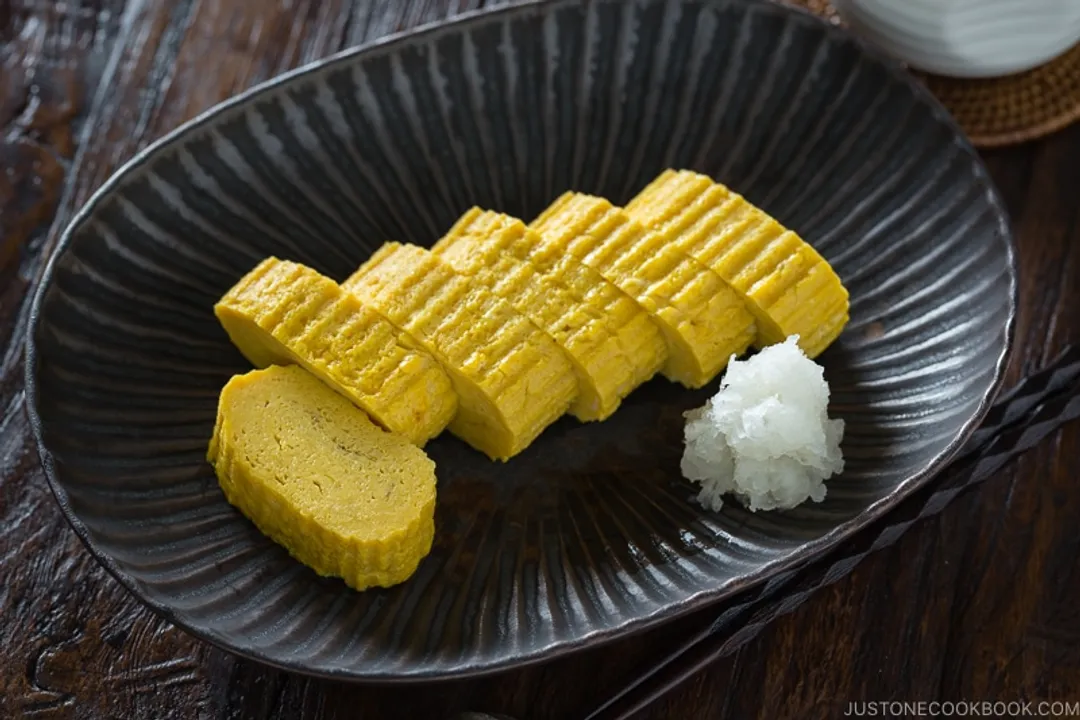
Understanding how long tamagoyaki remains safe and palatable in the refrigerator is key to using it effectively as a meal prep component. Most sources agree that properly stored cooked food should be eaten within a few days for best quality and safety, and tamagoyaki fits this standard guideline. [9] Typically, leftover homemade tamagoyaki can be kept in the refrigerator for about three to four days. [4][9] Some resources suggest it holds up well for up to four days, provided it is wrapped correctly. [4] If you are preparing a large batch specifically for lunches throughout the week, planning to consume the last pieces by day four is a safe bet for peak flavor and texture. [5] This timeframe makes it an excellent candidate for weekend meal preparation, ensuring easy, nutritious additions to packed lunches like bento boxes. [5]
It is important to remember that while it may remain safe to eat beyond four days if kept consistently cold (below 40°F or 4°C), the quality—the moisture level and texture—will definitely start to diminish. [4][9] Always check for any off-smells or sliminess before consuming older portions. [9]
# Best Practices Cooling
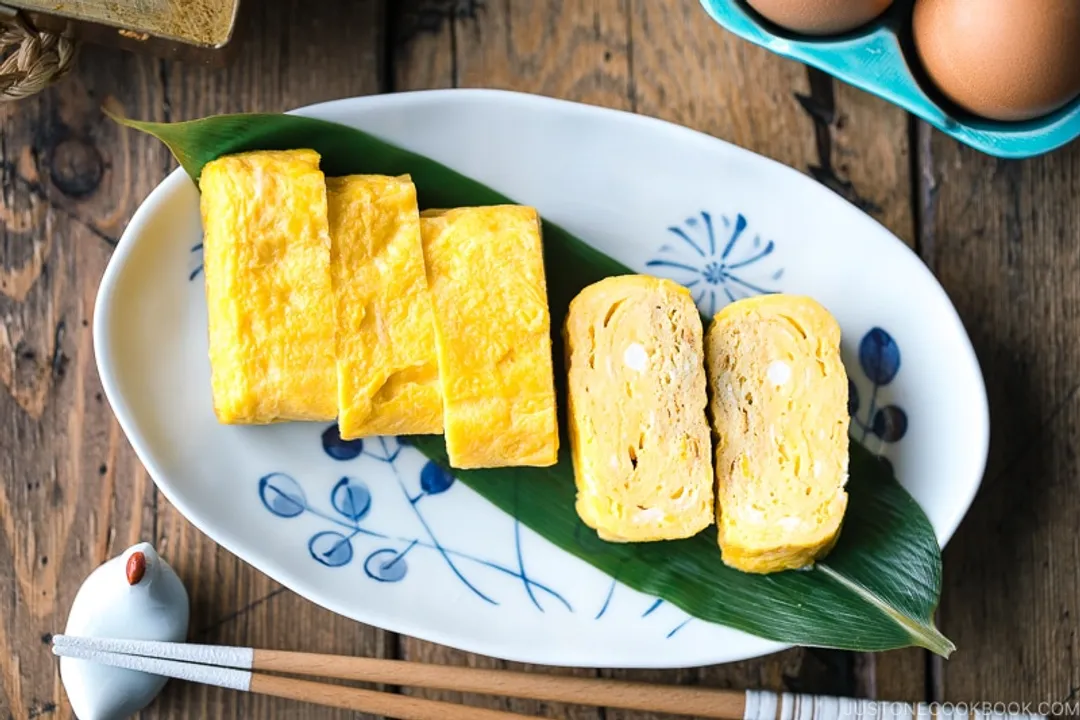
The way you handle the omelet immediately after cooking significantly influences how well it keeps in the fridge. Tamagoyaki is traditionally served warm, but if you know you won't be eating it all immediately, the cooling process needs attention to prevent drying out or absorbing refrigerator odors. [4]
When cooling before storage, the general advice is to let it cool down to near room temperature before sealing it away. [4] Placing piping hot food directly into an airtight container and then into the fridge can create condensation, which leads to sogginess—something you want to avoid with the delicate structure of tamagoyaki. [9]
To achieve optimal refrigeration results, airtight packaging is non-negotiable. You have a couple of good options here:
- Wrapping First: Some methods recommend wrapping the entire cooled roll tightly in plastic wrap or cling film first. [4] This provides a barrier against drying air. Once wrapped, you can place the entire log into a sealed container or a zip-top bag. [4]
- Direct Container Storage: Alternatively, if you plan to slice it before refrigerating, ensure the slices are packed snugly in an airtight container. [9] If you plan to eat it as a log and slice later, keeping the log shape intact and fully wrapped is often preferred.
A key consideration, particularly relevant for those who like a very tender interior, is the impact of the dashi used. A dashimaki tamago, which relies heavily on the seasoned broth, can sometimes release more moisture upon cooling than a sweeter version made primarily with sugar and eggs. [1] When refrigerating a dashi-heavy version, ensuring you press it gently after cooling (if you prefer a denser block) or wrapping it very securely becomes more critical to maintain internal structure against that absorbed moisture.

# Texture Changes Observed

One of the most noticeable transformations when tamagoyaki moves from warm to cold is the change in texture. When served immediately after cooking, the omelet is light, airy, and slightly jiggly. [9] Upon refrigeration, the proteins set more firmly, and the texture becomes much denser and more compact. [7] This change is not necessarily a negative thing; for many, a chilled, firm slice is the preferred texture for inclusion in a packed lunch. [2][5]
If you are aiming for that melt-in-your-mouth, soufflé-like quality, refrigeration is the enemy of that specific textural goal. [9] The cold temperature solidifies the fats and moisture differently than serving it warm. However, this resulting firmness is what allows for very clean, precise slicing, which is aesthetically pleasing and practical for packing small, uniform pieces into a bento box. [7] If you try to slice a very warm tamagoyaki, it tends to tear or compress unevenly. [9]
If you are preparing a sweeter version, often made with a higher ratio of sugar or maple syrup—as seen in some regional variations like the maple-sweetened recipe—the chilling effect is slightly different. [3] The sugar content helps retain a degree of tenderness even when cold, acting almost as a preservative against complete rubberiness, although it will still firm up considerably compared to when hot. [3]
# Serving Chilled Versus Warming
Since refrigeration is permissible, the next natural question is how best to enjoy the chilled product. You have two primary options: serve it cold or reheat it gently.
# Eating Cold
As a component of a Japanese lunch or as a cold appetizer, tamagoyaki is absolutely designed to be eaten cold. [7] Its inherent sweetness or savory seasoning is balanced enough that it does not require heat to be palatable. [4] When serving cold:
- Slicing: This is the ideal time to slice the chilled log into thick, neat rectangles for plating or bento inclusion. [2][7]
- Flavor Profile: The flavors tend to be more straightforward and less aromatic when cold compared to when warm, which can be preferable if pairing it with other strongly flavored cold sides.
# Gentle Reheating
If you prefer the soft, almost custard-like texture of warm tamagoyaki, reheating is an option, but it must be done with care to avoid turning it into rubbery, overcooked egg. [9] The goal is to gently bring the internal temperature up without fully cooking the egg structure further.
Microwaving, while fast, can often lead to uneven heating and hardening if not managed precisely. [9] If you must use a microwave, use very short bursts—perhaps 10 to 15 seconds at a lower power setting—and consider placing a damp paper towel over the slice to introduce a little steam and prevent immediate drying.
A better method, often favored for retaining moisture, involves a quick steam or a low-temperature pan warm. If you have a small steamer basket, a minute or two of gentle steaming will warm the egg through beautifully, restoring some of its lost fluffiness. [9] If using a pan, use a non-stick surface over very low heat, perhaps with a tiny splash of water covered by a lid, essentially creating a mini-steaming environment for a minute or two.

# Ingredient Impact on Cold Storage
The specific ingredients chosen when making the tamagoyaki have a subtle but noticeable effect on how it behaves in the refrigerator. This is where personal preference in recipe style comes into play when considering make-ahead storage.
For example, recipes emphasizing dashi flavor, like the dashimaki tamago, rely on a good amount of liquid seasoning. This liquid, while making the omelet wonderfully moist when fresh, can sometimes lead to a slightly spongier or more water-logged texture after several days in the fridge compared to its sweeter counterpart. [1]
Conversely, recipes using a higher proportion of sugar or mirin—ingredients common in the sweeter style—tend to maintain a more cohesive, slightly fudgy density when chilled. [3][8] This is partly due to the way sugar interacts with egg proteins and moisture retention. If your primary goal for storing a batch is eating it cold in a bento box several days later, leaning towards a slightly sweeter recipe might yield a more satisfying texture straight from the fridge, as that density holds up well. [3]
To provide a quick comparative look at how different preparation styles might handle cold storage:
| Tamagoyaki Type | Primary Flavor Driver | Expected Cold Texture | Best Served |
|---|---|---|---|
| Dashimaki | Dashi (Savory broth) | Softer, potentially spongier | Warm or room temp |
| Atsuyaki (Sweet) | Sugar/Mirin | Denser, slightly fudgy | Cold or gently warmed |
| Simple Omelet | Salt/Soy Sauce | Firm, classic egg set | Cold |
This slight variation means that understanding your preferred final state—do you want it warm and soft, or firm and sliceable?—can guide your initial cooking choices, optimizing for refrigeration success. [9]
# Tamagoyaki as a Make-Ahead Component
The concept of preparing food ahead of time is deeply embedded in Japanese food culture, especially concerning bento lunches. [5] Tamagoyaki is a perfect example of a dish that benefits from this make-ahead approach. Because it’s an egg dish, the appeal of preparing it in advance is strong, as cooking eggs fresh every morning for a packed lunch is time-consuming. [5][6]
When planning a week’s worth of lunches, consider making the tamagoyaki on Sunday. [5] Not only does it store well in the refrigerator for several days, but its flat, sturdy shape makes it an excellent "filler" item in a bento box, helping to keep other items in place. [2] The layered structure also means that even if the edges get slightly compressed by neighboring foods (like rice or vegetables), the integrity of the slice usually remains intact, unlike softer items. [2]
For instance, if you are packing lunch for a child or yourself, slicing the cold tamagoyaki into small, uniform pieces—about 1/2 to 3/4 inch thick—allows you to arrange them neatly alongside rice, turning them into miniature, self-contained flavor bites. [7] Because you’ve already refrigerated it, it is ready to go straight into the lunch container without needing an extra cooling step in the morning. This efficiency is perhaps the biggest practical argument for refrigerating tamagoyaki: it streamlines the morning routine significantly. [5]
Ultimately, refrigeration is not just an acceptable storage method for tamagoyaki; it’s a necessary part of integrating this classic dish into modern meal planning, offering convenience without sacrificing much of the enjoyment, provided you respect the basic rules of airtight storage and a three-to-four-day consumption window. [4][9]
Related Questions
#Citations
Japanese Omelet: Tamagoyaki - The Green Spoon
Noob questions : r/Bento - Reddit
Maple Tamagoyaki Recipe | Epicurious
The Best Tamagoyaki - Japanese Omelette - Pickled Plum
Make-ahead lunch tips from Japanese magazine
Tamagoyaki - Experience Life Magazine
1 egg tamagoyaki (Japanese omelette) - JustBento
Tamagoyaki: Japanese Rolled Omelette Recipe - Verna Gao
3-Ingredient Simple Tamagoyaki (Video) 玉子焼き