What is a potential texture issue for Dashimaki tamago after several days in the fridge?
Answer
Becoming slightly spongier or more water-logged
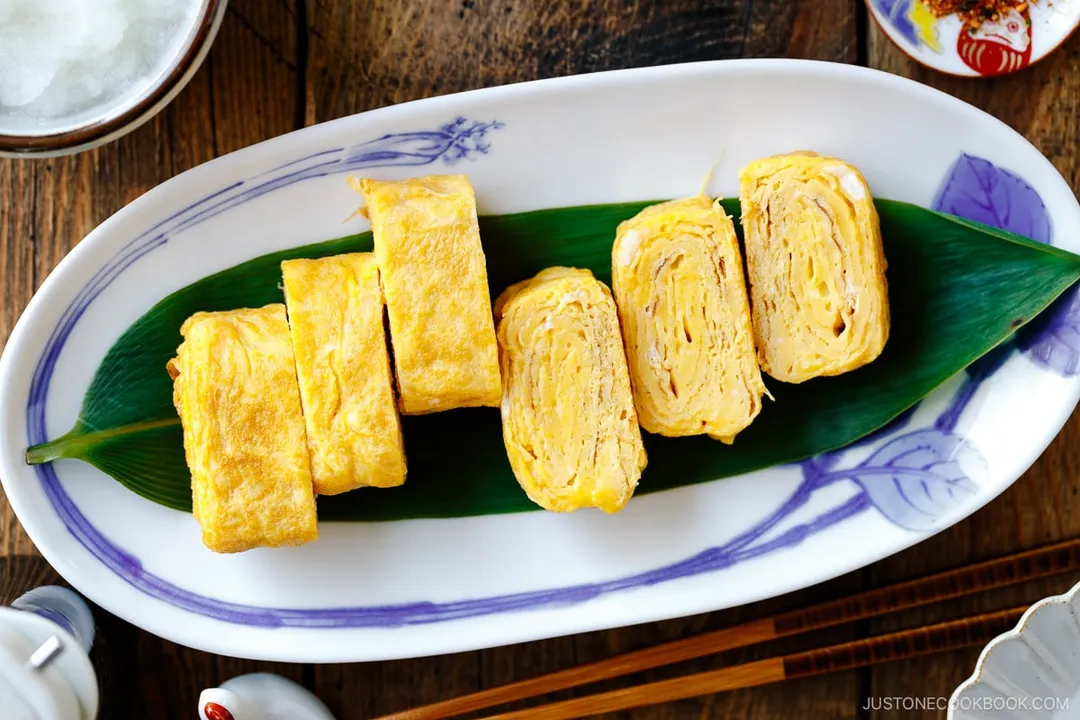
The Dashimaki tamago style relies heavily on seasoned broth, or dashi, which contributes significant liquid content to the omelet when fresh. While this liquid ensures wonderful moisture initially, upon cooling and extended refrigeration, this absorbed moisture can sometimes lead to a texture change where the egg becomes slightly spongier or appears more water-logged compared to sweeter variations. For dashi-heavy recipes, extra care during wrapping or even gentle pressing after cooling may be required to maintain the desired internal structure against this released moisture.
Related Questions
How many days is leftover homemade tamagoyaki typically kept for best quality in the refrigerator?What issue results from placing piping hot tamagoyaki directly into an airtight container?What is the texture of tamagoyaki when served immediately after cooking?How does the texture of tamagoyaki generally change upon refrigeration?What reheating method is favored for retaining moisture in tamagoyaki?When is the ideal time to slice the tamagoyaki log into thick, neat rectangles?What characteristic does a higher sugar content give Atsuyaki (Sweet) tamagoyaki when chilled?What is a potential texture issue for Dashimaki tamago after several days in the fridge?If kept consistently cold (below 40°F or 4°C), what diminishes after the four-day window for tamagoyaki?What practical advantage does the firm, sliced tamagoyaki offer for bento box packing?