Is tamagoyaki eaten hot or cold?
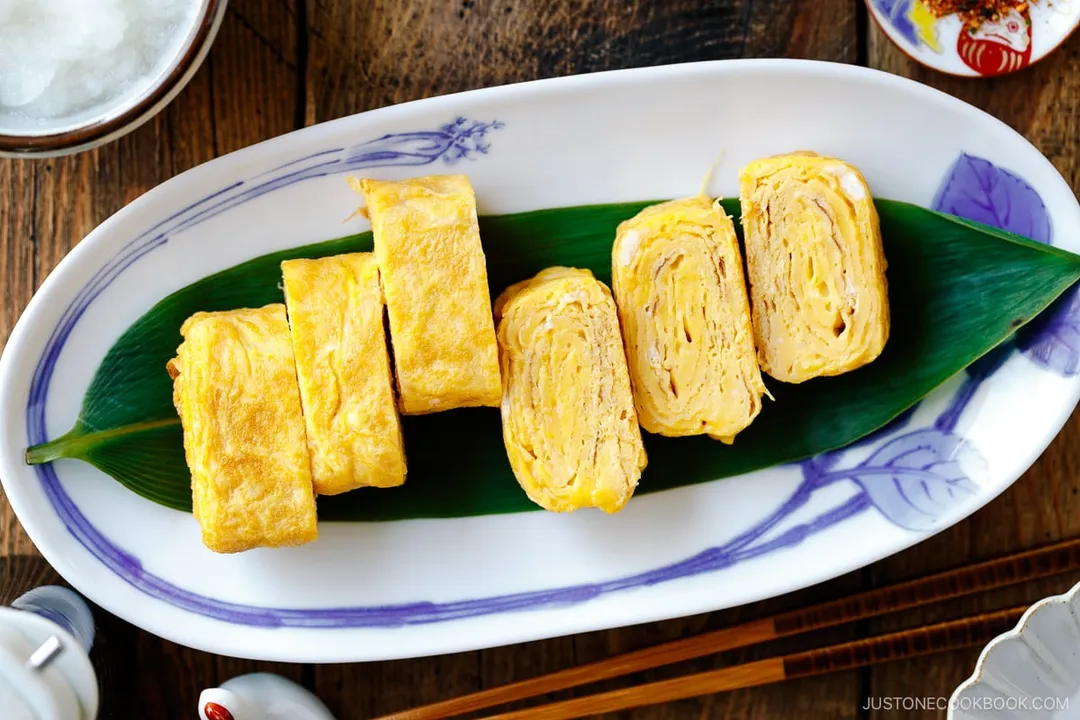
Tamagoyaki, the beautifully layered Japanese rolled omelet, sits comfortably in a unique culinary category because its ideal eating temperature is entirely dependent on context. Whether it is best savored straight from the specialized rectangular pan while still steaming, or enjoyed hours later at room temperature within a lunchbox, is less a matter of strict tradition and more a function of its intended setting [cite 3][cite 9]. The answer isn't strictly one or the other; it’s a conditional yes to both, with each state offering a distinct textural and flavorful experience [cite 2].
# Immediate Serving
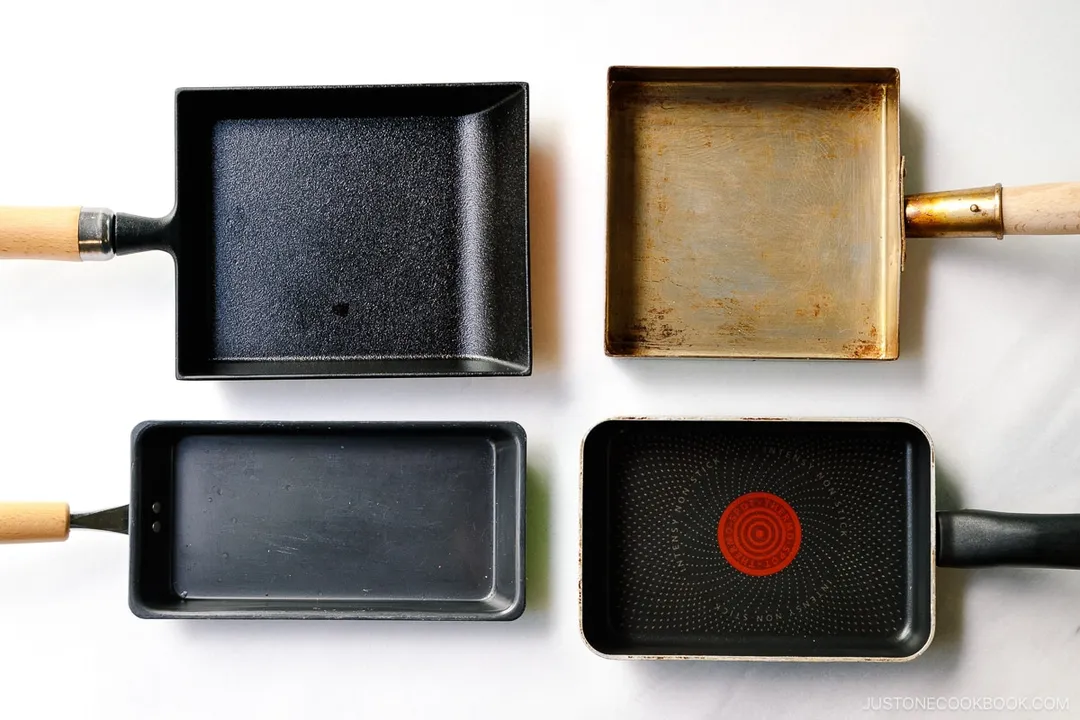
When tamagoyaki is being made as part of a fresh meal, such as a traditional Japanese breakfast, the preference leans heavily toward eating it while it is still warm [cite 5][cite 9]. Cooking it fresh allows the diner to appreciate the delicate texture achieved immediately after the final layer is rolled and set. For those who enjoy the sweeter style of tamagoyaki, eating it warm often enhances that subtle sugary note against the egg base [cite 9].
For versions prepared with dashi (savory stock), known as dashimaki tamago, eating it warm brings out the full umami depth of the seasoned broth [cite 2]. When the omelet is hot, the structure is often softer, more custard-like, and can feel fluffier on the palate [cite 2]. The richness of the butter or oil used in the pan is also more pronounced when the dish is served immediately. This immediate enjoyment contrasts sharply with the firmer texture that develops as the egg cools.
# Bento Necessity
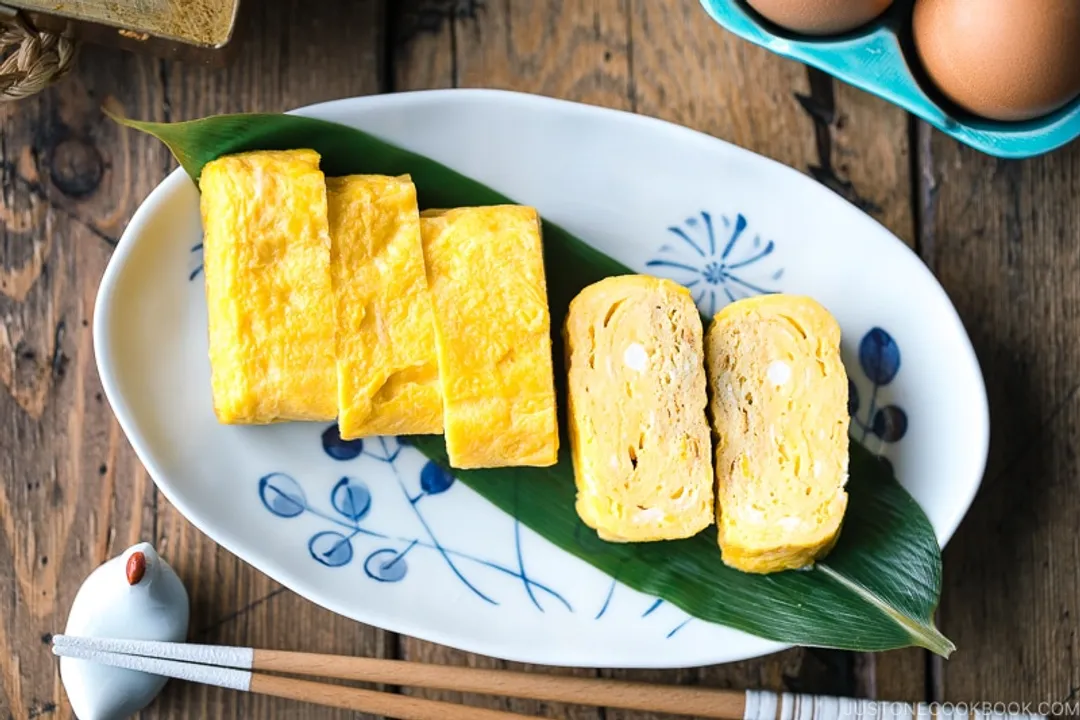
The necessity of preparing food ahead of time for packed lunches—the ubiquitous bento—establishes the second common state for tamagoyaki: room temperature or cold [cite 3][cite 9]. In a bento box, the food must be safe to eat several hours after preparation and often without access to reheating facilities. Consequently, tamagoyaki is engineered to taste good even when fully cooled [cite 9].
When prepared specifically for a bento, the recipe might subtly adjust to account for the temperature change. Some cooks might slightly increase the seasoning, whether sweet or savory, because flavors tend to become slightly muted or "settled" once the dish chills. This chilling process causes the remaining moisture to redistribute, resulting in a denser, more substantial slice that holds its shape perfectly for transport and slicing [cite 2]. A well-made, cold tamagoyaki slice should still be moist, yet firm enough to be picked up neatly with chopsticks without crumbling—a quality highly valued in its bento role [cite 9].
# Textural Differences
The primary divergence between eating tamagoyaki hot versus cold lies in the mouthfeel. Warm tamagoyaki, especially the dashimaki style, can sometimes appear slightly collapsed or wetter on the cutting board just after cooking because the structure has not fully set, much like a freshly baked soufflé [cite 2].
As the egg cools to room temperature, the proteins firm up and lock in the moisture more effectively. This transformation is key to its portability [cite 2]. If you are aiming for a texture that is simultaneously soft and sliceable, allowing the finished roll to rest on the cutting board for about ten minutes before slicing is a good intermediate step, even if you plan to eat it warm shortly after. This brief resting period firms the exterior just enough for clean cuts, preventing the delicate internal layers from sticking too much to the knife [cite 5]. This small pause helps bridge the gap between a piping-hot, fragile omelet and a fully chilled one.
# Flavor Profile Adjustment
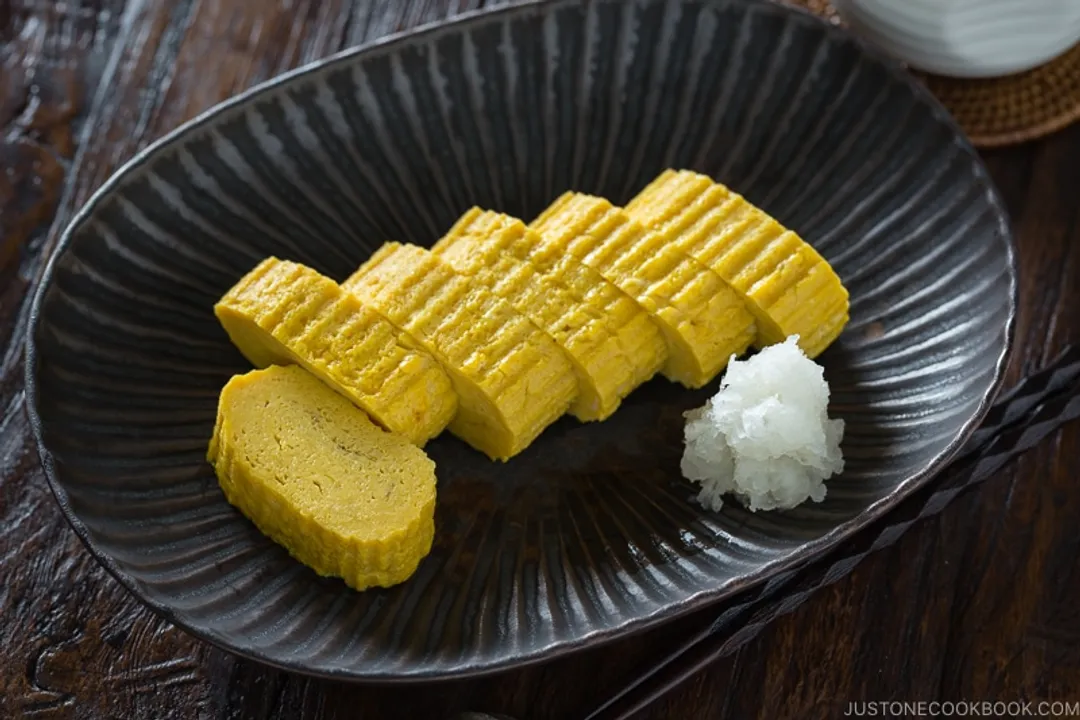
The flavor profile undergoes a subtle shift as the temperature drops. Sweet tamagoyaki, often made with sugar and mirin, can taste decidedly sweeter when cold because the volatility of the aromatic compounds decreases, allowing the foundational sugars to register more prominently on the tongue [cite 9]. Conversely, the savory umami notes from dashi in dashimaki tamago are strongest when the dish is warm, as the volatile compounds carrying those savory aromas are released more readily by heat [cite 2].
Thinking about this sensory shift offers an actionable tip for presentation: if you are serving a batch of tamagoyaki that has cooled down significantly but you want to give the impression of a warm, fresh dish, a quick, gentle steam or microwave blast for just a few seconds can revive some of the aromatic release without fully re-cooking the eggs. However, overheating is dangerous here; the goal is to wake up the flavor, not to create a rubbery texture, so low and slow heating is essential if reheating is attempted at all [cite 2].

# Preparation Style
The choice of preparation heavily dictates the ideal serving temperature. For instance, recipes designed around a very savory, high-dashi content are almost always better warm, as the complexity of the stock is best perceived before it is chilled [cite 9].
On the other hand, the sweeter, more dessert-like versions—sometimes called atsuyaki tamago—are very common in sushi settings where they are served at room temperature alongside the vinegared rice [cite 3]. In these instances, the sweetness is balanced by the rice and other fillings, meaning they are specifically meant to be eaten cool. If you are making a large batch at home for immediate eating, consider splitting the batter: make the first third sweeter for a room-temperature side dish, and the final two-thirds more savory and dashi-heavy to be eaten immediately while hot for breakfast. This maximizes enjoyment across different consumption windows using the same base preparation time [cite 2][cite 5].
# Serving Variations
Beyond temperature, the way tamagoyaki is served influences how temperature is perceived. Whether it is cut into thick, substantial rectangles or thin, delicate rounds changes the ratio of exposed surface area to internal mass. Thicker cuts retain warmth longer, keeping the center softer even as the outside cools [cite 2]. Thinner cuts cool almost instantly, meaning they reach room temperature much faster, which is ideal if they are being used as a decorative element or a separator in a layered dish.
Furthermore, certain regional or specialized preparations, like the beautiful cherry blossom tamagoyaki described in some recipes, are primarily visual centerpieces [cite 8]. While fresh is always nice, the structural integrity needed for these patterned rolls often necessitates a short cooling period to ensure the distinct layers don't blur when sliced and plated [cite 8]. The beauty of this dish, unlike many other egg preparations, is that its role shifts easily from a main, hot component of a meal to a cold, supplementary flavor accent in a packed lunch, making it remarkably flexible for any occasion [cite 3][cite 9].
Related Questions
#Citations
First attempt at tamagoyaki didn't go so well T^T : r/Bento - Reddit
Home-Style Tamagoyaki (Japanese Rolled Omelette) - Serious Eats
Tamagoyaki 101 - Everything You Should Know About This ...
Is onsen tamago really supposed to be eaten cold? - Quora
Tamagoyaki - Simply Recipes
Ordered a Japanese omelette pan online and made my ... - Facebook
Cherry Blossom Tamagoyaki (Japanese Omelette) | Asian Recipe
Tamagoyaki (Japanese Rolled Omelette) 玉子焼き