What textural characteristic is highly valued in a well-made, cold tamagoyaki slice intended for a bento?
Answer
Moist, yet firm enough to be picked up neatly with chopsticks without crumbling
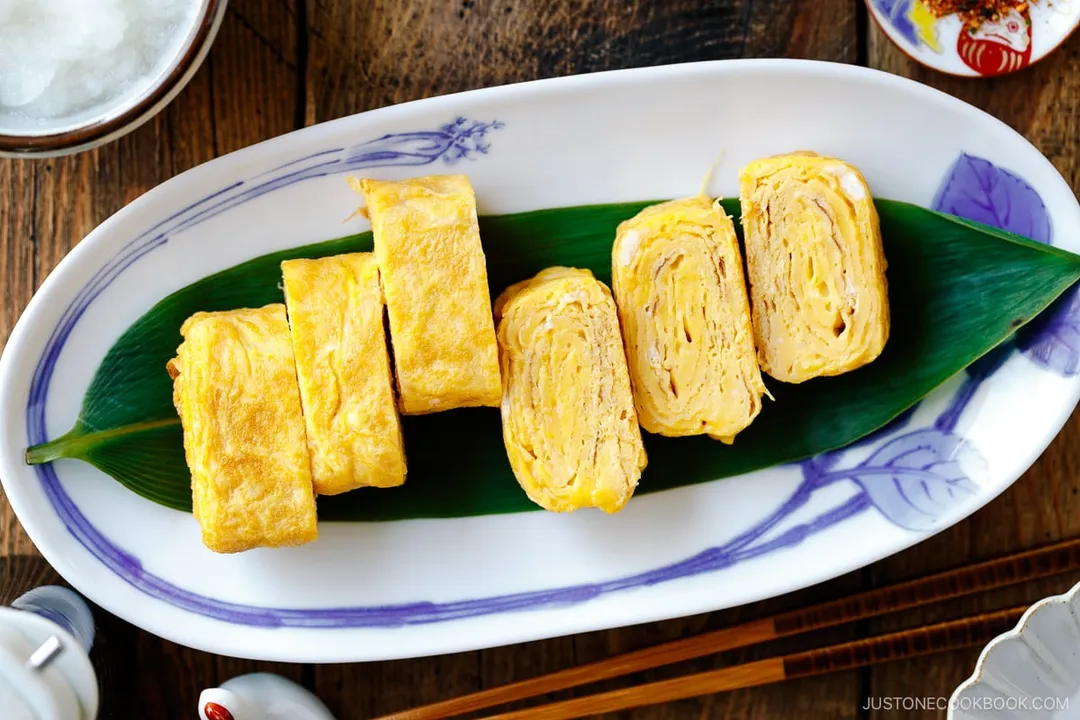
When tamagoyaki cools, the moisture redistributes within the egg matrix, leading to a transformation where the structure becomes denser and firmer. This firmness is a crucial attribute for portability and ease of eating in a bento setting. A slice must possess sufficient structural integrity to withstand being picked up with chopsticks without crumbling or falling apart. Despite this necessary firmness, it should still retain adequate moisture to avoid being dry, ensuring a pleasant mouthfeel even in its chilled state.
Related Questions
What texture characterizes dashimaki tamago when eaten immediately while hot?Why might cooks slightly increase seasoning when preparing tamagoyaki for a bento?What is the benefit of resting finished tamagoyaki on the board for ten minutes before slicing?How does temperature affect the perception of sweetness in sweet tamagoyaki when eaten cold?What is the primary reason tamagoyaki is engineered to taste good when fully cooled for a bento?What textural characteristic is highly valued in a well-made, cold tamagoyaki slice intended for a bento?When is the savory umami depth of dashimaki tamago best perceived?In what setting are sweeter versions, sometimes called atsuyaki tamago, commonly served at room temperature?Why do patterned rolls, such as the cherry blossom tamagoyaki, often require a short cooling period?How do thicker cuts of tamagoyaki compare to thinner cuts regarding temperature retention?