Which fish cannot be eaten raw?
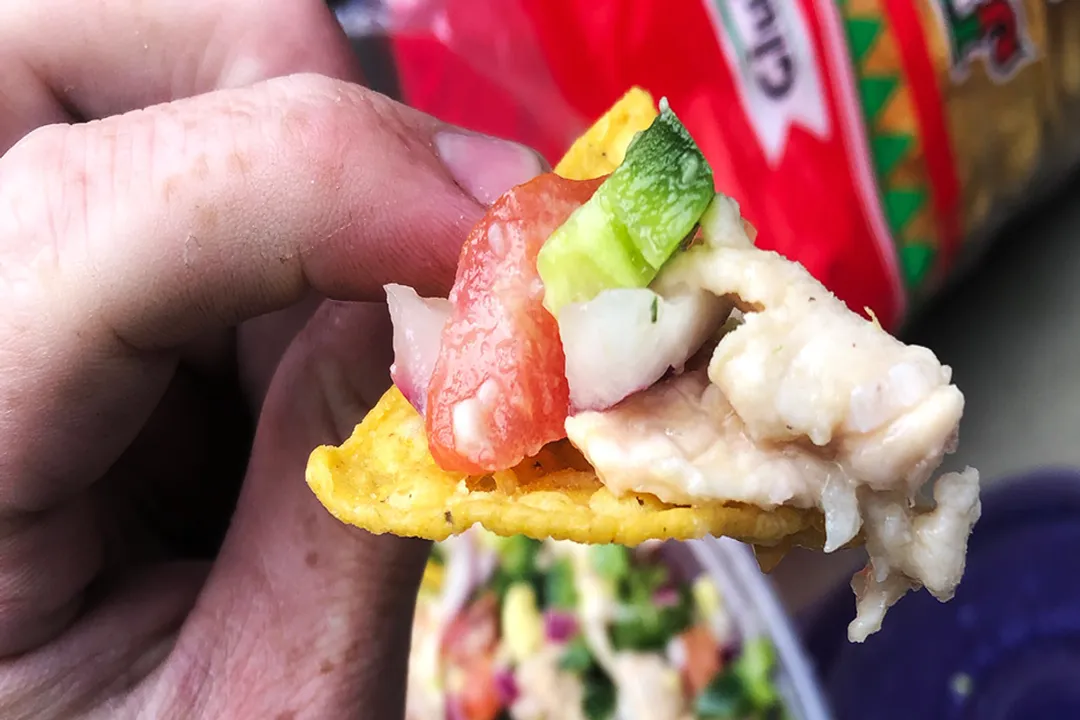
The moment you look at a piece of pristine, glistening fish, ready for slicing into sashimi or being submerged in a citrus marinade for ceviche, it’s easy to forget that not all seafood is created equal when served uncooked. The delight of raw fish lies in its delicate texture and pure flavor, but that experience is built upon a foundation of stringent safety protocols. While the Centers for Disease Control and Prevention (CDC) advises against eating any raw or undercooked seafood to prevent foodborne infection, the culinary world still embraces raw preparations like sushi, sashimi, and poke. [3] This means the critical distinction isn't just if a fish can be eaten raw, but which fish harbor risks that preparation methods simply cannot eliminate.
The primary dangers lurking in uncooked seafood fall into three broad, concerning categories: parasites, bacteria, and naturally occurring toxins. Some fish are simply more prone to carrying one or more of these threats than their marine cousins, making them absolute candidates for the "do not eat raw" list. [3][5]
# Freshwater Dangers
If there is one universal guideline whispered among seasoned chefs and public health officials, it is to exercise extreme caution with freshwater fish when considering raw consumption. [4][5] The environment dictates the risk profile, and fresh water systems, often carrying more runoff, harbor parasites that are particularly adept at infecting humans. [5]
For example, raw freshwater fish like grass carp, bighead carp, or snakehead—sometimes used in traditional dishes like Chinese Yu Sang—can carry parasites such as the Chinese liver fluke. [4] This parasite is a serious concern as it can lead to biliary obstruction, inflammation, and, eventually, liver cancer. [4] Beyond flukes, freshwater catches can transmit other parasites, including various species of tapeworms (cestodes), notably Diphyllobothrium latum, or fish tapeworm. [5] While symptoms can range from non-existent to severe abdominal pain or intestinal blockage, these organisms can persist for decades if left untreated. [5] Even common species like Largemouth Bass are flagged due to this inherent freshwater risk profile. [3]
Another serious bacterial risk associated with raw or undercooked freshwater consumption is Group B streptococcus (GBS) infection, which has historically been linked to outbreaks following raw freshwater fish consumption in some regions. [4]
It must be noted that, controversially, some individuals claim success in preparing raw freshwater trout or salmon caught in pristine, cold waters, often using intense citrus marination. [5] However, while citric acid can denature proteins, giving ceviche its "cooked" appearance, it is not a reliable method for killing all harmful bacteria or parasites present in the flesh. [5] Therefore, the official advice remains sound: freshwater fish should be adequately cooked, especially when served in preparations like hot pot or congee, to ensure safety. [4]
# Toxin Traps
While freezing is the commercial standard for neutralizing parasites in many saltwater fish destined for sushi bars, certain species carry toxins that are entirely unaffected by freezing, chilling, or even high heat. These fish are dangerous to eat raw and cooked, placing them firmly in the "never eat" category unless prepared by certified specialists. [1]
# Pufferfish Poison
The most infamous example of inherent toxicity is the Pufferfish, known for fugu in Japan. [3] This fish contains tetrodotoxin, a potent neurotoxin concentrated primarily in its internal organs, such as the liver and ovaries. [1][3] Ingesting even a tiny amount can lead to paralysis, respiratory distress, and death, sometimes within hours. [1] This risk is so severe that preparation is restricted to highly trained and licensed chefs who know precisely how to remove and handle the poisonous parts. [3]
# Ciguatera Reef Danger
A widespread but less recognized danger exists with certain warm-water and tropical reef fish: Ciguatera Fish Poisoning (CFP). [1] This condition is caused by biotoxins that accumulate in fish that feed on toxic algae. Crucially, these toxins are not destroyed by cooking, freezing, or marinating. [1]
Fish that frequently carry the Ciguatera toxin include a wide variety of species, particularly those caught in the tropical and subtropical waters of the West Indies, the Pacific Ocean, and the Indian Ocean. [1] Some frequently cited examples that pose a high risk raw (and generally) include:
- Groupers [1]
- Barracudas (the CDC specifically recommends never eating these) [1]
- Sea Bass [1]
- Red Snapper [1]
- Amberjack [1]
- Parrot fish and Surgeonfish [1]
Symptoms of CFP can be debilitating, involving gastrointestinal distress, numbness, tingling, and even paradoxical temperature sensations (hot things feeling cold). [1] Given that these toxins do not show themselves via smell or taste, avoiding these species entirely is the only guaranteed method of prevention when raw consumption is on the table. [1]
# Handling and Histamine
Even fish often deemed safe raw, such as various kinds of tuna and mackerel, carry an immediate, non-parasitic risk if they encounter improper temperature control: Scombroid Poisoning. [1] This occurs when fish containing high levels of the amino acid histidine (including mahi-mahi, bluefin/yellowfin tuna, bluefish, mackerel, sardines, and anchovy) are not refrigerated adequately after harvest. [1] Bacteria rapidly convert the histidine into histamine. While this is technically a bacterial byproduct rather than an inherent toxin, the result is poisoning that mimics a severe allergic reaction, causing rashes, tingling, throbbing headaches, and blood pressure drops. [1] Although rarely fatal, it makes any fish susceptible to this process a gamble when eaten raw without verifiable cold chain documentation.
It is a noteworthy contrast that while an outbreak of GBS might be linked to raw freshwater catches, scombroid poisoning is linked to the failure of cold storage for certain saltwater species. [4][1]
# The Cold Truth of Freezing
For most ocean-dwelling fish commonly served raw—like certain varieties of tuna and salmon—the risk mitigation strategy is freezing to kill parasites like Anisakis roundworms. [5] The FDA has specific guidelines for this process, requiring fish to be frozen to a minimum of for seven days, or for 15 hours. [3] This is the standard procedure that controls the parasite load in commercial sushi operations. [3]
However, here is a practical consideration: while is achievable, ensuring a home freezer maintains that temperature consistently for a full week is difficult for many standard units. [3] This means that even if you source a wild-caught salmon that typically carries parasites, simply tossing it in your kitchen freezer overnight is not a substitute for professional-grade deep freezing. The risk shifts from the fish itself to the process applied to the fish. [3]
Furthermore, there’s an interesting regulatory split: some farmed fish, like farmed Atlantic salmon and certain tuna species, are raised in controlled environments designed to prevent parasites, meaning they often do not require this mandatory deep freeze when supplied to restaurants, unlike their wild counterparts. [3] This distinction helps explain why some fish sold at grocery stores are deemed safe for home consumption raw, provided they were raised in controlled aquaculture systems, versus catching a wild specimen and assuming the same safety profile.

# Palatability and Sustainability Exceptions
Some fish are listed as ones to avoid raw not strictly because of pathogens or toxins, but because their texture or flavor simply doesn't translate well to an uncooked preparation, or because they are ecologically compromised. [2][3]
Pollock, for instance, is described as having a softer, mushier consistency compared to cod, and it can exhibit a more pronounced "fishy" flavor raw, making thorough cooking advisable for better enjoyment. [3] Similarly, some general advice suggests avoiding Haddock raw due to potential bacteria or parasites, even though it is a popular white fish when cooked. [3][4]
The world of seafood sustainability also dictates what should not be consumed, and this often intersects with raw preparations. Fish that are slow to mature or severely overfished are on many "avoid" lists. [2] While you could technically freeze and prepare them, consuming them contributes to ecological instability, making them a questionable choice for any conscientious eater. [2] Examples here include Eel (slow to mature and absorb environmental contaminants like PCBs), [2] Orange Roughy (which can live up to 150 years and takes decades to reach maturity), [2] and Atlantic Bluefin Tuna (overfished to near-extinction levels). [2] Even Sturgeon, primarily sought for caviar, faces critical endangerment across many species. [2]
# The Contaminant Conundrum: Mercury and Pollutants
While not a risk unique to raw consumption, the general concentration of pollutants like mercury in larger, predatory fish is a massive barrier to regular intake, raw or otherwise. [2] Since mercury is stored in the flesh, cooking offers no remediation. Fish like Swordfish, Shark, King Mackerel, and even Grouper are flagged for elevated mercury content, leading to specific consumption advisories for women and children. [2]
This leads to an important distinction for the home preparer: the risk of parasites is generally mitigated by freezing, but the risk of toxins (Ciguatera) and heavy metals (Mercury) are not eliminated by any standard preparation method, including cooking. [1][2] Therefore, when you choose a fish for raw preparation, you are essentially stacking two safety hurdles: ensuring it was frozen properly for parasites, and ensuring it isn't a species known for accumulating biotoxins or mercury in the first place. [1][2] It requires a deeper knowledge base than simply ordering from a trusted restaurant sushi bar, where the sourcing is (ideally) standardized for parasite control.
To maintain food safety at home when preparing raw fish, always insist on the "sushi grade" designation, which confirms the necessary freezing process has occurred. [4] For all other non-sashimi-grade fish, you should assume a parasite risk exists and adhere to thorough cooking.
| Danger Category | Primary Risk Agent(s) | Fish Examples (Avoid Raw) | Mitigation Effectiveness |
|---|---|---|---|
| Parasitic | Tapeworms, Roundworms (Anisakis), Flukes [4][5] | General Freshwater Fish, Wild Salmon | Effective: Deep freezing (FDA standards) [3][5] |
| Inherent Toxin | Tetrodotoxin [1][3] | Pufferfish (Fugu) | Ineffective: Cooking or freezing offer no protection against organs [1] |
| Biotoxin | Ciguatera Toxin [1] | Barracuda, Moray Eel, Tropical Reef Fish [1] | Ineffective: Cooking or freezing offer no protection [1] |
| Handling/Chemical | Histamine (Scombroid) [1] | Mackerel, certain Tunas, Mahi-Mahi [1] | Ineffective: Requires strict, unbroken cold chain from catch [1] |
| Pollutant | Mercury, PCBs [2] | Shark, Swordfish, Eel [2] | Ineffective: Not removed by cooking or freezing [2] |
The choice of what to eat raw is often a hierarchy of avoidance. Start by eliminating all freshwater fish unless you have specific, verified knowledge about the water source. [4][5] Next, categorically exclude anything known to harbor Ciguatera or Tetrodotoxin, regardless of how you plan to serve it. [1] Finally, for high-quality ocean catches, rely on the commercial freezing process for parasite control, understanding that bacterial risks from handling remain a constant factor in any raw preparation, whether you buy it from a counter or an online supplier. [3] Choosing fish lower on the food chain, like Pacific sardines, often minimizes the accumulation of both parasites and heavy metals, making them a simpler choice for raw enjoyment where freezing procedures are verifiable. [2]
Related Questions
#Citations
What Fish Can You Not Eat Raw?
Can you eat any type of fish sashimi style or 'raw'?
Do Not Eat Raw Freshwater Fish to Avoid Harmful Bacteria ...
Is it Safe to Eat Freshwater Fish Raw?
Here's What Seafood You Can Safely Eat Raw
Fish Poisoning