Is carp eaten in the USA?
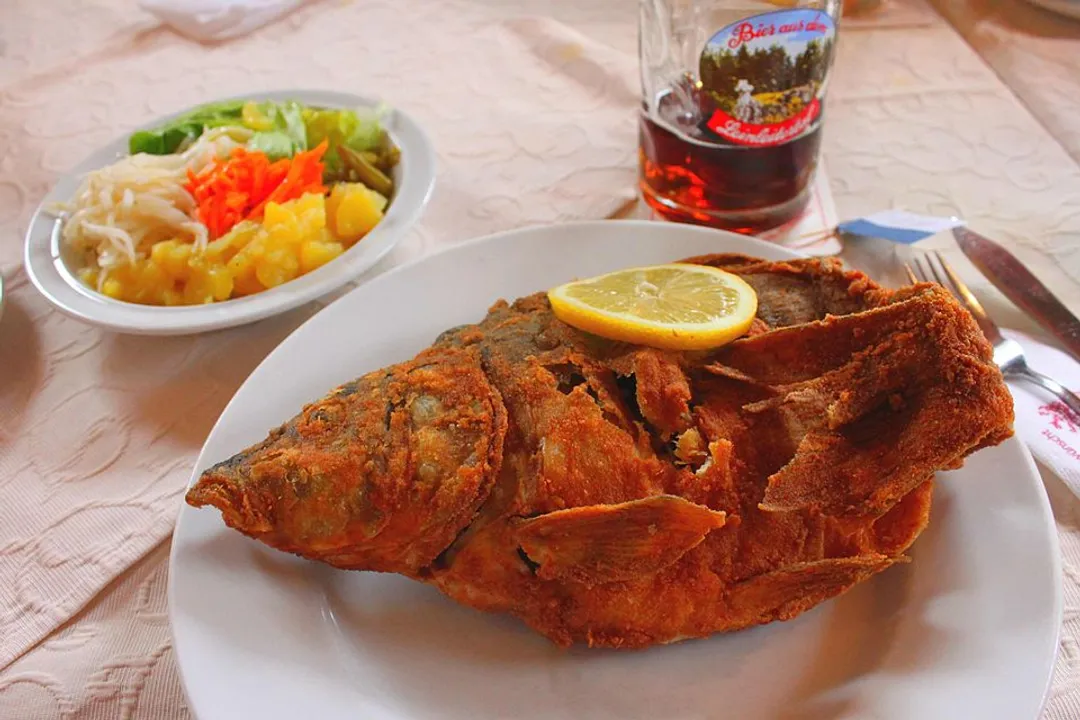
The short answer to whether carp is eaten in the United States is a definitive yes, but the context surrounding that consumption is far more complicated than for many other common fish like cod or salmon. It’s a story woven with threads of history, cultural bias, ecological crisis, and clever marketing. While European and Asian cultures have long cherished various species of carp—sometimes considering them delicacies—the fish has historically struggled to gain mainstream appeal in the American diet. [1][7]
# Historical Introduction
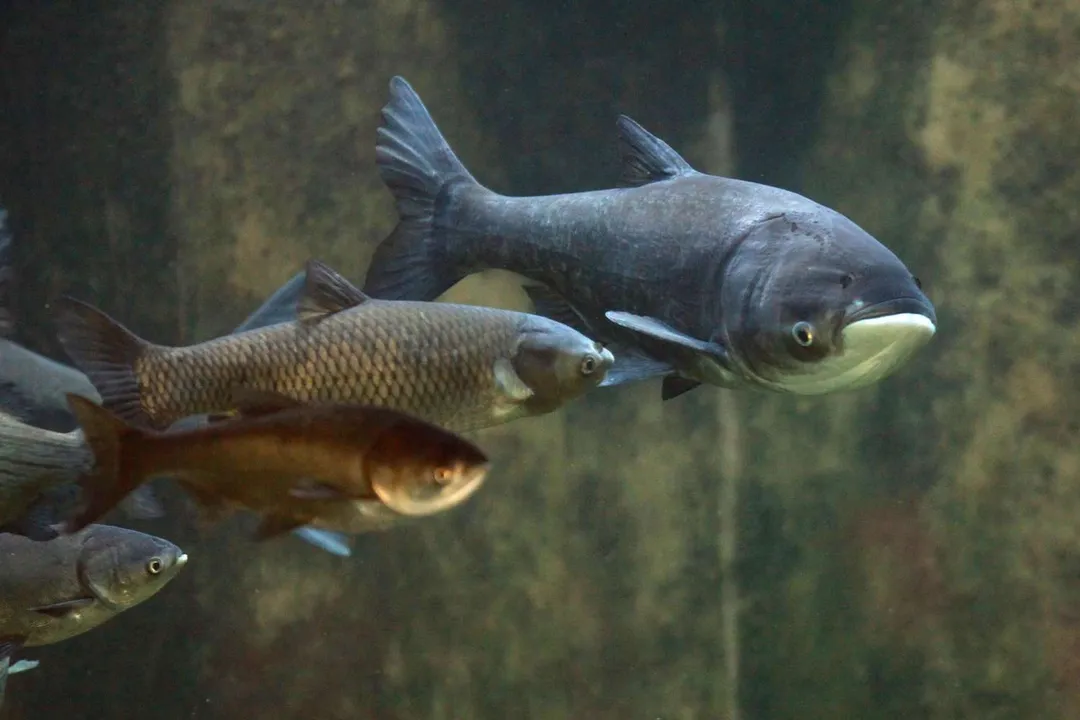
The presence of carp in American waters is not accidental; it’s the result of deliberate stocking efforts dating back to the late 19th century. [8] The common carp (Cyprinus carpio), originating from Eurasia, was introduced to the U.S. in 1877 by the U.S. Fish Commission, initially with the intention of establishing a major food source for the burgeoning nation. [8][9] The reasoning at the time was sound from a supply perspective: carp are hardy, reproduce quickly, and can thrive in a wide variety of water conditions, including muddy, nutrient-rich environments where other desirable fish might struggle. [9] This hardiness, ironically, became part of its downfall in the American culinary imagination. [1]
The hope was that these fish would become a staple, similar to their status in Europe where they are central to holiday meals and traditional cuisine. [1] However, the vast majority of Americans were already accustomed to consuming wild-caught freshwater fish like bass, catfish, and trout, which held a higher perceived value. [1][7] When common carp became widespread, they were often associated with murky bottoms and an "unclean" environment, a perception that overshadowed their potential as a reliable protein source. [1][7]
# Consumer Perception Clash

The cultural gulf separating American eating habits from those in many other parts of the world is a major factor in carp's limited success. [7] In places like Germany or China, carp is viewed as a desirable, often festive, food item. [1] One commenter noted that in a European context, being served carp, especially during specific holidays, is expected and often desired. [1] This contrasts sharply with the American preference, which historically gravitated toward wild-caught sport fish or marine species. [7]
It is interesting to observe how the context of acquisition changes perceived value. If a fish is caught recreationally by a hobbyist angler, its presence on the dinner table is often accepted, regardless of species, as an enjoyable byproduct of the sport. [1] However, if the same fish is being sold commercially as a mass-market protein, the cultural gatekeepers—chefs, food writers, and average shoppers—tend to reject it if it doesn't fit established norms. [1] This suggests that the primary barrier wasn't necessarily the taste itself, but rather the history and association the American consumer assigned to the common carp before it even reached the plate. [7] The very characteristics that make it an ecological success—its resilience and adaptability to varied habitats—made it a marketing failure in a market already saturated with preferred options. [9]
If we were to map out the perceived culinary value based on historical American freshwater fishing culture, it might look something like this:
| Fish Category | Historical American Perception | Consumption Status |
|---|---|---|
| Sport Fish (Bass, Trout) | Prized, clean flavor, challenging to catch | High |
| Catfish | Acceptable, common in Southern cuisine | Moderate/High |
| Common Carp | Pest, bottom feeder, dirty water | Low/Niche |
| Asian Carp | Invasive threat, ecological danger | Marketed/Promoted |
# Ecological Driver Change
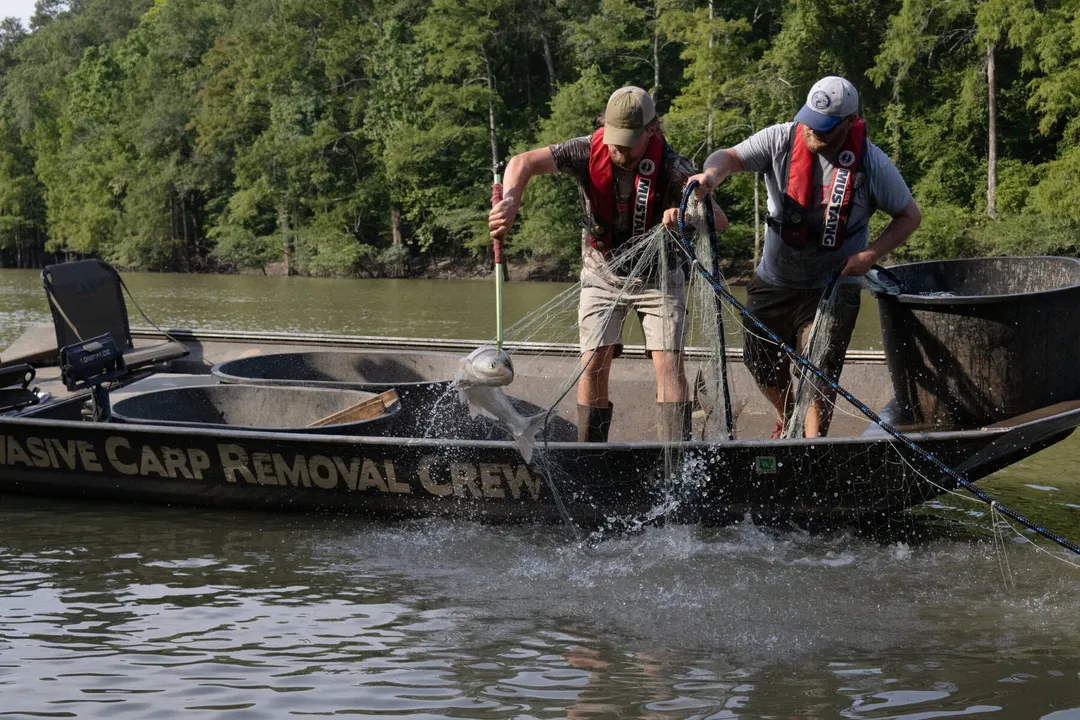
The conversation around eating carp in the U.S. has drastically shifted in recent decades, moving from a matter of culinary preference to one of ecological necessity. [5] This change centers on the massive population explosion of invasive Asian Carp species—Bighead, Silver, Grass, and Black Carp—which were initially introduced to control algae and weeds in aquaculture ponds in the 1970s. [4][8] These species subsequently escaped into the Mississippi River basin and are now a significant threat to native fish populations, including commercially and recreationally important species like the native paddlefish and bass. [4][5]
Because these invasive species lack natural predators in the U.S. and reproduce prolifically, controlling their numbers has become a major focus for state and federal agencies. [5] One effective, and delicious, management strategy is to encourage mass consumption. [4] States like Arkansas are actively pushing for increased domestic consumption as a core component of their invasive species control plan. [5] The goal is to create a sustainable commercial market that incentivizes fishermen to remove tons of these destructive fish from the waterways. [5]
It’s important to note the distinction, as the USGS clarifies that while eating Asian Carp is safe, they should be handled properly like any other fish. [4] The primary concern for consumers isn't safety from toxins, but rather public perception of these aggressively managed, non-native species. [4]
# The Rebranding Campaign
Recognizing that the name "Asian Carp" carried negative connotations—associating it with invasiveness, or potentially confusing it with desirable Asian seafood items—a major rebranding initiative took place. [2] In 2018, a coalition of state agencies and industry representatives officially renamed the four species of invasive Asian Carp to "Copi". [2]
The goal of this renaming effort, spearheaded in part by organizations like the Illinois Soybean Association, was straightforward: to present the fish in a more appealing light to American consumers who might otherwise dismiss it. [2] The name "Copi" is short, memorable, and deliberately removes the geographic and historical baggage associated with the older name. [2] Food writers and chefs involved in the promotion often emphasize that Copi is a lean, mild-flavored fish, similar in texture to snapper or sea bass, once properly prepared. [2]
However, rebranding is an uphill battle against deeply ingrained food habits. While the name change provides a cleaner slate, it requires consumers to make an active choice to substitute a familiar protein for a relatively unknown one, even if that unknown protein is actively helping the environment. [5] It suggests a situation where overcoming cultural memory is harder than overcoming the ecological problem itself. [7]

# Preparation Challenges
Whether dealing with the established common carp or the newly christened Copi, consumers often run into similar hurdles: the bone structure and the muddy flavor potential. [1][7]
# Managing Flavor
The flavor of carp is highly dependent on its living conditions. As mentioned, fish living in nutrient-rich, stagnant, or muddy waters can develop an "earthy" or "muddy" taste. [1][7] This is a common complaint in online discussions regarding the common carp. [1]
For the invasive Asian Carp, which often school in massive numbers, the flavor profile tends to be much milder, particularly for the Silver Carp, because they inhabit large, flowing river systems. [2][5] Promoters often suggest that if you are preparing an invasive carp, rinsing it thoroughly or using strong acids (like lemon juice or vinegar) or fats in the cooking process can help neutralize any off-flavors. [2]
# Dealing with Bones
A significant practical issue, often cited by those who have tried preparing carp, is the presence of fine, intramuscular bones. [1] Unlike, say, a salmon fillet where the bones are large and easily removed, carp possess smaller, numerous bones that can complicate eating, especially for casual diners. [1]
One technique that is highly effective, though time-consuming, is scoring the fillets deeply before cooking. If you score the fillet perpendicular to the spine several times, cutting almost down to the skin, the fine bones are severed. When cooked, these small, cut bones become soft enough to eat without presenting a choking hazard or textural annoyance. [6] This method transforms the preparation from a tedious deboning chore into a manageable culinary process, allowing the natural texture of the meat to shine. [6] This step is critical for turning an unfamiliar fish into something reliably enjoyable for a modern American palate used to easy-to-eat portions. [1]
# Niche Markets and Future Potential
Despite the historical aversion and initial marketing hurdles, carp consumption is not zero in the U.S. It exists primarily in two distinct segments: the traditional ethnic food market and the growing ecological consumption movement. [1]
For many immigrant communities, carp is a familiar foodstuff prepared according to traditional methods—often fried, baked, or stewed—that successfully mask any minor textural or flavor issues. [1] This established demand provides a baseline market independent of the invasive species crisis. [1]
The Copi initiative, however, seeks to create a new, mainstream market driven by sustainability and conservation. Efforts are underway in states like Arkansas to support businesses that can process large volumes of the invasive species into consumer-ready products, such as IQF (Individually Quick Frozen) fillets or even ground fish products. [5] The idea is that if consumers can buy Copi in the freezer aisle next to tilapia, the ecological benefit becomes an added bonus rather than the primary selling point. [2]
The long-term success hinges on consistency and supply chain development. The fishing industry must prove it can harvest these fish reliably and process them efficiently enough to compete on price with other widely available, affordable white fish. [5] If the ecological imperative forces enough volume onto the market, and chefs continue to champion the rebranded "Copi" as a sustainable choice, it stands a better chance now than the common carp ever did in the 1880s. It’s less about convincing Americans to like carp, and more about convincing them to try Copi, the invasive species we need them to eat. [2][4]
#Videos
Carp: Trash Fish or Hidden Delicacy? (Catch and Cook) - YouTube
Related Questions
#Citations
Why did the carp not catch on as a US food fish, despite the large ...
Invasive 'Asian Carp' Will Get a New Name So Americans Will Eat ...
Why they don't eat carp in Europe, America and Asia? - Facebook
Can I eat Asian carp? | U.S. Geological Survey - USGS.gov
Why Arkansas Wants More Americans to Eat Invasive Carp
Carp: Trash Fish or Hidden Delicacy? (Catch and Cook) - YouTube
Why don't Americans eat Asian carp? - Quora
4. US CARP HISTORY — American Carp Society
Carp - Wikipedia