Are rats eaten in China?
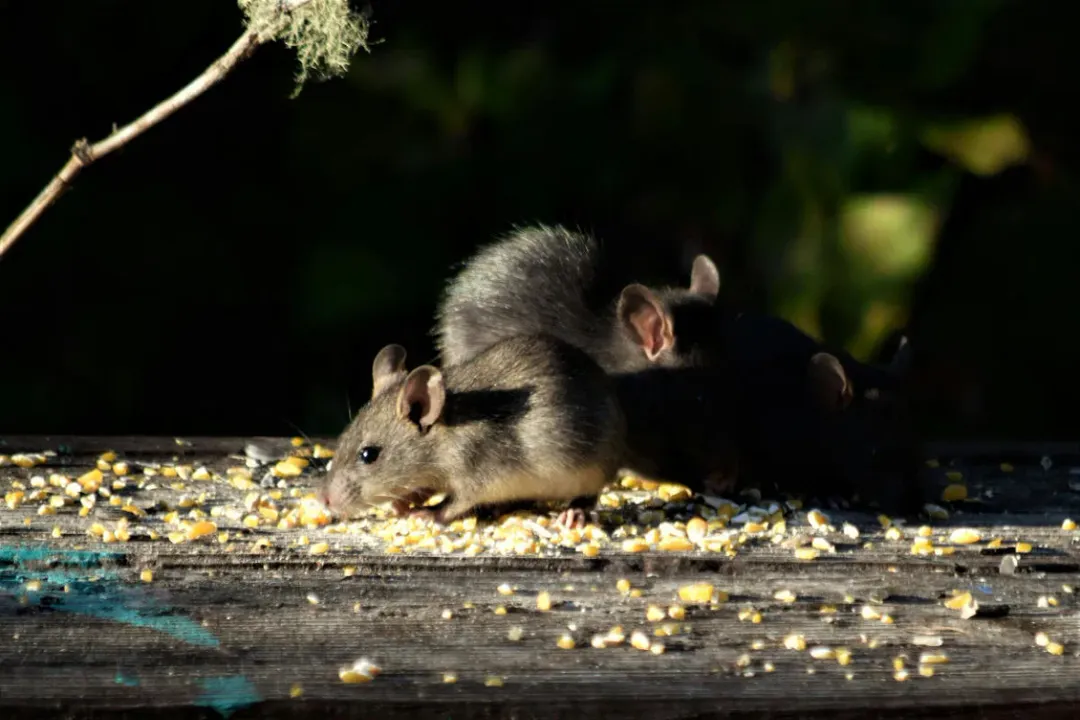
The consumption of rodents, specifically rats, in China is a topic that often surfaces in discussions about global culinary diversity, though it certainly does not represent a nationwide staple diet. While the image of rats on a menu might conjure images of unsanitary conditions for many outside certain regions, the reality, particularly concerning specific species, is more nuanced and tied closely to established traditions of consuming wild game rather than common household pests. [2][4]
# Species Distinction
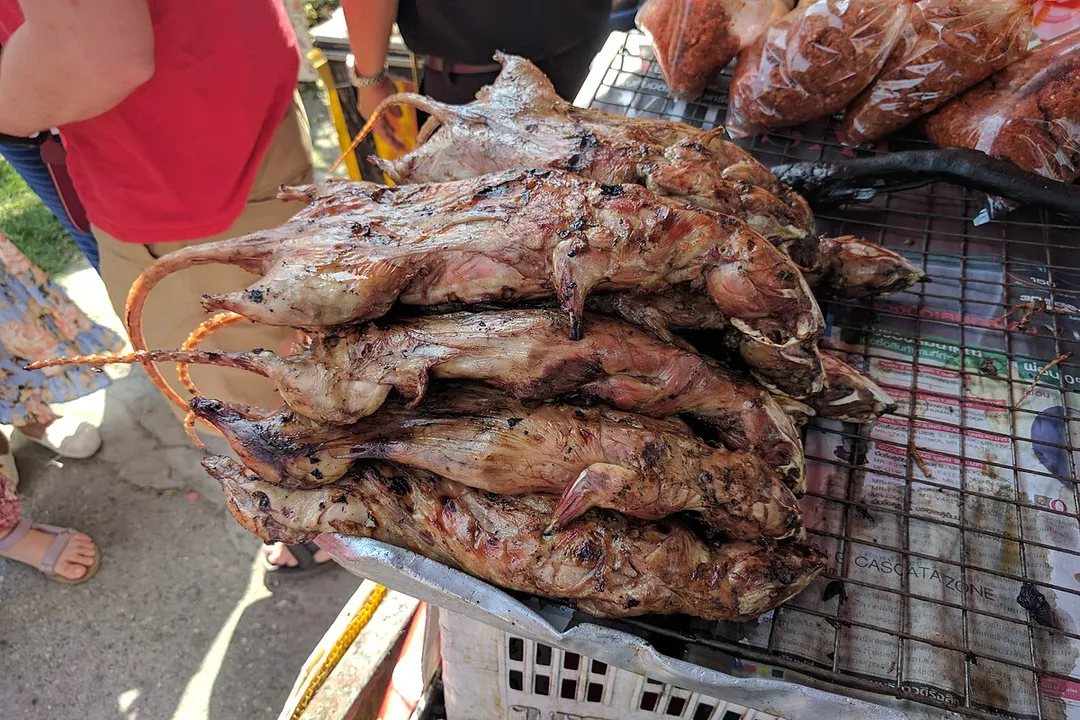
A critical element in understanding this subject is distinguishing between the types of animals being referenced. When the topic of eating rats in China arises, the discussion often centers not on the Rattus norvegicus or Rattus rattus—the common brown or black rats found in urban environments globally—but rather on specific, larger, non-commensal species, most notably the bamboo rat. [6]
Bamboo rats, such as Rhizomys swinhoei, are commercially farmed or sometimes hunted in specific areas, primarily in southern China, where they are considered a delicacy or traditional meat source. [4][6] These animals thrive in environments like bamboo forests, feeding on vegetation, which sets them apart conceptually, if not taxonomically, from the vermin associated with city infrastructure. [4] For many consumers familiar with this type of meat, the distinction between a clean, farmed wild animal and a city pest is paramount to acceptance. [2] In contrast, general sources listing countries where rats are eaten often lump all rodent consumption together, which can obscure the specific cultural practices within China. [1][5]
# Culinary Context
In the regions where they have been traditionally consumed, the meat is prepared in various ways, often reflecting intensive cooking methods typical for game meats. One common preparation method mentioned involves stewing or braising, such as a dish featuring bamboo rat cooked with dried ingredients like dried tofu, mushrooms, and herbs. [7] Such dishes suggest the meat is valued not merely as protein but as a component in complex, flavorful preparations, often reserved for special occasions or specific regional palates. [7]
When examining forums where this topic is discussed among those familiar with Chinese cuisine, a common theme emerges: consumption is highly localized and not representative of the general population, especially in densely populated, highly modernized eastern or northern cities. [3] While it is difficult to pin down an exact percentage of the population that consumes rat meat, acknowledging this regional specificity is key. It is not a mainstream food item like pork or chicken; rather, it falls into the category of yěwèi (wild flavor) cuisine. [4]
It's worth noting that in culinary traditions where exotic meats are valued, the preparation often aims to mask or integrate the distinctive flavor of the animal into a dominant sauce or spice profile, elevating it from simple sustenance to a gastronomic experience. [7]

# Recent Regulatory Shifts
The landscape surrounding the farming and sale of certain wild meats in China underwent a significant and abrupt transformation in 2020. Following the emergence of the COVID-19 pandemic, concerns over zoonotic disease transmission led to a nationwide ban on the farming and trade of certain wild animals, including bamboo rats. [6]
This measure had profound implications beyond public health. For established farmers who had built legitimate businesses around breeding these specific types of rodents for food, the ban represented an immediate halt to their livelihoods. [6] The enforcement targeted the supply chain of farmed wild animals, fundamentally altering the availability of the meat. This swift regulatory action highlights a turning point where concerns over public health and biosecurity have been prioritized over established, albeit niche, culinary practices. [6]
If we consider the economic structure, this ban represents a significant supply shock to a very particular agricultural sector. Unlike common livestock, where substitutions are relatively easy, the specialized nature of bamboo rat farming meant that farmers could not easily pivot to raising pigs or chickens; the market demand was specifically for that unique product. This forced pivot demonstrates how deeply intertwined tradition and commerce can become, and how quickly external pressures—in this case, a global health crisis—can sever those ties. [6]
# Modern Perception Versus Tradition
The modern Chinese identity, particularly among younger generations and urban dwellers, often aligns with global norms regarding food safety and animal welfare, leading to widespread aversion to eating what is perceived as vermin. [3] The historical context for eating wild game, developed during times of scarcity or as a marker of regional identity, does not always translate to the contemporary, affluent urban consumer who has access to abundant, mass-produced protein sources.
Contrast this with historical practices or isolated rural traditions. Historically, in times of hardship, any available protein source might have been utilized. [4] Today, the narrative has shifted. The very visibility of a rat in a city street is now more likely to trigger calls for pest control than interest from a local restaurant supplier. [2] Therefore, the answer to whether rats are eaten in China must be qualified by where and what kind of rat we are discussing. The general public sentiment in major metropolitan areas would likely be overwhelmingly against consumption of any common rodent. [3]
When looking at global consumption patterns, China is certainly not unique; sources indicate that various forms of rat meat are consumed in countries across Asia, Africa, and South America, often falling under the category of bushmeat or local delicacy. [1][2][5] However, the scale and regulatory response within China following 2020 make its current situation distinct from other nations where consumption might be less regulated or culturally more widespread without facing a federal, pandemic-driven ban on farming. For instance, while rats may be consumed in parts of Southeast Asia, the direct government intervention against farmed bamboo rats in China provides a clear, recent benchmark for how the government weighs these competing interests. [6]
The continued debate surrounding this topic often stems from conflating two separate realities: the traditional, localized consumption of farmed wild rodents like the bamboo rat, and the universal Western/urban aversion to commensal rats. The cultural separation between a specialized, high-value 'game' animal raised in controlled (or semi-controlled) conditions and an unhygienic pest is a subtle but vital piece of context missing in many generalized discussions about global food habits. [4]
# Future Availability
Following the 2020 ban, the availability of farmed bamboo rat meat has been severely curtailed. While some smaller, non-listed species or non-farmed sources might still exist, the commercial industry built around the bamboo rat has been effectively paused or redirected, pending any future regulatory adjustments. [6] This has undoubtedly forced consumers accustomed to the meat to seek alternatives or abstain entirely, shifting the food preferences back toward more conventional livestock. [3] Unless the regulatory status of specific wild animal farming changes significantly, the consumption of the most commonly cited "rat meat" in China will remain a matter of historical note rather than current culinary trend for the majority of the country.
Related Questions
#Citations
What Countries Eat Rats? | Eating Rat Meat
The countries where rats are on the menu
What percentage of people in China eat rats?
Rat meat
Which Countries Eat Rats?
Pandemic Causes China To Ban Breeding Of Bamboo ...
Chinese way of bamboo rat cooking : r/chinesefood