What is Portugal's most eaten food?

The search for Portugal’s single most consumed dish quickly leads one into the heart of its culinary identity, a place where history, the sea, and regional pride intersect. While travelers often arrive with Pastel de Nata and Port wine topping their lists, the reality of the Portuguese diet is far more nuanced, resting on a foundation of staples that sustain daily life across the country. To name the most eaten food is to choose between the dish that symbolizes the nation—the one discussed in history books and on international menus—and the ingredients that appear on nearly every table, day in and day out. If we look to national declaration, the answer is clear: Bacalhau, or salted cod, is widely cited as the national dish and the most commonly prepared type of fish in the Portuguese diet.
Yet, for all its historical weight and versatility—said to have over 365 different recipes—bacalhau is imported, typically arriving from the cold waters off Norway or Canada. This tradition stems from the Age of Discoveries when salting the cod was essential for long sea voyages, a practical necessity that became a cultural cornerstone. Today, it appears in iconic forms like bacalhau à brás (shredded with potatoes, onions, and eggs) or simply roasted. While it undeniably holds the highest cultural rank, its intense saltiness and reliance on rehydration mean it is often reserved for more intentional meals or holidays, such as Christmas Eve.
# Coastal Influence
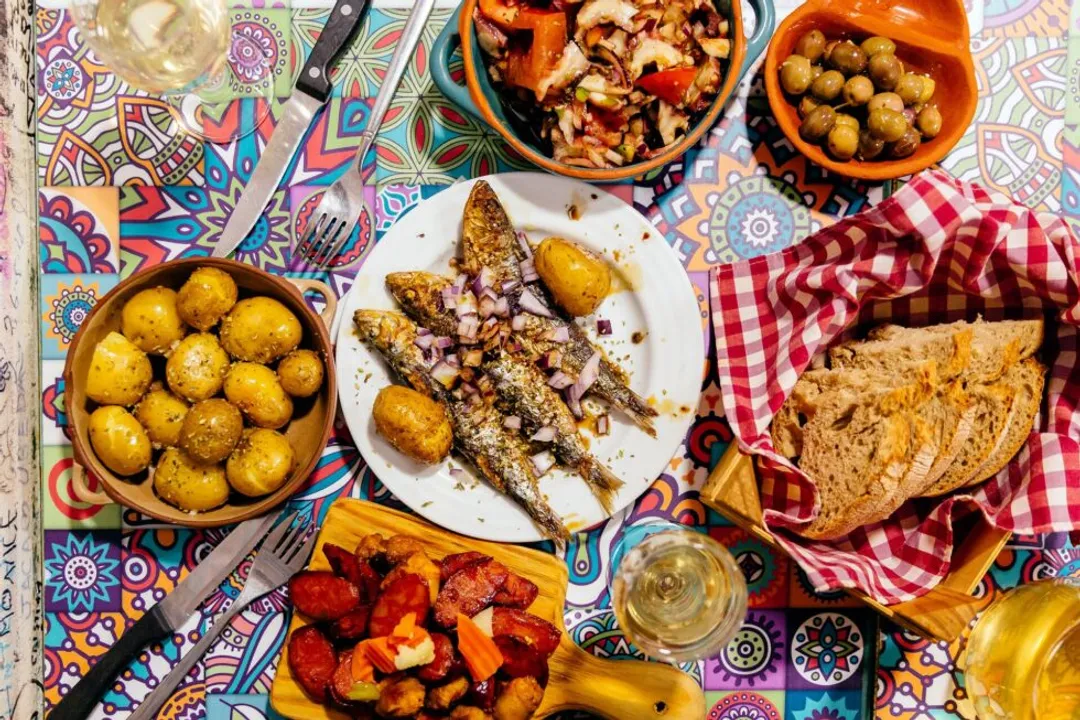
Given Portugal’s extensive coastline, seafood naturally forms a major part of the national plate. Even if cod isn't served every day, its ocean cousins are constants. The simple preparation of letting fresh flavors emerge, often with plenty of garlic, reigns supreme near the water.
Peixe Grelhado, or grilled fish, serves as the dependable baseline for Portuguese menus, whether in fishing villages or bustling cities. This method involves coating fish—like red snapper, bass, or mackerel—in coarse salt and olive oil, then grilling it over charcoal until the skin crisps. It is a simple, healthy meal that lets the quality of the catch speak for itself.
Among the numerous types of fish celebrated, the humble sardine (sardinha) holds a special, seasonal place in the Portuguese heart. Sardinhas assadas, or grilled sardines, are affordable, flavorful, and deeply tied to the summer months, especially around the June feasts of St. Anthony in Lisbon and Porto. They are often enjoyed utensil-free, resting atop a thick slice of bread, accompanied by wine or sangria. This tradition showcases how easily everyday ingredients, particularly those abundant in local waters, become culinary events. If bacalhau is the national symbol, sardines, in season, are perhaps the most eagerly anticipated daily food of the summer.
# Daily Bread

If we look past the famed dishes to the actual bulk of daily caloric intake, we must address the foundation of nearly every meal: bread. Bread is explicitly stated as a staple at the Portuguese dinner table. While bacalhau is the cultural icon, the sheer volume of simple bread consumed daily across all socio-economic levels arguably makes it the highest-volume foodstuff. This reliance on bread is echoed in several other beloved, historic dishes that utilize it as a central component.
Consider the humble sandwich, which appears in several celebrated forms. The Bifana, a seemingly simple yet irresistible creation, features thinly sliced pork marinated in white wine, garlic, and paprika, slapped into a Portuguese roll, often topped with mustard. It is a street food favorite enjoyed everywhere, though Lisbon and the town of Vendas Novas (where it is rumored to originate) fiercely claim the best versions. It is telling that even global chains adapt it, offering a McBifana.
Another ubiquitous, quick bite, particularly in Porto, is the Cachorrinho, described as a superior Portuguese hot dog. It consists of sausage, cheese, and a spicy sauce tucked into crusty bread, cut into bite-sized pieces—the ultimate accompaniment to cold beer. The Prego, featuring grilled beef brushed with a garlicky marinade on a crusty roll, is often curiously eaten as a "dessert" after seafood meals, perhaps to round out a lighter seafood-focused dinner.
The use of bread goes deeper than sandwiches, manifesting as thick stews that speak to the country’s rural, hearty past. Açorda, for instance, is a soup or stew made by soaking bread in broth, often enriched with coriander, garlic, olive oil, and sometimes topped with a poached egg or seafood. The Açorda de Marisco (seafood bread stew) specifically highlights this combination of sea bounty and fundamental starch. These bread-based dishes demonstrate that simple, filling fare, historically tied to peasant food, remains integral to the cuisine.
An observation of meal structure reveals a key contrast: while many celebratory or historic dishes involve complex, slow-cooked meats like Cozido à Portuguesa or Arroz de Pato (duck rice), the daily reality appears to favor simplicity. Lunch (almoço) remains the main, substantial meal between 12:30 PM and 2:00 PM, often featuring a hot soup starter, followed by fish or meat with potatoes/rice. Dinner is later and lighter. This structure implies that the highest volume of daily staple foods consumed are likely bread, potatoes, simple grilled fish, and soup ingredients, rather than the elaborate, thousand-recipe bacalhau dishes.
# Hearty Soups
If one dish is consumed consistently across all seasons and regions as a comforting starter or light main, it is Caldo Verde. Translating to "green soup," this nationwide staple originated in the Minho province but is now found everywhere. It features a base of potatoes, garlic, and olive oil, thickened and studded with shredded kale (or collard greens) and slices of Portuguese smoked sausage like chouriço or linguica. It is a favorite for all ages, often served after midnight on New Year's Eve and appearing at feasts. Its widespread consumption and simple, recognizable ingredients solidify its place as one of the most frequently eaten hot dishes.
The emphasis on hearty, single-pot meals is also evident in the popularity of meat-centric dishes, even if they are not eaten daily:
- Carne de Porco Alentejana: This famous surf-and-turf dish combines marinated pork cubes with clams, creating a rich sauce often served over fried potatoes. It perfectly exemplifies the blending of land and sea flavors characteristic of the Alentejo region.
- Cozido à Portuguesa: Some locals consider this boiled meal the ultimate representation of Portuguese cuisine. It is a substantial affair involving a multitude of meats (chicken, beef), smoked sausages, and vegetables, all cooked together in one pot. It is undeniably rustic and meant for sharing.
# Sweet Ambassadress

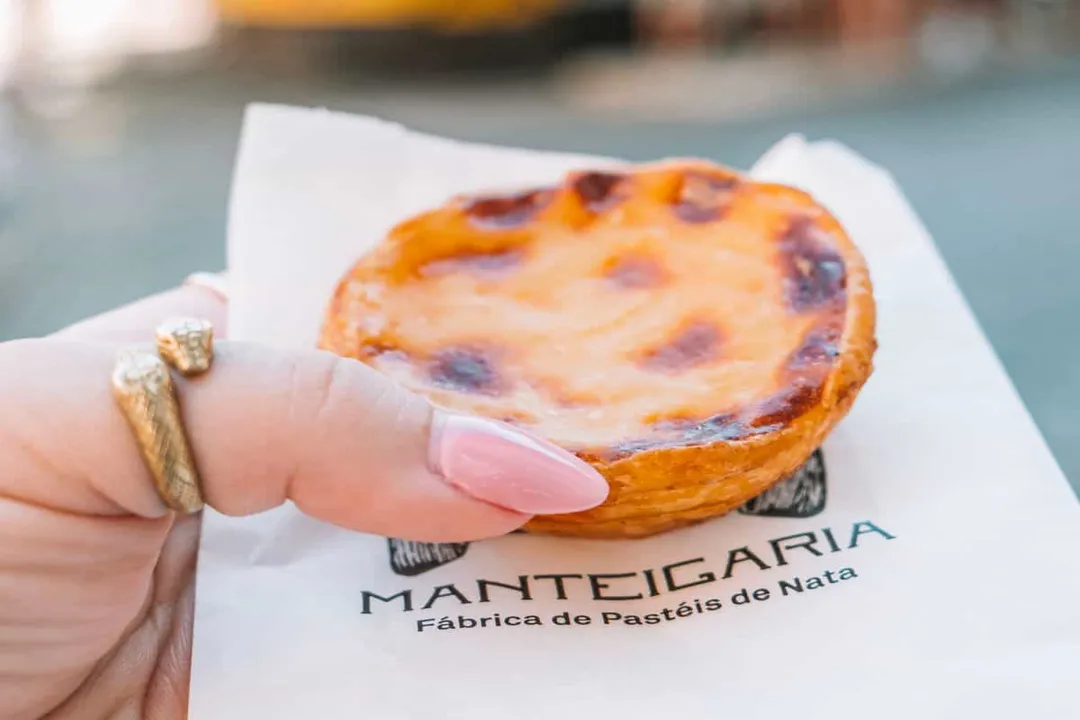
Though not a main course, no discussion of Portuguese food is complete without acknowledging the one item that has transcended national borders to become a global ambassador: the Pastel de Nata. This small, flaky puff pastry tart filled with rich, creamy egg custard, often caramelized on top, has roots in the 18th century, created by monks at the Jerónimos Monastery in Lisbon to use surplus egg yolks.
While the original recipe is patented as Pastéis de Belém, similar versions called Pastéis de Nata are found everywhere, from specialized pastelarias to bakeries on nearly every block. The quality of the crust—ultra crisp and delicate—is often a point of contention between famous vendors like Manteigaria and Pastéis de Belém. The constant availability and near-universal appeal of this pastry suggest it might be the most frequently purchased sweet item across the entire country.
# Regional Reality
The concept of a single "most eaten" food becomes challenged when considering the strong regional identities of Portuguese cooking. While coastal areas prioritize seafood, the interior regions offer vastly different, rich culinary traditions.
For example, while bacalhau is popular everywhere, the famous Carne de Porco à Alentejana is rooted in the Alentejo region. Porto has its own undisputed champion: the Francesinha. This massive sandwich, layered with meats, covered in melted cheese, and drenched in a thick, tangy beer and tomato sauce, is less a meal and more a rite of passage in the northern city. It is a dish so important to Porto that visitors often make a pilgrimage specifically for it.
The strong regional specialization noted by visitors—where the best Francesinha must be eaten in Porto and the finest Leitão (suckling pig) in the Bairrada region—suggests that "most eaten" is a fluid concept dependent on geography. A resident of the north might consume sausages and pork dishes far more often than the salt cod that dominates national discussion, just as someone in the interior might prioritize game or heavy stews over Peixe Grelhado. The local context dictates the daily staple more than a generalized national inventory.
In essence, the answer to what is Portugal’s most eaten food depends entirely on the lens used for viewing the cuisine. If the measure is cultural weight and historical significance, it is Bacalhau. If the measure is the reliable, comforting presence in everyday meals, it is likely bread, perhaps accompanied by the ubiquitous Caldo Verde soup. If the measure is the most frequently celebrated seasonal item, sardines take the crown in the summer. Ultimately, Portuguese cuisine is characterized by this duality: deeply rooted, simple, daily sustenance existing side-by-side with iconic, historically rich dishes that define the national character.
#Videos
7 Must-Eat Portuguese Foods!! SARDINES + Egg Tarts in Lisbon ...
Related Questions
#Citations
29 Traditional Portuguese Foods to Try in Portugal
Portuguese Food: 25 Dishes to Try in Portugal (With Recipes)
Top 20 Must Taste Foods in Portugal - Catavino
15 Must-Have Traditional Portuguese Foods to Try on Your Next Trip
7 Must-Eat Portuguese Foods!! SARDINES + Egg Tarts in Lisbon ...
Food, Wine, and Dining in Portugal - Guiding Stars