omelette articles
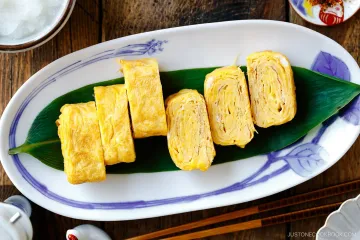
What texture characterizes dashimaki tamago when eaten immediately while hot?
Why might cooks slightly increase seasoning when preparing tamagoyaki for a bento?
What is the benefit of resting finished tamagoyaki on the board for ten minutes before slicing?
How does temperature affect the perception of sweetness in sweet tamagoyaki when eaten cold?
What is the primary reason tamagoyaki is engineered to taste good when fully cooled for a bento?
What textural characteristic is highly valued in a well-made, cold tamagoyaki slice intended for a bento?
When is the savory umami depth of dashimaki tamago best perceived?
In what setting are sweeter versions, sometimes called atsuyaki tamago, commonly served at room temperature?
Why do patterned rolls, such as the cherry blossom tamagoyaki, often require a short cooling period?
How do thicker cuts of tamagoyaki compare to thinner cuts regarding temperature retention?
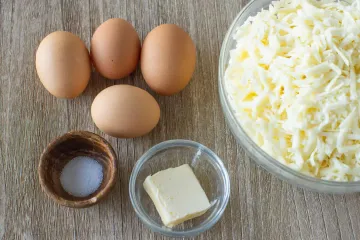
What is the standard egg count for a manageable, single-serving omelette according to most chefs?
What size non-stick skillet is specifically recommended for a two- or three-egg omelette preparation?
Why might fine salt be added to the egg mixture immediately before pouring rather than much earlier in preparation?
What is the primary goal regarding the exterior appearance of a classic French Roll omelette upon plating?
For the classic French creamy texture, what specific cooking motion creates the initial soft curds?
What negative outcome do proponents of strict egg preparation argue results from adding liquids like milk or cream?
What level of heat management is generally agreed upon as necessary for cooking an omelette successfully?
When is the correct timing to introduce fillings like cheese or herbs into the egg mixture before the final folding stage?
How does the resulting exterior texture and color typically differ in an omelette prepared using the American-style Half-Fold method?
What is the advanced technique involving adding a tiny pat of cold butter after the eggs are poured into the pan?
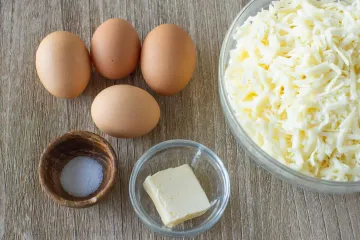
What characteristic distinguishes a classic French cylinder omelette versus the American fold?
Why is adding a pinch of salt recommended when seasoning raw eggs for an omelette?
What is the frequently cited ideal pan size for a single omelette using two to three large eggs?
What is the rule regarding raw fillings like un-sautéed onions in omelette preparation?
What simultaneous actions define the French agitation technique for developing fine, creamy curds?
When is the perfect moment to introduce eggs for a pale French omelette, based on butter condition?
At what stage should cooking be stopped for both omelette styles before folding?
What is the common recommendation for water addition when aiming for maximum fluffiness in an omelette?
What physical feature must a nonstick skillet possess to aid in cleanly sliding out the finished omelette?