Is refrigerated the same as frozen?
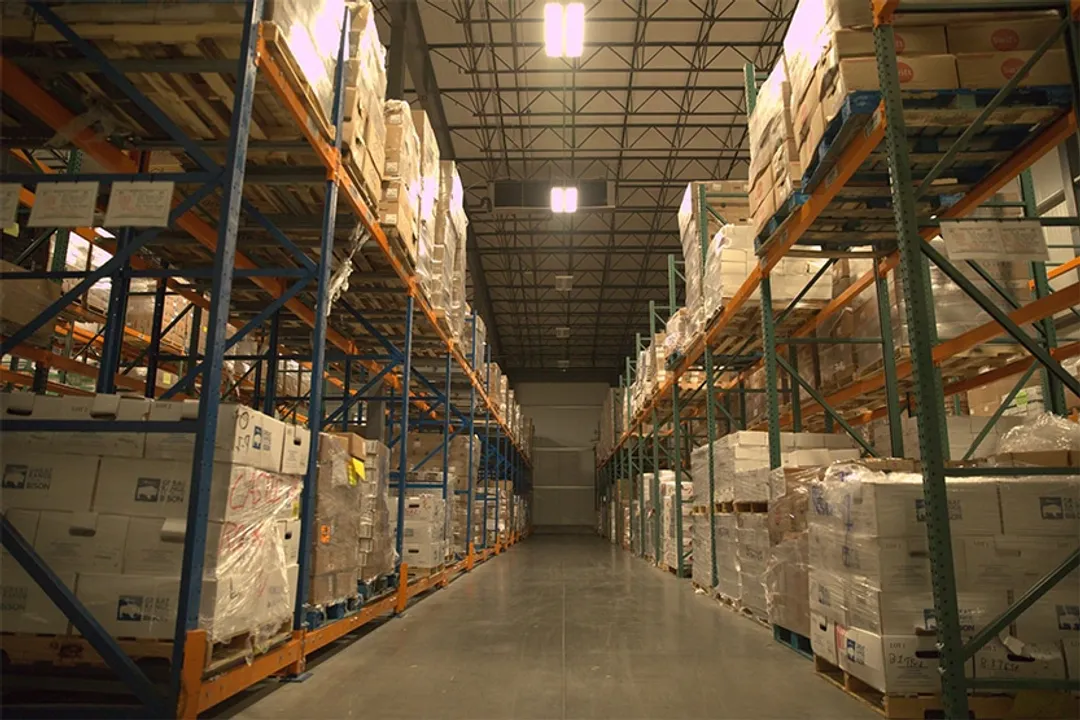
The notion that refrigeration and freezing are interchangeable concepts, merely points on a cold spectrum, is a common misconception that overlooks fundamental differences in food preservation science and appliance engineering. While both methods rely on extracting heat to slow down spoilage, the target temperatures are drastically different, leading to distinct impacts on microbial life, food structure, and long-term viability. Understanding these precise separations is key to minimizing food waste and ensuring safety, whether you are managing a home pantry or a complex cold chain logistics operation. [3][5]
# Defining Temperatures
The most immediate and concrete distinction between a refrigerator (or fridge) and a freezer lies in their operational temperature settings. These figures dictate everything that follows regarding preservation and safety. [3][7]
A standard refrigerator, designed for items intended for near-term consumption—like dairy, produce, and leftovers—operates in a relatively narrow band just above freezing. [7] The optimal temperature range for a refrigerator is typically set between $0$ and $4$ degrees Celsius, which translates to to . [3][7] For general food safety, guidelines strongly recommend keeping the internal temperature at or below.
Freezers, conversely, are engineered for long-term preservation, requiring temperatures significantly lower than the refrigerator section. [3][7] To effectively keep food frozen and meet safety standards for extended holding, a freezer must maintain a temperature of (which is ) or lower. [5] Maintaining this consistent, sub-zero environment is paramount; if the temperature rises too high, the food risks spoilage even if it remains frozen. [3]
This temperature difference is not arbitrary; it directly corresponds to the metabolic state of spoilage organisms.
# Microbial Activity
The primary goal of cold storage is to manage the activity of microorganisms—the bacteria, yeasts, and molds responsible for food spoilage and foodborne illness.
In the refrigerated zone ( to ), the cold merely slows the rate at which these microbes can reproduce and grow. [7] While this slowing buys valuable time, it does not stop the process entirely, meaning refrigerated food still has a definite expiration timeline before it becomes unsafe or loses quality. [2]
Freezing to acts as a near-complete halt. At these extremely low temperatures, the movement of molecules slows dramatically, pushing bacteria, yeasts, and molds into a dormant stage. This state prevents them from multiplying and causing food spoilage or illness. It is crucial to note, however, that freezing does not typically destroy these microbes; it only pauses them. Once the food thaws and warms up, these dormant microorganisms can reactivate, multiplying at the same rate they would on fresh food, necessitating immediate and careful handling.
For logistics providers dealing with sensitive items like pharmaceuticals or certain fresh foods, the packaging reflects this distinction: refrigerated packaging often relies on gel packs to maintain temperatures between and , whereas frozen shipments require much more potent cooling agents like dry ice to maintain sub-zero conditions for weeks or months.
# Quality Preservation
While safety is tied to stopping microbial growth, food quality—flavor, texture, and appearance—is related to physical and chemical changes within the food itself.
Refrigeration is gentler on the food's physical structure because it keeps the water content liquid. [5] However, for long-term holding, freezing is the choice, but it comes with inherent risks to texture if done improperly. When food freezes slowly, the water molecules have time to align and form large, disruptive ice crystals. These large crystals physically puncture cell walls, which results in significant moisture loss and textural degradation upon thawing—a phenomenon often visible as "drip" when thawing meat. Rapid freezing, conversely, creates tiny crystals that do less structural damage, keeping quality higher.
Furthermore, freezing only slows enzymatic activity—the natural processes (like ripening) that continue to degrade quality even in the frozen state. For many vegetables to freeze successfully and retain quality, they must first be partially cooked (blanched) to neutralize these enzymes before chilling and freezing. This chemical reality means that storing food in the freezer is not a true suspension of time, but rather a significant deceleration, with chemical processes continuing at a reduced rate. This is why freezer storage times are listed for quality, not safety.
A practical implication of this quality degradation is that certain foods simply fare poorly when frozen. Items like lettuce, mayonnaise, and cream sauces are notorious for separating, curdling, or becoming watery because of the physical stress of ice formation or emulsion breakdown.
# Shelf Life
The duration a product can be safely held differs dramatically between the two environments, distinguishing the function of a fridge from that of a freezer in both home and commercial settings. [7]
For home refrigeration, storage times are generally short, measured in days or weeks, as spoilage is only being delayed. For example, raw ground beef or poultry is generally safe for only one to two days in the fridge, while even raw, uncured ham lasts only three to five days.
In contrast, because freezing inactivates the primary causes of spoilage, food stored continuously at is considered safe indefinitely. However, this "indefinitely safe" status must be tempered by quality considerations. While you might eat a year-old steak that is technically safe, its flavor and texture may be noticeably compromised due to prolonged enzyme action or freezer burn. For instance, raw roasts might hold excellent quality for 4 to 12 months, while bacon and sausage quality fades much faster, typically within 1 to 2 months.
# Appliance Engineering
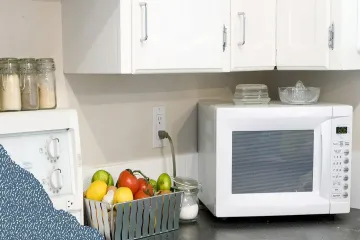
Beyond the contents, the appliances themselves are constructed with different priorities in mind, which affects efficiency and design. [3] A freezer is designed for long-term stability, often featuring thicker insulation than a refrigerator compartment to better resist external temperature fluctuations. [3]
In a typical home setup, the refrigerator section is accessed far more often than the dedicated freezer compartment. [3] Every time the fridge door opens, cold air escapes, forcing the compressor to work harder to restore the temperature, resulting in greater electrical consumption. [3] Stand-alone freezers, often being opened less frequently for bulk access, tend to be more energy efficient in daily operation, provided they are correctly set and maintained at . [3][7]
It is a common operational mistake to overstuff either unit, as excessive packing hinders the proper circulation of cold air necessary for maintaining the required temperature across all zones. [3] For commercial logistics, this engineering difference translates directly to cost; frozen storage solutions are typically 30% to 40% more expensive than refrigerated ones due to the higher energy demands and increased insulation complexity required to maintain sub-zero environments. [5]
This necessity for sustained, specific temperatures leads to a critical point when handling thawed products. Thawing food safely, ideally slowly in the refrigerator, restarts the quality clock. If a large item, like a turkey weighing five pounds, is thawed on the counter or in warm water, the exterior can quickly enter the Danger Zone ( to ) and allow dangerous bacteria to multiply, even while the center remains frozen. Treating thawed food as if it were fresh—cooking it immediately—is mandatory, highlighting that the safety advantage of freezing is only valid while the temperature remains consistently below the microbial threshold.
#Videos
Differences Between a Fridge and a Freezer - YouTube
Related Questions
#Citations
Frozen Storage vs. Refrigerated Storage - Denver - Mile Hi Express
What is the difference between a refrigerator and a freezer | LG Africa
Frozen vs. refrigerated : r/RimWorld - Reddit
Understanding the Differences Between Refrigerated and Frozen ...
Differences Between a Fridge and a Freezer - YouTube
Cold Food Storage Chart | FoodSafety.gov
Freezing and Food Safety