Are refrigerated and frozen the same?
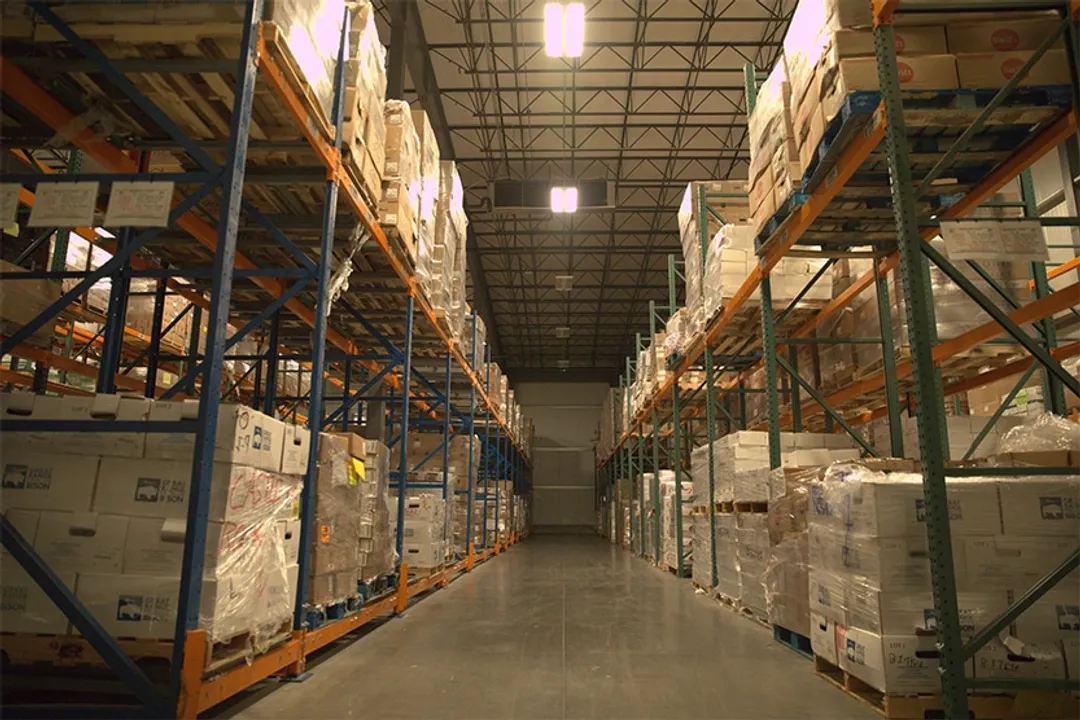
The decision of whether to stock up on refrigerated goods or rely on the deep freeze often comes down to perceived freshness versus convenience, but the true difference between these two storage methods lies far below the surface of the supermarket shelf. Simply put, refrigeration and freezing are not interchangeable; they represent fundamentally different strategies for preserving food, each with distinct implications for safety, texture, and nutrient retention. While both aim to slow down nature's clock, they do so using dramatically different mechanisms and temperature thresholds.
# Temperature Zones
The most critical distinction between these two systems is the actual temperature maintained. Refrigerated storage is designed to keep perishable items cool, slowing down microbial activity and general deterioration. Official guidelines for this cold environment generally stipulate a temperature of () or below. For commercial operations, the range is often specified slightly tighter, sitting between and ( to ). This keeps food safe, provided it is consumed within a short window, and prevents the formation of ice crystals.
Contrast this with the freezer, which operates at a much more severe level: () or below. This intense cold fundamentally changes how preservation occurs. At refrigerated temperatures, bacteria growth is slowed down, but it is not stopped entirely. However, at , the movement of molecules slows so significantly that most microbes enter a dormant stage. This is the core difference: refrigeration slows spoilage and pathogen growth, whereas deep freezing essentially pauses it.
# Safety Divide
When discussing food safety, the guidance for refrigerated and frozen items diverges sharply. For items kept in the refrigerator, the established time limits are intended to keep food from spoiling or becoming dangerous to eat. If food strays into the to "Danger Zone," bacteria can multiply rapidly.
In the freezer, safety is maintained almost indefinitely, provided the temperature stays at or below. Freezing keeps food safe because it prevents the growth of microorganisms responsible for both spoilage and foodborne illness. However, this safety is conditional: freezing inactivates microbes, but once thawed, they reactivate and grow at the same rate as microorganisms on fresh food, demanding immediate, proper handling. Even in cold storage, certain hardy pathogens, like Listeria monocytogenes, are known to potentially survive or even grow slowly, necessitating rigorous testing for frozen and refrigerated products alike.
For the consumer, this means safety is a duration issue in the fridge, but a handling issue once thawed from the freezer. For example, raw chicken stored in the refrigerator is typically good for only one to two days, but in the freezer, it is safe for up to 12 months. This highlights a key food industry consideration: products carrying a higher risk of contamination, like raw meat or seafood, benefit most from the near-complete stasis provided by frozen storage.
# Quality Impact
While safety dictates refrigerator time limits, freezer storage times are primarily listed for quality retention. This is where the physical process of freezing comes into sharp focus. Because many fresh items, such as produce, are composed mostly of water, the freezing process causes this water to form ice crystals.
Slow freezing creates large, disruptive ice crystals that damage cellular structure. When the food is thawed, this cellular damage results in texture compromise—produce becomes softer or mushier, and meats can "drip" and lose juiciness. To combat this quality degradation, commercial freezing relies on rapid techniques like flash freezing, which prevents large crystals from forming, ideally freezing a 2-inch-thick item completely within about two hours.
This trade-off between "fresh" and "frozen" quality is often misunderstood. Produce destined for the freezer section is typically picked at its peak ripeness, washed, cut, and frozen within hours, often using blanching (brief scalding) to lock in nutrients and color. Conversely, "fresh" produce in the grocery store is often picked before it is fully ripe so it can survive days in transit and on the shelf while ripening on its own. Considering this, it’s an interesting point that for certain out-of-season items shipped across vast distances, the flash-frozen alternative, captured at its absolute peak, might retain better levels of delicate nutrients like Vitamin C than the "fresh" equivalent that spent a week in a truck.
Enzymes, which drive ripening and deterioration, are only slowed down by freezing, not halted. In low-acid vegetables, this enzyme activity, if not managed, leads to deterioration, which is why most vegetables that freeze well require a quick blanching treatment before freezing.
# Shelf Life Contrast
The difference in preservation mechanism naturally leads to vast differences in how long products can be kept while maintaining acceptable quality.
| Product Type | Refrigerated (Max Quality/Safety) | Frozen (Max Quality) |
|---|---|---|
| Raw Ground Meats | 1 to 2 days | 3 to 4 months |
| Raw Steaks/Roasts | 3 to 5 days | 4 to 12 months |
| Cooked Leftovers | 3 to 4 days | 2 to 6 months |
| Raw Whole Poultry | 1 to 2 days | 1 year |
| Casseroles (After Baking) | 3 to 4 days | 2 to 3 months |
| Cooked Sausage | 1 week | 1 to 2 months |
| Bacon | 1 week | 1 month |
For businesses dealing with temperature-sensitive inventory, this longevity is strategic. Refrigerated storage is ideal for high-turnover items like daily produce deliveries, where the product moves quickly before quality significantly degrades. Frozen storage supports long-shelf-life items, allowing for bulk purchasing and reducing shrinkage from spoilage, even though the energy costs for sub-zero environments are generally $30%$ to $40%$ higher than refrigerated storage.
For the home cook, this means that while raw meat in the fridge must be used quickly, the same cut, properly wrapped, can safely wait in the deep freeze for almost a year while retaining excellent quality, though proper packaging to prevent air contact and freezer burn remains essential.
# Logistics and Processing
The supply chain handling for fresh versus frozen goods reflects their different preservation timelines. Because fresh items degrade quickly, their distribution relies on fast transport and proximity to the source. If you prioritize locally-sourced food, you are often choosing a product that spent less time traveling, potentially preserving its nutritional value.
Frozen food distribution, however, allows for wider sourcing because the product is preserved for months, not days. This flexibility in sourcing doesn't necessarily mean lower quality—it means the quality preservation point (the flash-freeze) happened far away rather than near the store. Furthermore, in the logistics world, frozen inventory often requires more robust infrastructure, including better insulation and higher energy consumption, impacting overall storage costs.
# Storage Best Practices
Whether managing a commercial cold chain or a residential freezer, certain universal practices maximize the benefit of the temperature chosen.
First, when freezing at home, aim for speed. To maximize quality and mimic commercial practices, never stack packages you intend to freeze; instead, spread them out in a single layer across different shelves until they are completely solid before grouping them. This rapid freezing minimizes the formation of large, quality-damaging ice crystals.
Second, temperature consistency is crucial for both. A reliable appliance thermometer should be present in both the refrigerator and freezer to confirm they are holding their correct set points, especially following power fluctuations. If the refrigerator section of a unit cannot reliably hold , it should only be used for short-term freezer storage, as its door is likely opened more frequently.
Finally, be aware of what does not fare well in either cold environment. Items that rely on emulsion stability, like mayonnaise or cream sauces, tend to separate and curdle when frozen. Similarly, fresh items with very high water content, like lettuce, are often cited as poor candidates for freezing due to texture loss upon thawing. For these items, the refrigerator is the superior, if temporary, solution. While some raw eggs can be frozen if beaten, they should never be frozen in their shells due to the risk of cracking.
Related Questions
#Citations
Frozen Storage vs. Refrigerated Storage - Denver - Mile Hi Express
Isitbullshit: Frozen/Refrigerated Food is as good as freshly cooked ...
Freezing and Food Safety
Fresh vs. Frozen Foods: Pros & Cons
Cold Food Storage Chart | FoodSafety.gov
Frozen & Refrigerated Foods - FSNS