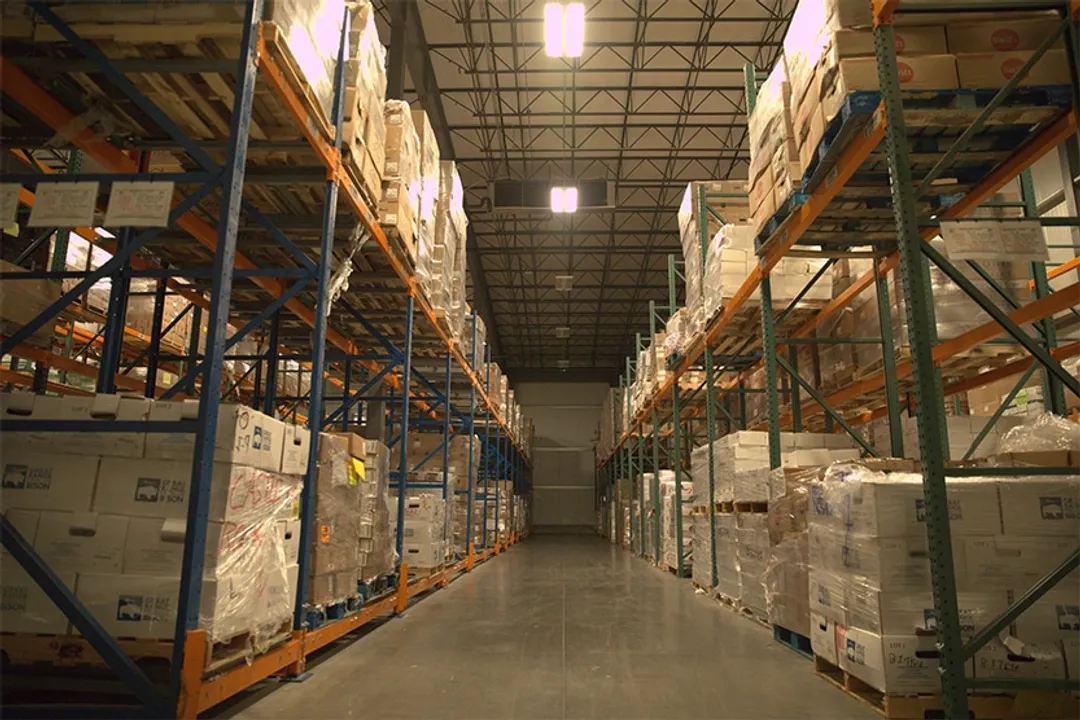
What physical result occurs when slow freezing creates large ice crystals in fresh items composed mostly of water?
This cellular damage results in texture compromise, often leading to softness or loss of juiciness.
The physical process of freezing significantly impacts the quality of water-rich foods due to the formation of ice crystals. When freezing occurs slowly, which often happens in suboptimal home freezers or during gradual temperature changes, the water within the food cells has time to organize into large, sharp ice crystals. These large crystals physically disrupt and damage the delicate cellular structure of the food item, such as produce or meat. Upon thawing, this structural damage manifests as a compromise in quality; for produce, this means it becomes softer or mushy, and for meats, it can cause excessive 'drip' loss, resulting in reduced juiciness and moisture retention. Rapid freezing techniques, like flash freezing, are employed commercially specifically to counteract this effect by forming tiny crystals that minimize cellular disruption.