Are eggs still considered dairy?
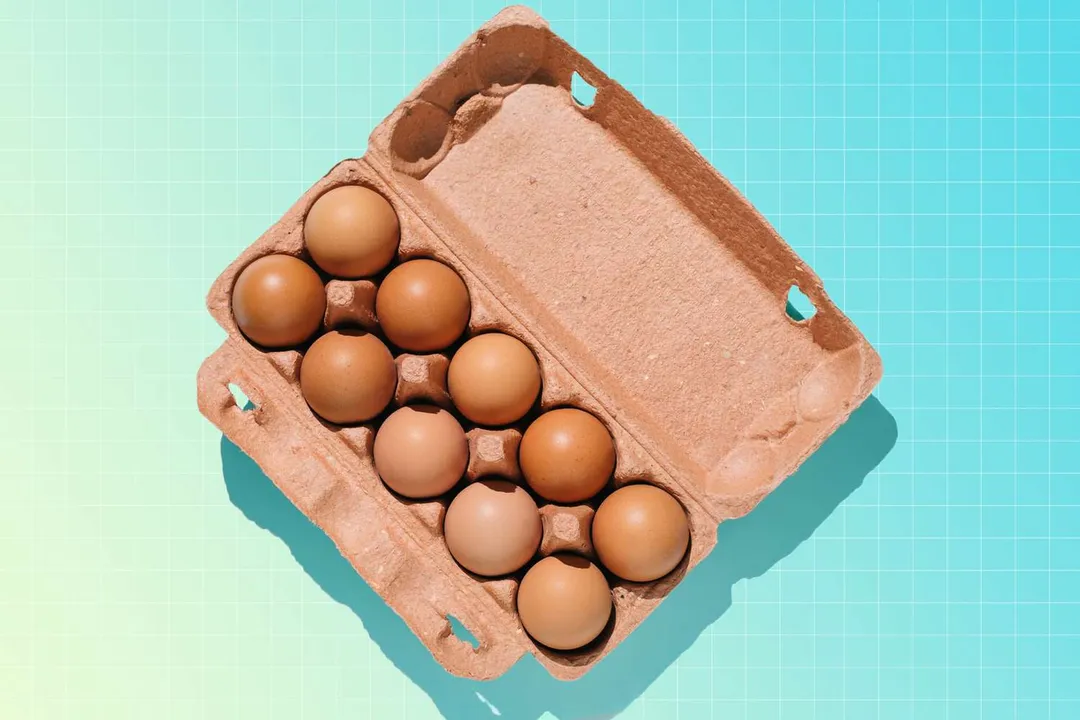
The simple truth is that eggs are categorically not dairy products, despite a persistent, widespread misunderstanding that crosses culinary, commercial, and even generational lines. For anyone navigating dietary restrictions, from managing a true milk allergy to adhering to a plant-based lifestyle, correctly identifying what falls into the dairy camp is not just a matter of semantics—it is essential for safe eating.
# Defining Dairy
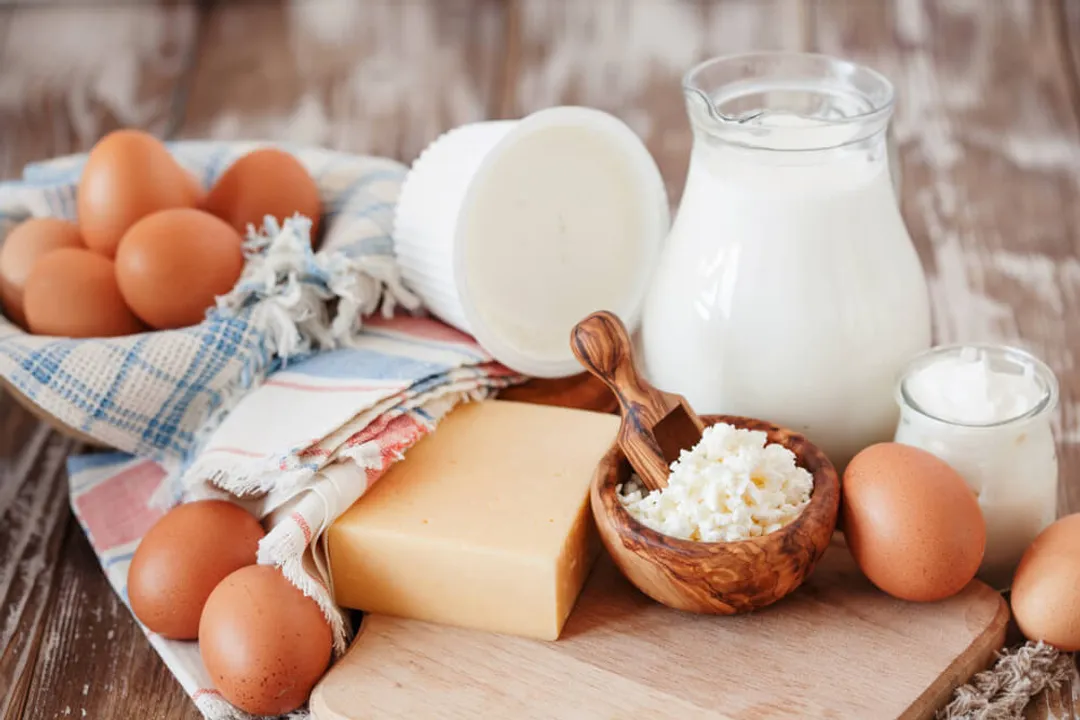
To definitively separate eggs from dairy, one must first establish what constitutes a dairy product. The culinary and nutritional definition of dairy centers entirely on the mammary glands of mammals. Dairy refers specifically to milk produced by mammals like cows, goats, or sheep, and any food product derived directly from that milk.
This means the category includes items such as:
- Milk itself
- Cheese
- Butter and Ghee (clarified butter)
- Yogurt and fermented milk products like kefir
- Cream
- Byproducts like whey and casein
Crucially, dairy products contain lactose, which is the main sugar found in milk, or milk proteins. About three-quarters of the global adult population loses the ability to properly digest lactose as they age, leading to intolerance symptoms if these milk components are consumed.
# Poultry Product
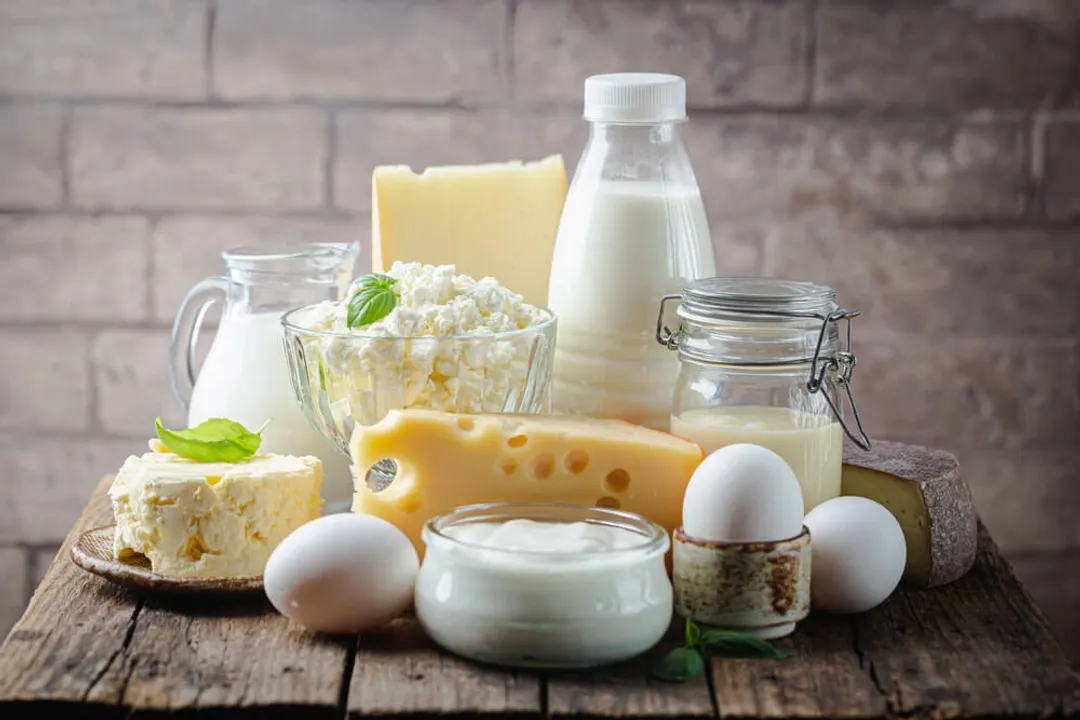
Eggs, on the other hand, have an entirely different biological origin. They are laid by female birds, such as hens, ducks, or quail, none of which are mammals and therefore do not produce milk. Because they originate from fowl, eggs are classified as a poultry product. While they are an animal byproduct, they are not meat (which is defined as the flesh of an animal).
Nutritionally, eggs are recognized for being a powerhouse of nutrition, offering good-quality protein, fat, and several vitamins and minerals in a relatively low-calorie package. For instance, a large egg contains roughly 6 grams of protein. The U.S. Department of Agriculture categorizes both eggs and dairy under the umbrella of protein foods, which is perhaps one of the first places the lines get blurred for the casual observer. However, they are distinct in composition: eggs contain virtually no lactose or milk protein.
# Retail Placement Puzzles
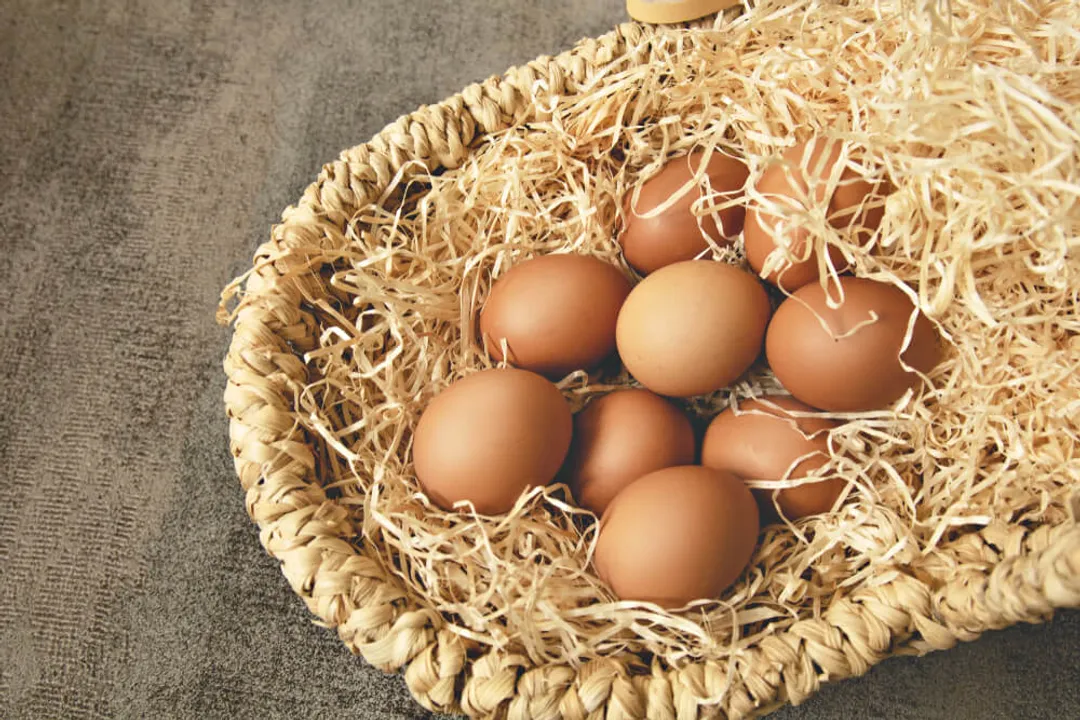
If the biological difference is so clear, why does the confusion persist so strongly that it remains a common debate? A significant driver of this error is simple retail logistics and tradition.
In the United States and Canada, eggs are almost universally found in the refrigerated dairy aisle, placed adjacent to milk, cheese, and yogurt. This proximity leads to a passive association where the physical location informs consumer understanding, causing people to learn or assume that eggs belong with dairy. The grocery store groups them together primarily because both products require continuous refrigeration for safety and freshness, especially in North America where eggs are washed before sale.
This logistical grouping overrides the taxonomic definition for many shoppers. One might observe that sunflower seeds are often stocked near potato chips in a snack aisle, but that placement does not suddenly make a seed a potato product; similarly, supermarket shelf placement does not change a bird's egg into a mammal's milk product. In other regions, such as parts of Europe, eggs are often not refrigerated (because they are unwashed) and might be found near baking ingredients, leading to different regional assumptions.
If we analyze the structure of grocery merchandising, the decision to place eggs with dairy stems from grouping perishable animal-derived foods that aren't categorized as meat (like chicken breasts or steak). This creates a functional, though scientifically inaccurate, third category for chilled animal inputs alongside meat and dairy. Historically, this grouping was reinforced because local producers—the "milkman"—often delivered both milk and eggs to consumers, solidifying the connection in older generations' memories.
# Dietary Implications

The distinction becomes critically important when considering specific dietary needs. For someone managing an intolerance or allergy, mistaking eggs for dairy can have serious health consequences.
People with lactose intolerance—the inability to digest milk sugar—can safely consume eggs, as eggs contain zero lactose. An individual must only avoid eggs if they also have a separate, distinct egg allergy. Similarly, someone diagnosed with an allergy to milk proteins can eat eggs without issue, provided they do not simultaneously suffer from an egg allergy. A common, yet dangerous, failure mode occurs in food service: a customer ordering a "dairy-free" meal may still be served eggs if the kitchen staff conflates the terms, leading to an allergic reaction that could have been entirely avoided if the basic definition of dairy was understood.
Furthermore, the misunderstanding often extends to veganism:
- Vegetarians often consume both eggs and dairy (ovo-lacto vegetarians), but many restrict dairy while still eating eggs.
- Vegans avoid all animal byproducts, meaning they exclude both eggs and dairy products.
If a label states a product is dairy-free, it still might contain eggs, and vice versa. For those following Kosher dietary laws, eggs are designated as pareve (neutral), meaning they are safe to consume alongside both meat and milk dishes, placing them outside the milchig (milk/dairy) category entirely.

# Conflicting Classifications
The lack of a singular, universally applied definition further muddies the waters. While the biological definition is absolute—dairy means milk—other frameworks have historically been less precise.
One notable source of past confusion, particularly in the US, was the food pyramid guidelines prevalent in previous decades. Numerous individuals recall being taught that eggs belonged in the dairy section of that visual guide. This institutional education, combined with supermarket placement, created a powerful cognitive shortcut: if the government structure taught it one way and the store shelves confirm it another, the technical definition is easily overlooked.
When a food item is categorized based on convenience or shared nutrient profiles—both being animal-based protein sources—rather than origin, it introduces ambiguity. It is similar to how tomatoes are botanically fruits but are almost universally treated as culinary vegetables; the context of use (cooking vs. taxonomy) dictates the label applied. However, in the context of allergies and intolerances, the biological definition must always take precedence over the culinary or commercial grouping, as it determines the actual molecular components being ingested. This necessity for precision underscores why professional food handlers need clear knowledge; a line cook confusing a "no dairy" ticket by adding an egg because they "came from the milkman's truck" demonstrates a failure in understanding the why behind the restriction.
# Consumer Takeaways
While the debate might seem trivial, the clarity that eggs are not dairy is fundamental for navigating modern food requirements. Dairy products stem from mammal milk; eggs come from birds.
For the everyday shopper, recognizing this clear biological division allows for better dietary management and more accurate reading of labels. If you see a product labeled "vegan," you can be certain it contains neither milk components nor eggs. If you are shopping for a dairy-free option due to an allergy or intolerance, you should still carefully check the ingredient list for casein, whey, or lactose, but you can generally assume that the carton of eggs sitting nearby is safe, provided you do not have a separate avian protein sensitivity. Ultimately, eggs are protein, poultry products, and a source of essential nutrients, but they are completely independent of the milk-based family that defines dairy.
Related Questions
#Citations
Are Eggs Considered a Dairy Product? - Healthline
Eggs apparently are a dairy product… : r/confidentlyincorrect - Reddit
Are Eggs Dairy? - Pete and Gerry's Organic Eggs
Are eggs dairy? Why people might think so - Medical News Today
Are Eggs Dairy? - EatingWell
What Is Considered Dairy & What Are the Dairy Alternatives?
Are Eggs Dairy? Why or Why Not? - Samsung Food
Wait, Are Eggs Dairy? - Food52
Are Eggs Considered Dairy? | Are Eggs Dairy or Not? - BlueCart