What is considered gastronomy?
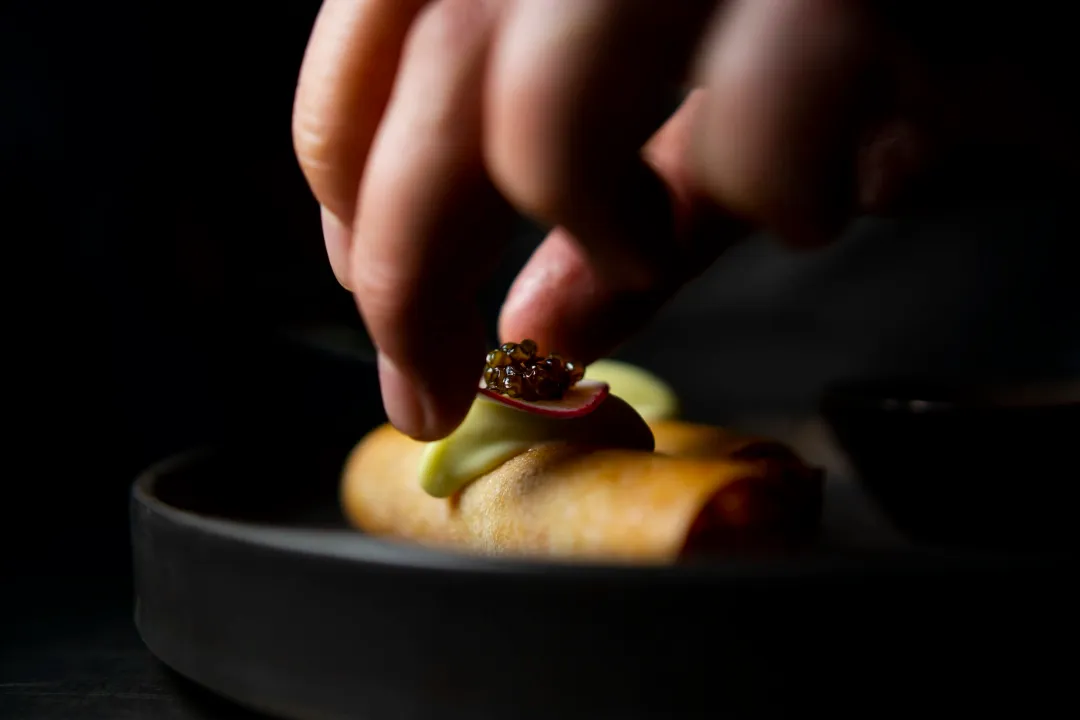
The practice and appreciation of fine eating and drinking encompasses far more than simply preparing or consuming a meal; it is an entire field of study dedicated to the relationship between food, culture, and history. At its widest, gastronomy is the art and science of good eating. [4][7] This pursuit moves past mere sustenance, delving into the meticulous selection, preparation, presentation, and enjoyment of food and beverages. [1][4][8] It requires an understanding of how these elements intersect with geography, tradition, and even chemistry. [1][3]
# Word Origin
The term itself provides a hint toward its broad meaning. The word "gastronomy" is derived from the Greek words gastér, meaning stomach or belly, and nomos, meaning law or rule. [1][7] In its earliest usage, it often referred specifically to the art of good eating, encompassing everything related to the pleasure derived from fine food. [1][4] Merriam-Webster defines it as "the art or science of good eating" or "the art or science of good eating and drinking". [2] Vocabulary.com frames it simply as "the art of eating well". [7] This linguistic foundation anchors the concept not just in the what (the food) but the how (the art and science) of the experience. [2][4]
# Discipline Scope
Gastronomy is not limited to the culinary arts practiced in high-end kitchens, although that is a visible expression of it. Fundamentally, it is a field of study that examines how food and culture intersect. [1] It touches upon history, anthropology, sociology, and chemistry. [1][3] For example, a gastronomist might study the historical trade routes that brought spices to a specific region, or analyze the chemical changes that occur when a classic sauce is prepared using modern techniques. [1][9] It seeks to understand the entire process, from the farm or producer to the final plate. [1][5]
The Association of Professional Chefs describes gastronomy as the art and science of food and drink, which includes "the study of the relationship between food and culture". [8] This suggests that understanding why certain foods are traditional in a specific area, or how a particular cooking method evolved, is just as important as mastering the technique itself. [1][9]
When considering its application, we see a clear division: there is the practical side—the actual cooking—and the academic or appreciative side—the study and understanding. [4][9]
# Cook vs. Scholar
A clear distinction exists between a cook and a gastronomist, though the roles frequently overlap, especially in the world of high cuisine. [3][4] A skilled chef possesses the experience and expertise to execute dishes perfectly, understanding ingredients and heat transfer through practice. [8] A gastronomist, conversely, brings a broader, often more academic lens to the subject. [9] They might document traditional recipes, analyze the nutritional or cultural impact of a diet, or research the socio-economic forces that shape local food production. [1][3]
In a discussion on food science forums, one perspective highlighted that while a great chef knows how to make a perfect meringue, a food scientist—a modern gastronomist, in effect—can explain why whipping egg whites works, detailing the protein denaturation process. [3] The chef masters the doing, while the gastronomist seeks to master the knowing behind the doing. [9]
| Aspect | Primary Focus | Skill Set | Output Example |
|---|---|---|---|
| Culinary Arts (Chef) | Execution and immediate pleasure | Technique, timing, ingredient handling | A perfectly prepared dish [8] |
| Gastronomy (Scholar/Enthusiast) | Understanding and context | Research, history, analysis, appreciation | A published treatise on regional cheese making [1] |

# Art Science
The dual nature of gastronomy—being both an art and a science—is central to its definition. [2][4][8] This duality is what gives the subject its depth and keeps it engaging for diverse practitioners, from scientists in a lab to home cooks experimenting with new flavor pairings. [3][9]
The art component involves creativity, presentation, sensory appreciation, and the pursuit of pleasure. [1][4] It is the subjective element, where taste, aroma, and visual appeal combine to create an experience that delights the diner. [1] This is the side celebrated by critics and celebrated chefs, focusing on innovation and aesthetic refinement. [4][8]
The science component grounds the art in observable, replicable principles. [3][9] This includes food chemistry, the understanding of flavor compounds, microbiology related to fermentation and preservation, and the physics of cooking temperatures. [1][3] This scientific basis allows techniques to be refined, standardized, and understood across different cultures, providing a common language for discussing food preparation. [9]
This blending means that true gastronomic appreciation requires one to enjoy the beauty of a dish while also understanding the scientific principles that allowed its textures and flavors to cohere. [3][9] For instance, understanding the Maillard reaction transforms the appreciation of a simple roasted vegetable from just enjoying its taste to appreciating the controlled chemical process that created those browned, complex flavors. [1]
# Cultural Role
Gastronomy is intrinsically tied to human civilization and identity. [1][5] Food traditions often serve as powerful markers of cultural heritage. [5] The dishes a society eats, the ingredients it prioritizes, and the rituals surrounding meals—from celebratory feasts to daily routines—are all subjects within gastronomy. [1][5]
Consider the sheer variety in how different cultures approach the same food group. While one society might revere fermentation for preserving cabbage through a long winter, another might view the same process as an unnecessary step, preferring the fresh crunch of raw vegetables. [1] Gastronomy seeks to understand the environmental, economic, and historical pressures that led to these divergent pathways. [5] It is, in essence, the study of culinary anthropology. [1]
One critical observation emerges when looking at global food systems: the concept of "good eating" is inherently contextual, making a universal, objective standard for gastronomy impossible to maintain. [9] What is considered high gastronomy in a landlocked region that relies on preserved meats and grains will look vastly different from the gastronomy of a coastal area rich in fresh seafood and tropical fruits. [5] The techniques, flavor profiles, and ingredient availability dictate the aesthetic standards of a region's culinary excellence. A classic French haute cuisine approach, for example, developed in a climate that necessitated preservation and rich sauces, may not be the most "gastronomic" pursuit in a region where simplicity and freshness are the dominant cultural values. [9] This localized expression of excellence adds layers of complexity to the study.

# Experience Appreciation
While the academic pursuit is vital, gastronomy is also meant to be experienced actively, not just studied passively. [4][8] It’s about paying close attention to the sensory details of what is consumed. [4]
For the everyday enthusiast looking to engage more deeply with gastronomy without enrolling in a culinary school, the process involves conscious consumption. This is less about the price tag and more about the intention behind the meal. [3] You can begin practicing basic gastronomic awareness at home by adopting a few simple habits.
First, start ingredient sourcing with heightened curiosity. Rather than grabbing the first container of tomatoes, seek out varieties known for their unique flavor profiles, perhaps locally grown heirlooms, and pay attention to how their taste differs from mass-produced options. [5] Second, engage all your senses when plating, even for a weeknight dinner. Does the sound of the sear enhance the anticipation? How does the cooling process affect the aroma of your cooked greens? This methodical observation is a fundamental part of gastronomic appreciation. [4] Finally, try to intentionally pair things that might seem unusual but whose underlying chemical profiles complement each other—a splash of acid to cut through fat, or a bitter element to balance sweetness. [3][9] This conscious pairing is the bridge between simple eating and thoughtful gastronomy.
In essence, gastronomy elevates the mundane act of eating into an intellectual and artistic pursuit. [4][8] It acknowledges that food is culture, history, science, and pleasure all mixed together in a bowl. [1][5] It is a constant dialogue between the practical chef and the curious observer, ensuring that the traditions and innovations surrounding what we eat are never taken for granted. [4][9]
Related Questions
#Citations
Gastronomy - Wikipedia
GASTRONOMY Definition & Meaning - Merriam-Webster
What is gastronomy? : r/foodscience - Reddit
Gastronomy | Description, History, & Cuisine | Britannica
Everything you should need to know About Gastronomy - Nutri Gastro
What is gastronomy and its cultural significance? - Facebook
Gastronomy - Definition, Meaning & Synonyms - Vocabulary.com
Gastronomy: Exploring Types and Status in Society
What is Gastronomy? - Boston University