What does gastronomy include?
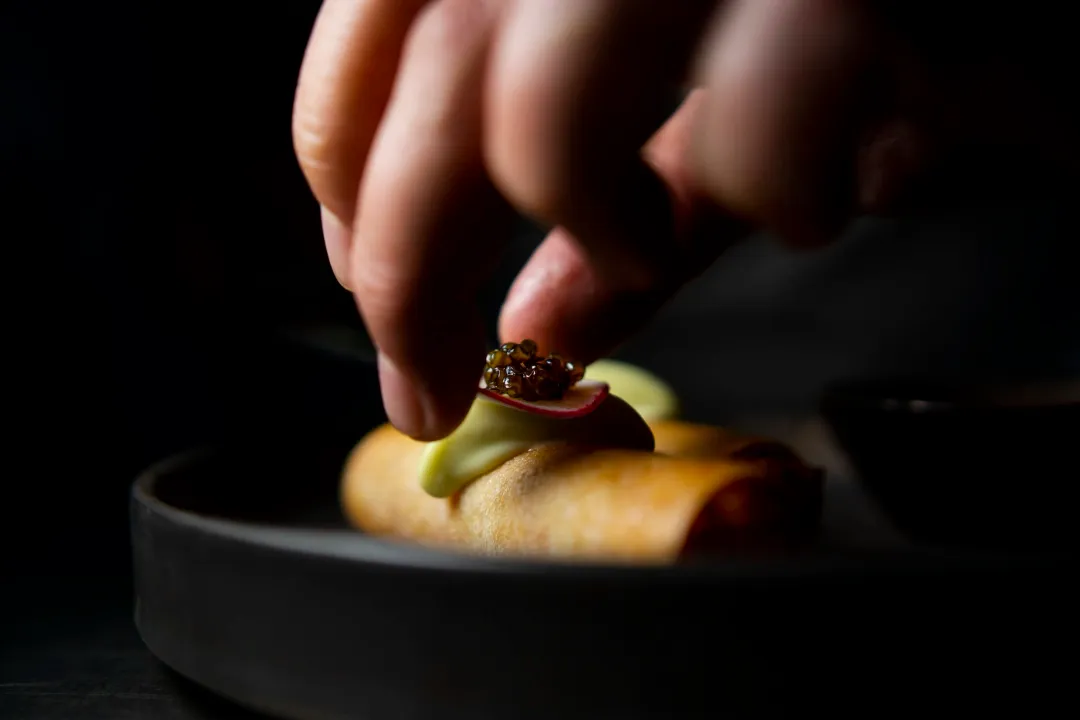
Gastronomy is far more extensive than simply the act of cooking or eating; it is the dedicated study of the relationship between food and culture, often characterized as the art and science of good eating. [4][6][9] The concept encompasses a vast array of considerations, including the selection, preparation, service, and enjoyment of fine food and drink. [1][4] Historically rooted in the pursuit of pleasure, this discipline engages both the body and the mind through sensory appreciation, intellectual curiosity, and social connection derived from the act of consumption. [1][3] The term itself entered the French language officially in 1835, yet its foundations trace back much further, involving everything that relates to how humanity nourishes itself. [1][2]
# Study Range

At its expansive core, gastronomy is concerned with the entire ecosystem surrounding food. [3][6] It is an interdisciplinary field that looks at how food choices reflect social class, living conditions, politics, economics, and environmental factors across different societies. [6] Gastronomic knowledge requires an educated appreciation for the sensual pleasures food provides, while simultaneously delving into its cultural heritage, historical origins, flavor nuances, preparation methods, and the specific context in which it is consumed. [1] This deep dive into context is why food and drink are recognized as central components within the broader hospitality sector, as dining involves a complex weave of cultural, social, and economic exchanges. [1][8]
One fundamental concept linking food to its origins is terroir, a French term initially used in winemaking to denote the “taste of place”. [1] Terroir encapsulates the unique interaction between the physical environment—soil, climate, biodiversity—and the cultural practices that shape an edible product’s distinctive flavor profile. [1] When this concept is abstracted, promoted, and used for regional identity building, it results in what folklorist Pauline Adema calls a foodscape. [1] The World Tourism Organization (WTO) reinforces this territorial link, stating that understanding a destination’s landscape, culture, products, techniques, and dishes is essential for defining its culinary identity. [1]
# Gastronomy Divisions
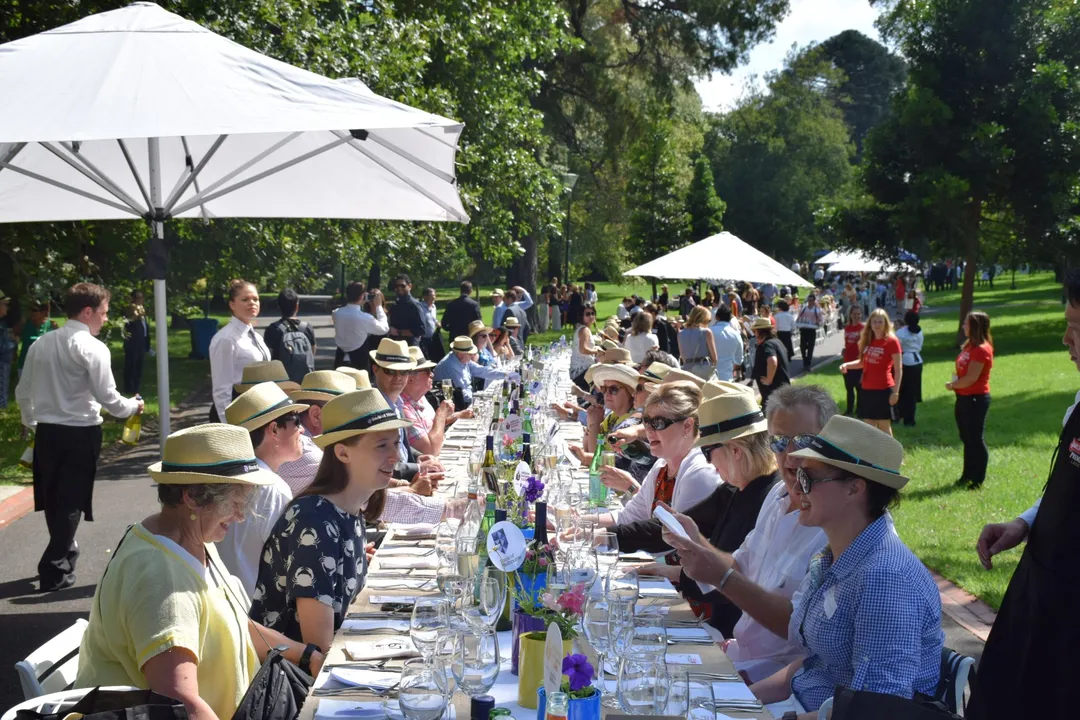
To manage such a broad subject, gastronomy is often broken down into several specialized categories that address different facets of the culinary world. [3]
- Practical Gastronomy: This involves the hands-on art and science of preparing, producing, and serving food and beverages, adhering to specific techniques and standards that result in visually appealing, culturally accurate dishes. [3] This area involves chefs, sommeliers, and service staff who transform raw ingredients into complete dining experiences. [3]
- Theoretical Gastronomy: Integral to the practical side, this component focuses on the systems, processes, and knowledge that underpin food preparation, documented in everything from recipes to detailed critiques. [3] It provides the planning structure for creating successful menus and dishes. [3]
- Technical Gastronomy: This shifts the focus toward systematic evaluation, balancing small-scale artistry with mass production needs. [3] It includes menu engineering, evaluating new production methods (like sous-vide), assessing equipment suitability, and ensuring the safety and efficiency of food systems. [3] Research and development technicians often work in this area. [3]
- Food Gastronomy: This is the study of food and beverage origins, critically including the art of harmonizing drinks, especially wine, with food to maximize the overall sensory experience. [3]
Beyond these traditional divisions lies Molecular Gastronomy, which is a newer scientific discipline focusing specifically on the physical and chemical transformations that occur during the cooking process. [4][5] This scientific approach allows for experimentation with textures and presentations, utilizing additives to create novel forms like pearls or gels. [5] The existence of terms like neurogastronomy further illustrates how the field intersects with brain science to study food perception. [2]
It is interesting to note the tension between the practical execution and the theoretical documentation of cooking. While theoretical gastronomy provides the blueprint, the pursuit of the "best possible account" of nourishment, as Brillat-Savarin described it, requires situated knowledge. [2] For instance, a meticulously plated molecular creation might be the "best" expression of high-end dining, but a simple can of preserved food might represent the best possible outcome when considering immediate physiological needs and security, highlighting that gastronomic quality is situationally dependent. [2] This inherent duality suggests that a truly masterful gastronome must be adept at both the technical execution of a recipe and the philosophical understanding of when that recipe is appropriate.
# Food Identity

Gastronomy is perhaps strongest as a cultural force, capable of transcending linguistic differences to define peoples and nations. [4] The evolution of cuisine across centuries demonstrates how food acts as a mirror to its time. [7][6] For example, ancient Greek dining focused on nourishing the spirit alongside the body, often accompanied by music, reflecting an Epicurean philosophy of pleasure through restraint. [4] Conversely, Roman banquets often descended into excess and ostentation, valuing exoticism over refined sensitivity. [4]
Western gastronomy, particularly French grande cuisine, developed a highly structured and logical system, codified by chefs like Escoffier, where sauces and dish sequences had defined rules. [4] This structure contrasts sharply with the later nouvelle cuisine movement, which reacted against Escoffier’s rigidity by championing simplicity, shorter cooking times, and ingredient focus—a philosophy echoed in Japanese kaiseki, which prioritizes seasonal ingredients and compatibility (aishō). [4][8]
In China, gastronomy developed around the balance of fan (grains) and cai (meats/vegetables), adhering to yin-yang principles concerning food humors and temperatures. [4] This level of systematic thought in cuisine demonstrates that what is considered "good eating" is deeply embedded in a civilization’s worldview, whether it be the spice-forward nature of Sichuan cooking or the careful visual arrangement inherent in Japanese presentation. [4]
# Travel Appetite
The economic and experiential dimensions of gastronomy have coalesced into the recognized sector of gastronomic tourism. [1] This sector, which saw estimated global revenue of 11.5 billion U.S. dollars in 2023, focuses on the intentional practice of deriving pleasure from eating while connecting with the origins of the meal. [1] Gastronomic tourism is defined by the UNWTO as an activity based on knowing, learning, eating, tasting, and enjoying the gastronomic culture identified with a specific territory. [1]
This form of travel moves beyond simple service provision to the curation of experiences, often involving visits to producers, festivals, cooking classes, or food trails aimed at crafting a unique culinary identity for a destination—a foodscape. [1] For destinations, developing this identity through local food and drink strengthens community pride, preserves cultural heritage, and acts as a potent economic driver, especially for rural areas. [1][6] Travelers in this niche often seek experiences that stress learning, aesthetic appreciation, cultural authenticity, and creativity. [1]
It is interesting to observe that the modern structure of gastronomic tourism often mirrors historical culinary development. Just as the French grande cuisine established formal hierarchies for service and menu design, modern gastronomic destinations must deliberately structure their offerings—from farm visits to tasting sequences—to deliver a satisfying educational and pleasurable narrative to the visitor. [1][4] The challenge for destinations lies in making this structured promotion feel authentic and deeply rooted in their actual terroir. [1]
# Evolving Focus
The definition of gastronomy continues to expand, moving away from the historical elitism often associated with haute cuisine. [3] In contemporary practice, the focus is rapidly shifting toward greater responsibility and connection with the source. [7][8] Chefs are increasingly seen not just as artists, but as cultural trendsetters influencing broader consumer habits. [8]
A major theme driving this evolution is sustainability and seasonality. [6][8] Many leading chefs are launching their own vegetable gardens, prioritizing produce that commands the central role previously reserved for protein. [8] The philosophy is becoming one of less is more, focusing on uncomplicated dishes that allow the exceptional quality and natural taste of local, seasonal ingredients to shine through without artifice. [8] This focus on respectful sourcing aligns with broader movements like farm-to-table and has even been recognized by bodies like the Michelin Guide, which awards Green Stars for such environmental engagement. [6][8]
This modern commitment extends beyond the plate to encompass waste reduction, energy savings, and promoting local sourcing, giving gastronomy a "humanistic dimension" and lifestyle context. [8] Furthermore, as an art form, it is continually being challenged to adapt, whether through the introduction of new ingredients from global migration or the embrace of new technology. [7][9]
While the grand concepts—food science, cultural immersion, and global tourism—define gastronomy in the abstract, its value ultimately rests in its ability to elevate the everyday act of eating. [3] The principles used to refine grande cuisine or develop a regional foodscape can be scaled down and applied immediately. For example, understanding the concept of terroir encourages one to choose ingredients based not just on price or convenience, but on where they were grown and how that specific environment impacts their flavor, regardless of whether one is preparing a tasting menu or a simple weeknight meal. [1] Embracing the tenets of gastronomy transforms eating from a mere biological necessity into a mindful, culturally aware, and sensory celebration. [1][3]
Related Questions
#Citations
Gastronomy | Description, History, & Cuisine | Britannica
Gastronomy: Exploring Types and Status in Society
Everything you should need to know About Gastronomy - Nutri Gastro
What is gastronomy? : r/foodscience - Reddit
Gastronomy | Research Starters - EBSCO
Gastronomy | UN Tourism
Gastronomy, a reflection of its time - Troplong Mondot
2.1 Gastronomy – Introduction to Hospitality
The Art of Gastronomy Food - Swiss German University