What are the main types of gastronomy?
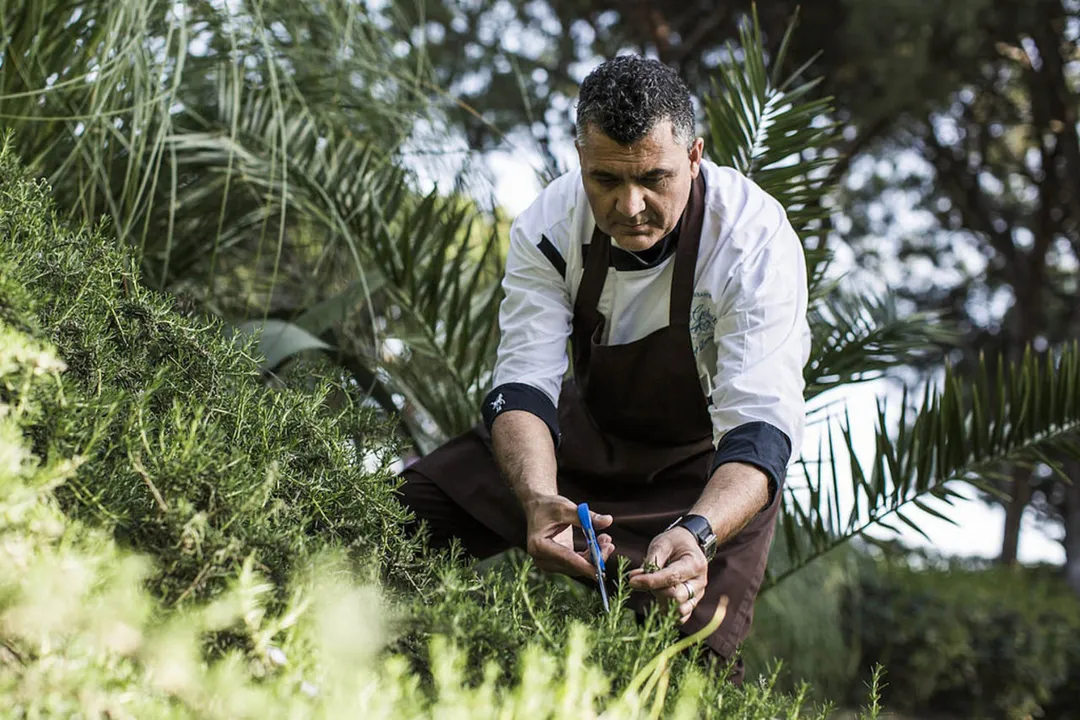
Gastronomy, at its heart, is the study of the relationship connecting food with culture and tradition. It encompasses far more than just the act of eating; it is the entire culture surrounding food production, preparation, selection, service, and appreciation. This discipline delves into the art of preparing rich, delicate, and appetizing food, alongside the science behind good eating and the specific cooking styles associated with particular regions. One who masters the theory and practice of this study is termed a gastronomist.
# Conceptual Study
The field of gastronomy is inherently interdisciplinary, covering everything from the cultivation of ingredients to the societal norms of dining. To better categorize this broad field, various approaches or types of gastronomy have emerged, focusing on different aspects of the food experience.
One fundamental split is between the practices that look backward and those that look forward scientifically. Traditional Gastronomy centers on preserving and honoring the cooking techniques and recipes that have been passed down through generations, placing high value on regional ingredients and established culinary methods. Examples include the meticulous preparation of sushi in Japan or the creation of classic Italian pasta.
In contrast, Molecular Gastronomy applies scientific principles—specifically the chemistry and physics of food transformation—to create novel forms and flavors. This approach has been associated with the use of new cooking technology, such as creating Panko bread by passing an electric current through dough during baking. While the focus of molecular gastronomy itself may have seen a decline, its innovative spirit often inspires modern menus. A related concept, Technical Gastronomy, focuses on the practical how-to knowledge, such as mastering specific recipes or operating cooking equipment.
Other significant classifications reflect culinary philosophy. Nouvelle Cuisine, which arose in reaction to overly codified styles, prioritizes light, airy meals, creative plating, and a focus on the inherent flavors of the products, often using reductions instead of heavy sauces. Conversely, the Farm-to-Table Gastronomy movement emphasizes sustainability and freshness by establishing a direct relationship between the producer and the plate, focusing on seasonal, locally-sourced produce and meats.
When these distinct traditions meet, Fusion Gastronomy emerges, creating hybrid foods by merging the flavor profiles and techniques of different national cuisines, giving rise to creations like Korean tacos or Tex-Mex. Furthermore, the growing demand for ethically conscious eating has given rise to Vegan and Plant-Based Gastronomy, dedicated entirely to meals free of animal ingredients. The study of gastronomy, therefore, is not static; it involves navigating the tension between honoring the past—as seen in the codified grande cuisine of 19th-century France—and embracing philosophical revolutions like nouvelle cuisine that sought to break those very rules.
# Global Cuisines
Beyond these conceptual approaches, the most tangible expression of gastronomic type is found in the world's national and regional cuisines. These distinctive styles are shaped by climate, economics, religion, and history, weaving together the cultural fabric of a geographic area.
# French Expression
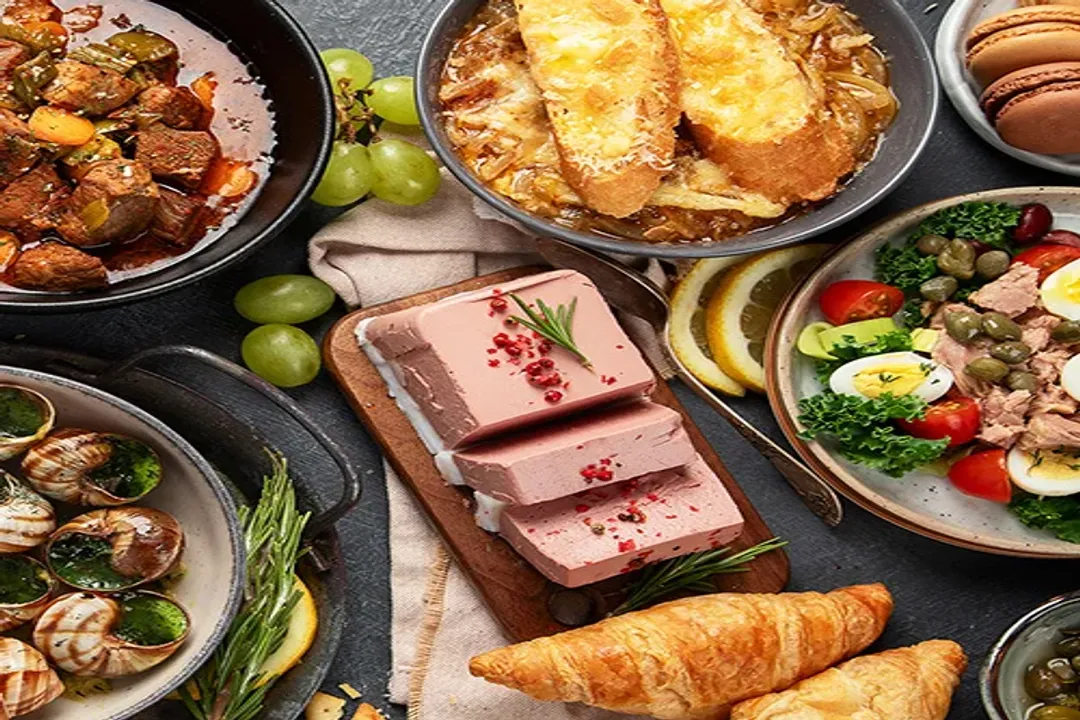
French cuisine is widely regarded as a cornerstone of global gastronomy, recognized for its sophistication, meticulous technique, and deep respect for tradition. Historically, the development of grande cuisine was formalized by chefs like Marie-Antoine Carême and later codified by Auguste Escoffier. This system relies on a structured hierarchy, famously using the foundational mother sauces derived from fonds de cuisine (stocks). Key flavor components include butter, cream, herbs, and wine. Regional differences exist, from the hearty stews of the North like coq au vin to the coastal seafood preparations like Bouillabaisse. The refinement introduced by Catherine de Médici during the Italian Renaissance permanently shifted the focus toward enhancing, rather than masking, the natural flavors of the ingredients.
# Chinese Depth
Chinese cuisine boasts a history spanning millennia, characterized by the balance of five fundamental flavors: sweet, sour, salty, pungent, and bitter. A core principle is the harmony between fan (grains/rice) and cai (meat/vegetables), coupled with the Daoist yin-yang balance of food temperatures. The cuisine is divided into several great schools. For instance, Sichuan cuisine is distinguished by its fiery use of indigenous hot peppers. In contrast, Cantonese cuisine, perhaps the most familiar to Westerners, emphasizes fresh ingredients and delicate flavors, utilizing exotic items alongside staples like roast pork. Preparation heavily features stir-frying in a wok, steaming, and braising.
# Italian Regionality
Italian gastronomy is defined by its diverse regionality, often contrasted by staple ingredients: rice and butter in the North, and pasta and olive oil in the South. The quality of raw ingredients often supersedes technique complexity. While the world recognizes dishes like pizza (from Naples) and vast varieties of pasta asciutta (dried noodles), the regional variations are crucial. Bologna is famed for rich egg pastas like tortellini, while Florence celebrates its bistecca alla Fiorentina. Southern gastronomy, like that of Naples, relies heavily on robust tomato sauces and mozzarella.
# Japanese Artistry
Japanese cuisine champions presentation, delicacy, and seasonality. A pinnacle is kaiseki, the highest form of dining, which seeks perfect aishō (compatibility) across a series of small, artfully simple dishes designed to highlight local ingredients. Staples include rice, fish, soy sauce, and seaweed. Key preparations feature fish, which is eaten raw as sashimi, deep-fried as tempura (a technique introduced by 16th-century Portuguese traders), or served with vinegared rice as sushi. The meticulous Chanoyu, or tea ceremony, reflects this dedication to calculated harmony, where even the setting and conversation are integrated into the sensory experience.
# Defining Global Denominators
To illustrate how geography shapes these distinct types of gastronomy, one can observe the primary structural ingredient or flavor agent that binds regional cooking styles together.
| Gastronomic Region | Core Staple/Dominant Flavor Profile | Key Cooking Method Examples |
|---|---|---|
| Latin America | Corn (Maize) | Grilling, Frying |
| Mediterranean | Olive Oil | Grilling, Roasting |
| Northern Europe | Wheat, Butter/Cream/Lard | Roasting, Stewing |
| Southeast Asia | Coconut, Rice, Ginger/Chili | Stir-frying, Grilling |
| Indian Subcontinent | Cumin, Coriander, Spices (Curry/Garam Masala) | Tandoor Baking, Frying |
This comparison underscores that while the practice of gastronomy (selection, preparation) is universal, the type is dictated by local biomes and trade accessibility.
# Other Major Traditions
Many other traditions form significant, distinct types of gastronomy across the globe.
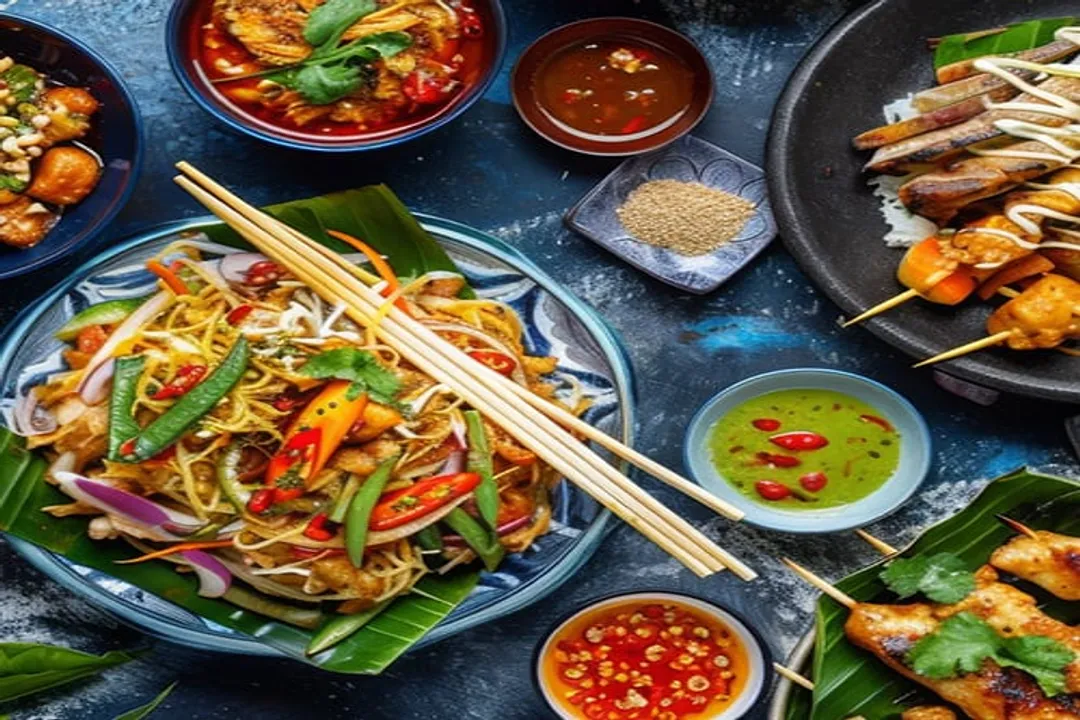
Thai Cuisine is famous for its intricate balance of sweet, sour, salty, and spicy notes, achieved through ingredients like lemongrass, galangal, kaffir lime leaves, and fish sauce. Thai rulers historically maintained an active interest in gastronomy, leading to complex flavor subtleties that often surpass those in neighboring Southeast Asian countries.
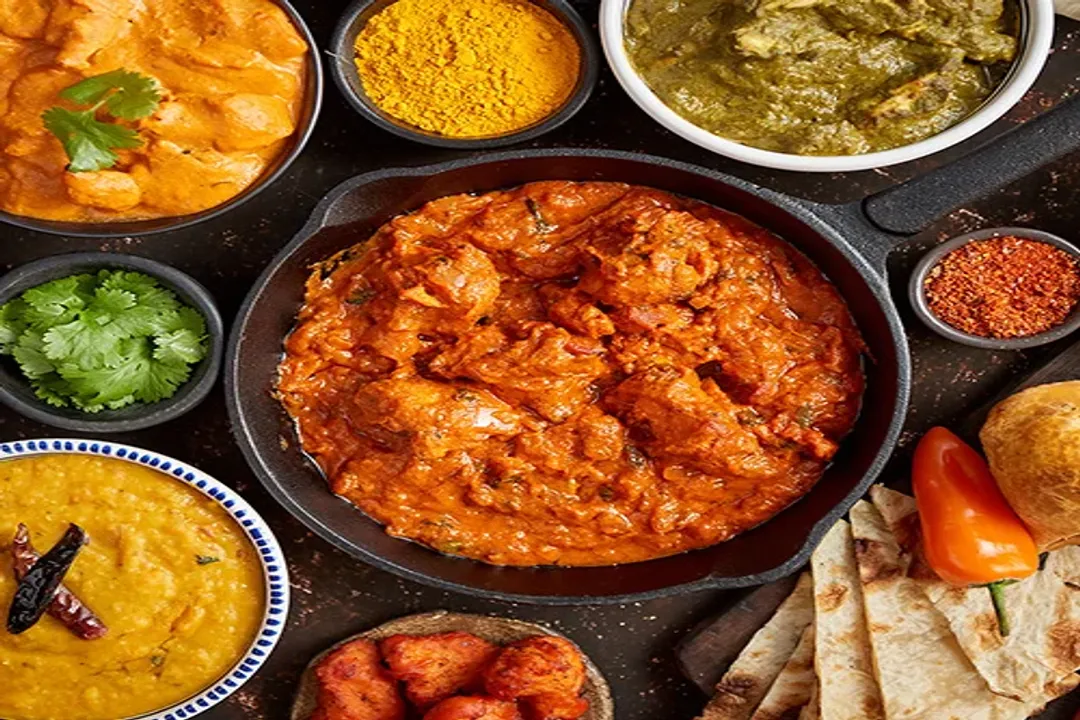
Indian Cuisine is marked by the imaginative and generous use of spices, evident in dishes flavored with garam masala or various curries. While Northern India focuses on lamb preparations like kebabs (influenced by Mughal history), Southern India features fiery dishes seasoned with fresh chili peppers. The cuisine is also noted for developing one of the world's greatest vegetarian traditions using pulses, cereals, and rice.
Mexican Cuisine has corn as its central feature, forming staples like tortillas and tamales. Flavor is heavily influenced by various chilies, alongside tomatoes, beans, and avocados. Regional styles, such as Oaxacan cuisine known for complex moles, showcase distinct approaches within the national style.
Middle Eastern Cuisine emphasizes hospitality, often served through an array of small appetizers known as mezze. Lamb is the staple meat, and common ingredients include chickpeas, olive oil, garlic, and spices like cumin and sumac. Turkish influence is strong across the former Ottoman regions, evident in dishes like dolma and baklava.
Spanish and Portuguese cuisines share traits like the reliance on olive oil, though regional specialties abound. Spain is internationally known for paella and the social tradition of tapas. Portuguese food tends to be slightly richer and spicier, absorbing influences like the honey-almond pastries left by the Moors.
British Cuisine focuses on hearty fare, with roasting and stewing as common methods. Iconic dishes include roast beef with Yorkshire pudding, and the ubiquitous fish and chips. Beyond the main meals, the tradition of afternoon tea—featuring scones, finger sandwiches, and baked goods—is an important ritualized subset of this gastronomy.
African Cuisine is remarkably diverse, utilizing staples like maize, sorghum, millet, and cassava depending on the region. West African cooking often features cassava and plantains, while North African tradition centers on couscous. Ethiopian doro wot served with injera (a sour teff bread) and Moroccan tagines (slow-cooked stews) represent the depth of stewing traditions across the continent.
# Cuisine and Culinary Art
Whether a nation follows the highly structured approach of French grande cuisine or the philosophy-driven style of Japanese kaiseki, the goal of gastronomy remains the disciplined appreciation of flavor and experience. A chef seeking expertise must understand that mastering one cuisine is only one path; true understanding comes from recognizing these varied global expressions as different, yet equally valid, answers to the fundamental question of how humans should select, prepare, and enjoy their sustenance. For example, an American chef aiming to innovate might analyze the texture-building techniques of French roux and compare them to the starch-thickening methods found in Chinese sauces to create a hybrid that offers novelty without sacrificing structural integrity, an analysis rooted in technical gastronomy. The world's gastronomic landscape is best understood not by a single definition, but by charting the thousands of unique solutions found in every culture.
Related Questions
#Citations
Gastronomy
14 Examples of Gastronomy
Types of Cuisine: Understanding Global Food Cultures
Exploring the World of Gastronomy: Types and Trends
Gastronomy | Description, History, & Cuisine