Is Alaska Pollock considered a good fish?
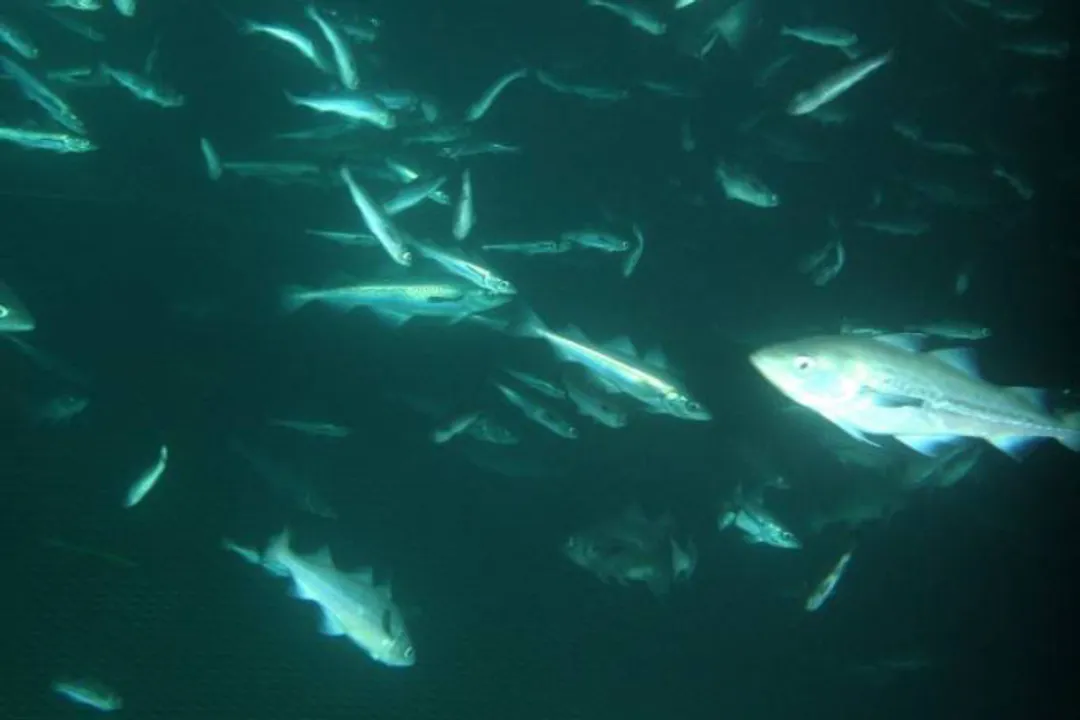
That flaky, mild white fish frequently found in the frozen aisle, often simply labeled "whitefish" or serving as the base for everything from fish sticks to imitation crab meat, is most likely Alaska Pollock. Its massive presence in the global food supply chain often leads consumers to wonder exactly what they are eating and whether this ubiquitous catch warrants a spot in a healthy diet. Understanding its value requires looking past its low price tag and examining its origins, nutritional profile, and versatility in the kitchen. [5][6]
# Origin and Scale

Alaska Pollock, scientifically Gadus chalcogrammus, is a member of the cod family, though it is distinct from Atlantic and Pacific cod. [9] It is harvested primarily in the Bering Sea and the Gulf of Alaska. [2][5] This fish forms the foundation of one of the largest and most valuable commercial fisheries in the United States. [2][5] In fact, the United States is the world’s leading supplier of Wild Alaska Pollock. [2]
The sheer volume of the catch contributes significantly to its affordability. When a resource is harvested at such a massive, well-managed scale—the fishery has been operating under strict sustainability standards for decades—the resulting supply naturally keeps prices low compared to species with smaller quotas or more limited geographic harvesting areas. [1][2] This high-volume production efficiency, rather than an inherent flaw in the fish itself, is the primary driver behind its accessible cost. [4]
# Health Profile
From a nutritional standpoint, Alaska Pollock is genuinely a good fish, especially for those monitoring caloric or fat intake. It is recognized as a very lean source of high-quality protein. [3][7] A standard serving offers a substantial amount of protein while remaining quite low in fat and calories. [3][7]
The micronutrient content is also noteworthy. Pollock is a good source of B vitamins, particularly Vitamin B12, which is essential for nerve function and red blood cell formation. [3][7] It also supplies significant amounts of phosphorus, which supports bone health. [3] While it does contain Omega-3 fatty acids, it is important to note that its levels are generally lower than fattier fish like salmon or mackerel. [8] However, even a moderate intake of Omega-3s contributes positively to cardiovascular health. [8] Another significant health benefit often associated with pollock is its relatively low mercury content, which makes it a safer choice for frequent consumption, even for groups often advised to limit fish intake due to mercury concerns. [7]
The composition breaks down nicely for quick comparison:
| Component | Value (Approximate per 3 oz serving) | Benefit |
|---|---|---|
| Protein | High | Muscle maintenance, satiety [3] |
| Fat | Low | Suitable for low-fat diets [7] |
| Vitamin B12 | Good Source | Nervous system support [3] |
| Mercury | Low | Generally safe for regular consumption [7] |
# Consumer Perception and Labeling
The reason many people might hesitate when they hear "Alaska Pollock" relates less to the fish itself and more to its identity in the marketplace. It is frequently substituted for cod or other more expensive whitefish in processed foods. [6] This substitution leads to a common misconception that pollock is somehow "inferior" because it is cheaper. [6]
You will rarely find a frozen dinner box or a fast-food fish sandwich explicitly advertising "Alaska Pollock." Instead, terms like "whitefish," "flaky white fish," or components in imitation crab meat (surimi) are used. [6][9] This intentional ambiguity often stems from marketing—consumers associate recognizable names like cod or haddock with higher quality, even if the nutritional or textural difference is minimal for the application. [6] If you are purchasing surimi, you are almost certainly eating pollock that has been processed, flavored, and shaped to mimic crab meat. [9]
For those aiming to eat whole, unprocessed fish, the best way to ensure you are getting the real deal is to look for labeling that specifically names Alaska Pollock, rather than generic terms. [5] Recognizing its presence in these heavily processed forms can help consumers make more informed choices about what they are buying, understanding that the base ingredient is actually a sustainably managed, healthy species. [1][5]
# Flavor and Culinary Uses
Alaska Pollock has a mild flavor profile described as very clean, with a slight sweetness that distinguishes it from the stronger, more distinct taste of Atlantic cod. [9][5] Its texture is delicate and flakes easily when cooked, a characteristic highly valued in numerous preparations. [5]
Because its flavor is so neutral, it is incredibly versatile. It readily absorbs seasonings and marinades, making it a fantastic canvas for different cuisines. [7] It works well when breaded and fried, baked, or used in fish tacos. [5] Its firm-yet-flaky structure means it holds up well to quick cooking methods. For example, when preparing fish sticks at home, substituting frozen pollock fillets for a more expensive whitefish will yield a very similar final product in terms of texture, provided you manage the cooking time carefully to avoid drying it out. [1]
Thinking about dinner planning, its mildness is an asset. If you are introducing fish to children or picky eaters, pollock’s subtle taste is often less challenging than fish with stronger profiles, like mackerel or even Atlantic cod. A light lemon-herb butter sauce is often all that is needed to make a delicious meal, allowing the natural quality of the fish to shine through without overpowering it with heavy sauces. [7]

# Sustainability and Management
A critical factor determining if any fish is "good" to eat today involves its environmental stewardship. The management of the Wild Alaska Pollock fishery is often cited as a benchmark for responsible fishing practices. [2] The fishery operates under strict guidelines set by the National Marine Fisheries Service (NMFS) and managed by the North Pacific Fishery Management Council. [2]
These management systems incorporate scientific assessments to set annual catch limits (Acceptable Biological Catch, or ABC), ensuring that the harvest levels do not harm the overall population size or the ecosystem it inhabits. [2] This approach prioritizes the long-term health of the stock over short-term gains. Because of this rigorous oversight, the fishery has consistently earned high sustainability ratings from major third-party validators, often receiving the top rating for environmental performance. [2][5]
This commitment to sustainability provides a strong argument for its "goodness." Choosing a product like Wild Alaska Pollock means supporting a supply chain where environmental impact is carefully monitored and minimized, which is a value many modern consumers prioritize alongside health and cost. [5]
# Economic Context Versus Quality
The perception of inferiority stems from its economic placement—it is deliberately positioned as an affordable protein source—rather than any biological deficiency. Consider the production of high-volume commodities: a product that is easy to harvest reliably, in massive quantities, and requires minimal complex processing to reach a standard usable state (like frozen fillets) will always be cheaper than a delicate, small-batch catch. [1]
This fish occupies the space of accessible, dependable protein. It’s the workhorse of the frozen seafood section. Where other, more expensive fish might be reserved for special occasions or restaurant-quality dishes, pollock is the fish you can realistically buy several times a month without significantly straining a typical family budget. [4] It is a prime example of how market positioning and volume can sometimes overshadow inherent quality metrics like nutrition or sustainability ratings. [6]
For the budget-conscious shopper, a tip is to seek out pollock fillets sold in bulk or frozen bags rather than pre-portioned, breaded versions. The difference in price per pound can be substantial, further increasing the value proposition when you are buying the raw ingredient to season and cook yourself. [1]
In summary, when assessing Alaska Pollock, the facts point toward a positive evaluation. It is highly nutritious, exceptionally lean, low in contaminants like mercury, and harvested under some of the world’s most stringent sustainability rules. [2][3][7] Its mild taste makes it adaptable, and its low cost makes it accessible. [5][6] The main challenge is simply overcoming the stigma created by its ubiquity and its frequent, though often unlisted, use as a cost-saving filler in processed seafood products. [9] It is, by almost every objective measure—health, environment, and economy—a decidedly good fish.
Related Questions
#Citations
Why is alaskan pollock so cheap? : r/EatCheapAndHealthy - Reddit
Alaska Pollock | NOAA Fisheries
Health and Nutrition (About the Fish) | Genuine Alaska Pollock ...
What is Pollock fish and how is it used? - Facebook
Five Facts about Wild Alaska Pollock | Port of Seattle
Why is a pollock considered an “inferior fish,” so much so that it is ...
5 reasons to eat pollock
What Are the Health Benefits of Pollock? - WebMD
Alaska pollock as food - Wikipedia