What is the definition of dairy?
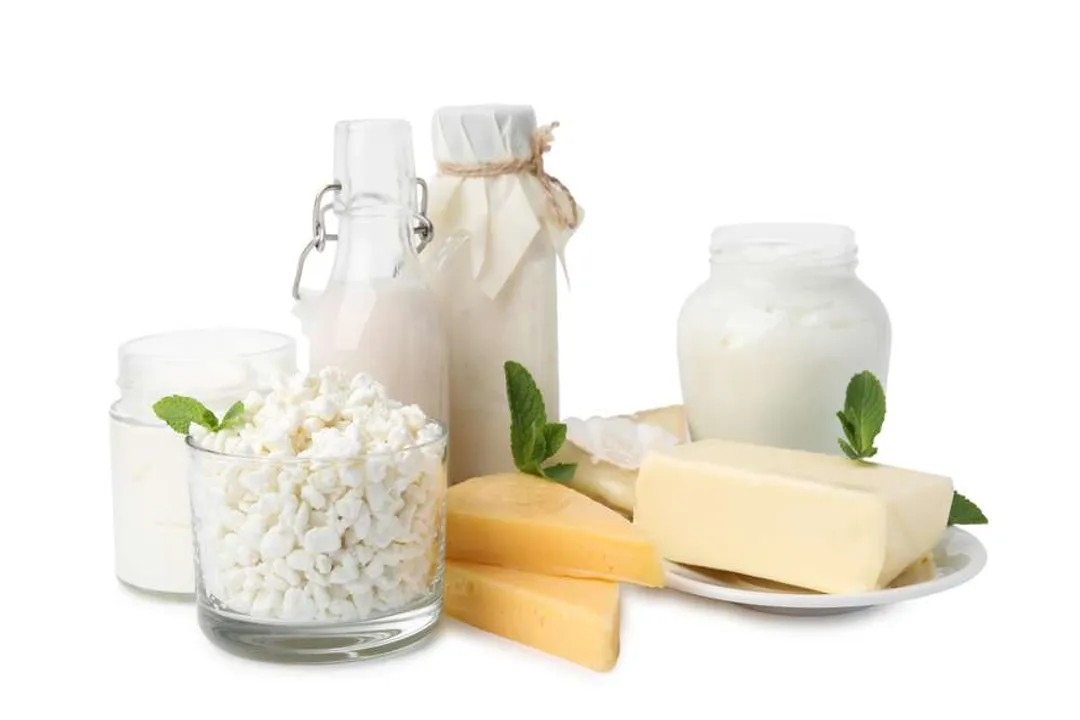
The term "dairy" carries a definition that is remarkably broad, shifting depending on whether it is being used as a noun, an adjective, or even based on the geographic location of the speaker. At its most fundamental, dairy relates directly to milk and the specialized processes that transform that milk into edible goods. It is not a single concept but rather a cluster of related meanings encompassing a place, an industry, a type of animal, and the resulting food category itself.
# The Place
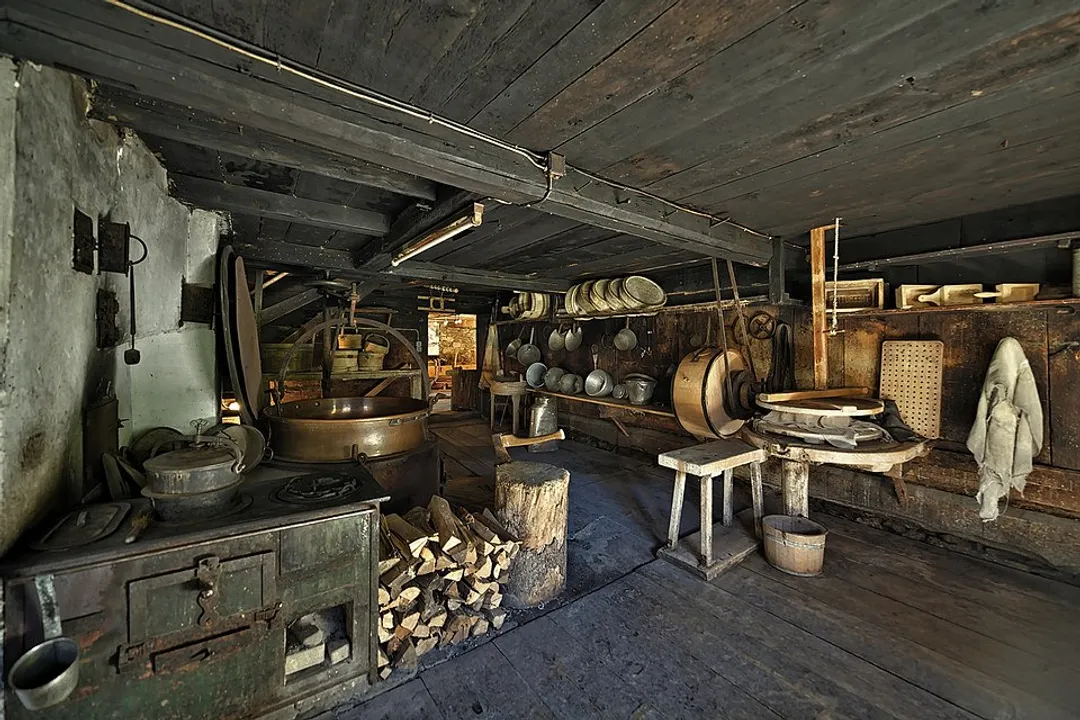
The most traditional definition of a dairy points to a physical location. This can be a modest room or an entire building set aside specifically for keeping milk and cream cool and for the subsequent manufacture of items like butter and cheese. Historically, this processing often took place on the farm itself, linking the initial collection of the raw product to its first stages of refinement.
This concept extends beyond the immediate processing area. A dairy can also refer to a commercial establishment that processes, distributes, and sells milk and its derivatives. In modern terms, this might be a "dairy plant" where raw milk is handled on a large scale, though in many dictionaries, the term also comfortably describes the retail shop where consumers pick up their milk and cheese. This dual definition—encompassing both the industrial processor and the local vendor—highlights how closely the word is tied to the entire supply chain, from cow to consumer.
# Scope of Products
When used as a noun, dairy frequently functions as a mass noun referring to the collective category of dairy products. This collective refers to foodstuffs that are derived primarily from milk. The most recognized items in this category include fluid milk, cream, butter, cheese, and yogurt.
However, the definition of what falls under the "dairy" umbrella can extend further into specialized derivatives. Casein, the main protein in milk, is extracted and utilized in industrial applications ranging from adhesives to certain plastics. Furthermore, whey, the liquid byproduct of cheesemaking, which was once often discarded or fed to pigs, is now processed into valuable food additives and ingredients. This shows that defining dairy is not just about the final refrigerated item; it includes a spectrum of materials extracted during the refining process, some of which end up in surprising, non-traditional food or industrial goods.
It is worth noting a significant difference in common usage based on location. In the United States, the term often implies the entire operation, meaning a dairy farm devoted to milk production is frequently called simply "a dairy". Contrast this with New Zealand, where, due to historical trading patterns, the word dairy almost exclusively means a small, local convenience store or superette, a usage that also has echoes in Scottish English. Therefore, encountering the word in conversation requires paying attention to local context to discern if the speaker means a building, a business, or simply a small neighborhood shop.
# Farming Focus
As an adjective, dairy modifies words to specify a focus on milk production rather than meat production. The clearest example is dairy cattle, which refers to breeds specifically maintained for yielding milk, such as Holsteins, as opposed to beef cattle raised for meat. This distinction reflects a historical specialization in agriculture; older farming systems often saw animals serving multiple roles, but modernization favored concentrating breeds for one specific output.
The specialization is profound. In high-production systems, cows are managed on a strict schedule—often milked twice daily, sometimes even three times in intensive U.S. systems—to maximize yield throughout their ~300-day lactation cycle. This contrasts with the older practice where a small herd might be milked only once an hour total across all animals, often by hand by a dairymaid.
Understanding this agricultural context helps in appreciating the term dairy-free. While consumers often associate this with avoiding cheese or milk, the adjective dairy signals a connection back to the animal husbandry itself, defining the primary source of the food component being excluded.
# Etymological Roots
The linguistic history of "dairy" provides a fascinating window into the evolution of its meaning. The word is rooted in the Middle English term daierie or dayerie. This was formed by combining the word deie or daie with the suffix erie. The deie was a historical designation for a female servant, often one responsible for milking and making butter and cheese.
This etymology—tracing back through Old English dǣge (meaning female baker or servant) and related to words for dough—shows that the original term described the place where the dey performed her specific duties. The entire concept was thus tied to the person overseeing milk processing, a role historically held by women on the farm. It speaks to a time when the processing facility was a function of the household or farm structure, long before the rise of large-scale commercial processing plants.
# Processing and Quality Control
The shift from the individual dairy (the maid's workspace) to the dairy industry is a story of industrialization. Modern dairy processing relies heavily on heat treatment to ensure safety and extend shelf life, alongside techniques like dehydration for longer-term storage products like hard cheese or milk powders.
For the consumer navigating grocery aisles, the term dairy often serves as a quick shorthand for a set of nutritional expectations, usually centered on calcium and protein content. However, the nutritional profile varies widely based on processing. A traditional, long-aged hard cheese, like an Emmental or Cheddar aged for over two years, can have its lactose content reduced to practically nothing due to extensive fermentation. This process is significantly different from that used in many commercial cheese manufacturing processes, where lactose reduction might be less pronounced. When choosing products, recognizing that not all items labeled dairy have the same impact on lactose tolerance is a key consideration, even if they originate from the same animal source.
This industry is also heavily regulated, particularly concerning food safety, labeling, and trade agreements. Government oversight often mandates processes like pasteurization to guard against diseases transmittable through unpasteurized milk, such as Listeria or Brucellosis.
# A Common Mix-Up
Finally, defining what dairy is requires briefly mentioning what it is not, as the word is easily confused with a homophone. The word diary refers to a personal, usually daily, record of events, thoughts, or experiences, kept in a book or log. The distinction lies in both meaning and pronunciation: dairy relates to agriculture and milk products, while diary relates to an individual's private documentation. A simple mnemonic device is to remember the i in diary stands for individual reflection, whereas the a in dairy connects to agriculture or animal production. This distinction is crucial, as one term governs food safety regulations, and the other concerns personal privacy.
In summary, to define dairy is to describe a versatile concept: the building where milk is handled, the farm enterprise focusing on milch cows, the expansive category of milk-derived foods, and the historical occupation of the dey who made those foods. Its meaning is solidified by the central element—milk—but articulated differently across the world, from a U.S. farm to a New Zealand corner store.
Related Questions
#Citations
DAIRY Definition & Meaning - Merriam-Webster
Dairy - Wikipedia
DAIRY Definition & Meaning - Dictionary.com
DAIRY | definition in the Cambridge English Dictionary
Dairy - definition, meaning | Glossary - Foodcom S.A.
Dairy - Definition, Meaning & Synonyms | Vocabulary.com
DAIRY definition in American English - Collins Dictionary
dairy, n. meanings, etymology and more | Oxford English Dictionary
Dairy vs. Diary: What's the Difference? - Grammarly
Dairy Products: Understanding Their Legal Definition