Are eggs dairy?
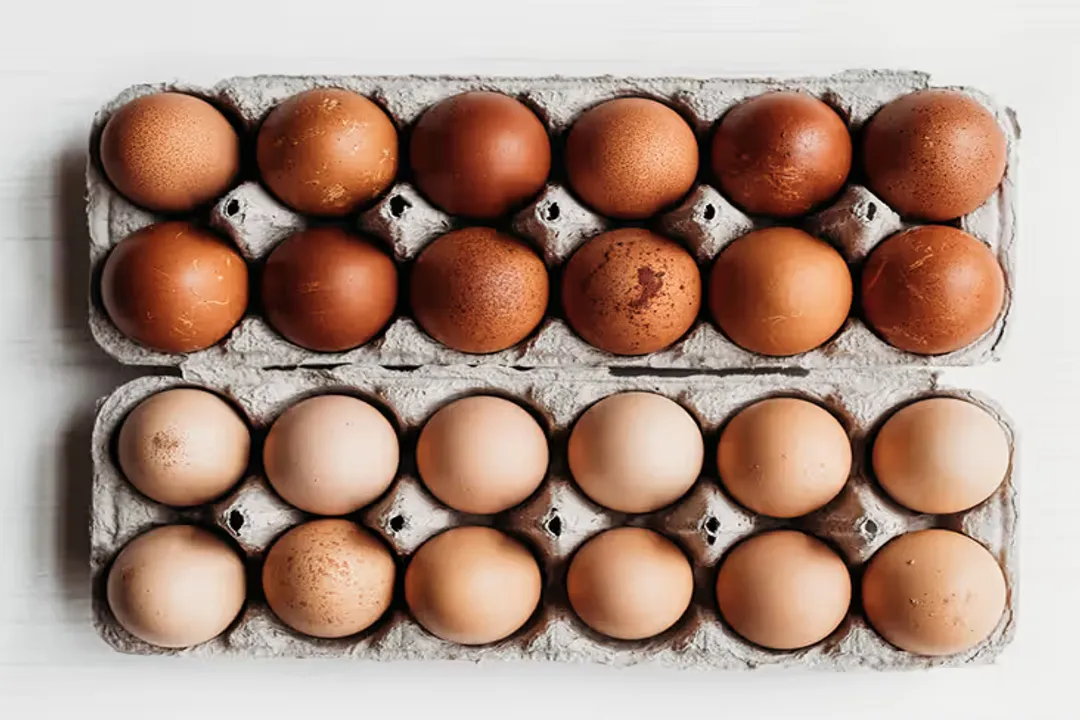
The simple truth is that eggs are not dairy, despite how frequently they are grouped with milk, cheese, and butter in supermarkets and recipe discussions across the United States. [2][4][6] This common culinary confusion stems from packaging, refrigeration, and a general misunderstanding of food origins. To put it plainly, dairy products are derived exclusively from the milk of mammals, while eggs are the reproductive output of birds, most commonly chickens. [2][3][4][5]
# Source Distinction
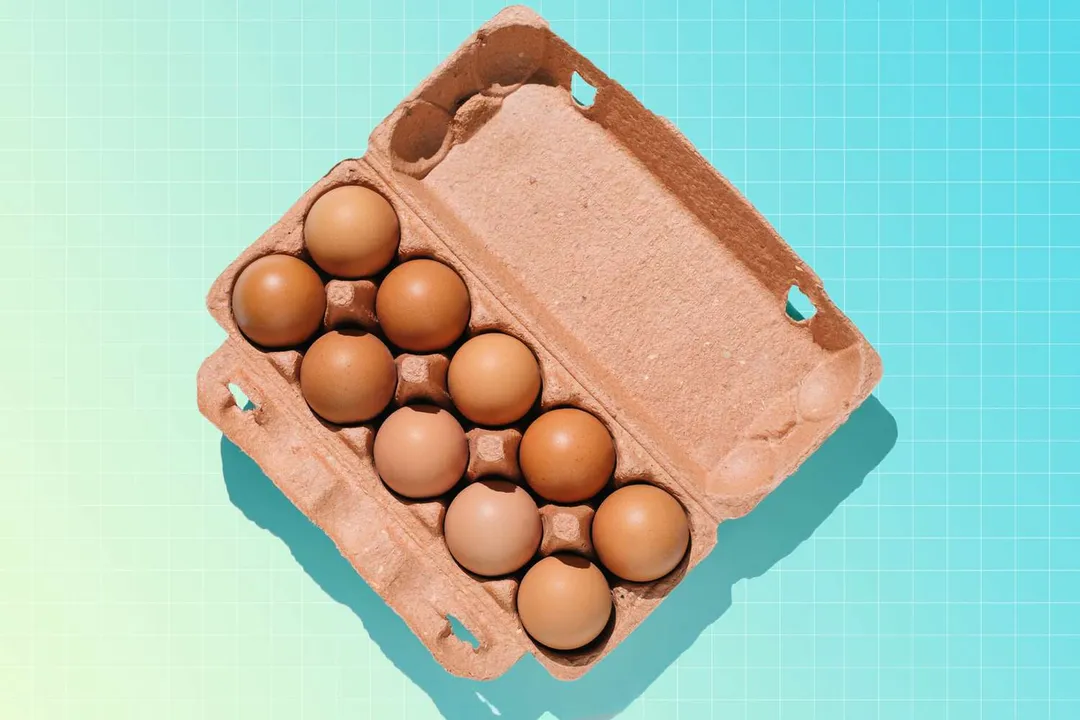
The fundamental difference lies in where the food originates. Dairy products, by definition, are made from the milk of animals such as cows, goats, or sheep. [2][4][5] This milk contains lactose, a natural sugar, which is the component that causes digestive issues for individuals with lactose intolerance. [3][4] Milk is processed into yogurt, cheese, cream, and butter, all firmly categorized as dairy. [3]
Conversely, eggs come from poultry. [2][3][5] They are a product of a bird’s reproductive system, not a secretion of its mammary glands. Because birds do not lactate, their products—eggs and meat—cannot technically be classified as dairy. [2][4] Eggs are generally classified as an animal byproduct but belong to their own food group, often alongside meat due to their high protein content. [5] This distinction matters significantly for specific diets, such as those followed by vegans or certain types of vegetarians. [2][5] For example, someone who follows a lacto-vegetarian diet consumes dairy but avoids eggs, while an ovo-vegetarian does the opposite. [2]
# Grocery Location
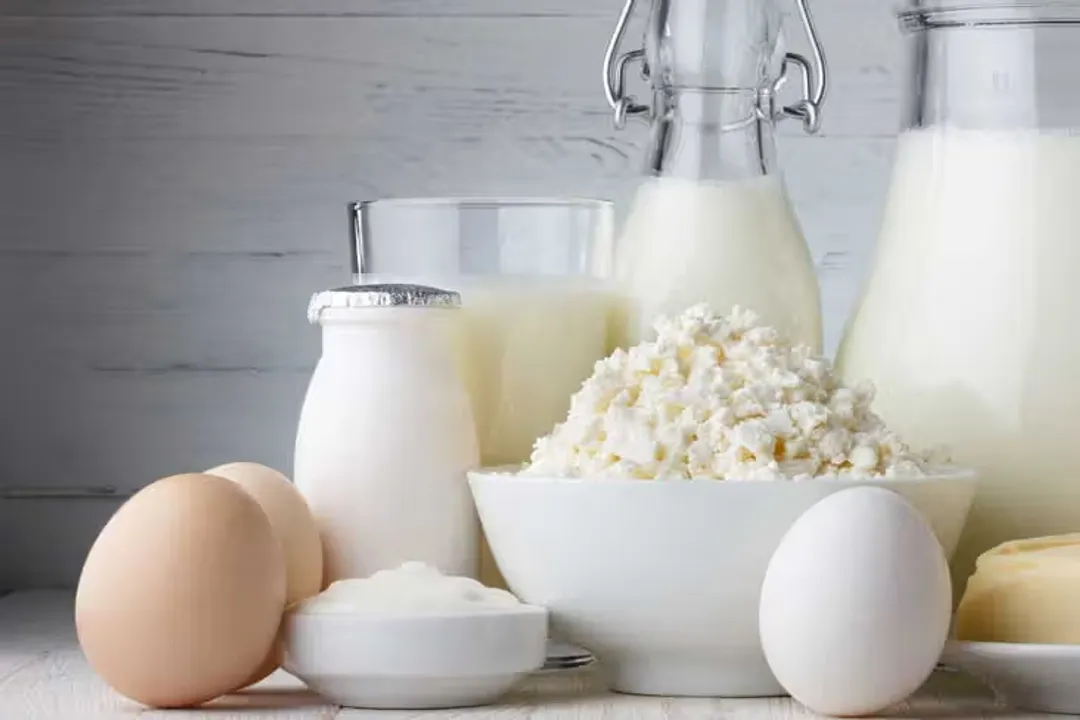
A major contributor to the persistent myth that eggs are dairy is simple logistics: store placement. [2][4][6] In many grocery stores, particularly in the United States, the refrigerated dairy case—where milk, cheese, and cream reside—is precisely where you will find the cartons of eggs. [2][4] This proximity is not based on biological classification but on practical necessity. Both eggs and milk require constant refrigeration to maintain safety and extend shelf life. [2] Grouping them together in the coldest section of the store makes sense from an inventory and consumer convenience standpoint, even if it blurs the lines between food groups for the casual shopper. [4][6]
Consider how this contrasts with other animal products. Chicken or beef is typically found in the meat department, often a separate refrigerated section entirely, even though eggs are also sourced from poultry. The placement seems to prioritize the shared need for cold storage over the shared biological lineage. [2]
# Dietary Restrictions
Understanding the difference is crucial when managing food sensitivities or ethical dietary commitments. For someone who is lactose intolerant, consuming an egg poses absolutely no risk of digestive upset related to lactose. [3][4] The absence of milk solids means there is no lactose to digest. Therefore, a person avoiding dairy due to intolerance can safely eat eggs without concern for that specific sugar.
However, the situation reverses for individuals with an egg allergy. An egg allergy is an immune system response to the proteins found in the egg white or yolk. [4] Someone with a severe dairy allergy, which is an immune reaction to milk proteins like casein or whey, could generally consume eggs without issue, provided there is no cross-contamination involved. [4] Recognizing the true source—mammal milk versus bird output—is the first step in navigating these food restrictions accurately. [2][5]
# Nutritional Differences
While both are excellent sources of protein, the nutritional profiles of eggs and typical dairy products vary in significant ways. [5] Dairy, especially whole milk or cheese, is renowned for its high calcium content, which is essential for bone health. [3] Dairy is also a primary source of dietary Vitamin D when fortified, and it contains specific B vitamins.
Eggs, on the other hand, are celebrated for their high-quality protein, healthy fats, and rich supply of nutrients like choline, which is important for brain function, and Vitamin B12. [5] While eggs contain some Vitamin D, they do not contribute calcium to the diet in the way that milk or cheese does. [3]
For instance, a single large egg typically offers about 6 grams of protein, while a cup of whole milk provides about 8 grams of protein, alongside significant amounts of calcium and fat. [3][5] This table illustrates the general separation of their primary nutritional contributions:
| Nutrient Focus | Eggs (Large, ~50g) | Whole Milk (1 Cup / 244g) |
|---|---|---|
| Primary Source | Poultry | Mammalian Milk |
| Calcium Contribution | Negligible | High |
| Lactose Content | None | High |
| Key Vitamins | Choline, B12 | Riboflavin, B12, A (often fortified) |
| Category | Animal Byproduct | Dairy |
| [3][5] |

# Understanding Misinformation
The confusion often seems strongest in regions where food labeling and dietary education are less standardized, or where cultural norms dictate different grocery layouts. [6] Some sources suggest that if an item is animal-derived and sold near milk, many consumers default to lumping it into the dairy category. [6] Social media often amplifies this misconception, with many people expressing genuine shock upon learning the truth. [1] It’s less about deliberate denial and more about the simplicity of grouping similar-looking, refrigerated items together. [6]
When reading ingredient lists, especially on baked goods or prepared foods, recognizing the distinction prevents unnecessary restriction. If a recipe calls for eggs and dairy, it needs both a milk product (like butter or milk) and an egg product. If a recipe only excludes dairy, eggs are generally fine, unless the context is strictly vegan. [2] Thinking about it in terms of mammary gland secretion versus avian output helps solidify the separation in the mind, moving past simple visual cues in the supermarket aisle. [4]
For those managing their pantry, understanding this means that substituting milk for eggs in a recipe is rarely a viable swap, and vice versa, because their structural roles in cooking—one for moisture and richness (dairy) and the other for binding and leavening (eggs)—are distinct. [2][5] You wouldn't use milk to stabilize a meringue, just as you wouldn't use an egg to make ricotta cheese.
If you are, for example, attempting to bake for a friend who is lactose intolerant but not allergic to eggs, you can confidently use eggs without needing to substitute them for a dairy ingredient, focusing only on replacing the milk or butter with alternatives like oat milk or margarine. This clarity on source material directly informs cooking choices and dietary adherence. [3]
# Practical Food Labeling Tips
When looking at ingredient lists, an easy mental check can prevent accidental consumption or omission of eggs. If you see milk, whey, casein, butter, or cream, you are looking at a dairy product. [2][4] If you see egg, egg whites, or egg yolks, you are dealing with the poultry product. [2] This binary check clarifies things quickly, even when ingredients are listed in complex combinations.
A nuanced situation arises with processed foods, such as some pre-made doughs or baked items. Sometimes, these products are manufactured on shared equipment used for both dairy and non-dairy goods. If cross-contamination is a serious concern—say, for someone with a severe, life-threatening allergy—the label will often carry a warning like, "Manufactured in a facility that also processes milk and eggs," or similar statements. [4] Even though eggs are not dairy, they can share processing lines, meaning a product could contain both dairy ingredients and eggs, or just one, alongside a contamination warning for both.
It is worth noting that labeling standards can vary internationally. In many European countries, for example, the practice of storing eggs near milk in the main refrigerated sections is less common, often leading to fewer consumer mix-ups regarding their fundamental difference. [6] The localized grouping in American stores remains a powerful, if inaccurate, driver of this shared misconception. [6]

# Confidence in Classification
The persistence of this error highlights how easily context—in this case, refrigeration and aisle placement—can override scientific or biological classification in daily life. [6] People often rely on established habits and visual cues over checking precise definitions. The fact that many people have been told, or have simply assumed, that eggs and dairy are the same for years means that correcting the notion often requires more than just a simple statement; it requires a brief review of basic zoology and food science. [1]
Ultimately, treating eggs as dairy—avoiding them when you should only be avoiding milk, or vice versa—can lead to unnecessary dietary restrictions or, worse, accidental ingestion of an allergen you thought was excluded. Knowing that one comes from a mammal's milk and the other from a bird's shell removes the guesswork and aligns purchasing and consumption decisions with actual nutritional needs and ethical boundaries. [2][5]
Related Questions
#Citations
Eggs apparently are a dairy product… : r/confidentlyincorrect - Reddit
Are Eggs Dairy? - Pete and Gerry's Organic Eggs
Are eggs dairy? Why people might think so - Medical News Today
Are Eggs Considered a Dairy Product? - Healthline
Are Eggs Dairy? - EatingWell
Why do Americans think eggs are a dairy product? - Quora
Clearing Up the Confusion: Are Eggs Considered Dairy? - TikTok
Why are eggs considered dairy products? - Facebook
Are Eggs Dairy? - Yahoo