What is a traditional Irish food?

The image of traditional Irish food often conjures up hearty, perhaps deceptively simple dishes born from necessity and the fertile but often challenging landscape of the island. While modern Ireland boasts a dynamic and globally influenced dining scene, its foundational cuisine rests firmly on a few key staples that sustained generations. [3][6] Understanding what constitutes "traditional" means looking past the occasional tourist menu item and focusing on the resourceful dishes that utilized what the land and sea readily offered: potatoes, dairy, oats, and hardy vegetables. [3][5]
# Core Ingredients
The potato sits at the undisputed center of the historical Irish diet, becoming such a crucial staple that its failure brought about catastrophic consequences in the mid-19th century. [3][5] However, the cuisine is not solely potato-based. The cool, damp climate is perfect for dairy farming, meaning high-quality butter, milk, and cream have always been available, adding richness to otherwise plain fare. [3] Historically, oats were also essential, used for porridge or mixed into breads. [3] For protein, the diet relied heavily on preserved meats like bacon, pork, and occasionally mutton or goat, supplemented by fish and shellfish along the coastlines. [1][3]
This reliance on inexpensive, calorie-dense, and easily stored ingredients—like root vegetables and salted meat—is a defining characteristic that speaks volumes about the economic realities faced by common people for centuries. [5] A modern insight into this historical necessity reveals that many of Ireland's most beloved comfort foods developed not as culinary experiments but as efficient ways to stretch minimal resources into a filling meal, often cooked together in one pot to conserve fuel. [3]
# The Stew Essential
If one dish must represent Irish tradition, it is arguably the Irish Stew. [1][5] The beauty of the original stew lies in its sparse nature. Traditionally, it was made with mutton (older sheep) or lamb, though bacon might have substituted. [1][5] It combined this meat with basic, readily available root vegetables: potatoes and onions, sometimes carrots. [6] The liquid was usually just water, thickened slightly by the starch from the potatoes as they broke down during long, slow cooking. [3]
It is important to note the distinction between the traditional, almost utilitarian stew and modern interpretations. While today's versions often incorporate beef, herbs, or even Guinness for depth, the genuine article relied on the quality of the few ingredients available and the long simmering time to tenderize tougher cuts of meat. [1][6] The goal was sustenance, creating a deeply satisfying, fork-tender meal from humble components. [5]
# Potato Preparations
Given the potato's dominance, it naturally features in several distinct forms beyond simply being boiled or mashed. [5] Two extremely popular and historically significant dishes showcase this versatility: Colcannon and Boxty.
# Colcannon Comfort
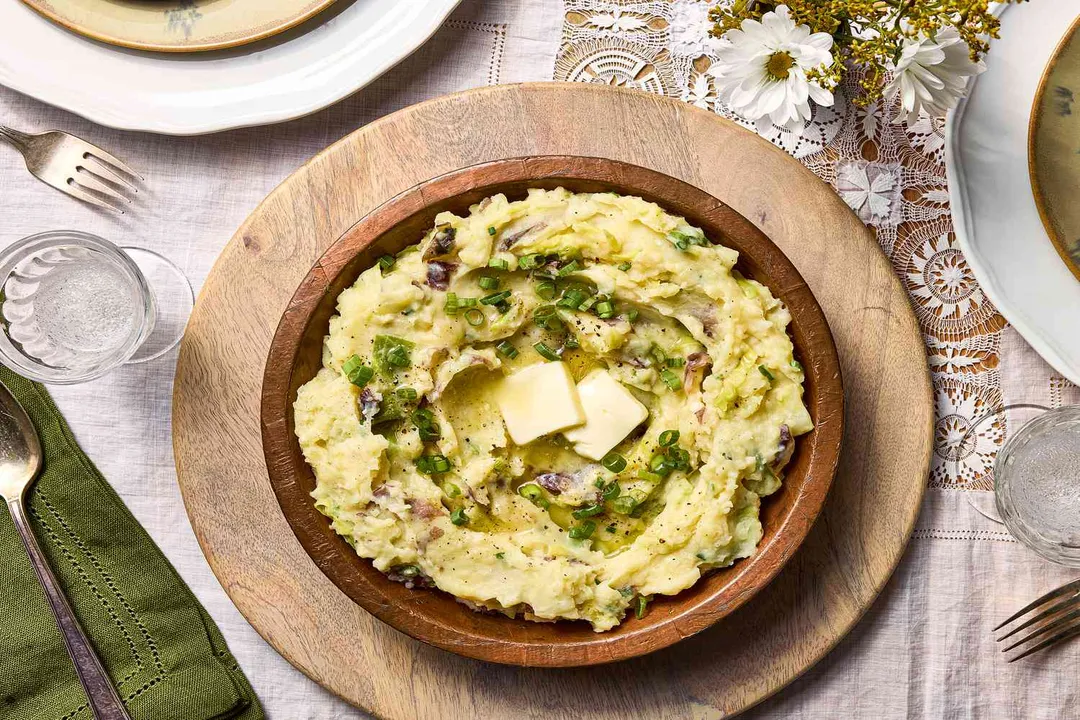
Colcannon is a beloved, simple side dish or main course. [1] It consists primarily of mashed potatoes thoroughly mixed with kale or cabbage, often seasoned generously with butter, milk, or cream. [1][5] Sometimes spring onions or scallions are added for a slight sharpness. [5] It is the ultimate expression of combining the two most accessible vegetables in the Irish pantry. A neat trick often employed is to make a well in the center of the serving dish and fill it with melted butter, allowing diners to dip each spoonful—a small luxury that transforms the simple mash. [1]
# Boxty Bread
Boxty, often described as a potato pancake or bread, represents another traditional way of utilizing the staple crop. [1][3] The method varies slightly by region, but the core concept involves combining raw, grated potato with cooked, mashed potato, often binding it with a small amount of flour or buttermilk. [5] This mixture is then cooked on a griddle or in a pan, resulting in a denser, chewier texture than a standard pancake. In some areas, it might be served as a thick loaf baked in the oven. [3]
# Quick Breads
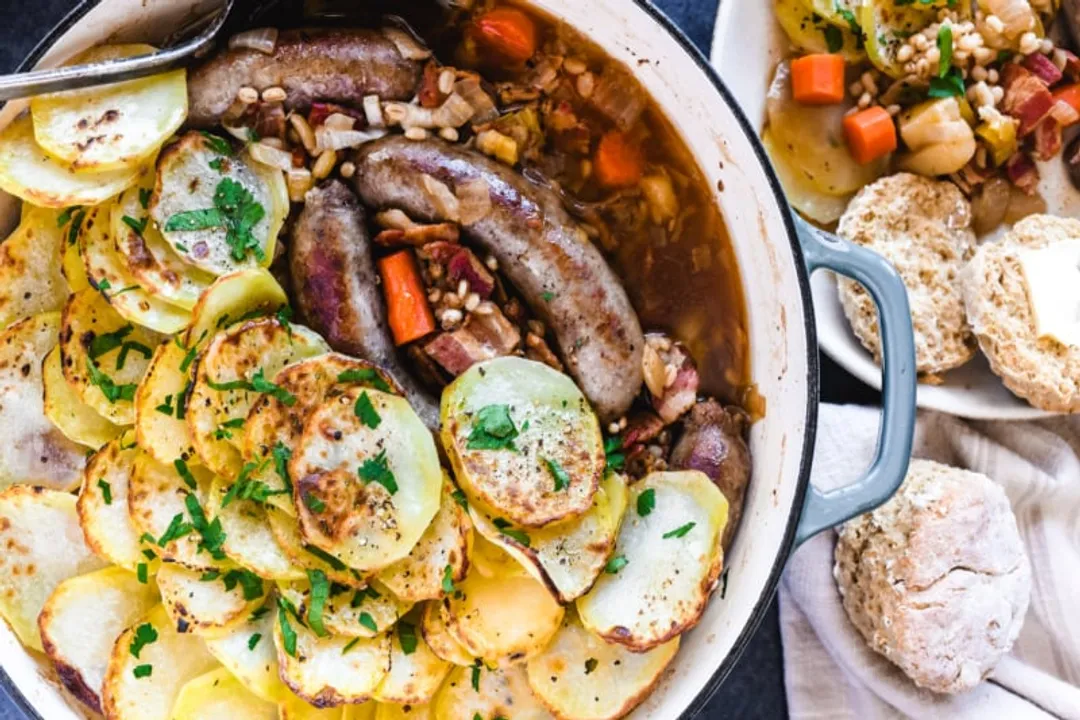
Before the widespread availability of yeast, quick breads were the standard for baking in Irish homes, and Soda Bread remains the most famous example. [6] This bread relies on baking soda (sodium bicarbonate) reacting with buttermilk, the acidic component, to create the necessary gas for rising, eliminating the need for a lengthy proofing period. [1][3]
Traditional soda bread is often made simply: flour, salt, baking soda, and buttermilk. [6] It is usually baked quickly in a cast-iron pot or on a griddle. While white soda bread is common, wholemeal (brown) soda bread, which incorporates whole wheat flour, is also deeply traditional and arguably more nutritious. [3][5] This bread was sturdy enough to hold up to the wet climate and served as a perfect accompaniment to soups, stews, or simply a thick spread of fresh butter. [6]
# Regional Flavors
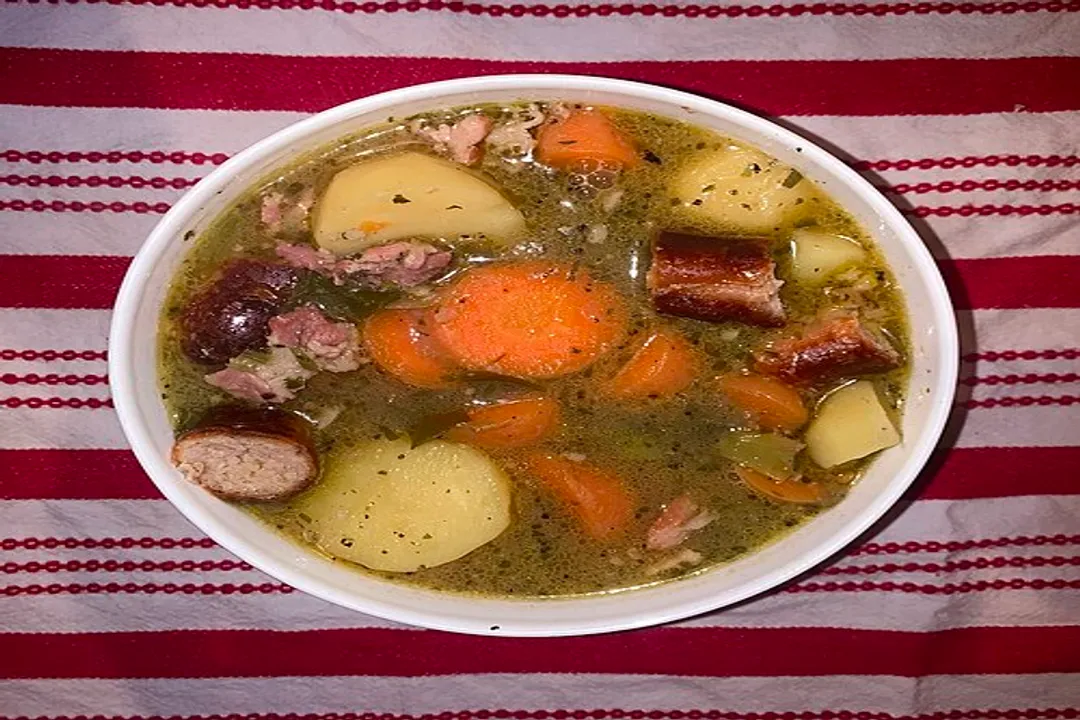
While the national dishes have broad recognition, local geography often dictated specific specialties. In Dublin, the Coddle stands out as a quintessential local dish. [1][3] It is a slow-simmered stew, but distinct from the national Irish Stew because of its core components: pork sausages, rashers (thin slices of bacon), potatoes, and onions, all cooked together until tender. [3] It is an unpretentious, warming dish, frequently mentioned in older Dublin lore and often seen as a "morning after" meal or a simple, nourishing supper. [1]
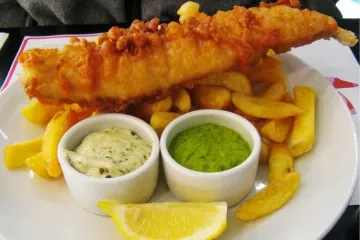
Moving away from the heartland, coastal areas naturally incorporated more seafood. While coddle and stew lean heavily on land-based fare, traditional coastal diets would have frequently included white fish, oysters, and other shellfish, prepared simply to let the fresh flavor shine. [6]
# St. Patrick's Day Misconceptions
When discussing traditional Irish food internationally, the topic of Corned Beef and Cabbage inevitably arises, yet this dish requires careful qualification. [4][5] While ubiquitous on St. Patrick's Day celebrations outside of Ireland, particularly in the United States, it is not historically considered a primary pillar of traditional Irish cuisine. [5]
The historical Irish staple in this category was typically bacon or salted pork, cooked with cabbage and potatoes. [4][5] When Irish immigrants arrived in America, they often found pork too expensive or inaccessible and substituted it with corned beef, which was more readily available and cheaper due to the Jewish delis in urban centers. [4] Therefore, corned beef and cabbage is better understood as an Irish-American culinary tradition, a dish developed through adaptation and necessity in a new homeland, rather than a dish that defined dining tables in Dublin or Cork centuries ago. [5] Recognizing this difference is key to appreciating authentic culinary heritage versus celebrated diaspora adaptations.

# Evolution and Future
The modern Irish food scene has moved significantly past the limitations imposed by history and poverty. [8] Today, there is a massive focus on high-quality, locally sourced ingredients, often referred to as 'farm-to-table' dining, which honors the quality of the primary agricultural products while applying sophisticated techniques. [8] You find world-class seafood, artisanal cheeses, and creative takes on traditional concepts appearing across the island. [8]
For someone visiting and wanting to experience the essence of the tradition without falling into the heavily commercialized tropes, seeking out places that serve Boxty or a genuine, simple Coddle is recommended. [3] A good local pub or a rural establishment is often the best place to find these authentic dishes, prepared by cooks who respect the recipes passed down through family kitchens, rather than just hotel chefs adapting for mass tourism. [1][6] The conversation around Irish food is now less about surviving the famine years and more about celebrating the quality of ingredients that were always present, such as that excellent dairy and the abundance of fresh seafood available on the periphery of the island. [3]
#Videos
Irish People Try Traditional Irish Food
Related Questions
#Citations
Traditional Irish Food - 12 must-try Irish Dishes
Traditional Irish Dishes : r/irishtourism
Irish cuisine
11 Irish Recipes to Make for St. Patrick's Day
A History of Traditional Irish Food
Traditional Irish Food: 10 Must-Try Dishes
Authentic Irish Recipes
The Ultimate Foodie's Guide to Ireland
Irish People Try Traditional Irish Food