What are traditional Italian foods?
Italian food’s global fame is undeniable, often centered around images of steaming plates of spaghetti or thin-crust pizza, yet the true essence of cucina Italiana is a far more nuanced and regionally specific affair. To speak of "Italian food" as a monolith is to overlook the profound culinary geography that defines the nation. From the rich, buttery traditions of the North to the bright, sun-drenched flavors of the South, what is considered a staple in Milan might be completely foreign in Palermo. Understanding traditional Italian fare requires looking past the internationalized versions and appreciating the deep connection between the land, the climate, and the plate.
# Regional Divide
The diversity within Italian cuisine is perhaps its most defining characteristic, acting almost as a collection of national cuisines rather than a single entity. This variation is starkly visible when comparing the ingredients and cooking methods employed across the peninsula.
In the northern regions, closer to the Alpine influence, butter, cream, and rice often dominate the pantry. Here, you will frequently encounter dishes featuring risotto, like the famous Risotto alla Milanese, which utilizes the starchiness of Arborio or Carnaroli rice, achieving a creamy texture that contrasts with typical Southern boiled pasta. Polenta, a staple made from boiled cornmeal, also holds significant importance in the North. Think of the richer sauces and more substantial meats reflective of colder climates.
Conversely, Southern Italian cooking pivots around the Mediterranean trinity: olive oil, wheat, and a vibrant array of fresh vegetables, tomatoes, and seafood. The climate supports the growth of durum wheat, making dried pasta the undisputed king of carbohydrates in regions like Campania and Sicily. Dishes here are often lighter, brighter, and utilize the intense flavor of sun-ripened produce. For instance, a foundational dish like Spaghetti al Pomodoro relies entirely on the quality of the tomato, olive oil, and basil—simple elements allowed to shine.
It is interesting to observe this culinary dichotomy: the reliance on rice and butter in the North often traces back to historical trade routes and proximity to Central Europe, while the South’s adherence to olive oil and pasta speaks to a deeply ingrained Mediterranean agricultural history. This contrast is what prevents any single dish from truly representing the entirety of Italian cooking; attempting to boil it down to one cuisine misses the internal dialogue between its regions.
# Beyond Basics

While pizza and pasta are certainly Italian icons, limiting the scope of the country's traditional food to just these two items strips away the depth of its culinary history. Many quintessential Italian dishes rely on legumes, offal, or different forms of grains that often get overlooked abroad.
# Staples and Starches
Pasta itself comes in thousands of shapes, each designed to pair perfectly with a specific sauce, from delicate tagliatelle for ragù to thin capellini for light seafood broths. However, outside of the typical dried or fresh egg pasta, other starch bearers are vital. Gnocchi, small dumplings often made from potato, semolina, or ricotta, represent another significant category of first courses, prized for their texture.
For those seeking experiences outside the usual suspects, exploring the world of polenta is a must. In regions like Veneto, it can be served soft and creamy, or cooled, sliced, and grilled or fried, acting as a base for stewed meats or rich cheeses. Another essential element, particularly in the central regions, is the use of lesser-known grains or ancient preparation methods that speak to a history of necessity leading to invention.
# Meats and Offal
Italian cooking features impressive meat preparations, including slow-cooked roasts and cured meats, but it also embraces quinto quarto, or offal, especially in central and southern city traditions like Rome. Dishes incorporating less desirable cuts are not a mark of poverty today, but a sign of historical resourcefulness that continues to be celebrated by purists. The Florentine specialty, Bistecca alla Fiorentina, offers a clear contrast: it is a massive, thick-cut, bone-in T-bone steak, grilled rare over wood or charcoal, focusing purely on the quality of the beef itself.
# Sweets
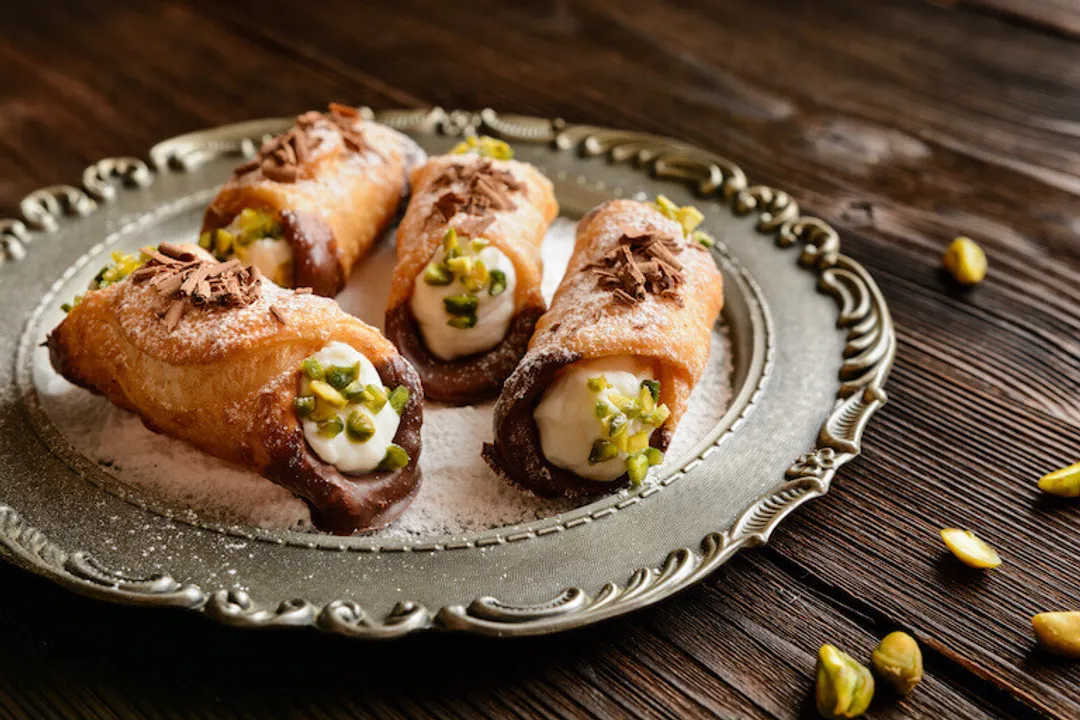
Desserts, or dolci, also showcase regional flair. While the globally famous Tiramisù is relatively modern—its origins hotly debated but generally traced to the Veneto region in the latter half of the 20th century—older traditions abound. Sicily offers rich, visually stunning sweets like cannoli, featuring fried pastry shells filled with sweetened ricotta cheese, often studded with candied fruit or chocolate chips. The North contributes treats like zabaglione, a light, warm custard made from egg yolks, sugar, and Marsala wine.
# Meal Structure
A truly traditional Italian dining experience follows a specific, almost ritualistic order that dictates when certain foods are served. This structure evolved to offer a balanced progression of flavors and textures throughout the meal, which is rarely replicated in a single-course restaurant setting outside of Italy.
# The Courses
The formal Italian meal progresses through several distinct stages, sometimes called cinque portate (five courses).
- Antipasto: Meaning "before the meal," this course sets the stage and can range from simple olives and cheeses to cured meats like prosciutto and salumi.
- Primo: The first main course, almost always starch-based. This includes pasta, risotto, or soup. It is meant to be substantial but not overwhelmingly filling.
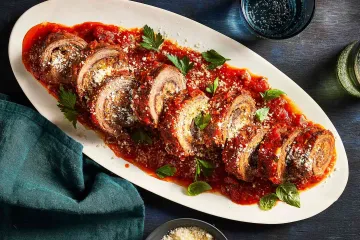
- Secondo: The main protein course, featuring meat or fish, often served simply to highlight the quality of the main ingredient. It is usually served without accompanying starches, as those were covered in the primo.
- Contorno: These are the side dishes, vegetables, or salads served alongside the secondo. They are never mixed with the main protein dish.
- Dolce: The sweet course, which might be fresh fruit, cheese, or a baked dessert.
A modern home cook attempting to honor this tradition might find serving all five courses overly burdensome. An authentic modification that still respects the flow is to combine the secondo and contorno into one plate while ensuring the primo remains distinct and precedes it. This simplification maintains the crucial separation between the starch course and the protein course, which is the structural heart of the meal.
# Key Ingredients
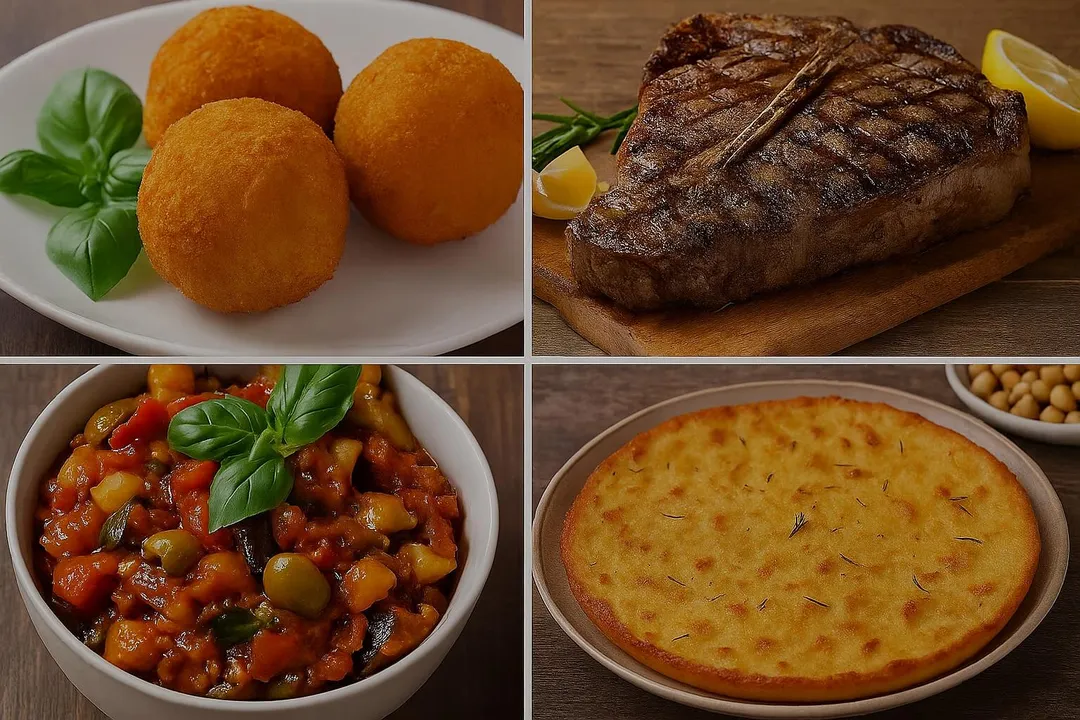
The perceived simplicity of Italian cooking rests heavily on the quality and provenance of a few core ingredients that form the bedrock of nearly every regional style.
# Tomatoes and Oil
The tomato, while globally associated with Italy, only became central to the cuisine after its introduction from the Americas. Once integrated, however, it became indispensable, especially in the South. The difference between a fresh, vibrant tomato sauce made in summer and a deep, reduced sauce made from preserved varieties highlights the Italian dedication to seasonality.
Olive oil is the universal fat. The type and quality are crucial; extra virgin olive oil (olio extra vergine d'oliva) is prized for its low acidity and robust flavor, used for finishing dishes and dressing salads. In contrast, regions favoring butter or lard for cooking often reserve the finest olive oil for drizzling just before serving.
# Cheeses
Italian cheese production is legendary, with hundreds of varieties produced across the country. Hard grating cheeses like Parmigiano Reggiano and Grana Padano are fundamental flavor enhancers for pastas and risottos. Fresh cheeses like mozzarella, particularly the high-quality buffalo variety (Mozzarella di Bufala Campana), provide creamy texture to appetizers and pizzas. Pecorino, a hard, salty cheese made from sheep's milk, offers a sharper, tangier alternative to Parmigiano, particularly favored in central Italian cooking.
| Cheese Type | Primary Milk Source | Common Usage | Regional Association (General) |
|---|---|---|---|
| Parmigiano Reggiano | Cow | Grating, Flavoring | North/Central |
| Mozzarella | Cow or Buffalo | Fresh salads, Pizza | South/Central |
| Pecorino Romano | Sheep | Grating, Salads | Central (Lazio, Sardinia) |

# Iconic Dishes
When looking at dishes that elicit genuine recognition and affection from Italians themselves, several stand out, often transcending strict regional lines in their popularity, even if their origins remain hotly debated.
# Classic Preparations
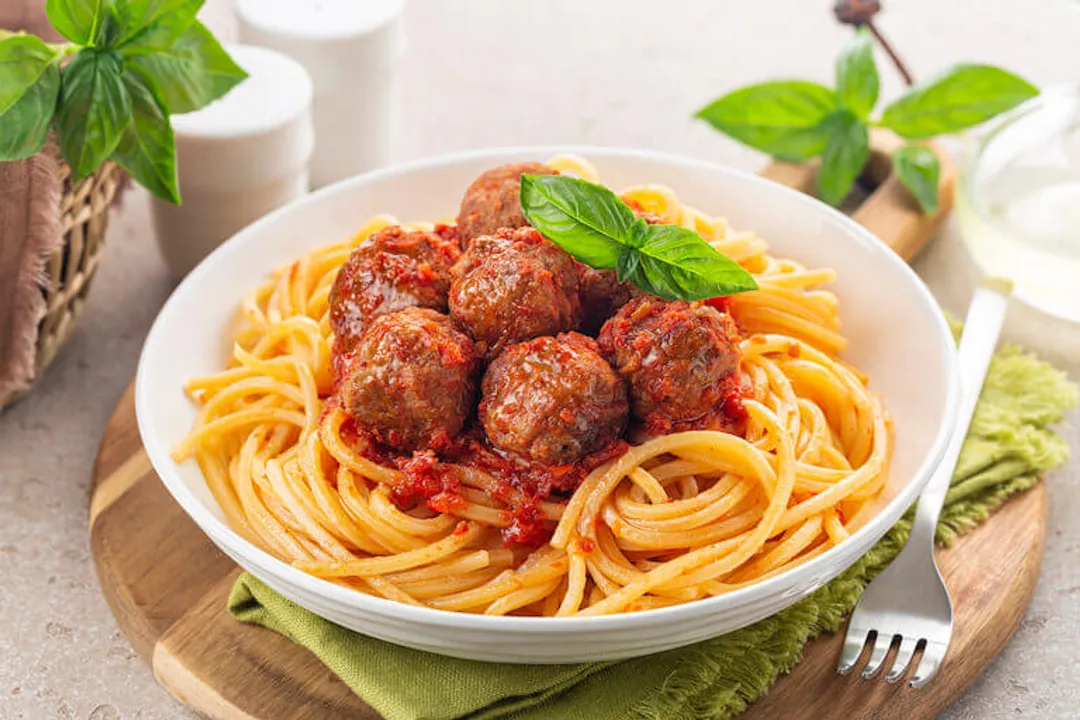
Dishes celebrated in American-Italian restaurants are often far removed from their traditional Italian counterparts. For example, the classic spaghetti and meatballs, a true immigrant creation, is rarely seen on tables in Italy.
Instead, the focus remains on balanced pairings:
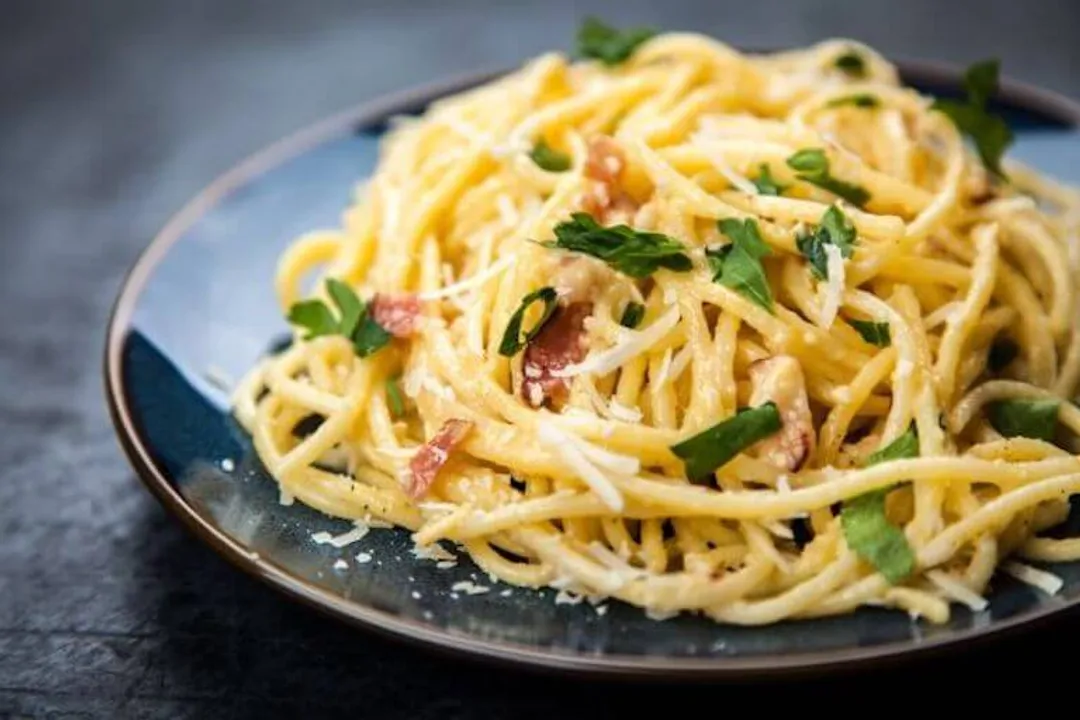
- Carbonara: Hailing from Rome, this dish is deceptively simple, requiring cured pork cheek (guanciale), eggs (yolks mostly), Pecorino Romano cheese, and black pepper. The heat from the pasta cooks the egg and cheese into a luscious, creamy emulsion without any actual cream—a frequent and significant point of contention for purists.
- Lasagna: While many regions have a version, the famous Lasagne alla Bolognese features thin layers of fresh egg pasta interleaved with ragù (a slow-cooked meat sauce), béchamel sauce, and Parmigiano Reggiano. The richness comes from the long cooking time of the ragù and the layering technique.
- Pesto Genovese: Originating in Liguria, this vibrant green sauce is traditionally made by pounding fresh basil leaves, pine nuts, garlic, olive oil, and hard cheeses (Parmesan and Pecorino Sardo) with a mortar and pestle—hence the name. The specific method of preparation is key to retaining the bright green color and aroma.
Considering the sheer volume of beloved dishes, if one were forced to select representative samples, it would involve picking one starch, one meat, and one vegetable preparation from the North, and doing the same for the South, recognizing that any single list is inherently incomplete. This necessity of selection forces an appreciation for culinary geography. The absence of a "national dish" is, in itself, the most accurate representation of Italian food culture.
#Videos
Eat Like a Local: Italy's Must-Try Traditional Dishes! - YouTube
Related Questions
#Citations
Must-Try Food Italy is Famous For - Guided by Destiny
Which dishes best represent the cuisine of Italy? : r/askitaly - Reddit
47 Classic Italian Dishes From the Old Country - Bon Appetit
10 Must-Try Italian Foods That Go Beyond Pasta and Pizza
A Guide to Italian Cuisine: Its History, Flavors, and Influence on ...
Guide to the Traditional Italian Meal Structure - Cucina Toscana
Italian A-Z Food Name Dictionary | a Guide by Cellar Tours™
Italian cuisine - Wikipedia
Eat Like a Local: Italy's Must-Try Traditional Dishes! - YouTube