What are the three Italian foods?
The immense global popularity of Italian food often leads people to simplify its offerings down to a handful of familiar items, perhaps leading one to ask what the three quintessential Italian foods truly are. However, the reality of cucina Italiana is one of incredible, vibrant diversity, far too complex to be summarized in a mere trio. Italy, as a unified nation only since 1870, remains a patchwork of duchies, city-states, and regions, each maintaining fiercely independent culinary identities shaped by local geography and history. To genuinely address this question, we must look at the country through its three primary culinary lenses: Northern, Central, and Southern Italy.
These regional distinctions are fundamental, as they dictate everything from the staple starch to the primary cooking fat used in daily life. What may be a celebratory dish in Milan could be entirely unknown in Sicily. The true essence of Italian gastronomy lies not in a short list, but in understanding this geographic specialization, which forms the basis for the dishes recognized globally.
# Northern Richness
Moving toward the Alps, the cuisine of Northern Italy reflects its proximity to the European mainland, absorbing influences from neighbors like France, Austria, and Switzerland. This difference is often manifested in the richer, creamier nature of the food compared to the south. Here, you will find less reliance on olive oil and more on butter and cream as primary cooking fats, a telling sign of its Alpine dairy traditions.
The core starches shift away from durum wheat pasta in favor of rice and cornmeal. Risotto stands as a symbol of the North, particularly the saffron-infused Risotto alla Milanese, a golden, creamy rice preparation that speaks to the agricultural history of Lombardy. Equally important is polenta, the hearty, boiled cornmeal dish that was once the simple staple of agricultural workers but is now enjoyed with richer accompaniments like stews or mushrooms (Polenta e Funghi).
Pasta traditions also differ. Northern regions like Liguria gave the world pesto sauce, which is famously paired with Trofie al Pesto. Furthermore, filled pasta varieties such as ravioli and tortellini are staples of the North. For a definitive taste of Milanese tradition, look no further than Osso Buco alla Milanese, tender braised veal shanks served alongside that signature creamy risotto. Another notable Northern contribution, though found across the peninsula, is Gnocchi, the delightful potato and flour dumplings.
An interesting insight emerges when comparing the North's culinary leanings to the Mediterranean ethos that defines the rest of the country: the richness inherent in Northern dishes, utilizing more butter and cream, suggests a historical reliance on local livestock and a less direct connection to the abundant olive groves and fishing ports that shaped the South.
# Central Rustic Base
Central Italian cuisine, encompassing famous regions like Tuscany and Lazio (home to Rome), strikes a balance, leaning into olive oil, aromatic herbs, and fresh vegetables for lighter, more rustic preparations. This area is famous for dishes that highlight straightforward, high-quality ingredients seasoned simply.
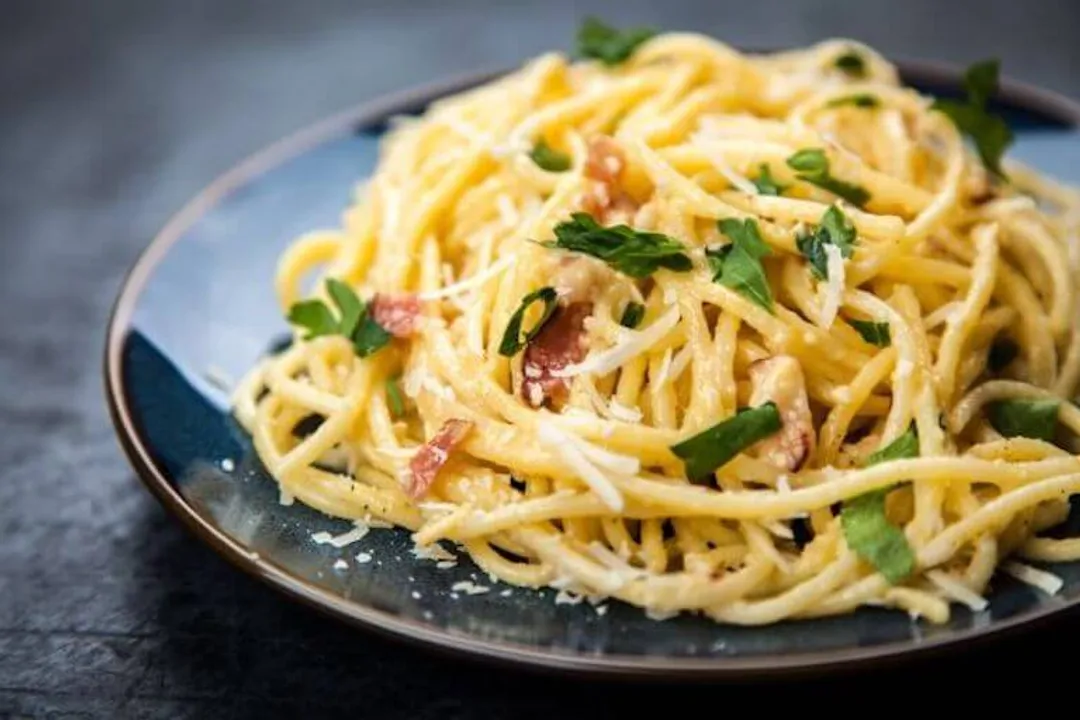
The pasta dishes from this central belt are legendary. Rome claims the origins of the deceptively simple but intensely flavorful Pasta Carbonara, made authentically with eggs, cheese, pancetta, and black pepper, pointedly avoiding cream. Lazio is also credited with the famous Alfredo sauce. Simplicity taken to its extreme is found in Cacio e Pepe, which translates to "cheese and pepper," relying only on cheese, pepper, and starchy pasta water to emulsify into a coating sauce.
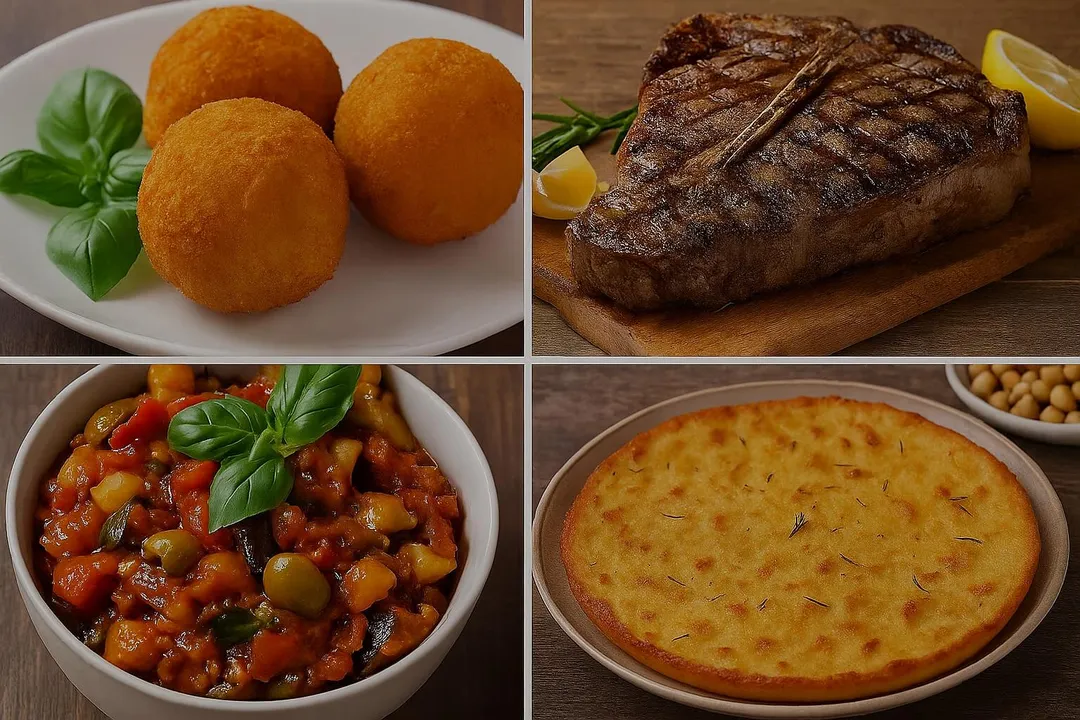
Tuscany offers comfort in the form of Zuppa Toscana, a beloved soup, and exemplifies the region's meat focus with the Bistecca alla Fiorentina—a thick-cut T-bone steak, traditionally sourced from Chianina cattle, seasoned minimally and served quite rare. Roman cuisine also features savory veal dishes like Saltimbocca, which translates to "jump in the mouth," combining veal with prosciutto and sage.

# Southern Mediterranean Life
Southern Italian cuisine, including the islands of Sicily and Sardinia, is heavily dictated by the Mediterranean Sea. This results in dishes that feature an abundance of seafood, fresh citrus flavors, and, most importantly, the generous use of tomatoes.
Sicily offers distinct flavors, notably Caponata, a sweet-and-sour eggplant dish containing celery, capers, vinegar, and olives, which showcases the island’s Arab and Mediterranean historical influences. Sicilian street food is also world-famous in the form of Arancini, deep-fried, breaded rice balls traditionally stuffed with ragù (meat sauce), mozzarella, and peas. From Naples comes Spaghetti alle Vongole, thin pasta tossed with clams, garlic, and white wine, perfectly embodying the coastal focus. The Caprese Salad, with its clean presentation of tomato, fresh mozzarella, basil, and olive oil, is another bright emblem of Southern Italian seasonality.
# Overarching Staples
While regionality rules the culinary map, certain dishes have achieved such widespread adoption that they become nationwide symbols, often overshadowing local specialties in international perception. If one must distill Italian cuisine to just a few globally recognized items, Pizza and Pasta are inescapable.
# Pizza Perfection
Pizza, born in Naples, is perhaps the most famous Italian food globally. The original, Pizza Margherita, remains the standard-bearer, featuring simple toppings—tomato, mozzarella, basil—chosen specifically to mirror the colors of the Italian flag. However, travelers are often cautioned that Italian pizza is not uniform; in Rome, the pizza served can be extremely thin, while Neapolitan style features a thinner center and a bubbly crust. Trying the various styles across the country is part of the experience.
# Pasta's Domain
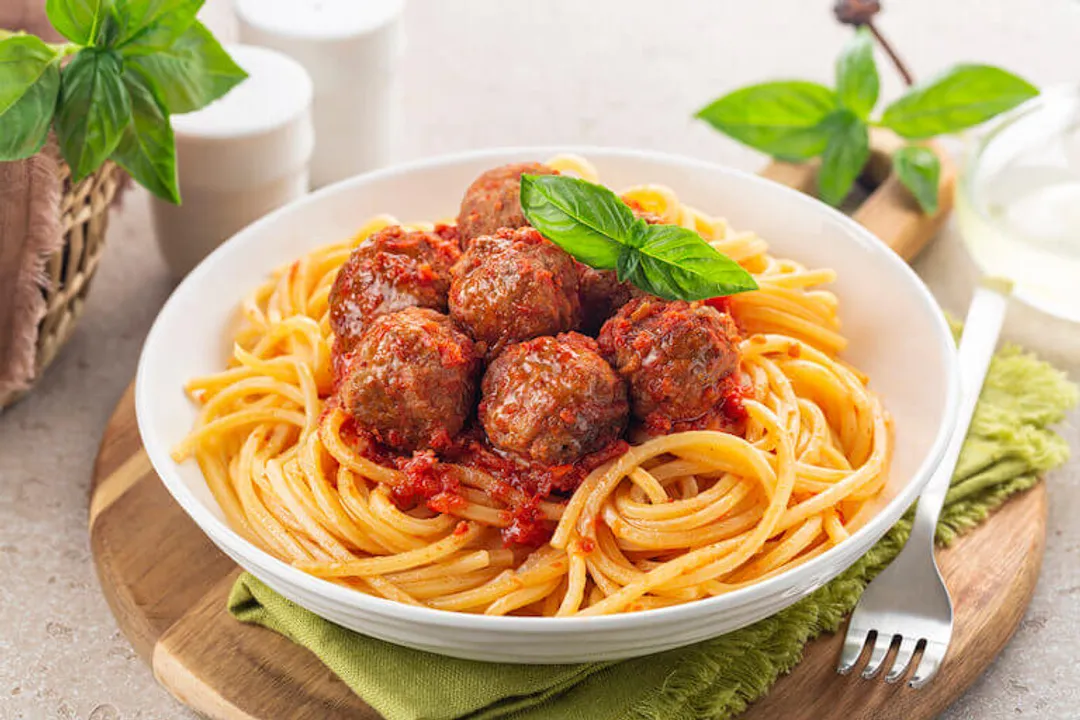
Pasta is the undeniable engine of the primo course, the first hot dish in a traditional meal. While regions like the North prefer risotto or polenta as their starch foundation, the variety and ubiquity of pasta dishes across Central and Southern Italy make it the most recognized category overall. The famous Ragù alla Bolognese, for instance, is traditionally served with tagliatelle, not the spaghetti often used outside Italy.
If we were to propose a foundational trio based on the most frequently cited dishes that represent different preparation styles, it could be: Pizza Margherita (the perfect circle of simplicity), Carbonara (the masterclass in emulsification), and Arancini (the rich, fried representation of street food/leftovers). Yet, this grouping still leaves out the North's risotto and the South's seafood traditions. A more thoughtful approach acknowledges that the "three foods" are better viewed as the three major culinary identities: butter-based richness (North), olive oil-based rusticity (Central), and Mediterranean bounty (South).
# Meal Rituals
Understanding what Italians eat is only half the story; how they eat it provides crucial context. The structure of a traditional Italian cena (dinner) is an exercise in pacing, moving from light to heavy, and then concluding with specific ritual courses.
The full structure includes:
- Aperitivo: Bubbly drinks and small nibbles like olives or nuts.
- Antipasti: The slightly heavier starter course, often charcuterie or bruschetta.
- Primi: The first hot course, typically pasta, risotto, or soup, generally without meat.
- Secondi: The main course of meat or fish, served with Contorni (vegetable side dishes) on a separate plate.
- Insalata: A separate salad course, if the contorni were not leafy greens.
- Formaggi e frutta: Cheese and fruit.
- Dolce: Dessert, such as Tiramisu or Cannoli.
- Caffe: A strong espresso, consumed standing at the bar.
- Digestivo: A final liqueur like Limoncello or Grappa to aid digestion.
This structure, which Michael Chiarello noted as a "reverse crescendo" starting broad and simplifying, allows diners to enjoy an array of flavors over hours. For the curious visitor, navigating this structure is an experience in itself. If you find yourself in a restaurant adhering to this format, a great strategy is to order one classic from the primi course (like Cacio e Pepe) and one representative dish from the secondi course (like Saltimbocca), ensuring you sample both the starch and the protein portion of the meal, rather than overloading on multiple pastas.
# Sweet Conclusions
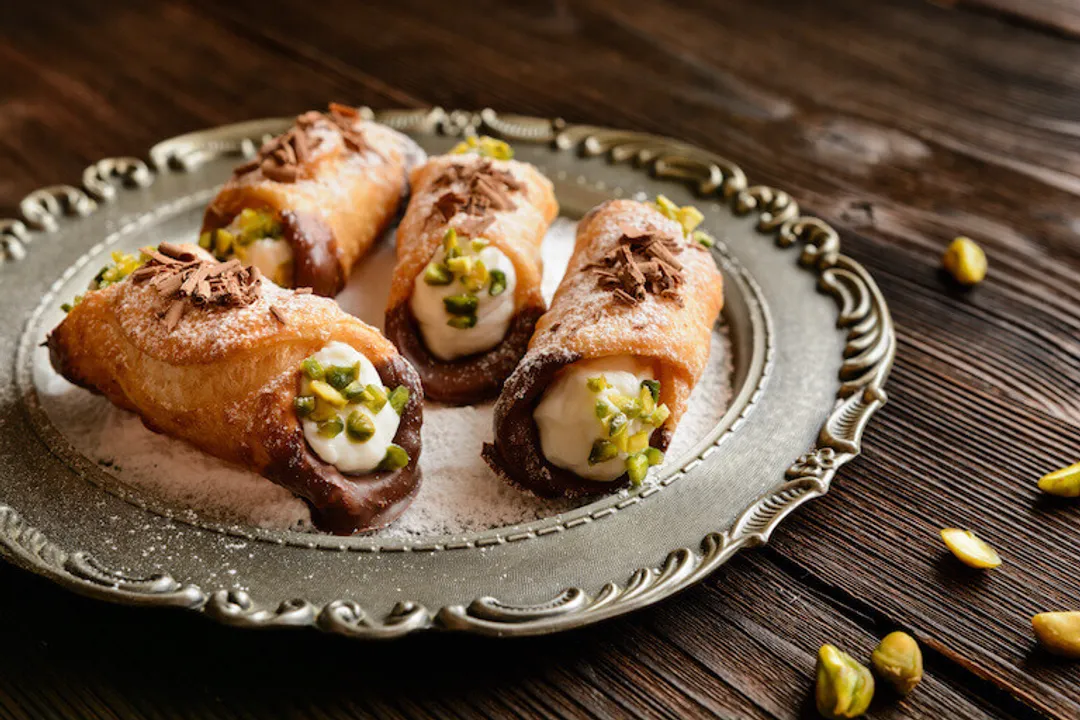
The final courses focus on sweetness and ritual closure. Desserts range from the rich, coffee-soaked Tiramisu to the creamy, gelatin-set Panna Cotta. Gelato, Italy's intensely flavored, less airy answer to ice cream, is a near-daily requirement for many visitors. For a taste of Sicily, the crisp shell filled with sweet ricotta in a Cannoli is essential.
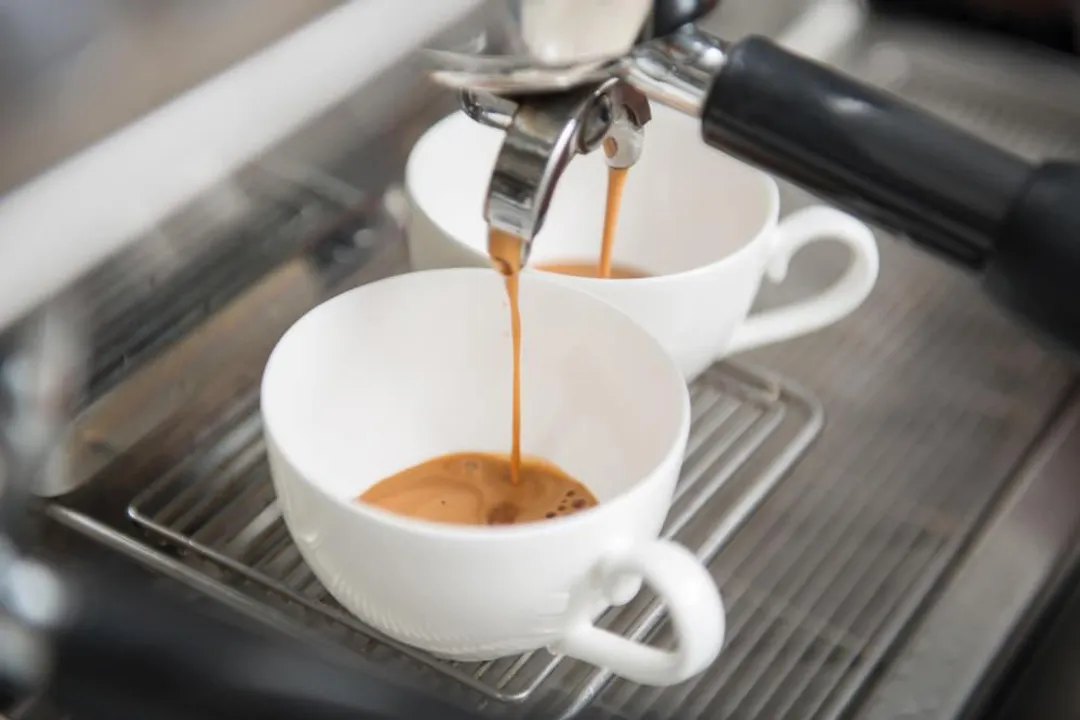
Coffee culture is also highly regimented. Cappuccino is strictly a morning drink, often accompanying a pastry like a cornetto, and ordering one after 11 a.m. can lead to confused stares. If you order a latte, you receive a glass of milk; the proper term for coffee with milk is caffè latte, though an espresso is the true standard.
Finally, the meal concludes with a digestivo like Limoncello, the sweet, tart liqueur made from Sorrento lemons along the Amalfi Coast. The tradition of sipping this cool liquid neatly finishes the intricate, region-specific, and delicious process that makes up a true Italian meal. The complexity is the beauty; you don't look for three foods, you look for three regions and savor the difference.
Related Questions
#Citations
Must-Try Food Italy is Famous For - Guided by Destiny
10 Must-Try Italian Foods That Go Beyond Pasta and Pizza
12 Traditional Italian Restaurant Dishes You Can't Miss
Which dishes best represent the cuisine of Italy? : r/askitaly - Reddit
A Guide to Italian Cuisine: Its History, Flavors, and Influence on ...
Guide to the Traditional Italian Meal Structure - Cucina Toscana
35 Italian Foods You Absolutely Need to Try - Travelsphere
The Three Italian Cuisines And Their Differences - Cook Plate Fork