What are the three types of food storage?
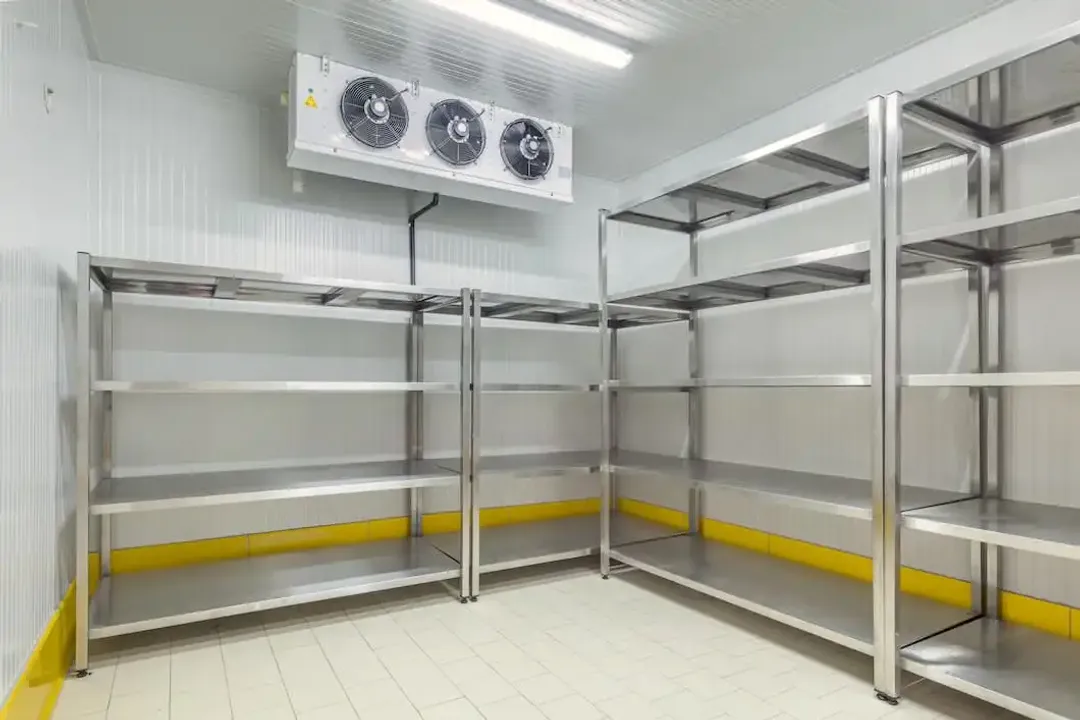
The foundation of food management, whether for daily sustenance or emergency preparedness, rests upon understanding how to properly store what we consume. Food storage is fundamentally an exercise in decreasing the variability of the food supply, allowing edibles to be consumed weeks or months after they are harvested or produced. While modern logistics manage this on a global scale, for the individual or business, the 'types' of storage often boil down to the fundamental state and condition of the food itself. When speaking strictly of methods for long-term preservation, three distinct categories frequently emerge as the backbone of durable supplies: dry pantry staples, commercially canned goods, and advanced freeze-dried preparations.
# Pantry Staples
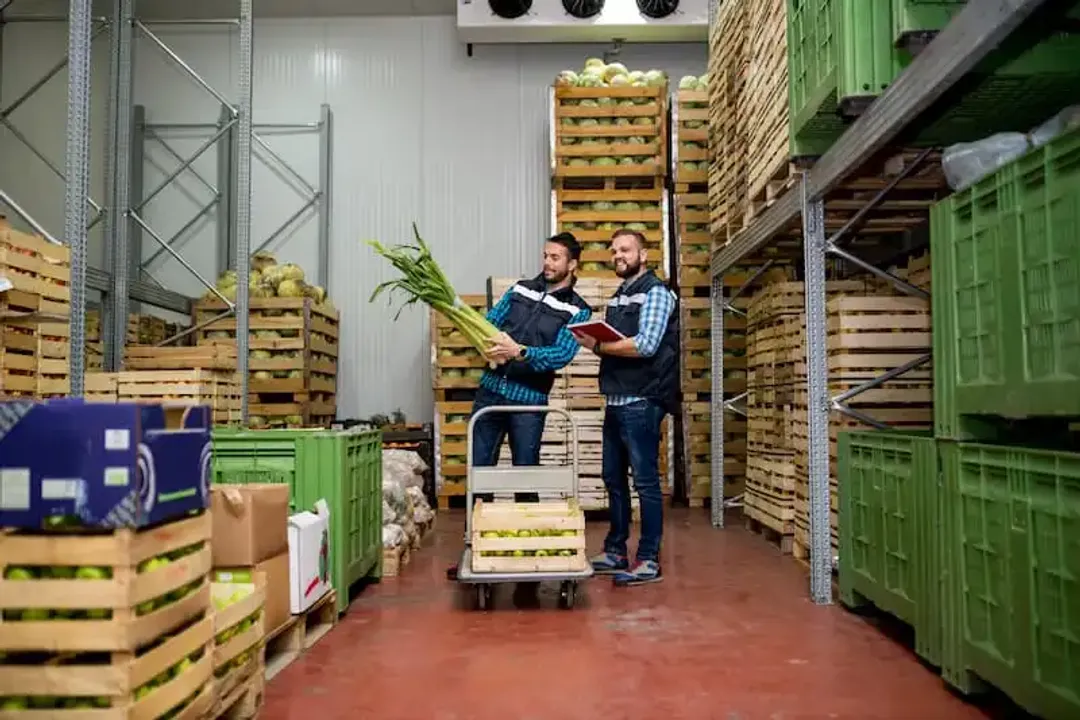
The first category centers on basic, dry bulk foods, often considered the building blocks for any well-rounded, long-term stock. These include items like rice, beans, pasta, oats, flour, and sugar. This method is often the most cost-effective way to acquire significant caloric reserves.
The longevity of dry staples hinges entirely on environmental control. When stored correctly—in cool temperatures, ideally below , and sealed in airtight containers—these items can last for a decade or more, with some reports suggesting wheat can last for twenty years or longer. However, proper storage requires more than just a box; it demands protection from moisture and pests. Certain dry ingredients, like sugar and spices, are hygroscopic, meaning they readily attract and absorb surrounding moisture, leading to caking or, worse, providing the necessary water content for bacterial contamination. Because of this moisture risk, storing these items at least six inches off the floor is a standard safety guideline to guard against moisture wicking up from damp concrete or the potential for pests.
A key consideration for dry bulk is the required input for consumption. Unlike ready-to-eat items, these staples often necessitate additional tools and resources—a grinder for wheat to make flour, or a heat source for cooking beans and grains. This trade-off is important: you gain extremely long shelf life and low unit cost, but you sacrifice immediate convenience. An essential practice when relying on these staples is food rotation, often called (First-In, First-Out), ensuring the oldest inventory is used first to maximize freshness and prevent waste.
# Canned Goods
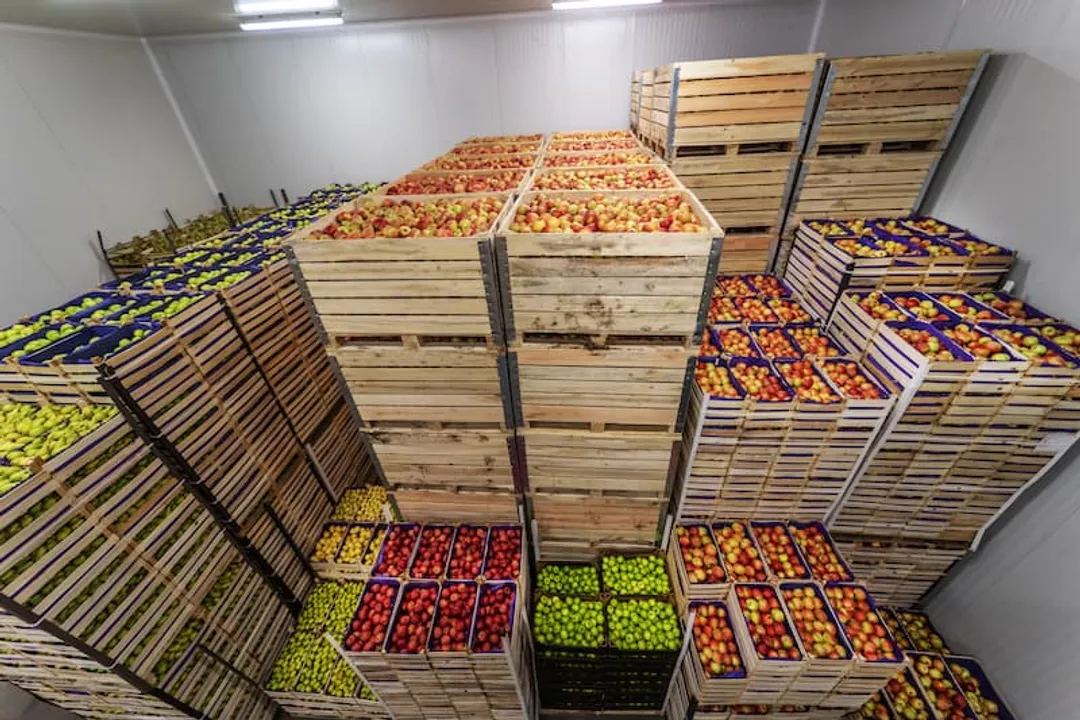
Canned goods represent a common entry point into food storage. The canning process involves sealing food inside a container, typically metal, and then subjecting it to heat treatment to eliminate microorganisms, making the contents shelf-stable for extended periods. This category is often favored for its simplicity in preparation—the food is usually ready to eat or requires minimal heating.
The shelf life within this category is not universal; it depends heavily on the food's acidity. High-acidity foods, such as tomato products or certain fruits, generally have a shorter potential life, sometimes only around 18 months to 2 years. Conversely, low-acidity items can often maintain quality for 2 to 5 years when kept in a cool, dry place.
While convenient, canned goods introduce different storage concerns compared to dry goods. Weight and bulk are significant disadvantages, especially when storing for the long term. Furthermore, physical inspection is non-negotiable. Any can with substantial dents, swelling, or signs of damage must be treated with suspicion due to the potential risk of botulism, a life-threatening form of food poisoning associated with anaerobic bacteria. For commercial settings or high-volume storage, ensuring metal containers are lined correctly is also necessary if storing acidic contents to prevent corrosion or leaching.
# Advanced Preservation
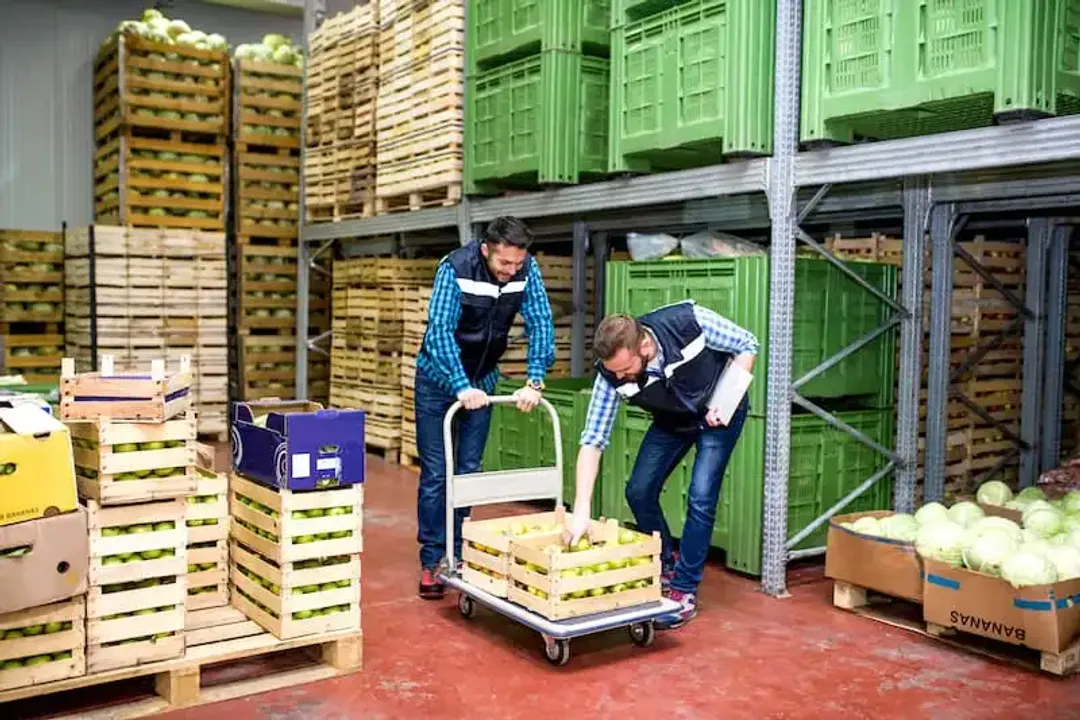
The third primary type for long-term planning involves more modern preservation techniques, chiefly freeze-dried foods and, in some contexts, Meals Ready-to-Eat (MREs). Freeze-drying is a sophisticated method where moisture is rapidly removed while the food is frozen, leading to superior retention of the original product’s characteristics.
The primary advantages of freeze-dried items are their minimal weight, compact size, and extended longevity. These foods can often maintain quality for 25 years or even longer when stored within controlled, cool conditions. In terms of nutritional integrity, this method is superior; it retains approximately 99% of the original nutrients, flavor, and texture, meaning preparation often involves only adding water and waiting a short time. This ease of preparation contrasts sharply with dehydrated foods, which require higher heat, more cooking time, and thus more fuel resources.
MREs, while often grouped in this category due to their long-term, ready-to-eat nature, rely on different processing methods that can sometimes result in a noticeable loss of taste over many years compared to their freeze-dried counterparts, often making them a less favorable choice for preppers focused on quality retention.
An important distinction to draw here, even when focusing on shelf-stable items, is the concept of nutritional exhaustion in long-term planning. Relying solely on a diet of plain rice and beans, even if stored perfectly, can lead to appetite fatigue and reduced caloric intake simply because the meal becomes unappealing. The inclusion of varied freeze-dried fruits or specialized meal pouches helps mitigate this psychological barrier to consumption during extended storage periods.
# Temperature Control Environments

While the three categories above focus on shelf-stable preservation, they exist alongside, and must be clearly separated from, temperature-controlled storage, which is essential for perishable items. Food storage, in the broadest sense, encompasses conditions that are dry, refrigerated, or frozen, depending on the product's intended shelf life and moisture content.
Refrigeration is necessary for high-risk foods, such as fresh produce, dairy, and raw meats, that are intended for use within weeks rather than years. The critical factor in refrigerated storage is maintaining a temperature of () or below; this temperature significantly minimizes the growth rate of most harmful pathogens, though it does not halt the spoilage process entirely.
Within a professional or even well-organized home refrigerator, arrangement matters immensely to prevent cross-contamination. Juices dripping from raw items can spread pathogens to foods that won't be cooked or will only be heated minimally. Therefore, the general rule mandates stacking shelves from the lowest required cooking temperature to the highest cooking temperature, going from top to bottom.
| Shelf Level | Recommended Food Type | Example Foods |
|---|---|---|
| Top Shelf | Ready-to-Eat | Pre-cooked salads, leftovers served cold |
| Middle Shelves | Foods cooked to or | Whole seafood, whole cuts of beef, ground meats, injected meats |
| Bottom Shelf | Foods cooked to | All poultry, stuffing containing temperature-controlled ingredients, casseroles |
It is vital to cool hot foods rapidly before placing them in the refrigerator; stacking hot items inside raises the ambient temperature above the safe threshold, promoting rapid bacterial growth in already-stored cold foods.
Freezing, defined as maintaining temperatures below (), essentially halts bacterial reproduction and significantly slows down the enzymatic reactions that degrade quality. While frozen foods can be kept almost indefinitely regarding safety, their quality (texture, flavor) will eventually deteriorate over time. Starchy foods, for instance, can have their texture permanently damaged by the formation of ice crystals during the freezing process, making them unsuitable for this environment even if they remain safe to eat.
Ultimately, successful food storage requires a tailored approach. The overarching principles uniting all methods—whether you are sealing wheat in a mylar bag for twenty years or chilling fresh vegetables for four days—revolve around controlling the environment to exclude contaminants and delay quality deterioration. This means constant monitoring of temperature and humidity, using appropriate, sanitized containers, and adhering strictly to date marking and rotation protocols, regardless of whether the food is shelf-stable or requires active chilling.
Related Questions
#Citations
Fridge Storage for Food Safety
What are the Different Types of Food Storage? - Ready Store
Guide to Long-Term Food Storage: Best and Worst Ways to Store Food
These Three Food Categories are Perfect for Long-Term Food Storage
Food storage - Wikipedia