When did they start putting best by date on food?
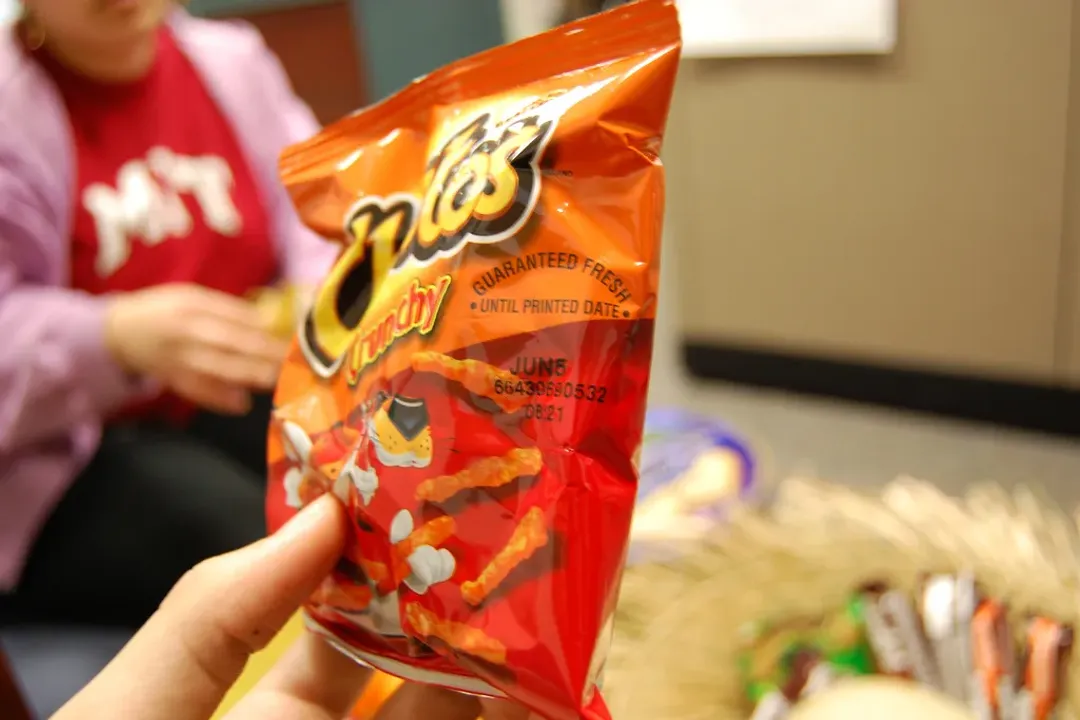
The timeline for when food started bearing printed dates is far less straightforward than the simple "Use By" stamped on a carton of milk today. There wasn't a singular, federal mandate that flipped a switch across the entire food industry overnight. Instead, the practice evolved slowly, starting voluntarily in the middle of the 20th century, primarily as a quality control measure rather than a strict safety decree. [4][6]
# Thirties Origins
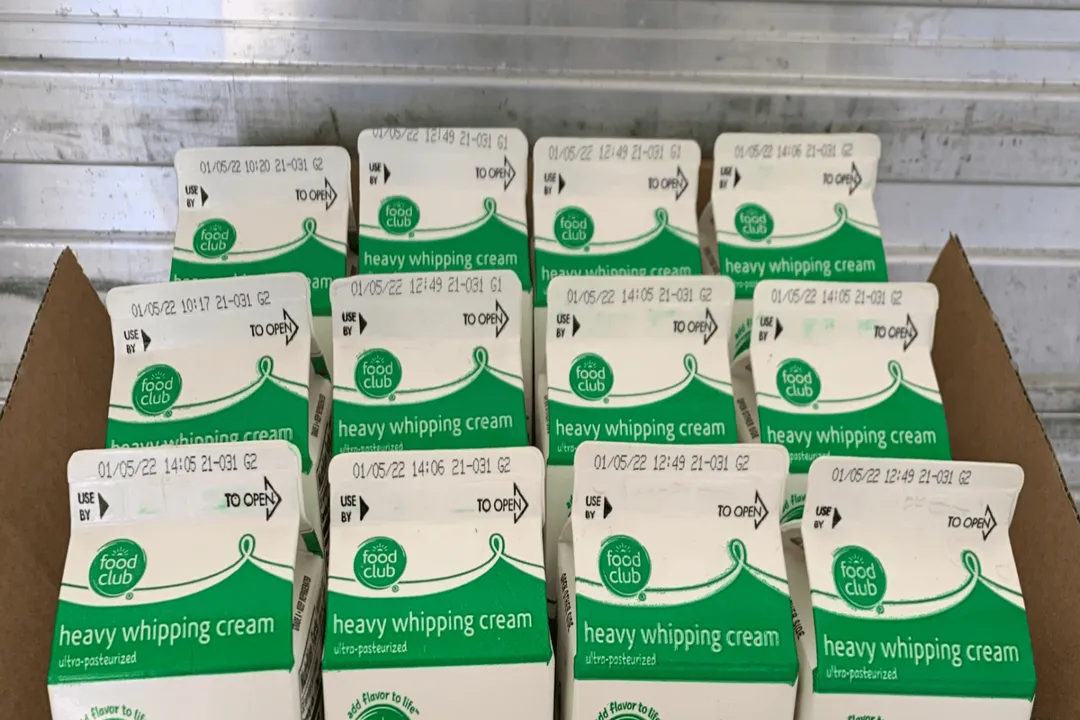
The concept of dating food products began to gain traction around the 1930s. [2][3] This early adoption wasn't driven by broad consumer demand for safety guarantees, but rather by manufacturers trying to signal freshness, particularly in perishable goods. [6] Some historical accounts point to specific developments in food processing that necessitated clearer tracking. For instance, when vitamins were added to certain staples, like milk, manufacturers needed a way to assure consumers that the fortified product was still potent, leading to the initial use of dates to indicate peak nutritional value. [3] It is noted that some early adoption of dating systems in the US was even influenced by figures like Al Capone, who allegedly utilized dating on certain food products as a way to demonstrate his own commitment to quality and safety standards, albeit in a very specific, criminal context. [3]
However, even as these early dates appeared, they remained entirely voluntary for most products throughout the decades that followed. [2][6] The federal government did not step in to mandate dating for general foods, leaving the responsibility, and the choice, entirely up to the individual company producing the item. [8] This lack of uniformity meant that a product from one company might have a date stamp, while an identical product from a competitor might not. [4]
# Quality Indicator
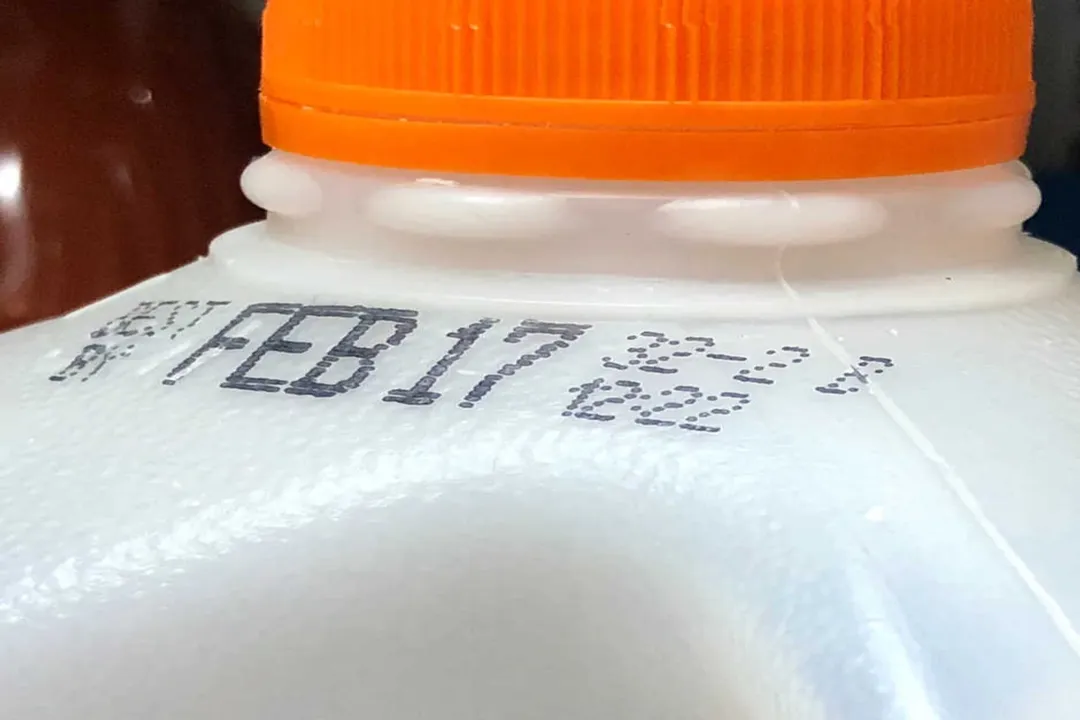
A crucial point to grasp about these early dates—and most dates still used today—is the intent behind them. The majority of date labels printed on groceries are not related to food spoilage or safety. [5][8] Instead, they serve as a manufacturer's best guess at when the product will be at its peak quality, flavor, or texture. [1][6]
For example, a jar of peanut butter might display a "Best By" date that signals the point where the oil separation might become more pronounced, or a box of crackers might indicate when the crunch factor begins to fade. [5] Consumers often mistake these quality indicators for expiration dates, leading to unnecessary discarding of perfectly safe food. [1] The USDA’s Food Safety and Inspection Service confirms this, noting that outside of a few specific items, these printed dates generally do not indicate when a food will become unsafe to eat. [8]
The only major exception to this general rule is infant formula. Federal law requires formula to be dated, and this date ensures that the product still contains the nutrients listed on the label, making it a safety and efficacy deadline, not just a quality suggestion. [4][8]

# Label Jumble
As the practice expanded in the late 20th century, the biggest challenge for consumers wasn't the absence of a date, but the sheer variety of dating language used by different manufacturers. [2] This created a confusing system where the same underlying concept—a recommendation for freshness—was communicated using several different phrases:
- "Sell By": This date is primarily aimed at the retailer, guiding them on when to pull the product from the shelves to ensure the consumer has sufficient time to use it at home. [6]
- "Best If Used By" or "Best By": This is the classic quality marker, suggesting when the food is at its optimal state regarding taste and texture. [6]
- "Use By": While often treated as the final word, this date is still usually a quality suggestion, though it often appears on more perishable items. [2]
If you map out the intended audience for these common quality indicators, you can see a clear division of responsibility, though consumers often absorb all of them as hard deadlines.
| Label Term | Primary Audience | Suggested Intent |
|---|---|---|
| Sell By | Retailer | Inventory management; dictates shelf life remaining for consumer purchase |
| Best By / Best If Used By | Consumer | Peak flavor and quality |
| Use By | Consumer | Final date for optimal eating experience (rarely an absolute safety cut-off) |
This patchwork approach meant that understanding a date required knowing the specific industry convention for that product type, an expectation that proved too much for the average shopper. [4] It is interesting to consider that even today, a manufacturer choosing the phrase "Best By" over "Sell By" for a specific product line might be making a subtle decision based on avoiding customer complaints about slightly diminished quality, even if the product remains perfectly safe for weeks afterward. This subtle distinction between inventory management and consumer perception drives a significant part of the dating landscape.
# Modern Practices
The lack of standardization and the consumer perception of these dates have led directly to significant issues with food waste. [1] Because consumers often interpret any date printed on packaging as a hard "do not eat after this date" warning, massive amounts of safe food are prematurely discarded. [1][4]
Anecdotally, some consumers report noticing retailers or manufacturers shortening these dates in recent years, perhaps to reduce liability or to cater to a consumer base that demands absolute perfection in their groceries. [7] While not a formalized national trend, this observation highlights how market pressure influences the duration assigned to these markers, regardless of the product’s actual remaining shelf life.
In many European nations, there has been a trend toward simplifying these labels, often using only "Best Before" for quality and "Use By" for safety, recognizing the need to draw a clearer line for the consumer. [4] In the United States, however, the system remains largely decentralized. Unless you are dealing with infant formula, the date on the package is a suggestion provided by the company that made the food, not a government-enforced safety deadline.
Ultimately, the starting point for food dating in the US—the voluntary quality markers of the 1930s—has evolved into a complex system where trust is placed in the manufacturer's stated quality window rather than a universally applied safety standard. For the shopper looking at a six-month-old can of soup or a slightly soft loaf of bread, the key takeaway is to engage your senses—look, smell, and then taste—before relying solely on the faded ink from decades of voluntary tradition. [5][8]
Related Questions
#Citations
How Misunderstood Expiration Dates Contribute to ...
History of Expiration Dates
Al Capone and the Short, Confusing History of Expiration ...
Expiration date
What you need to know about “expiration dates”
“Sell By” And “Best By” Dates on Food Are Basically Made ...
Has anyone else noticed retailers shortening the expiration ...
Food Product Dating | Food Safety and Inspection Service