What is the main consequence of consumers misinterpreting printed dates as absolute safety deadlines?
Answer
Massive amounts of perfectly safe food are prematurely discarded, leading to food waste
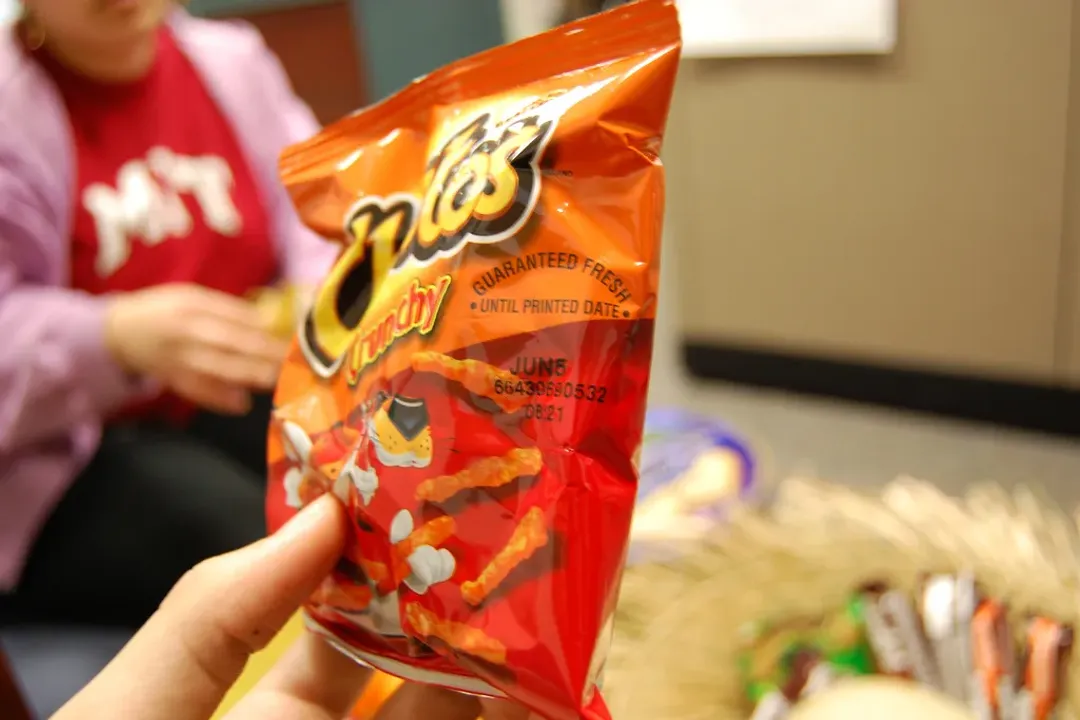
The widespread consumer tendency to treat any printed date—whether 'Sell By' or 'Best By'—as an inviolable expiration warning directly contributes to significant food waste. Because consumers lack the context that most dates relate to quality rather than immediate danger, they often dispose of food items that are still entirely safe for consumption, sometimes for weeks or months past the printed marker. This widespread, unnecessary discarding represents a major economic and environmental challenge stemming from date label misinterpretation.
Related Questions
What primarily drove the initial voluntary adoption of dating food products starting around the 1930s?Which specific food item requires dating by federal law to ensure nutrient potency listed on the label?Who is the primary intended audience for the 'Sell By' date label according to industry convention?What is the fundamental intent behind the majority of date labels printed on groceries sold today?Which historical figure allegedly influenced early US food dating systems as a demonstration of quality?What challenge did the expanding practice of food dating create for consumers in the late 20th century?What specific quality degradation is cited as an example for a 'Best By' date on crackers?How was food dating treated for most products immediately following its initial voluntary appearance in the mid-20th century?What is the main consequence of consumers misinterpreting printed dates as absolute safety deadlines?What final piece of advice is given to the shopper when evaluating older food items based on voluntary tradition?