What challenge did the expanding practice of food dating create for consumers in the late 20th century?
Answer
The sheer variety of dating language used by different manufacturers created confusion
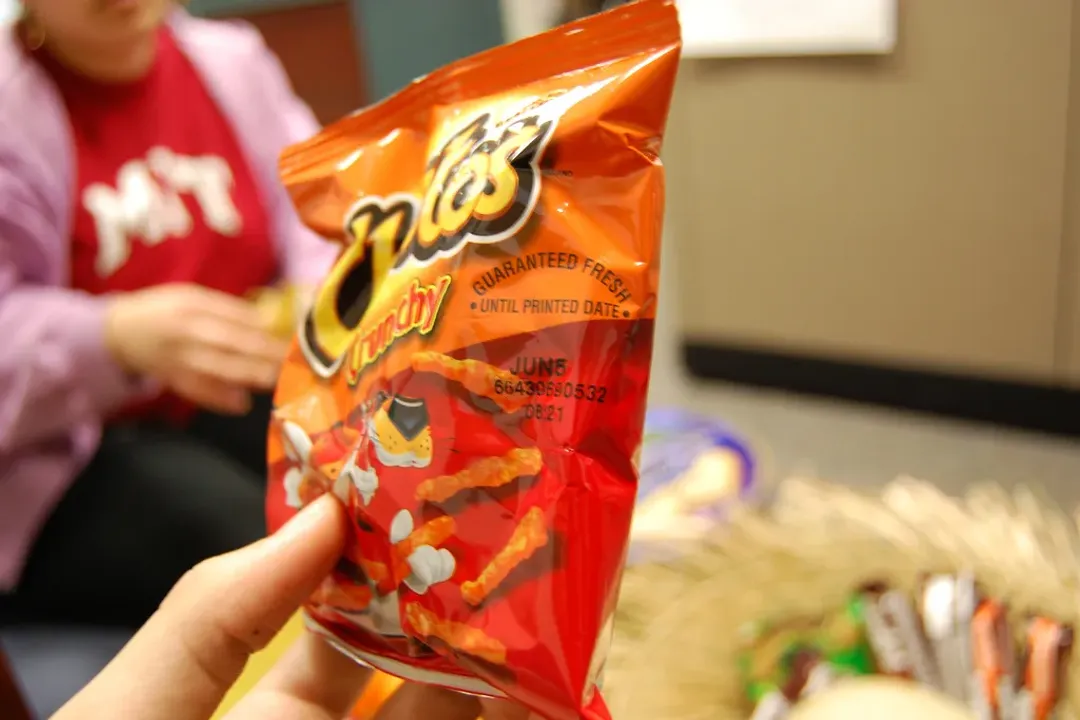
As the practice of dating foods became more widespread in the latter half of the 20th century, the central obstacle for the average consumer was not the absence of a date, but the proliferation of inconsistent terminology. Different companies used various phrases—such as 'Sell By,' 'Best By,' or 'Use By'—to communicate essentially the same underlying concept of suggested freshness. This patchwork system meant that a shopper had to understand the specific, unwritten industry convention associated with each product type to correctly interpret the label's meaning.
Related Questions
What primarily drove the initial voluntary adoption of dating food products starting around the 1930s?Which specific food item requires dating by federal law to ensure nutrient potency listed on the label?Who is the primary intended audience for the 'Sell By' date label according to industry convention?What is the fundamental intent behind the majority of date labels printed on groceries sold today?Which historical figure allegedly influenced early US food dating systems as a demonstration of quality?What challenge did the expanding practice of food dating create for consumers in the late 20th century?What specific quality degradation is cited as an example for a 'Best By' date on crackers?How was food dating treated for most products immediately following its initial voluntary appearance in the mid-20th century?What is the main consequence of consumers misinterpreting printed dates as absolute safety deadlines?What final piece of advice is given to the shopper when evaluating older food items based on voluntary tradition?