Who invented best before date?
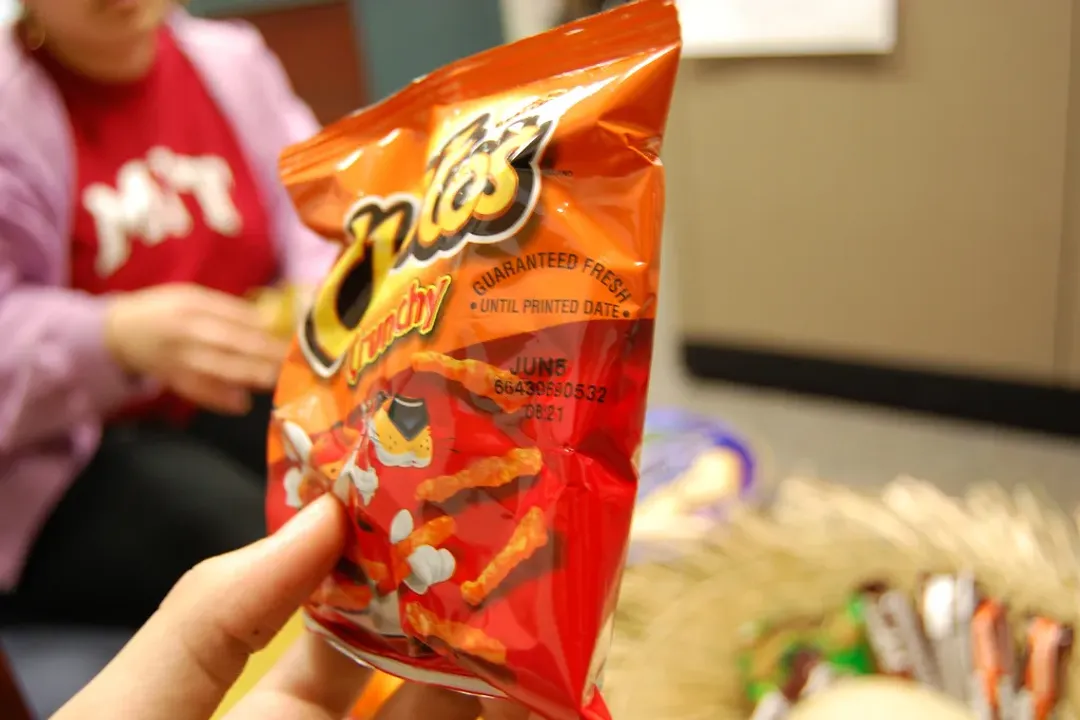
The small, stamped letters on your carton of milk or loaf of bread often feel like an immutable law of grocery shopping—a fixed point in time dictating freshness. Yet, the history of the "best before" date, and its cousins like "sell by" and "use by," is far messier, evolving through consumer demand, inventory tracking, and, most colorfully, the alleged intervention of one of America’s most infamous criminals. This journey from opaque industry codes to transparent consumer guidance reveals less about a single inventor and more about shifting public trust in the food chain.
# Gangster Legend
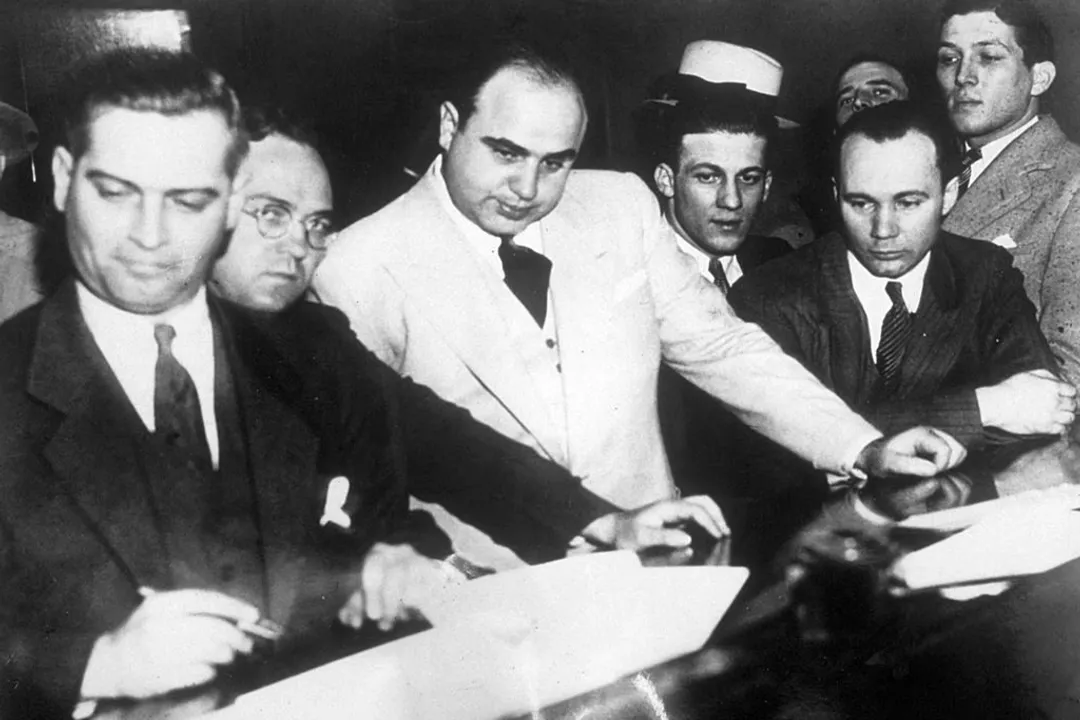
The story that captures the public imagination, linking organized crime to food safety, centers squarely on Al Capone. This popular narrative suggests that the powerful Chicago gangster, tired of the violent life of bootlegging as Prohibition neared its end, sought a more legitimate venture—specifically, the milk industry.
The catalyst, according to the legend, was highly personal: a family member, perhaps a niece, allegedly became seriously ill after consuming contaminated milk. This supposed tragedy spurred Capone to take drastic action against the dangerous adulteration of dairy products common at the time, which sometimes involved adding substances like chalk or formaldehyde to mask spoilage. The story goes that Capone then aggressively lobbied the Chicago City Council to mandate visible date stamps on all milk containers. In some versions, his control over local bottling facilities, inherited from his earlier illegal operations, gave him the means to implement these new markings. This narrative casts Capone, momentarily, as a champion of public health, concerned for the safety of children and pregnant women. It is a compelling idea: that a figure synonymous with violence could be the catalyst for a regulation that saves countless people from illness.
# Fact Versus Fiction
While the image of Capone threatening city officials over milk quality is memorable, historical review often suggests this tale is more folklore than fact. Fact-checking inquiries into this specific claim frequently find no credible historical evidence to support the assertion that Capone was the reason we have expiration dates.
If Capone was indeed responsible for a 1930s push for milk dating in Chicago, it was localized and far ahead of the widespread adoption seen elsewhere. The broader movement toward clear, consumer-facing dates occurred much later, primarily during the 1970s. What seems clear is that consumers in the 1960s began buying more processed foods, leading to increased anxiety about the safety and freshness of ingredients they no longer sourced directly. This anxiety manifested in surveys: one from 1975 showed that 89 percent of shoppers favored dating systems, with 95 percent listing "open dating" as the most useful consumer service for freshness concerns. Capone’s alleged action, even if true, seems to have been a very localized event that preceded the national consumer trend by decades.
It is interesting to consider why such a story persists. People often seek to reconcile the monstrous actions of notorious figures with a single, understandable, or even positive outcome. Assigning the creation of a helpful everyday system to someone like Capone adds a layer of dramatic irony, transforming an urban myth into a memorable historical footnote, even if it replaces the actual, more mundane drivers of food regulation. Furthermore, Capone's documented efforts to support the community through soup kitchens during the Depression lend tangential credence to the idea that he could have involved himself in public welfare issues.
# Industry Origins
The actual origins of food dating point to internal business needs rather than criminal intervention. Before consumers saw clearly marked dates, manufacturers and retailers used "closed" dating systems. These were numerical codes, often undecipherable to the public, used solely by staff to manage inventory, track stock rotation, and ensure the oldest items moved first.
The shift to consumer-facing dates began quietly in the United Kingdom. Marks & Spencer, the retailer, introduced the humble "sell-by" date in its storerooms in the 1950s, eventually placing them on shelves by 1970. It wasn't even officially called a "sell-by date" until 1973. The public reaction favored this transparency, prompting many U.S. supermarkets to voluntarily adopt similar open dating systems throughout the 1970s in response to customer interest. This consumer-driven demand then led various states to mandate labeling laws that remain in effect today.
Interestingly, while the industry was driven by inventory management, the only federal dating requirement in the United States remains for infant formula. For nearly everything else, including items like milk, eggs, and meat, state laws or voluntary corporate action provide the dates we rely on.
# Date Meanings
The term "best before date" itself is only one component of a confusing landscape of labeling. Understanding the specific language is vital, as conflating the different types of dates is a primary cause of unnecessary food waste.
# Safety Versus Quality
Food dates generally fall into two essential categories defined by regulatory bodies and scientific testing:
- "Use By" Date: This is a safety deadline. It applies primarily to highly perishable chilled foods like cooked meats, prepared salads, and some dairy items. If a food passes the smell test but is past its "use by" date, it must still be discarded, as it may harbor harmful bacteria that don't affect appearance or odor, such as Listeria. Listeria is particularly concerning because it can grow even in refrigeration temperatures.
- "Best Before" Date: This is a quality guideline. It relates to when the product will be at its peak flavor, texture, and aroma. Foods bearing this label—typically having a longer shelf life like canned goods, pasta, or cereal—are usually safe to consume after the date passes, though they might taste slightly stale or have a minor textural change.
When we consider the role of the "best before" versus the "use by" date, an interesting insight emerges regarding consumer behavior and waste. While most people might instinctively perform a smell check, for foods marked "use by," that sniff test is critically dangerous because foodborne pathogens like Listeria can be invisible and odorless. However, for items marked "best before," the sniff test is often the most practical measure. In the United States, for example, consumers often discard perfectly good food because they equate the "best before" date with spoilage, a habit that manufacturers may benefit from, as it encourages repurchase. For long-life pantry staples, trusting your senses after the "best before" date is generally safe practice, assuming the packaging itself remains intact.
| Date Type | Primary Concern | Perishable Examples | Action Past Date |
|---|---|---|---|
| Use By | Safety/Pathogens | Chilled dairy, cooked meat, prepared salads | Discard rigidly |
| Best Before | Quality/Flavor | Canned goods, pasta, cereals | Assess by look/smell (Guideline) |
This distinction underscores a modern paradox: we have dates primarily because we lost direct connections to food production, yet the very dates we demanded often lead us to waste food that remains perfectly edible. The real "invention" wasn't the date itself, but the consumer demand for transparency that transformed an industry inventory code into a mandated quality standard. Had Capone truly succeeded in a sweeping legal change in the 1930s, the evolution of food dating might have been accelerated, but the final form we see today is a product of post-1960s consumer culture and evolving state regulations, not the singular will of a gangster trying to legitimize his empire.
Related Questions
#Citations
Al Capone is the reason we have expiration dates on milk bottles ...
“Sell By” And “Best By” Dates on Food Are Basically Made Up—But ...
Here's How Alcapone Got Expiration Dates in Milk Bottles - Cookist
The truth behind 'Use by' and 'Best before' dates | Safefood
Did you know that Al Capone invented expiration dates ... - YouTube