For items marked "best before," what is the most practical consumer measure after the date passes?
Answer
Assessing by look/smell (sniff test).
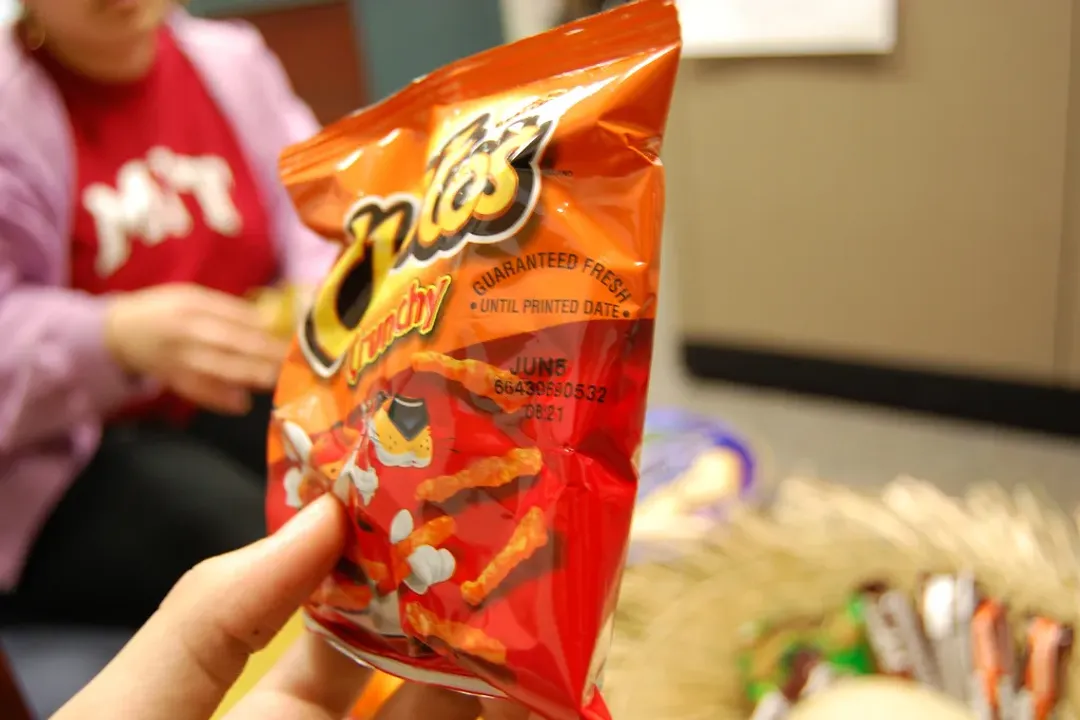
The distinction between safety deadlines ("Use By") and quality guidelines ("Best Before") directly impacts how consumers should react to expired food. For products bearing the "Best Before" label—such as canned goods, pasta, or cereal—which are generally shelf-stable, the risk of immediate pathogen contamination is low, making sensory evaluation a practical tool. If the packaging is intact, assessing the product's condition through looking at it and smelling it is considered the most reliable and practical measure to determine if the product's quality (flavor/texture) has degraded sufficiently to warrant disposal.
Related Questions
What tragedy allegedly spurred Al Capone to lobby for milk date stamps?When did the broader movement toward clear, consumer-facing food dates primarily occur?What was the sole purpose of the initial "closed" dating systems used by manufacturers?What specific product remains under a federal dating requirement in the United States?What primary concern defines the "Use By" date for highly perishable chilled foods?Which specific, harmful bacteria can grow even in refrigeration and is associated with "Use By" date failures?What 1975 survey result reflected consumer anxiety driving food dating systems?Which UK retailer introduced the "sell-by" date into its storerooms in the 1950s?For items marked "best before," what is the most practical consumer measure after the date passes?In the gangster legend, what did Capone allegedly inherit concerning milk facilities?What is the primary function associated with the "Best Before" date label?