What are three traditional Spanish dishes?
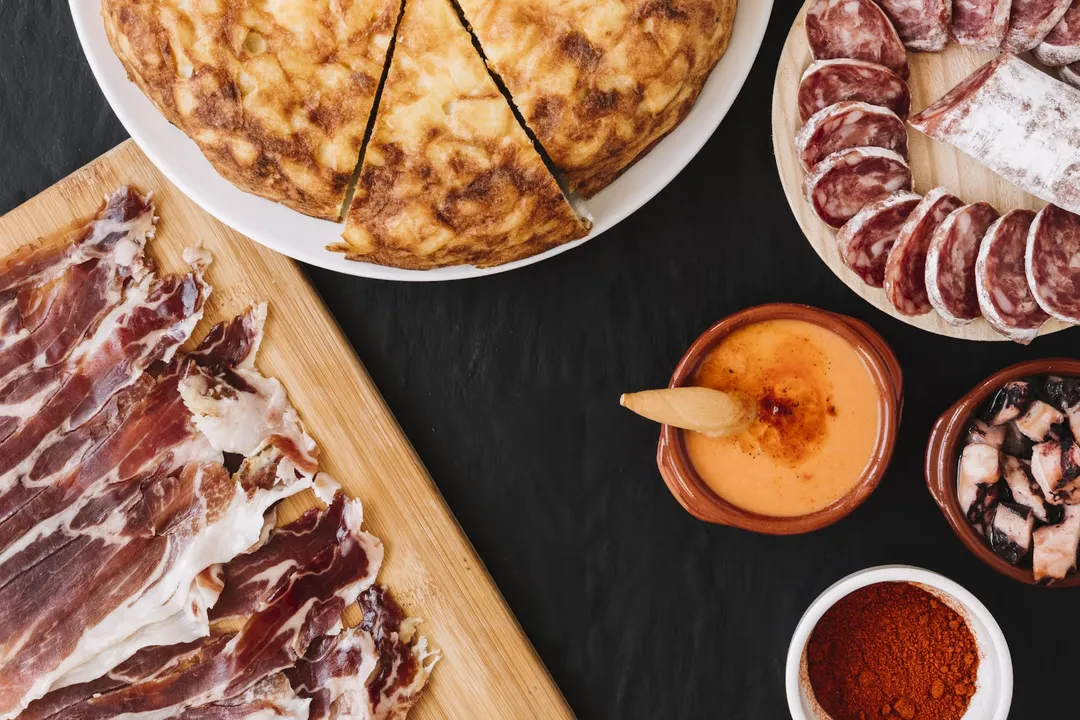
Spanish cuisine is incredibly diverse, reflecting the nation’s varied geography and history, moving far beyond simple stereotypes of tapas. [5][7] While every region boasts powerful local specialties—from the seafood of the northern coasts to the cured meats of the interior—a handful of dishes have achieved near-universal recognition, standing as cultural ambassadors for the country's culinary traditions. [8][9] These staples appear on menus from bustling city bars to quiet family gatherings, acting as culinary touchstones that connect the whole nation. [1] Understanding Spanish food means beginning with these foundational plates, the ones that even an enthusiastic visitor will encounter repeatedly during their stay. [6] We will focus on three of these pillars: the magnificent rice dish known as Paella, the deceptively simple Spanish Omelette, and the refreshing Andalusian cold soup, Gazpacho. [8][9]
# Paella Rice
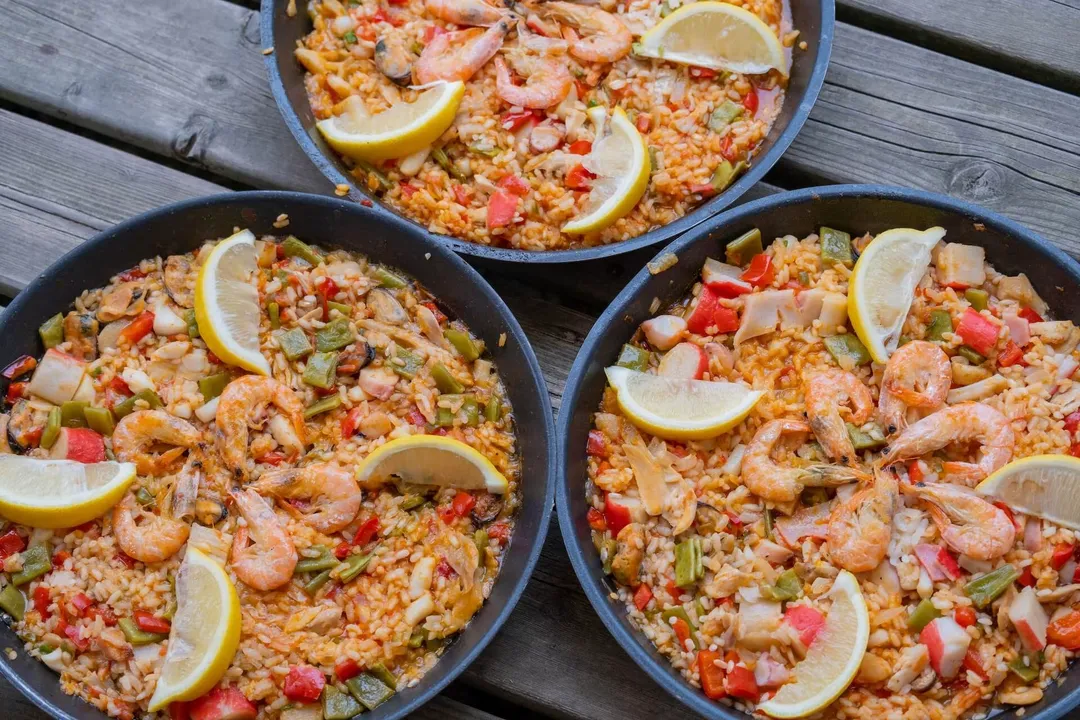
Paella might be the most internationally famous Spanish dish, instantly recognizable by its vibrant color and impressive presentation in a wide, shallow pan, the paellera. [8][9] It is a dish intrinsically tied to the region of Valencia. [8] While countless variations exist globally, the authentic spirit of paella remains rooted in its humble origins. [1]
The core of the dish involves rice, often a short-grain variety like Bomba, cooked in a broth that infuses it with incredible flavor. [3] Traditionally, paella was cooked outdoors over an open fire, which helped develop a desirable crust on the bottom called the socarrat. [9] Achieving the perfect socarrat—that slightly toasted, caramelized layer of rice that sticks to the bottom of the pan—is often considered the true test of a paella master. [9]
While the Valencian original typically features rabbit, chicken, and green beans, the coastal versions frequently incorporate seafood, creating the familiar paella de marisco. [8] It’s important for the novice eater to recognize that while seafood paella is delicious and common in tourist areas, the most traditional form hails from the interior, emphasizing local meats and vegetables. [1][8] This highlights a crucial element of Spanish cooking: what is "traditional" is often intensely localized. [5] A well-made paella is not soupy; the rice should be cooked until the liquid is completely absorbed, leaving the grains tender yet separate. [9]
If you are planning to cook this dish at home, keep in mind that the quality of the saffron, which provides both color and aroma, cannot be substituted without losing the dish's signature profile. [3] Also, while a truly spectacular paella should feed a crowd, do not mistake the size of the pan for a guarantee of authenticity; the technique and ingredients matter far more than simply scaling up a recipe. [3]
# Tortilla Simple
Next on our list is Tortilla Española, or the Spanish omelette, a dish that showcases Spanish culinary brilliance in minimalist execution. [1][9] It stands in stark contrast to French-style omelets, which aim for a delicate, barely set texture. [1] The Spanish tortilla is thick, substantial, and hearty, often served in wedges as a pincho (a small snack, often served on bread) or eaten as a main course. [2][9]
The ingredients are few: eggs, potatoes, and olive oil. [1][9] Salt is a given, but the inclusion of onion, or cebolla, sparks one of the most enduring—and perhaps lighthearted—culinary debates in all of Spain. [2][4] Some staunchly defend the tortilla sin cebolla (without onion), arguing for the purity of the potato and egg flavor, while others insist the onion is necessary for moisture and sweetness. [4] Experiencing a version with onion, especially a slow-cooked, sweet one, offers a remarkably different texture and depth of flavor than its purely potato counterpart. [2]
What is fascinating about the tortilla is its versatility and ubiquity. It is served hot, warm, or cold, making it a perfect dish year-round, whether you grab a wedge from a busy tapas bar or bake a whole one for a picnic. [2][5] Its simple nature means that the quality of the potato and the technique of frying it slowly in olive oil until tender before mixing with the beaten eggs are paramount. [1][9]
When looking at Spanish food compared to other European egg dishes, the tortilla’s heft and density set it apart. It functions more like a savory cake or a dense frittata, designed to be sliced and hold its shape perfectly, unlike the delicate, runny center prized in some other culinary traditions. [1] This makes it an excellent, filling option for travelers seeking something more substantial than a plate of cured meats or small bites. [7]
# Gazpacho Refreshment
To counterbalance the richness of the paella and the substance of the tortilla, we turn to Gazpacho, the iconic cold soup from the southern region of Andalusia. [1][8] This is perhaps the ultimate expression of Spain's reliance on its sun-drenched produce. [6] Gazpacho is not just a light appetizer; it is a necessity in the intense heat of the Spanish summer months, serving as a hydrating, nutrient-dense meal. [8]
At its foundation, gazpacho is a mixture of raw, blended vegetables, primarily tomatoes, peppers, cucumbers, garlic, and olive oil, often blended with bread to give it body. [6][8] The quality of the tomatoes is critical; they must be vine-ripened and bursting with flavor, as they form the bulk of the soup's body and sweetness. [6] The addition of a splash of vinegar, usually sherry vinegar, provides the necessary sharp counterpoint to the rich olive oil and sweet vegetables. [1]
Unlike many cooked vegetable dishes, gazpacho requires no heat source, which speaks to a different side of traditional Spanish cooking—one based on maximizing the freshness of ingredients harvested that very morning. [6] When visiting Andalusia, you will often find that every bar or restaurant has its own closely guarded recipe, perhaps adding a touch more onion, or using a specific type of bread for thickening. [1]
Consider the context of high-speed modern living: Gazpacho is a perfect example of a dish that actively combats the need for heavy, slow-cooked meals during the hottest part of the year. [6] It’s essentially a nutritional powerhouse in liquid form. In a region where midday temperatures can soar, this cold preparation is not just a preference but a practical adaptation to the climate. Its preparation embodies an ancient understanding of how to eat lightly and healthily under the summer sun. [6][7] While it is often served simply, sometimes restaurants offer small side garnishes—like finely diced peppers, croutons, or a swirl of olive oil—allowing the diner to customize the texture just before eating. [5]
# Regional Identity in Food
It is impossible to discuss traditional Spanish plates without acknowledging the sheer weight of regionalism. [5][9] While Paella, Tortilla, and Gazpacho offer excellent entry points, Spain’s culinary map is complex and deep. [8] For instance, in the north, you might find Cocido Madrileño, a substantial chickpea and vegetable stew, which contrasts sharply with the cold, raw freshness of Gazpacho from the south. [8][1]
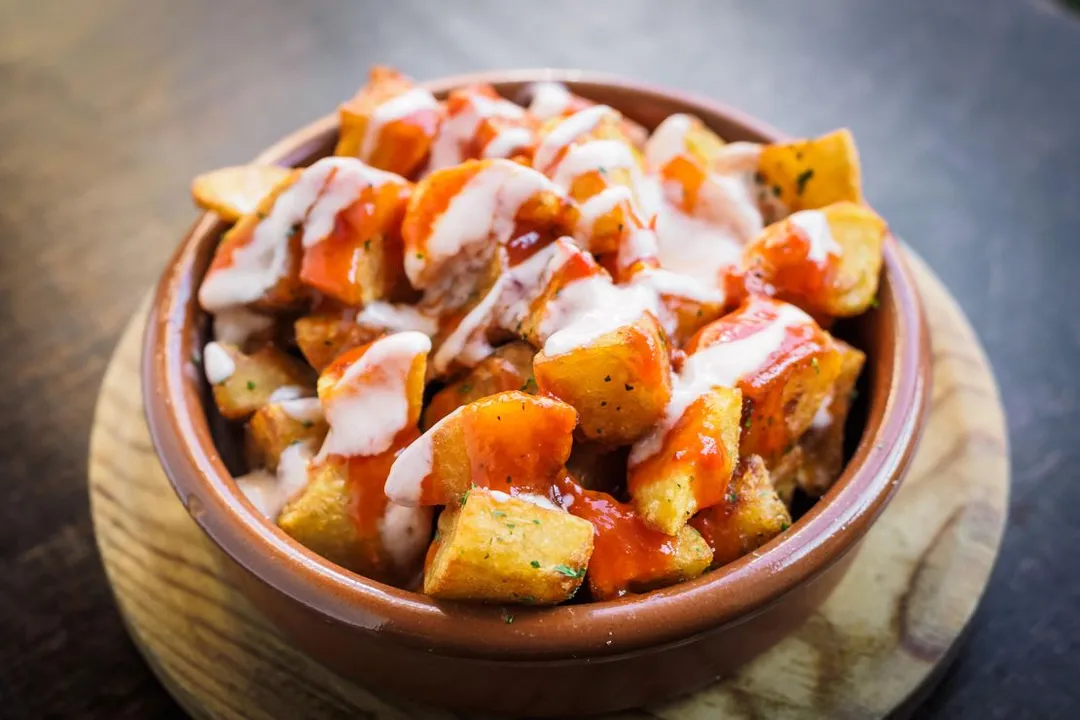
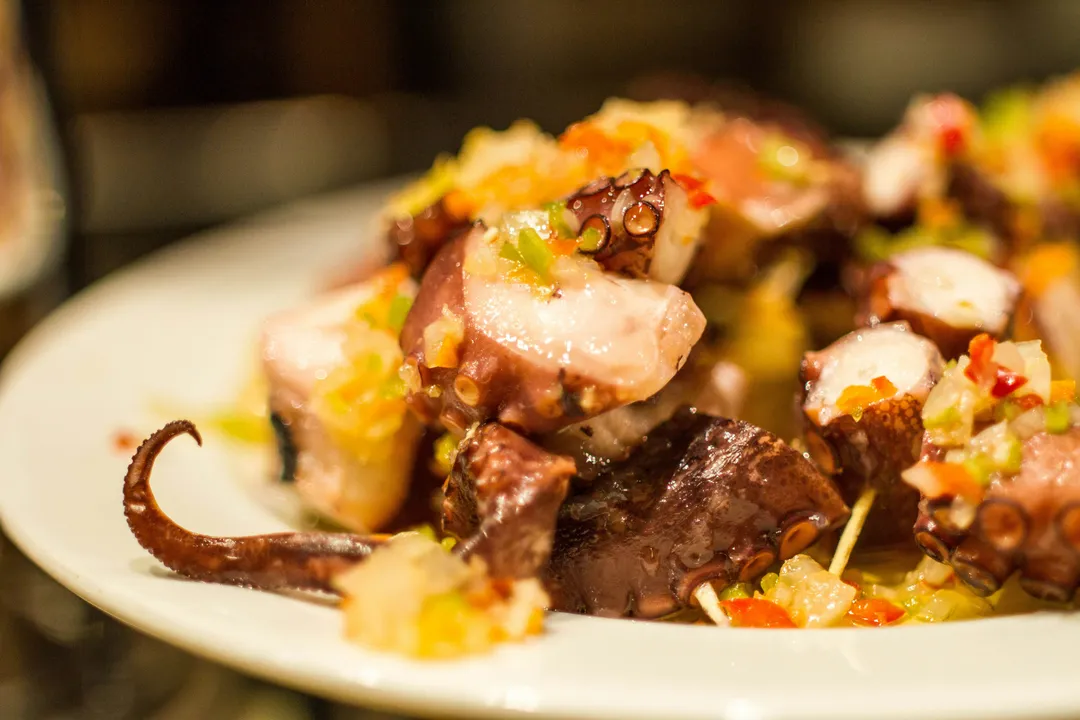
If you encounter a list of "top 20 essential Spanish recipes," you will often see many beloved items that don't quite reach the international fame of Paella but are deeply loved domestically, such as Patatas Bravas (spicy potatoes) or Pulpo a la Gallega (Galician-style octopus). [3][7] This reveals that true Spanish tradition is built from countless local specialties, many of which rely on ingredients sourced very close to home. [5] While the three dishes covered here represent the most famous exports, they only scratch the surface of the culinary mastery found across the autonomous communities. [9]
A helpful way to think about this variety is geographically. Imagine a gradient: the Mediterranean coast heavily features rice and fresh produce; the interior favors heartier meats, legumes, and slow-cooked casseroles; and the Atlantic north centers on world-class seafood and dairy. [5] Even something as simple as a piece of jamón, which is famous nationwide, carries distinct regional differences based on the pig’s diet—for example, the acorn-fed Ibérico ham is prized above others. [1]
# Final Thoughts on Tradition
These three dishes—Paella, Tortilla Española, and Gazpacho—each tell a part of Spain's story. [8] Paella speaks to the agricultural bounty of the east and the communal nature of eating rice dishes outdoors. [9] The Tortilla embodies everyday resourcefulness and sparks national conversation through its simple ingredients. [2][4] Gazpacho reflects the profound adaptation to a sunny climate through raw, fresh vegetables. [6]
When approaching Spanish food, whether ordering in a restaurant or attempting to cook at home, remember that simplicity often requires the highest quality ingredients. [1][3] In Spain, the best traditional food is rarely about complicated sauces; it’s about sourcing the best local produce, whether it's tomatoes for a cold soup or the right rice for a savory main course. [6][9] This dedication to ingredient quality is the silent, unifying thread running through all genuine Spanish gastronomy. [5]
Related Questions
#Citations
Top 10 Spanish Dishes That You Must Try - Meddeas
Ranking the Spanish Foods I've Had - CIEE
Top 29 Essential Spanish Recipes to Make at Home
Hello everyone! Looking for some traditional Spanish dishes any ...
15 Classic Spanish Dishes: A Guide to Regional Spanish Cuisine ...
What to Eat in Spain: 12 Typical Dishes of Spanish Cuisine
Spain Bucket List: 6 Dishes to Eat in Spain Besides Paella and Tapas
14 Spanish dishes everyone should try – from churros to jamón - CNN
Some famous Spanish recipes - Spain.info