What are three Spanish dishes?
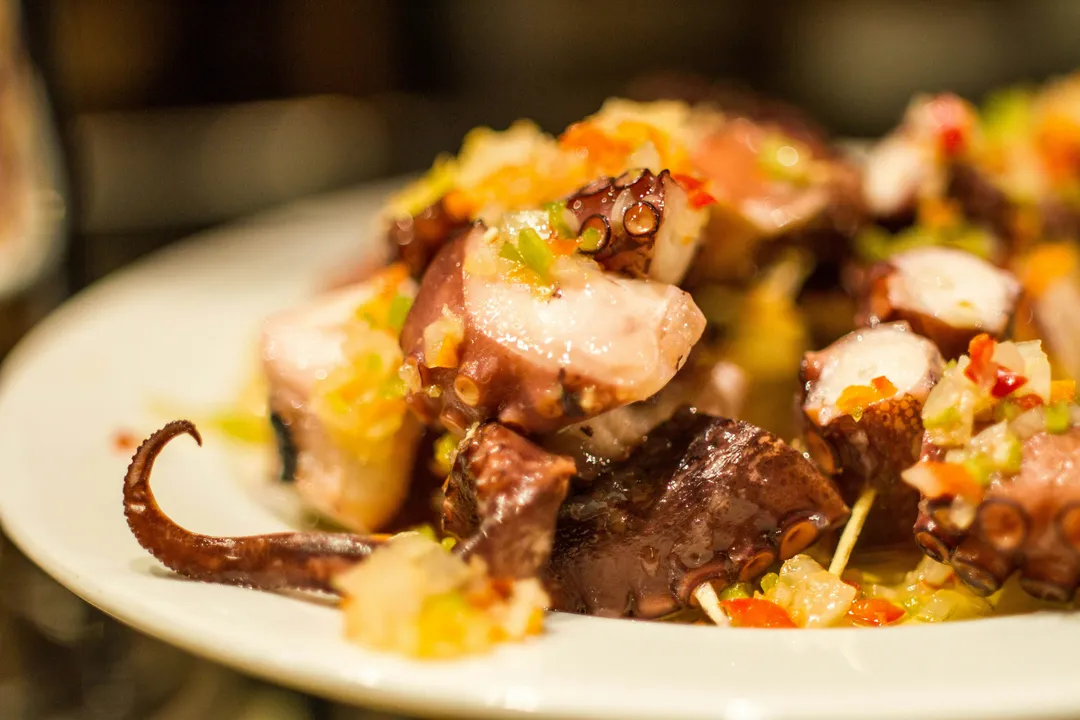
Spanish gastronomy is often celebrated globally for its sunny vibrancy and commitment to simple, high-quality ingredients, yet its true character lies in the depth of regional specialties. [2] While an international visitor might encounter a menu heavy with well-known staples, the reality on the ground reveals a cuisine shaped by varied geography, from the cold Atlantic coast to the hot south. [2] To truly grasp the heart of Spanish eating, one must look closely at dishes that serve as cultural touchstones, moving beyond mere generalizations. We can focus on three dishes that perfectly encapsulate this diversity: the ubiquitous Tortilla Española, the iconic rice dish Paella, and the essential tapa, Patatas Bravas.
# Tortilla Defined
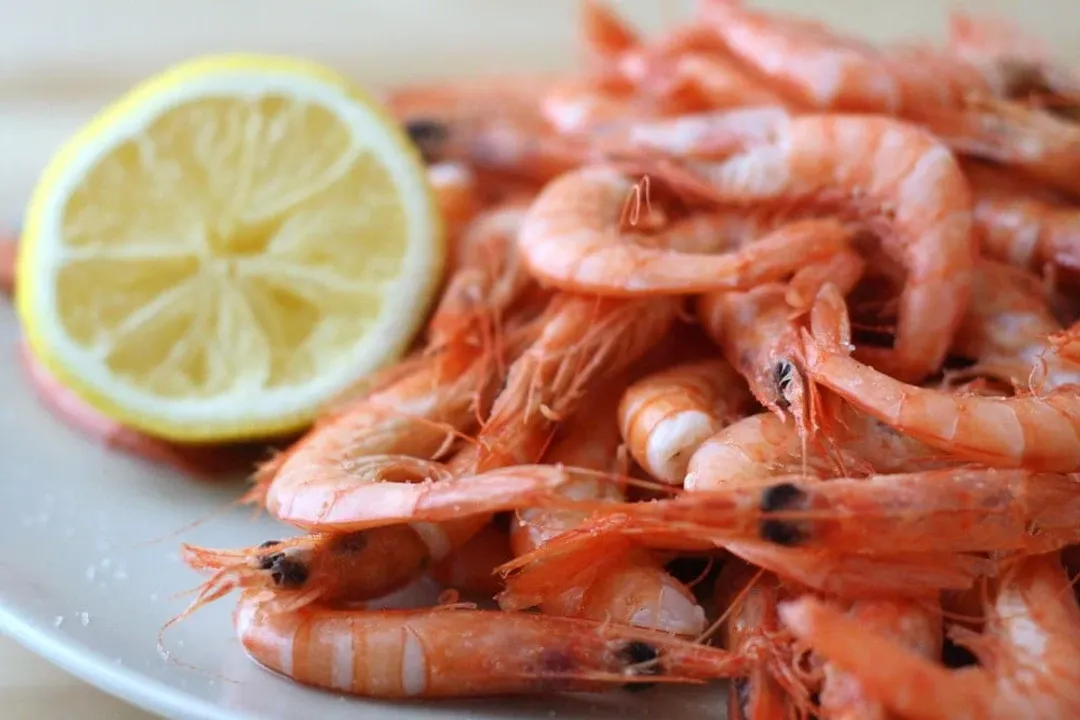
If one were forced to argue for a single, national dish that represents the everyday Spanish table, the Tortilla Española, or Spanish omelette, would be a serious contender. [5][8] While Paella carries the title of "most famous," the simple potato omelette is arguably the dish Spaniards eat most often across all hours and regions. [5] This dish is deceptively simple, founded on just eggs and potatoes, cooked in olive oil. [1]
The simplicity, however, is where the passionate debate begins. The most prominent controversy surrounding the tortilla centers on the inclusion of onion. Some purists insist that a true tortilla de patatas must contain only eggs and potatoes, while others believe the onion is crucial for balancing flavor and moisture. [1][5] Beyond this core disagreement, texture is another major point of contention. Some Spaniards prefer their tortilla cooked until completely set, offering a firm, cake-like slice, while others favor a jugoso (juicy) center, where the eggs remain slightly undercooked and gooey. [4][5]
The preparation itself involves frying sliced potatoes—sometimes alongside onions—in olive oil until tender before combining them with beaten eggs and cooking the mixture until set. High-quality eggs are key, and some cooks prefer to use room-temperature eggs for a better consistency. [5]
It is more than just a breakfast item; tortilla is found everywhere, served as a tapa, a light lunch, or even tucked into a bocadillo (sandwich). [4] Its versatility makes it a constant on the menu, a testament to its comforting nature. [2] A note on local practice: while you might find variations with additions like diced chorizo or ham, these modifications are less common than the standard potato and egg preparation. [5]
# Paella Roots
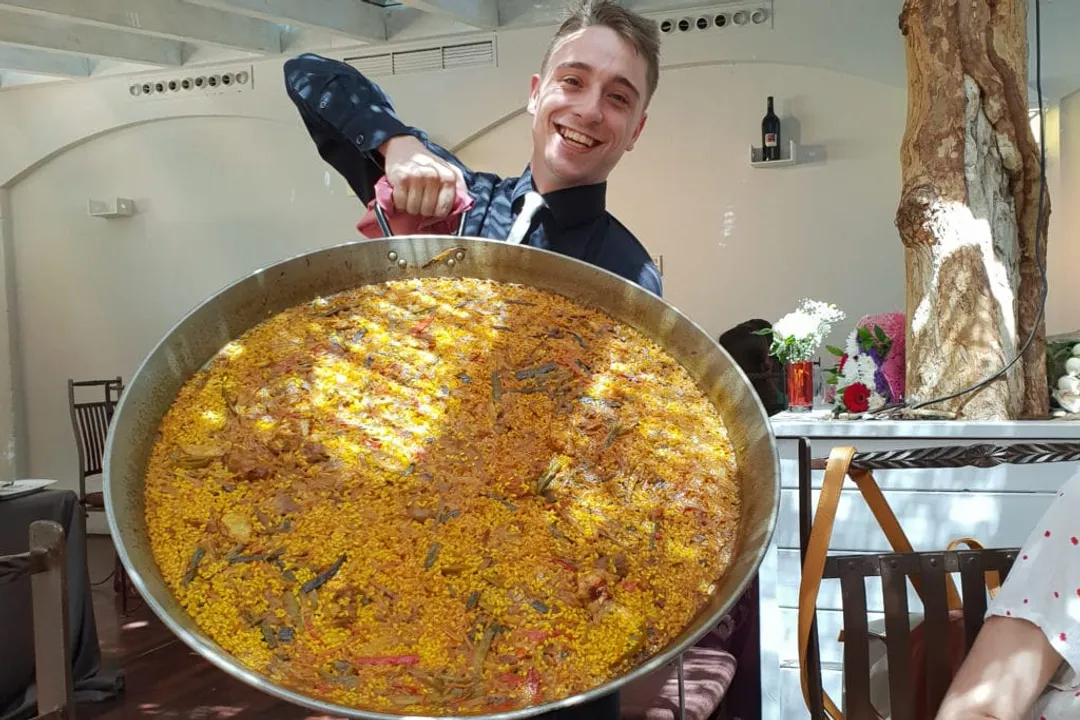
Paella is often perceived internationally as the definitive Spanish dish, a national icon served in massive, saffron-hued pans. [3] Yet, like many culinary symbols, its identity is deeply tied to a specific place: Valencia. [4] To speak of paella is to speak of Valencian tradition, where the authentic recipe is fiercely protected. [4]
The genuine paella Valenciana relies on a specific set of ingredients cooked over an open wood fire, ideally on an outdoor terrace near the Mediterranean. [1] These core ingredients traditionally include Valencian rice, chicken, rabbit, saffron, green beans (ferradura), broad beans (tabella), garrafó (a type of white bean), garlic, tomato, ground red pepper, and olive oil. [1]
What sets true Valencian paella apart from the myriad rice dishes—or as Valencians might dismissively call them, arroz con cosas ("rice with a bunch of stuff")—are a few firm rules: [4]
- Rice is the star; the ingredients should not overload the grain. [4]
- Meat and seafood generally do not mix in a single, authentic paella. [4]
- Chorizo is never an ingredient in the traditional preparation. [4]
While seafood versions (paella de marisco) are popular along the coasts, and dishes like arroz negro (squid ink rice) exist, the original form prioritizes land-based ingredients. [2][5] A highly prized element, sought after by connoisseurs, is the socarrat—the prized, slightly crispy, caramelized layer of rice that forms on the bottom of the wide, shallow paella pan. [2] Enjoying paella is often a communal event, best shared straight off the fire with friends. [3]
# Bravas Sauce
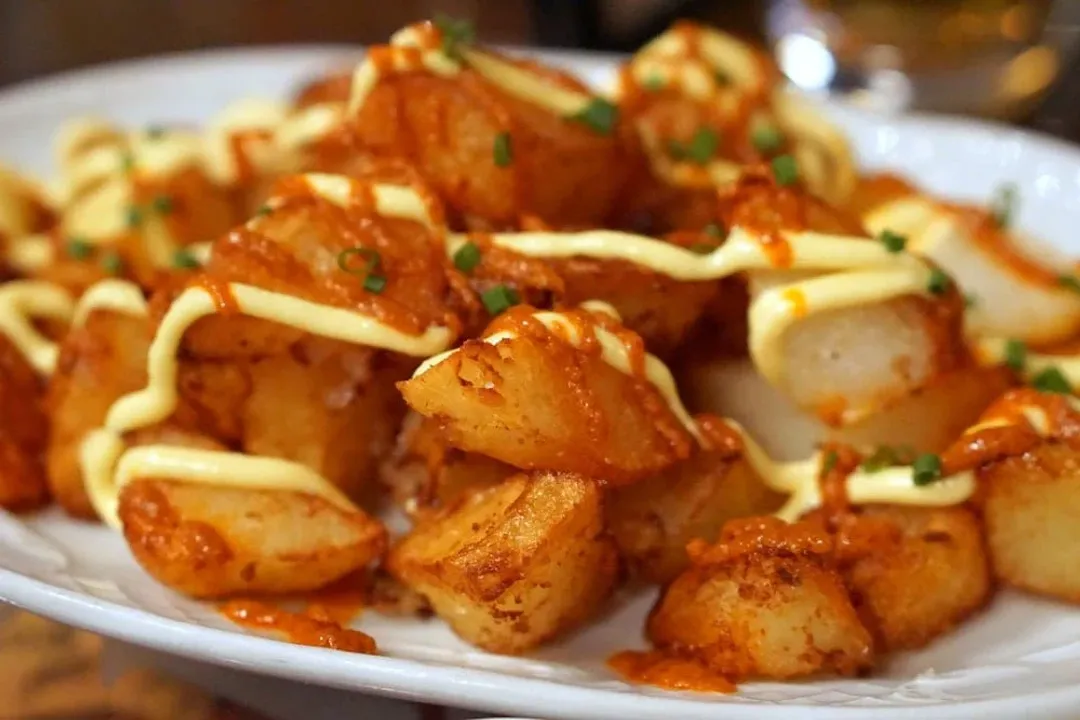
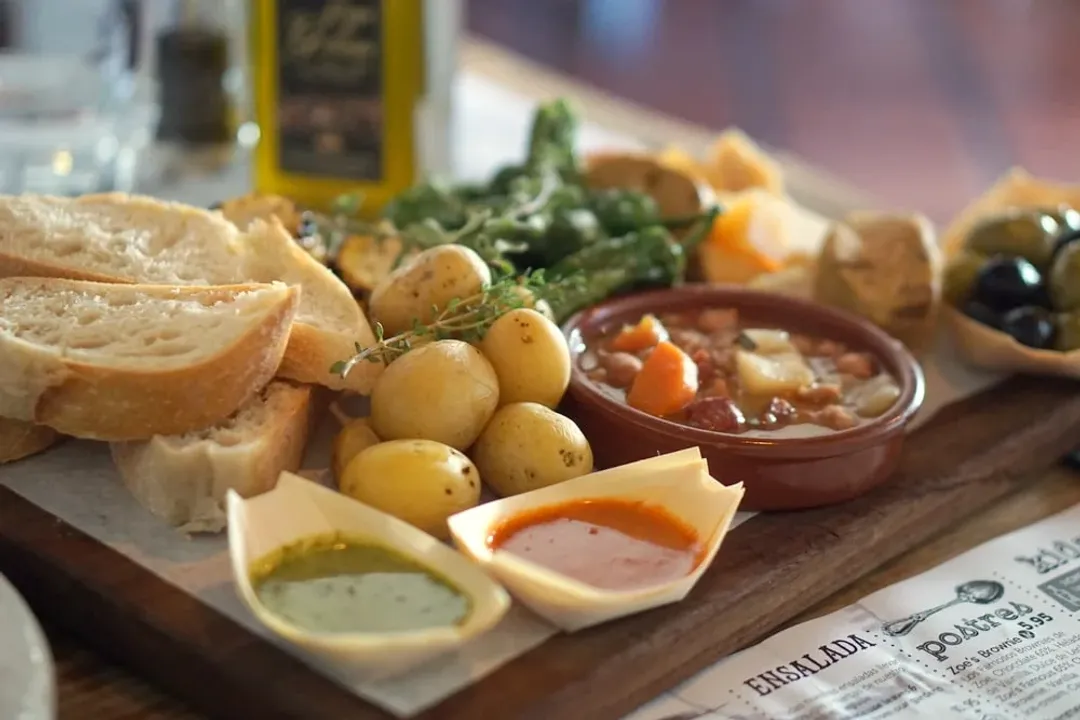
Moving from main courses to the realm of tapas, Patatas Bravas stands out as perhaps the most universally available and beloved small plate across Spain, often mentioned alongside croquetas. [3][6] This dish consists of fried potato chunks, but its defining characteristic is the sauce or sauces draped over them.
The term bravas literally suggests something "brave" or "fierce," referencing the heat of the accompanying sauce. The dish is heavily associated with Madrid, where the traditional serving style is often just the potatoes smothered in a spicy, reddish salsa brava, typically tomato-based with a kick of heat. [2] However, when you venture toward Catalonia, specifically Barcelona, you often encounter a dual application: the salsa brava alongside a creamy, garlicky alioli. [5] This combination offers a cooling counterpoint to the sauce's spice. [5]
A key insight here is appreciating the texture of the potatoes themselves; they must be crispy on the outside while remaining tender within. Furthermore, the foundational flavor base for the sauce often involves a sofrito—slowly sautéed onion, garlic, and tomato cooked in olive oil—which provides depth before the final spices are introduced. [2] While many other tapas involve seafood or meat, Patatas Bravas relies solely on humble potatoes and bold seasoning to achieve its status as a bar essential. [2]
# Cultural Context and Comparison
Considering these three dishes together—Tortilla, Paella, and Patatas Bravas—reveals the structure of Spanish eating. Paella represents the celebratory, planned, regional feast, often reserved for family gatherings or special occasions, particularly on Sundays. [3][8] It demands time and specific regional knowledge. [4]
The Tortilla Española operates at the opposite end of the spectrum: the accessible, everyday constant. [2] It is the ultimate proof that Spain’s best food often utilizes the simplest ingredients—eggs and potatoes—and can be eaten morning, noon, or night. [4] It represents comfort and ubiquity more than specific geography. [1]
Patatas Bravas, meanwhile, is the social lubricant. It is the anchor of the tapeo culture, the shared small plate that facilitates conversation and movement between bars. [2][3] You order it alongside a glass of wine or beer (caña) while standing at the bar, contrasting the seated, hours-long commitment of a proper paella meal. [3] This difference in dining style—from the formalized, regional rice dish to the casual, universal bite—is key to understanding the country’s culinary approach. [2]
| Dish | Primary Function in Meal Structure | Core Ingredients | Key Regional Association |
|---|---|---|---|
| Paella | Celebratory Main Course/Weekend Meal | Rice, Saffron, Chicken/Rabbit/Seafood | Valencia [4] |
| Tortilla Española | All-day Staple (Tapa, light meal) | Eggs, Potatoes, (Onion debated) [1] | Ubiquitous/National [5] |
| Patatas Bravas | Social Snack (Tapa) | Potatoes, Spicy Tomato Sauce (sometimes Aioli) | Madrid/Catalonia |
When analyzing these staples, one notices a common thread: the reliance on quality staples rather than heavy sauces. Even the bold salsa brava is applied to a simple fried potato, and the tortilla relies on the quality of its eggs and potatoes. [2][4] Even the acclaimed Jamón Ibérico, celebrated for its melt-in-your-mouth texture, is lauded for not being hidden under complex preparations. [4]
This preference for showcasing primary ingredients over masking them is a fundamental principle of Spanish cooking. Whether you are eating a humble tapa or a grand rice dish, the philosophy remains that time and technique applied to superior raw materials yield the best results. [5][2] For instance, when preparing sauces for Patatas Bravas, understanding that the base sofrito needs slow, patient cooking allows the flavors to truly meld, which is a technique seen across many regional stews and rice dishes alike. [2]
# Kitchen Insight
When seeking out authentic flavor, whether preparing these dishes at home or ordering them abroad, pay close attention to the cooking fat. While olive oil is the foundation of nearly all Spanish cooking—used for the sofrito in Paella and Bravas, and for frying the potatoes in the Tortilla—the Tortilla Española demands a significant amount of it for proper frying and texture development. [2][5] A common tip from those who frequently make tortilla is that using a smaller pan (perhaps the size of a single-egg fry pan) allows you to create several smaller, thicker tortillas, which can be easier to manage than one large one when attempting the crucial flip. [5] This small adjustment in equipment and technique can drastically alter the internal moisture, satisfying the different regional preferences for either a juicy or firm center without sacrificing the golden exterior. [5] This careful management of oil and heat, rather than complex ingredient combinations, is where true Spanish expertise often lies. [2]
These three dishes—the communal Paella, the essential Tortilla Española, and the social Patatas Bravas—offer a cross-section of Spanish dining. They showcase the nation's respect for its agricultural products, its regional pride, and its commitment to food as the center of social life. [2][3] Trying them is not just tasting food; it is experiencing the different rhythms of Spanish regional culture. [8]
Related Questions
#Citations
Read My Top Ten Favorite Spanish Foods Online | La Tienda
Top 10 Spanish Dishes That You Must Try - Meddeas
Top 29 Essential Spanish Recipes to Make at Home
Spain Bucket List: 6 Dishes to Eat in Spain Besides Paella and Tapas
Hello everyone! Looking for some traditional Spanish dishes any ...
15 Classic Spanish Dishes: A Guide to Regional Spanish Cuisine ...
Some famous Spanish recipes - Spain.info
35 Spanish Foods You Absolutely Need to Try | Travelsphere