What meat do they eat in Estonia?

The Estonian table features meat prominently, drawing from a history deeply connected to agriculture, forest resources, and the necessity of preserving food through long, cold winters. While contemporary Estonian cuisine embraces global trends, the foundation remains rooted in hearty, satisfying dishes where meat plays the starring role, often accompanied by dark rye bread and root vegetables. Understanding what Estonians eat requires looking past simple steak and chicken to appreciate preparations that speak to centuries of survival and resourcefulness.
# Staple Meats
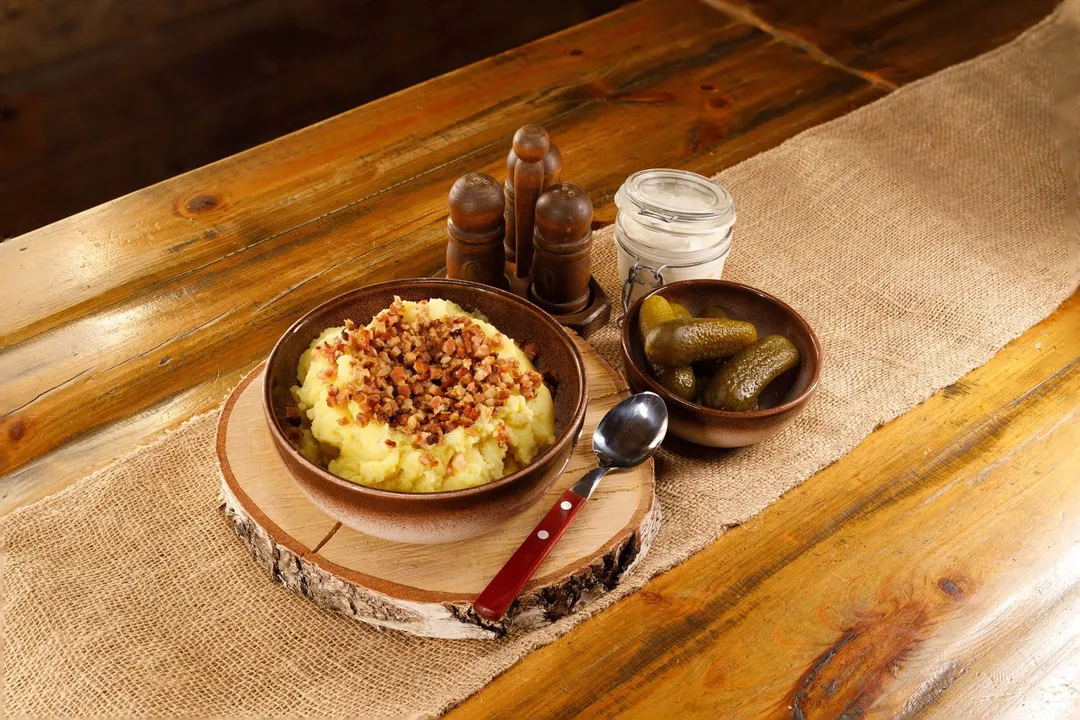
Pork has long held a central position in the Estonian diet, serving as the backbone of many traditional meals. This reliance on swine is common across many Northern and Eastern European cultures, providing a relatively easy-to-raise, high-yield source of protein and fat necessary for sustenance through colder months.
In classic Estonian cooking, pork is not just roasted or fried; it is frequently transformed. One can see this in dishes like mulgipuder, a substantial mash often made from barley groats and potatoes, traditionally cooked with bits of pork or pork fat, making it an incredibly filling, single-pot meal. The use of pork fat, or lard, in cooking and as a spread on black bread demonstrates how every part of the animal was historically valued for its energy density.
While pork dominates the historical narrative, modern Estonian tables readily incorporate other common meats. Beef and chicken are widely consumed today, fitting easily into newer recipes and daily cooking habits. However, when discussing quintessential Estonian meat dishes, these tend to take a backseat to pork and the bounty of the forests.
The strong historical emphasis on preservation techniques—salting, smoking, and rendering fats—evident in dishes like sült and traditional pork preparations speaks directly to Estonia's long, cold winters and the necessity of making every part of the animal last, which is a key differentiator from cuisines relying on year-round fresh supply. This practical approach to cooking has gifted Estonian cuisine some of its most unique and recognizable meat products.
# Traditional Preparations
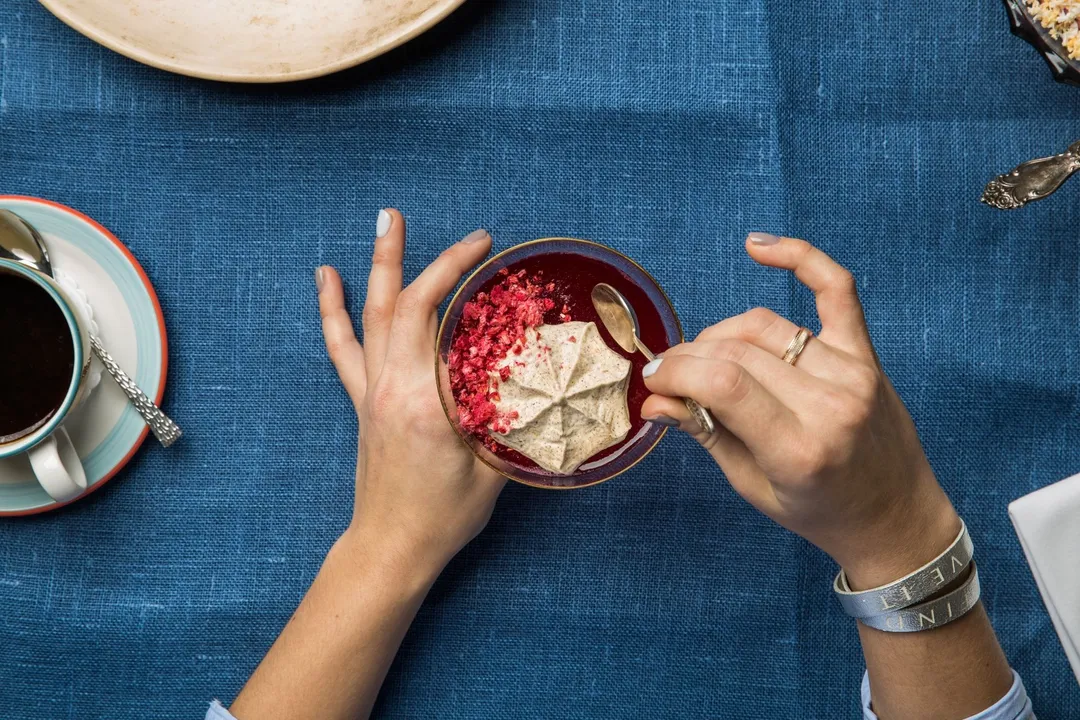
If there is one meat preparation that signals Estonian tradition, particularly around the winter holidays, it is blood sausage, known locally as verivorst. This item is not merely a variant of blood pudding found elsewhere; it holds significant cultural weight. Traditionally, verivorst is made using pork blood, barley groats or bread, and sometimes cream, seasoned well, and then cooked in casings. It is characteristically served hot, often accompanied by lingonberry jam or stewed sauerkraut, offering a rich, slightly metallic flavor balanced by sweetness and acidity.
Another classic meat preparation demanding attention is sült, or jellied pork. This dish involves boiling pork cuts, sometimes including the head or trotters, until the meat is tender enough to shred. The resulting broth, rich in natural gelatin, is then poured over the shredded meat and allowed to set in the refrigerator. When served cold, sült is a savory, firm meat jelly, often enjoyed with sharp mustard or horseradish. It represents an expert use of all available cuts and minimal waste, a hallmark of practical peasant cooking that has elevated itself to festive fare.
Beyond these two icons, the Estonian culinary repertoire includes various smoked and salted meats. The desire to keep meat edible for extended periods without modern refrigeration meant that smoking was a crucial skill, resulting in intensely flavored smoked bacon or sausage that pairs perfectly with the ubiquitous dark rye bread.
# The Wild Harvest
Estonia's expansive forests and relatively low population density mean that game meat plays an important, seasonal role in the national diet. Hunting is a respected tradition, and when the season is open, locally sourced wild meat becomes available in markets and restaurants, offering flavors distinct from farm-raised livestock.
The most frequently mentioned wild meats are elk (moose) and wild boar. Wild boar meat offers a darker, more robust flavor compared to domestic pork, often appreciated in stews or made into flavorful sausages. Elk, being a large game animal, provides lean, rich meat that can be prepared similarly to high-quality beef, though it carries a more distinctly 'forest' character.
While the everyday menu leans on pork and poultry, game meats often signify special occasions or a dedication to deeply traditional, locally sourced ingredients. The availability of these meats strongly ties meal planning to the seasonal calendar, a characteristic that is becoming more celebrated as consumers seek authenticity. For those unfamiliar with game, an encounter with traditional Estonian uluki liha (game meat) often proves to be a culinary highlight precisely because of its unique provenance.
# Modern Consumption Patterns
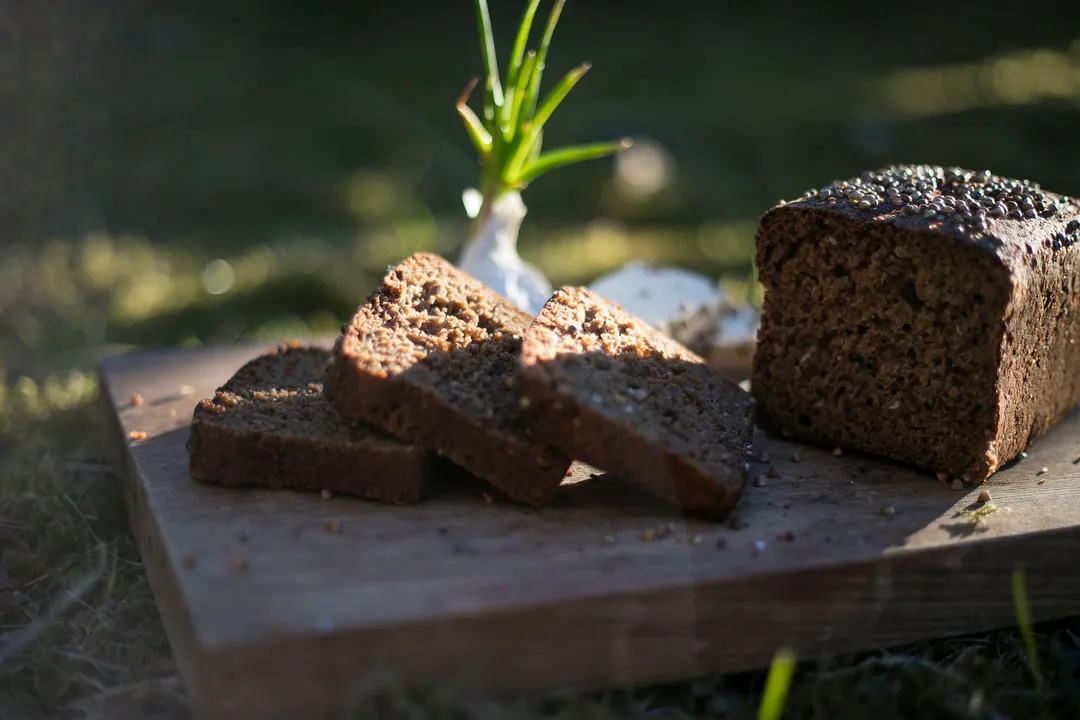
The contemporary Estonian diet reflects a blend of these strong traditions and modern globalization. While one can easily find verivorst or sült in specialty shops, especially approaching the darker months, daily consumption often mirrors Western European patterns, featuring readily available poultry and standard cuts of beef and pork.
However, the unique character of Estonian meat consumption often reveals itself in everyday contexts or when looking at local procurement. For example, discussions among locals frequently revolve around suitsuliha (smoked meat) as a versatile addition to quick meals, something easily prepared or purchased ready-made, which bridges the gap between historical preservation and modern convenience.
When visiting a local market outside of the major metropolitan areas during the autumn or winter months, the availability of specific smoked fish alongside game sausage might indicate a more direct link to older, self-sufficient Estonian culinary practices than what is found in standard city supermarkets. This immediate access to smoked and cured products reflects a continuous, if less centralized, connection to traditional preservation methods.
For the everyday home cook looking to integrate these flavors, selecting high-quality pork shoulder for long, slow cooking—a nod to sült preparation without the gelatin setting—or using a smoked bacon product in potato or cabbage dishes can bring an authentic Estonian depth to a modern meal, even without preparing the classics from scratch. The acceptance of game meat also means that many restaurants now feature dishes showcasing wild boar ragu or elk medallions, placing these forest finds firmly back on the fine-dining map.

# A Comparison of Availability
To better illustrate the difference between the deeply traditional and the generally available, one might map out common preparations:
| Meat Type | Traditional Preparation Focus | Modern Consumption | Cultural Significance |
|---|---|---|---|
| Pork | Verivorst, Sült, Lard | Roasts, chops, everyday cuts | The foundational staple. |
| Game (Elk/Boar) | Stews, hearty sausages | Restaurant features, seasonal hunting | Connection to the natural environment. |
| Beef/Poultry | Less dominant traditionally | Daily cooking, quick meals | Modern culinary integration. |
The persistence of verivorst in the modern repertoire, even as other preservation methods decline, suggests it holds a cultural significance beyond mere sustenance—it is an edible tradition. While a family might have chicken soup on a Tuesday, the appearance of verivorst on the table often carries an unspoken nod to heritage and the communal aspects of older Estonian eating customs.
In essence, Estonian meat consumption is a layered experience. It honors the practical necessities of its past through dishes requiring intense preservation and fermentation, while comfortably adopting the ease and variety of global protein sources in its daily routine. The heart of the cuisine, however, remains powerfully attached to the richness of pork and the seasonal offerings brought in from the dense Estonian forests.
#Videos
5 Dishes To Eat In TALLINN ESTONIA! FOOD GUIDE 2024 - YouTube
Related Questions
#Citations
Top 17 Traditional Estonian Food You Need to Try
The Ultimate Estonian Food Guide | Celebrity Cruises
Meat - Estonian Cuisine. Eesti Toit.
Five classic foods to try in Estonia
What 3 dishes every one who visit Estonia should taste??? - Facebook
Estonian Meal Ideas : r/Eesti - Reddit
What is unusual or different about the food and cuisine in Estonia?
Everything you need to know about food in Estonia | Bradt Guides
5 Dishes To Eat In TALLINN ESTONIA! FOOD GUIDE 2024 - YouTube