What is fried chuan?
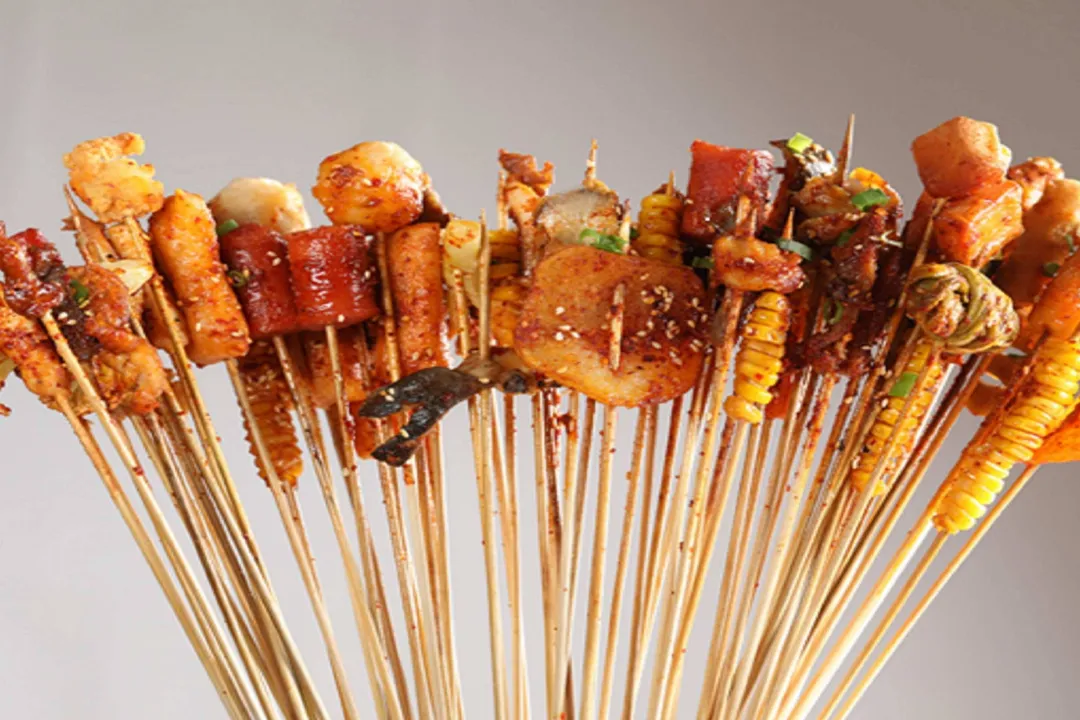
The simple act of skewering ingredients is a widespread culinary practice, but in China, it has developed into a distinct and much-loved category of street food known as Chuan. The term itself is quite direct; Chuan (串) refers to the skewer, and in its Chuan Chuan (串串) iteration, it literally translates to "string string" or "skewer skewer," describing the presentation rather than a specific cooking method. This food category is deeply connected to Shaokao, which is the general Chinese term for barbecue. While it shares similarities with other skewered foods found globally, such as Middle Eastern kebabs or Japanese yakitori, Chuan encompasses a vast array of components, from various cuts of meat to a wide selection of vegetables threaded onto bamboo sticks.
# Frying Distinction
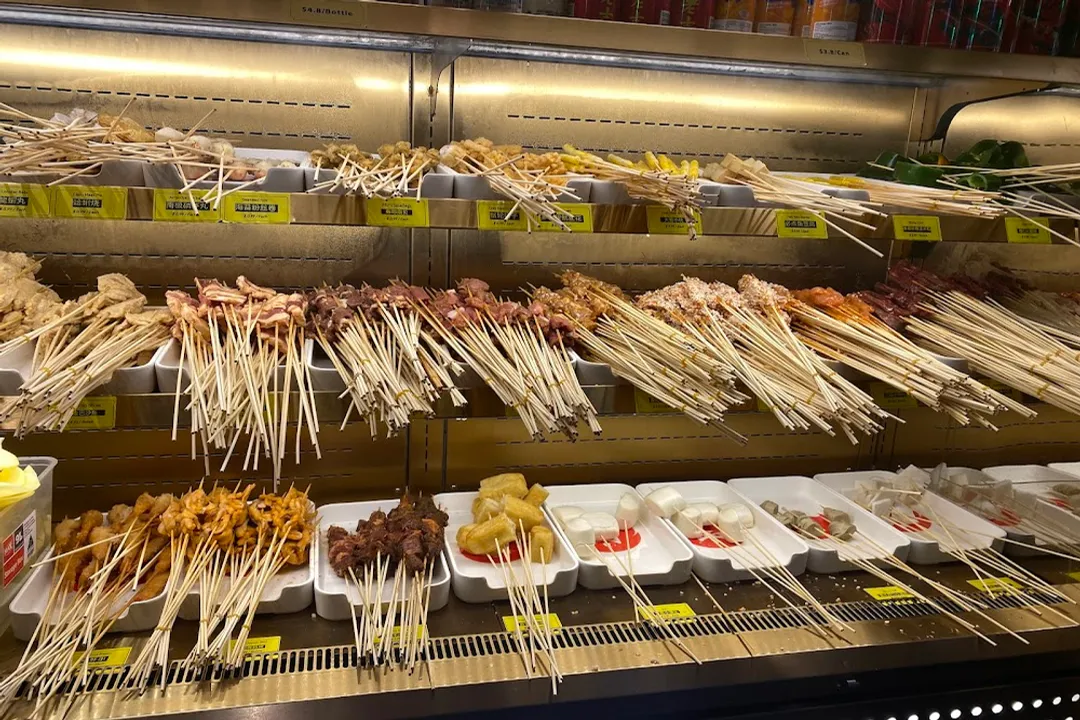
While traditional Shaokao implies grilling over charcoal, the subject of fried chuan introduces a significant deviation in preparation and final texture. When one encounters fried chuan chuan, particularly in contexts described as Leshan style, the cooking medium shifts from dry heat to hot oil. This distinction is crucial because the cooking process fundamentally alters the eating experience. Grilling often imparts a smoky flavor and a slightly charred exterior, while deep-frying, as seen in some home recipe demonstrations, seals the exterior quickly and yields a crisper, oil-absorbed crust.
This difference in technique allows fried chuan to achieve a distinct mouthfeel that grilling might not replicate. The ingredients—whether they are pre-marinated meats, tofu, or firm vegetables—are rapidly cooked through in hot oil, resulting in a texture that is both tender inside and satisfyingly crunchy outside. This fast-cooking method is what separates the fried iteration from the more common grilled versions seasoned with spices like cumin and chili powder.
# Flavoring Methods
The seasoning of Chuan is arguably as important as the skewering itself. Generally, the flavor profile relies heavily on dry spice rubs applied after or during cooking. Common seasonings involve mixtures featuring cumin and chili powder, creating that signature aromatic heat associated with many Northern and Western Chinese street foods.
However, the preparation for frying introduces a nuance. If the skewers are being prepared for deep-frying, the ingredients are often coated or dipped before hitting the oil, sometimes in a light batter or just their marinade. After frying, they are frequently tossed immediately in a dry spice blend, capturing the heat and ensuring the seasoning adheres well to the newly crisped surface. The Leshan style, often highlighted in discussions of this method, suggests a specific regional preference for this crisp, spiced finish.
Consider the textural transformation that occurs when meat or vegetables are fried versus grilled. When grilling, the fat renders slowly, and moisture evaporates, concentrating flavors on the surface. In contrast, frying subjects the surface to much higher, instantaneous heat transfer through the oil. This rapid cooking means that if the ingredients are properly prepared—perhaps lightly coated—the frying process locks in the internal moisture while creating an external shell that is perfect for holding onto post-fry seasoning dust. The Leshan approach, being specifically fried, emphasizes this crispness over the smoky char.
# Cultural Context
To fully appreciate fried chuan chuan, it helps to see it in relation to its close relatives within Chinese street food culture. While Chuan is often associated with grilling (Shaokao), the term Chuan Chuan is also frequently used in connection with hot pot variations. Specifically, there is a relationship—or perhaps a gentle competition—with dishes like Mala Tang (spicy numbing soup) or Mala Guo (spicy numbing pot).
Mala Tang and Mala Guo involve selecting raw ingredients skewered on sticks, which are then cooked in a communal pot of spicy broth. The core idea remains the same: choose your ingredients on a stick. The divergence occurs in the final cooking vessel. For Mala Tang or Guo, the food is boiled or simmered, absorbing the liquid, spicy flavor. For fried chuan chuan, the cooking is dry-heat transference via oil, and the flavor is applied as a coating afterwards.
An interesting point for diners to note is the efficiency of the vendor model. Street vendors specializing in Chuan often keep hundreds, if not thousands, of skewers prepared, ready to be cooked immediately. Whether the method is grilling or frying, speed is essential to managing crowds. The home cooking videos demonstrating fried chuan suggest an adaptation of this street staple, where the home cook must manage the batch cooking in smaller quantities, often requiring careful temperature maintenance to avoid soggy results when switching from traditional grilling methods to this oil-based technique.
If you are accustomed to the boiled, broth-soaked skewers of a Chuan Chuan hot pot, expecting a similar texture from the Leshan style fried version will lead to surprise. The experience moves from soup-soaked tenderness to a dry, crispy bite, seasoned with dry spices rather than simmered in a liquid broth. This means that ingredients often chosen for their ability to hold up to boiling (like certain types of dense root vegetables or processed fish balls) might behave very differently when flash-fried, possibly drying out too much if not properly prepped or marinated for oil cooking.
# Preparation Notes
Looking closely at how fried chuan is assembled reveals a focus on ingredient size and density, necessary for successful frying. Because the cooking time is relatively short compared to traditional roasting, smaller, uniformly cut pieces are necessary to ensure everything cooks through evenly on the stick. Ingredients can include everything from lamb and chicken to various vegetables, mushrooms, and tofu products.
When preparing these at home, as seen in some home-cooking demonstrations, the emphasis shifts to achieving the correct oil temperature. Unlike simply placing skewers over a charcoal bed where heat is more easily regulated by distance, frying demands a consistent, high temperature in the oil to ensure a quick, golden-brown exterior without burning the seasoning or undercooking the interior. A setup that allows for a quick drain-off post-frying is also key to maintaining that desirable crispness rather than a heavy, oil-logged result.
Furthermore, the type of stick matters less in frying than in grilling. While traditional Shaokao sticks are often bamboo, which chars nicely under direct flame, in frying, the primary concern is heat tolerance and handling. The material of the skewer is less prone to burning when submerged in oil than when held directly over coals, though handling hot oil-soaked sticks requires care.
# Selecting Seasoning
The final stage for fried chuan chuan often involves a generous application of seasoning powder once the skewers are removed from the oil. While the base Chuan seasoning traditionally includes cumin and chili, the fried variation often calls for specific spice blends that complement the crispy texture. These blends might incorporate five-spice powder, ground Sichuan peppercorns (for a numbing sensation, though not necessarily the same as mala broth), salt, and sugar for balance.
The selection of the spice blend truly defines the dish's identity when frying is involved. If the goal is to emulate the Leshan style, understanding the local spice balance is essential. This is where the experience of the vendor shines; they develop a precise ratio that adheres perfectly to the hot, just-fried surface. For the home cook attempting this, seasoning should be applied immediately upon removal from the oil, perhaps while the food is still glistening, to maximize adhesion before the surface cools and dries out too much. Think of it like seasoning french fries—timing is everything to get the salt to stick evenly.
The sheer variety of items that can be threaded onto a stick speaks to the adaptability of the Chuan concept itself. Whether you are a vegetarian enjoying various mushrooms and root vegetables or a meat-lover sampling offal or different cuts of mutton, the skewered format provides an easy, portion-controlled way to sample many different flavors in one sitting, a benefit maintained whether grilled, boiled, or fried.
#Videos
The Best Deep Fried Skewers in China | Delicious ...
11 Tasty Fried Food Recipes / How to Make Fried Chuan ...
Related Questions
#Citations
Chuan (food)
We get tons of questions: What is Chuan Chuan? Chuan ...
The Best Deep Fried Skewers in China | Delicious ...
Chuan (food) Facts for Kids
China Insider on Instagram: ""炸串" (ZhaChuan) is a popular ...
Leshan style fried chuan chuan : r/chinesefood
Easy Chuan Chuan Recipe for Home Cooking