What type of bass can you eat?
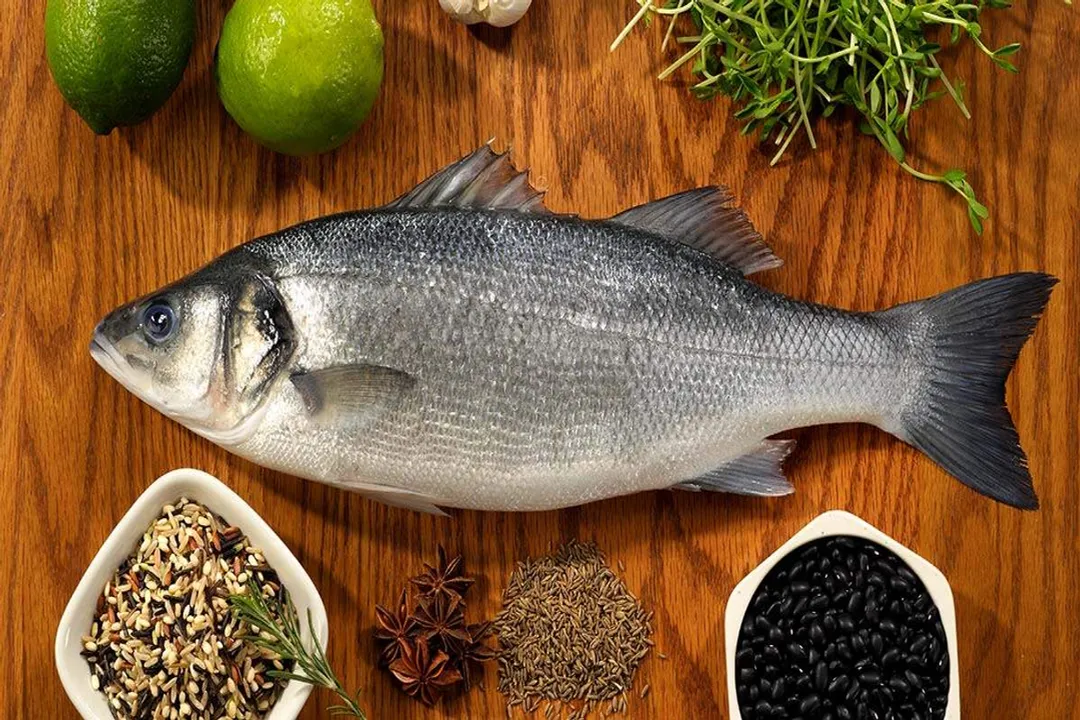
The term "bass" covers a remarkably wide range of fish found in both freshwater and saltwater environments, leading to a natural curiosity about which ones actually make it onto the dinner plate. The answer isn't a simple yes or no; it depends entirely on which specific fish you are talking about and, often, where it came from. [1] While some bass are prized culinary catches worldwide, others carry a reputation for less-than-ideal flavor, leading to a surprising amount of debate among anglers and cooks alike. [2][5] Understanding the major families—the freshwater black basses and the various saltwater sea basses—is the first step in determining edibility and enjoyment. [1][7]
# Freshwater Dilemma
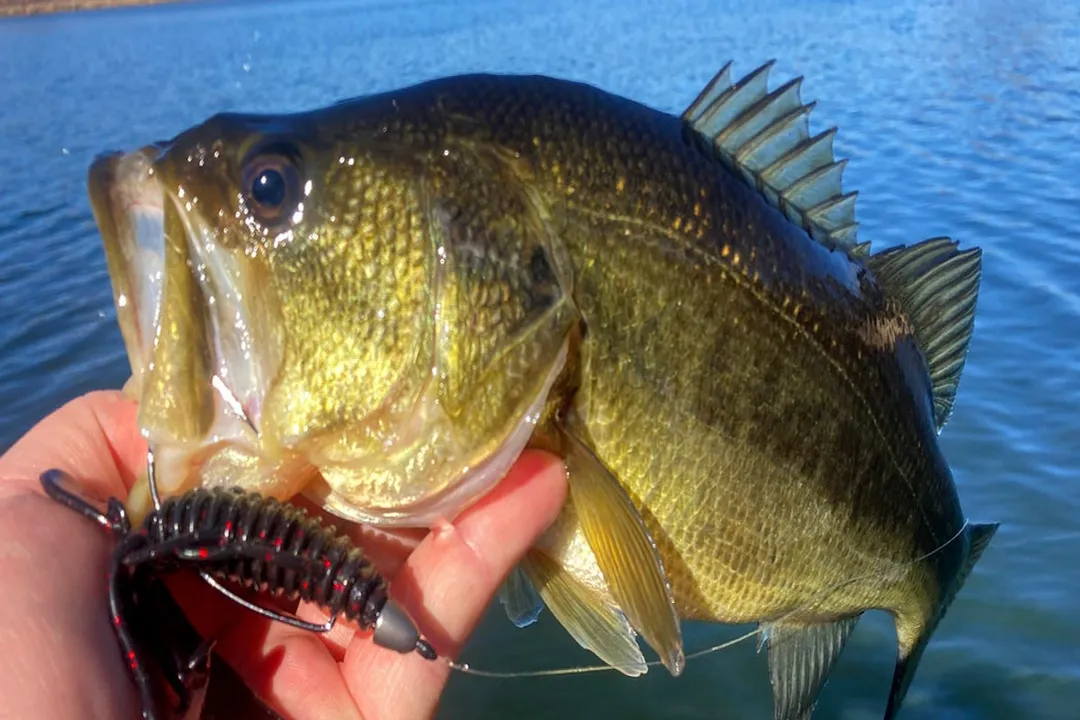
When most people in North America think of bass, they picture the freshwater Micropterus species, primarily the Largemouth Bass (Micropterus salmoides) and the Smallmouth Bass (Micropterus dolomieu). [8] These fish are icons of sport fishing, yet their status as table fare is surprisingly contentious. [2]
# Largemouth Flavor
The reputation of the Largemouth Bass is perhaps the most debated. Many experienced anglers simply do not keep them for food, suggesting they possess a "muddy" or "grassy" taste. [2][9] This flavor profile is often attributed to the bass's environment and diet. Fish taken from shallow, heavily vegetated ponds or lakes that experience warm water or low oxygen levels are more likely to develop these off-flavors. [2][6] Conversely, those caught from deep, clear reservoirs with healthy forage bases sometimes have a much cleaner taste. [2] One common sentiment among those who do enjoy them is that they must be harvested when small. [3]
# Size Matters
For freshwater bass, the size of the fish often dictates the eating experience, more so than the species difference between largemouth and smallmouth, though smallmouths are generally regarded as having a slightly firmer, cleaner fillet. [3][5] A general consensus among those who prepare bass suggests avoiding the very large specimens. [3] Fish that weigh over two pounds or measure more than about 15 inches are frequently set free by those focused on the fillet. [3] The reasoning here is twofold: smaller fish have less developed, less intense flavors, and their flesh texture is finer. [3] As bass age and grow, their muscular structure changes, and they can accumulate more strong-tasting compounds. [3] If you are keeping bass, many successful cooks advise targeting fish in the 1 to 2-pound range, as they offer the best balance of meat yield and flavor quality. [3]
# Smallmouth Preference
Smallmouth Bass, often found in cooler, rockier river systems and deeper sections of lakes, generally hold a better culinary standing than their largemouth cousins. [5] They tend to feed on crayfish and minnows rather than just insects and soft vegetation, which may contribute to a cleaner taste profile from the start. [2] While still subject to environmental factors, the Smallmouth is often the preferred choice of the two for the frying pan among those who enjoy both. [5]
# Sea Bass Varieties
Moving away from the freshwater black basses, the term "sea bass" refers to a completely different group of marine fish that often enjoy a much more universally positive reputation at the dinner table. [1][7] In culinary circles, many types of sea bass are highly prized for their firm texture and mild, sweet flavor. [7]
# True Sea Basses
The term "sea bass" is broad and can include dozens of species globally. [7] In North America, species like the Black Sea Bass (Centropristis striata) are common catches, particularly along the Atlantic coast. [1] These fish are known for having white, flaky meat that holds up well to various cooking methods. [7] They are generally not subject to the same "muddy" stigma as freshwater bass because their diet and habitat differ significantly. [1]
# Striped Bass Distinction
Another fish frequently caught and eaten that bears the name bass is the Striped Bass (Morone saxatilis), also known as striper or rockfish. [1] While they share the common name, they belong to a different genus than the freshwater black bass and have a distinct flavor profile. Striped Bass fillets are quite popular, often considered excellent eating, though they can sometimes have a slightly stronger flavor than the milder true sea basses, depending on their diet and age. [1][5] Larger, older stripers sometimes develop a stronger taste that some find less desirable than a younger, smaller fish. [3] It is crucial to differentiate between regulatory catch limits for Striped Bass and those for freshwater species, as management strategies differ significantly between these groups. [1]

# Preparing for Better Palatability
Regardless of whether you are harvesting a Smallmouth from a clear river or a highly regulated Striped Bass, proper handling immediately after the catch is perhaps the most critical step in ensuring a quality meal. [6] If the flavor issue is related to stress or warm water—a common factor in lower taste scores—slowing down the process of decay or flavor transfer is key. [2][6]
# Immediate Handling
The clock starts ticking the moment the fish is landed. If you intend to eat the bass, especially a freshwater one that might be borderline in flavor, you must prioritize chilling the fish quickly. [6]
- Dispatch Humanely: Use a quick method to dispatch the fish to prevent stress, which can affect muscle chemistry and flavor. [6]
- Ice Immediately: Place the fish directly onto ice or into a slurry of ice and water as soon as possible. [6] Do not let them sit in the bottom of a warm cooler or in direct sunlight. Temperature control is paramount for flavor retention. [6]
- Keep Clean: Keep the fish and the cleaning area as clean as possible. A clean fillet board and rinsing the fish well before processing prevent cross-contamination that can lead to off-flavors. [6]
# The Cleaning Process
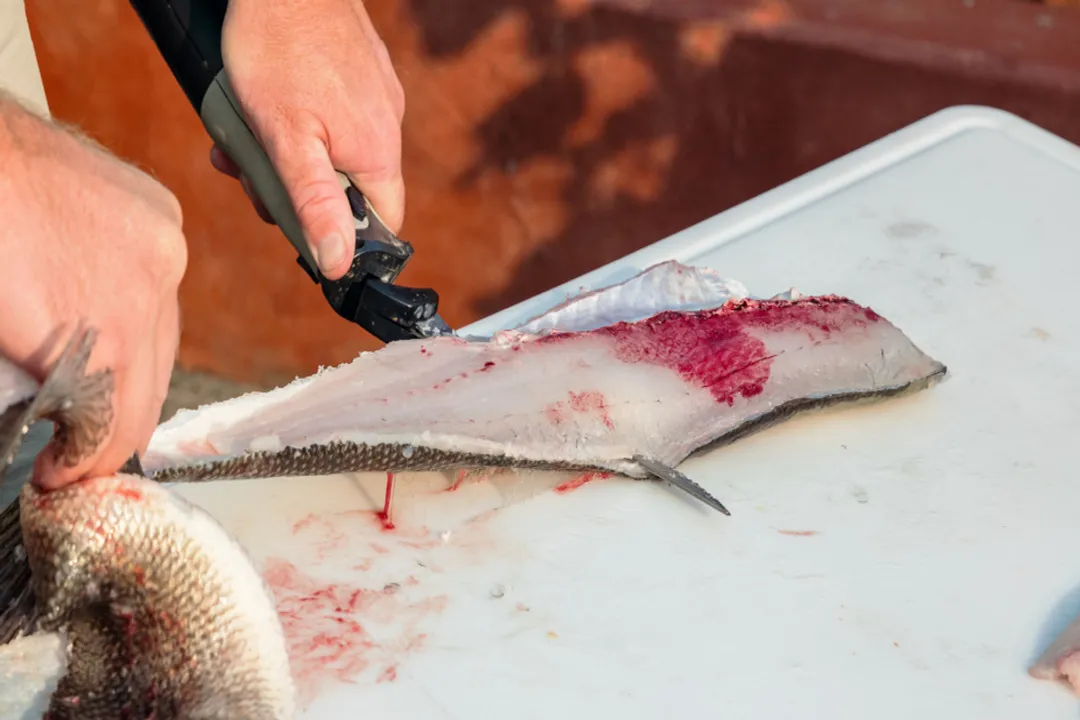
Cleaning freshwater bass properly is essential for overcoming any inherent grassy notes they might possess. [2] While gutting removes the primary source of strong flavors, how you handle the fillet matters:
- Skin On or Off: Some cooks prefer skinning the fillet completely if they suspect the flavor might be strong, as some flavor compounds can reside just under the skin. [3] Others argue the skin protects the delicate flesh during cooking. [3]
- Fat Trimming: Look for any dark, thick tissue running along the lateral line of the fillet. This line often concentrates stronger-tasting fats. Trimming this away can significantly mellow the taste of even a suspect-tasting fish. [6]
# Cooking Methods and Flavor Pairing
Once you have a properly handled and cleaned fillet, the preparation method can either enhance a mild fish or mask a stronger one. [5] This is where the subjective nature of eating bass really comes into play, with different methods suiting different needs. [2][9]
# High Heat vs. Gentle Cookery
For sea bass or high-quality, smaller freshwater bass, simple preparations often win out, allowing the natural mild sweetness of the flesh to shine. [7] Pan-searing with butter, lemon, and herbs works beautifully, highlighting the firm, white texture. [7]
However, if you are dealing with a larger Largemouth Bass, using bolder flavors is a wise strategy. Deep frying or baking with robust seasonings can successfully mask any lingering vegetal notes. [2] Think about pairing the fish with ingredients that have strong, complementary profiles, such as a spicy cornmeal crust or a tangy mustard glaze. [5]
# A Practical Tip for Pond Catches
If you are fishing a smaller, less pristine body of water—say, a private pond known for having a lot of algae growth—and you decide to keep a few bass, adopt a strict internal guideline: only keep the smallest individuals, those perhaps under a pound. [3] Larger bass from these environments have had more time to metabolize the pond's compounds, concentrating the flavor profile you are trying to avoid. [2] For these smaller fish, a quick, high-heat preparation like throwing them into a hot oil bath for fish tacos or pairing them with a strong, acidic salsa is usually more successful than trying to present them as a delicate main course. It shifts the expectation from gourmet to satisfyingly rustic, which helps manage the dining experience. [9]

# A Comparative View of Edible Bass
To summarize the broad edible category, we can look at general culinary standings. While personal preference always dictates the final verdict, professional opinions and general angling consensus often group them by perceived quality. [5]
| Bass Type | Typical Habitat | General Culinary Reputation | Key Eating Tip |
|---|---|---|---|
| True Sea Bass (e.g., Black Sea Bass) | Saltwater | Very High; mild, flaky white meat [7] | Gentle searing or baking [7] |
| Striped Bass | Saltwater/Anadromous | High; firm, clean flavor [1] | Avoid overly large, older specimens [3] |
| Smallmouth Bass | Freshwater | Good to Very Good; firmer than Largemouth | Harvest in cooler waters for best results [5] |
| Largemouth Bass | Freshwater | Mixed to Poor; flavor highly dependent on environment [2] | Keep them small (under 2 lbs) or use strong seasoning [3] |
When comparing the true saltwater species like Sea Bass with freshwater types, the difference often comes down to consistency. Sea bass tend to offer a predictable, mild product because the ocean environment is generally more stable than a small, inland pond where a bass might spend its entire life. [1][7] This stability translates directly into fewer variables when deciding if a fish is worth the effort to clean. [1]
If you are new to eating bass, the best way to approach the freshwater varieties—especially Largemouth—is to treat them as a bycatch treat rather than a primary target for consumption, unless you know the source water is pristine and the fish are small. [2][8] Conversely, any species legally labeled and sold as "Sea Bass" in a reputable market is generally a safe bet for a delicious, mild white fish fillet. [7] Ultimately, enjoying the catch comes down to respecting the environment the fish lived in and treating the raw product with meticulous care from the moment it leaves the water. [6]
#Videos
Can You EAT Largemouth Bass? | Catch and Cook - YouTube
Related Questions
#Citations
Your Essential Guide to Bass | Different Types of Bass Fish
Why is eating bass a supposedly controversial topic? Isn't it ... - Reddit
What Size Bass Do You Prefer To Eat? - General Bass Fishing Forum
Can You EAT Largemouth Bass? | Catch and Cook - YouTube
The Best Eating Freshwater Fish - MeatEater
Catch, Clean & Cook Bass
What are the Different Types of Sea Bass - Kolikof
Largemouth bass: It's what we had for dinner
Does a peacock bass taste the same as a big mouth bass? - Facebook