Can you eat yellow striped bass?
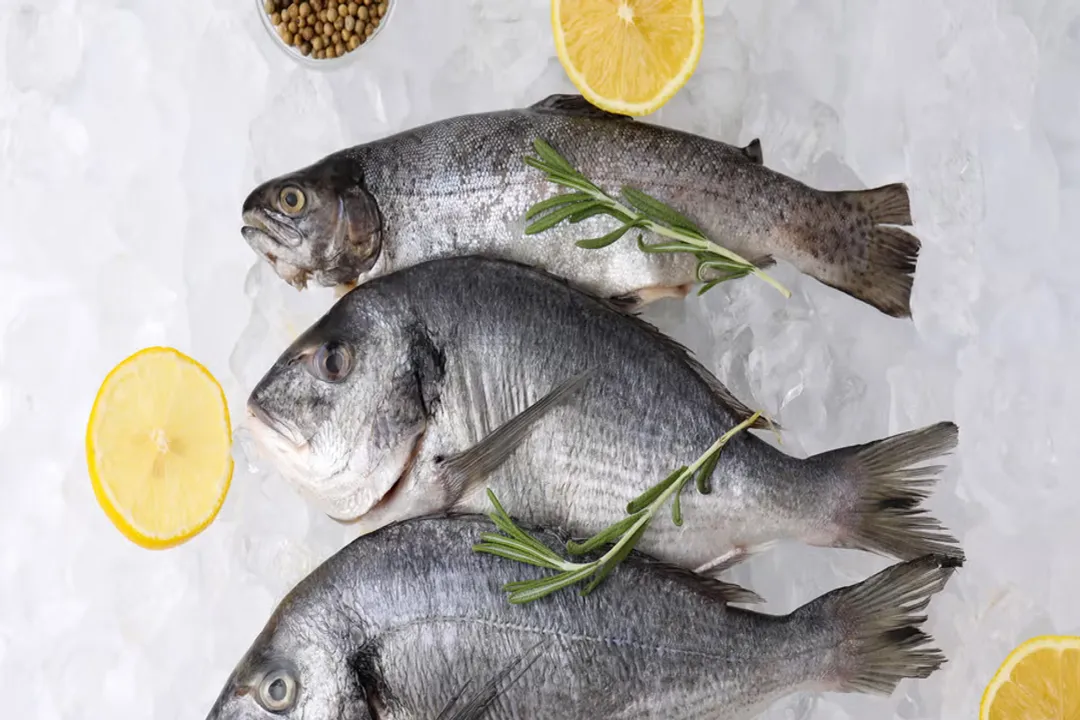
The question of whether one can safely and enjoyably consume a fish often categorized as a "yellow striped bass" requires a bit of unpacking, as nomenclature in recreational fishing can sometimes blur the lines between two distinct species: the Yellow Bass (Morone mississippiensis) and the Striped Bass (Morone saxatilis), often called "stripers". [1][5] Both belong to the Morone genus, but their environments and, consequently, their palatability and health profiles can vary significantly. [1] Understanding which fish you are holding is the first, and perhaps most important, step before deciding to place it on your dinner plate.
# Fish Identity

The primary confusion stems from the visual similarity and shared genus. A Yellow Bass is generally smaller than a Striped Bass, and while it possesses horizontal stripes, its overall coloration tends toward a more golden or yellowish hue, especially near the belly. [5] The Striped Bass, conversely, is known for its distinct, unbroken, dark lateral lines running from the gill covers to the tail. Furthermore, Striped Bass are categorized by their habitat: true anadromous (sea-run) Striped Bass live in saltwater but migrate to freshwater to spawn, while landlocked populations exist entirely in freshwater reservoirs. [8] If someone mentions a "yellow striped bass," they are most frequently referring to the smaller freshwater Yellow Bass, but it is essential to confirm habitat and size to avoid misidentification, especially when health advisories come into play. [1][5]
# Flavor Spectrum
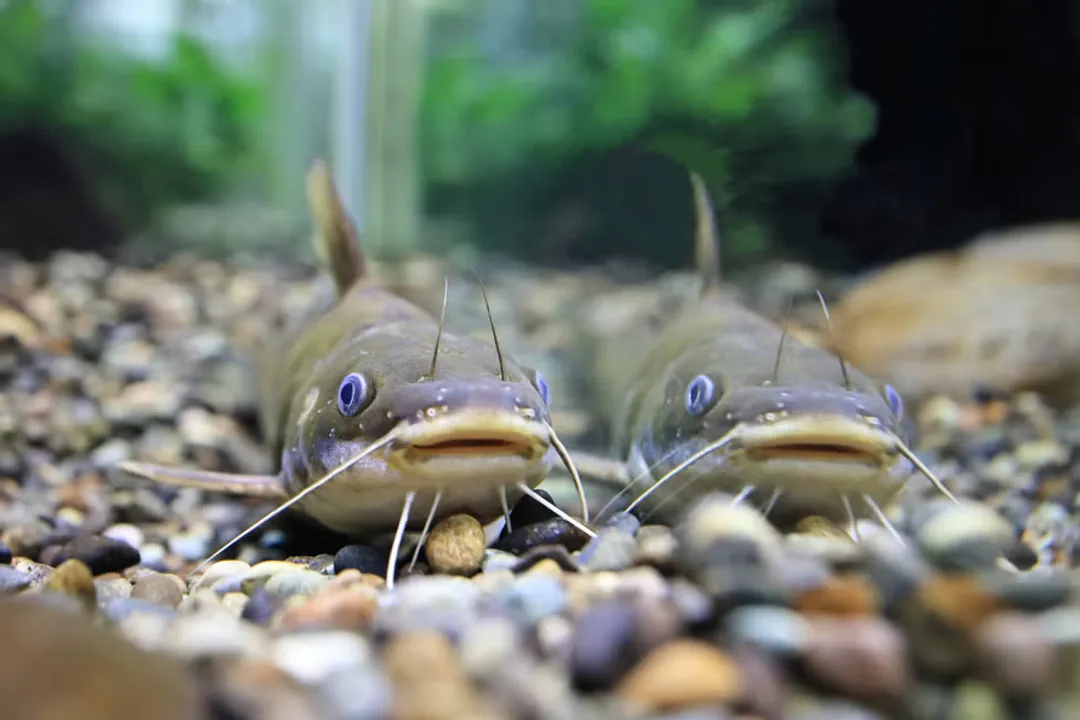
When looking at edibility, taste is often the deciding factor for anglers. Discussions surrounding the Yellow Bass paint a picture of a fish that is perfectly fine to eat, though perhaps not highly prized compared to its cousins, the White Bass or the larger Striped Bass. [1] Anglers describe the meat as mild and flaky, sometimes noting that the fillets can be thin, making the yield from a single fish modest. [1] One common piece of advice is that smaller Yellow Bass are preferable, suggesting that as they grow, the flavor profile might decline or the flesh might become tougher. [1]
The taste of Striped Bass elicits more varied responses, heavily dependent on where the fish was caught. Sea-run, or saltwater, Striped Bass are frequently praised for having excellent table fare, often described as firm, white, and mild, similar to cod or snapper. [8][4] These fish are generally considered better eating than their freshwater counterparts. [8]
Freshwater-caught Striped Bass, particularly those kept in inland reservoirs, can have a taste that varies dramatically based on water quality and diet. [8][4] Some anglers report that reservoir stripers are very good, sometimes even better than those caught in the ocean, depending on the body of water. [8] However, others find that reservoir-raised stripers can develop a "muddy" or "off" flavor, making them less desirable for culinary enjoyment. [4] This difference in environment creates a noticeable divergence in flavor reports between the saltwater and landlocked populations of the Morone family member with the most pronounced stripes.
If you are processing fish for consumption, considering the environment helps set expectations. For instance, while the meat of the Yellow Bass is generally well-regarded by those who eat it, the key takeaway from community discussions is that while it is edible and many do eat it, it might not be the prime catch of the day when compared to a high-quality saltwater striper. [1]

# Safety and Advisories
Safety concerns move beyond simple taste and enter the realm of public health, especially regarding potential contaminants like mercury or PCBs. This area requires careful consideration, particularly for larger, older fish from specific water bodies. [6]
For Striped Bass, health warnings have been specifically issued in certain regions. Some reports caution against consuming Striped Bass due to contamination concerns, suggesting that the potential risk outweighs the culinary reward. [3] These warnings often target specific populations, such as pregnant women or young children, due to the bioaccumulation of toxins in larger predators. [3] Always check local advisories; for example, in Kentucky, advisories are issued by the Department for Public Health for specific water bodies, which fish eaters should consult before consuming their catch. [6] This highlights a critical gap in generalized advice: all fish consumption must be contextualized by the specific water source. [6]
While Yellow Bass might not carry the same high-profile advisories as some larger freshwater species, any wild-caught fish is subject to local contamination levels. The general rule that applies to all freshwater species—that larger, older fish accumulate more potential toxins—should apply here as well. [3] If a body of water is known for industrial runoff or historical contamination, even a smaller, seemingly benign fish like a Yellow Bass could carry a risk profile that warrants limiting consumption.
To mitigate personal risk, an actionable step anglers can take is to focus on smaller individuals, as toxin levels tend to correlate with fish size and age. [3] If you are unsure about the history of the water where you caught a Yellow or Striped Bass, it is wise to stick to smaller fillets or avoid consumption entirely until local health authorities provide consumption guidelines. [6] We can infer that if a state agency has consumption advisories posted online for its waterways, that information supersedes general culinary consensus about whether a species is "good to eat". [6]
# Preparation Notes
When the decision is made to keep and cook these bass, preparation tips often surface in angler forums, focusing on maximizing the mild flavor profile of the meat. For Yellow Bass, because the fillets are reportedly thin, careful handling during cleaning is necessary to maximize yield. [1] Some experienced fishermen suggest that Yellow Bass are best enjoyed when cooked quickly, perhaps pan-fried or deep-fried, to maintain a light texture. [1]
For Striped Bass, especially those from freshwater where the flavor might be borderline, preparation often leans toward strong seasoning or specific cooking methods to mask any off-flavors. A common technique suggested for any bass that tastes slightly earthy is to soak the fillets. A simple brine, or even soaking in milk or heavily salted ice water for a few hours before cooking, can sometimes leach out undesirable compounds that contribute to a "muddy" taste. [4]
It is worth noting that the texture of the meat seems to be a consistent point across reports. Whether Yellow Bass or Striped Bass, the flesh is frequently described as white and somewhat flaky. [4][1] This texture lends itself well to simple cooking methods where the fish is not heavily overcooked, as flaky white fish can dry out quickly. Trying different cooking techniques for the same fish caught from different waters can reveal its true potential; a freshwater striper deemed poor when grilled might be excellent when baked in foil with lemon and herbs, as the steaming environment keeps the moisture in and balances the flavor. [8]
# Comparative Analysis
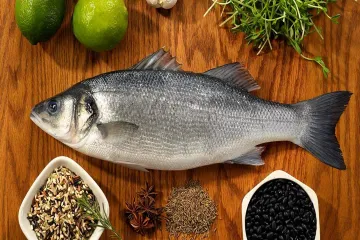
To put the edibility of the Yellow Bass into perspective, it helps to compare it against its well-known relatives within the Morone genus: White Bass and Striped Bass. White Bass are often celebrated for their clean, mild taste, making them a popular table fish in the Midwest. [4] Yellow Bass generally fall in a similar category but perhaps rank slightly below White Bass in widespread culinary acclaim, though this is subjective. [1][5]
The Striped Bass presents the widest range of quality. A pristine, large, sea-run striper is generally considered a premium catch, often deemed superior in taste and texture to both Yellow Bass and White Bass due to its diet and robust muscle structure. [8] However, a contaminated or muddy-tasting reservoir striper is arguably worse than even a small Yellow Bass caught from clean water. [3][4] This suggests a practical ranking based on the best-case scenario for each fish:
| Fish Species | Typical Habitat | General Taste Consensus (Best Case) | Primary Concern |
|---|---|---|---|
| Yellow Bass | Freshwater | Mild, flaky, acceptable | Yield (thin fillets) [1] |
| Striped Bass (Saltwater) | Estuaries/Ocean | Firm, excellent, mild | Mercury/Contamination [3] |
| Striped Bass (Freshwater) | Reservoirs | Variable, can be muddy | Off-flavors and localized advisories [4][6] |
This comparison illustrates that the label "yellow striped bass" likely refers to a fish whose quality is generally good but highly dependent on its specific environment, which can vary from the clean, small creeks where Yellow Bass thrive to the vast reservoirs housing landlocked Stripers. [5][8] When targeting these species, anglers often face a trade-off: Yellow Bass are typically smaller but less prone to extreme off-flavors than a landlocked striper whose diet is unknown. [1][4]
# Final Thoughts on Consumption
Deciding whether to eat a fish identified as a yellow striped bass ultimately comes down to a three-part assessment: positive identification, local advisories, and personal tolerance for mild flavors. If you are certain you have a Yellow Bass from a body of water with no posted warnings, it is generally considered a safe and acceptable eating fish, though you will likely need several fillets to make a satisfying meal due to their size. [1][5]
For the larger, more aggressively striped fish that might also be mistakenly called yellow striped bass, the Striped Bass, the primary focus must shift to the source. [8] If the fish came from a clean saltwater run, enjoy the firm, mild meat that many consider top-tier table fare. [8] If it came from a landlocked reservoir, consult your local fish consumption advisories before cleaning it. [6] An angler’s ability to discern subtle differences in texture and flavor, or perhaps their willingness to employ aggressive seasoning techniques, will determine how much they personally value the catch compared to the potential health risks associated with that specific ecosystem. [3] The best approach remains respecting the fish's habitat above all else.
#Videos
Why Does Nobody EAT This FISH?!?! TASTY Yellow Bass CATCH ...
Related Questions
#Citations
Are yellow bass good eating? : r/Fishing - Reddit
Why Does Nobody EAT This FISH?!?! TASTY Yellow Bass CATCH ...
Why I Won't Eat Striped Bass - Health Warning Explained - Facebook
Yellow Bass Good to Eat? - Walleye Message Central
Fish Consumption Advisories - Kentucky Department of Fish & Wildlife
What does striped bass taste like? - Quora
The 14 Most Sustainable Fish to Eat—and 11 Types to Avoid
Stripers-Do They Taste Better From Salt Water?..... - StripersOnline