How do you detect food spoilage?
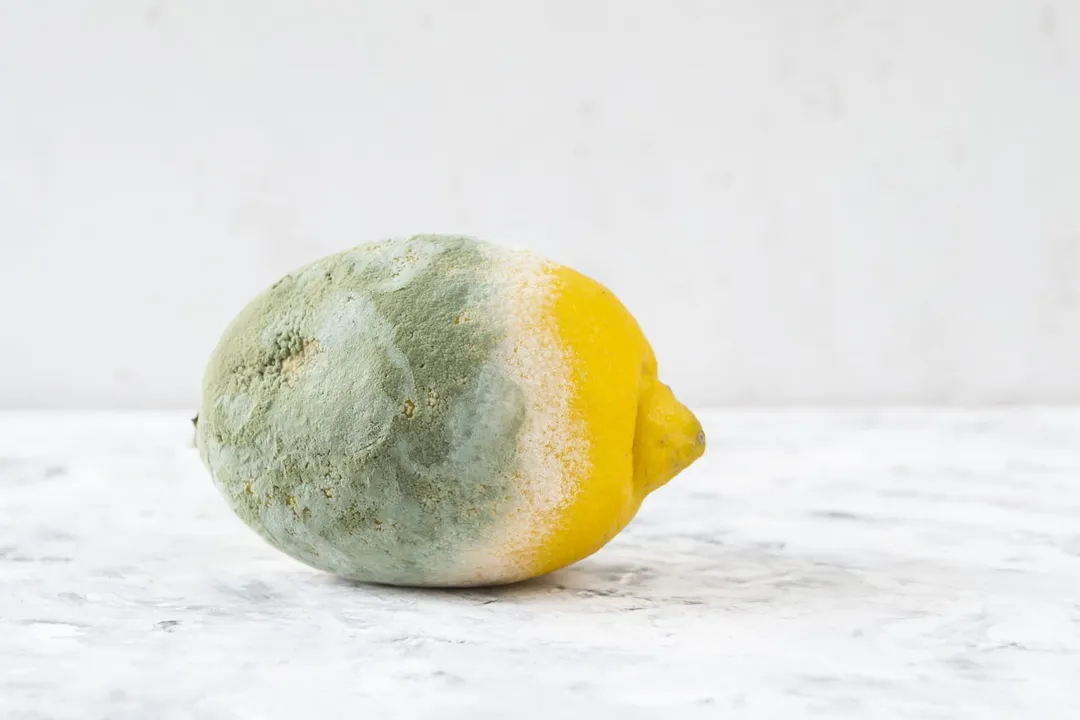
The moment you reach into the refrigerator or pantry, your senses become the first line of defense against foodborne illness and wasted groceries. Recognizing when food has moved from perfectly edible to actively spoiling is a skill built on paying close attention to subtle—and sometimes very obvious—changes in color, texture, and smell. [1][4][8] This vigilance is essential because while some spoilage is merely an indicator of quality loss, other changes signal the presence of dangerous microorganisms, even if they aren't easily detectable by sight or odor alone. [5][7]
# Visual Cues
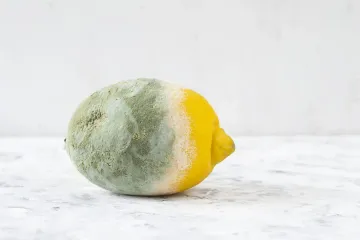
The initial assessment of any perishable item should always involve looking it over carefully. Different foods offer different visual warnings. For instance, fresh produce often shows signs of breakdown first, such as wilting, sliminess, or the appearance of mold. [1] When dealing with meat and poultry, watch for any noticeable change in color; fresh meat should exhibit the expected red or pink hues, depending on the cut, while spoilage might manifest as a gray, green, or dull brown surface. [4] However, be aware that slight surface color changes in fresh meat, particularly red meats, can sometimes be due to oxidation rather than outright spoilage, which is where smell becomes the deciding factor. [4]
In dairy products, one of the most telling visual signs is the presence of mold, which can appear fuzzy or discolored on the surface of cheeses or yogurt. [1] Liquids like milk might start to show slight curdling or thickening, even before the sour smell becomes overwhelming. [4] For cooked leftovers, look for any film on the surface or unusual cloudiness in the liquid portion. [1]
When examining shelf-stable goods that have been opened, especially oils or baked items, look for crystallization, cloudiness, or the development of any visible mold spots. [1] These visual checks are perhaps the easiest to perform quickly, acting as a primary filter for what you intend to consume or prepare.
# Olfactory Warnings

Smell is arguably the most reliable indicator of spoilage for many food categories, as the metabolic byproducts of decaying microbes often produce powerful, unpleasant odors. [8] A food that smells sour, acrid, rancid, or simply "off" should be discarded immediately, regardless of how good it looks. [1][4]
For fresh meats, a distinct, foul, or sulfuric odor is a clear warning sign. [4] Dairy products, which are rich in fat and protein, readily develop sourness—think of the sharp, unmistakable smell of spoiled milk or yogurt. [1] Certain fish and seafood will emit a strong ammonia-like scent when they begin to break down, a change that indicates significant deterioration. [4]
It is important to recognize that some foods, like strong cheeses or aged items, naturally possess intense aromas that are not indicative of spoilage. The key is recognizing the type of smell. A sour milk smell on fresh milk is a warning; a pungent aroma on a blue cheese is expected. [1] Furthermore, the degree of smell matters; a faint "off" note might mean quality is declining, while an overpowering stench usually means the food is well past its prime. [8]

# Textural Shifts
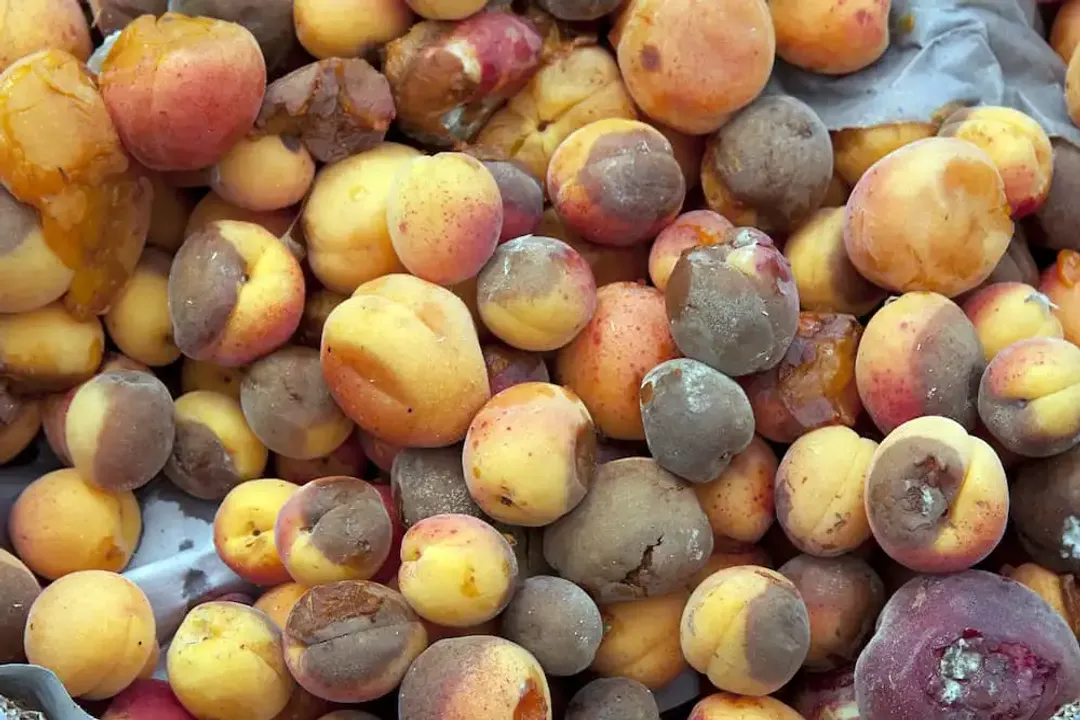
Texture changes often accompany the visual and olfactory signs of decay. A fresh cucumber should be firm; if it becomes soft or waterlogged, spoilage has likely begun. [1] Foods that should be crisp—like lettuce or celery—will exhibit wilting or sliminess when they start to degrade. [4]
For meats and poultry, a slimy or sticky film on the surface is a major red flag that indicates bacterial growth. [1][4] If you touch the surface and it feels tacky or unusually slick, do not proceed with preparation. [4] Similarly, cooked starches or leftovers that feel mushy when they should hold their shape are past their safe consumption window. [1] For dry goods like flours or nuts, watch for a change from their expected dry or firm state to a clumpy or oily texture, which signals moisture absorption and potential rancidity or mold initiation. [1]
To make quick decisions in the kitchen, you can use this three-step mental checklist: See it, Smell it, Touch it. If any step fails—a strange color, an unmistakable bad odor, or a slimy texture—the item should go into the waste bin. [4] This systematic approach helps prevent reliance on just one sense, which can sometimes be tricked, especially in complex foods.
# Specific Food Checks
Different food groups require specific attention because their spoilage mechanisms vary.
# Produce and Dry Goods
For most fruits and vegetables, look for soft spots, leakage of juices, or excessive wrinkling beyond what is typical for the item as it ages. [1] For items like potatoes or onions stored too long, look for sprouting or deep softness, which indicates internal deterioration. [4]
Dry goods like flour, grains, or powdered mixes should be checked for signs of insect activity or clumping caused by humidity. If you notice any off-odors in these items—a smell of paint thinner or mildew—it often indicates rancidity in the fats present, meaning the product is spoiled even if mold isn't visible. [1]
# Meat, Poultry, and Fish
These high-protein foods spoil quickly and require the strictest adherence to sensory checks. [4][8] As mentioned, look for color changes (gray, green) and stickiness. [4] A key sign for ground meats is a rapid development of off-odors shortly after purchase, which often necessitates immediate use or freezing. [3] Fish should smell mild, like the sea, not strongly fishy or like ammonia. [4] The flesh should be firm and spring back when lightly touched; if it remains indented, it is likely deteriorating. [4]
# Dairy and Eggs
Milk, cream, and yogurt should be monitored for sourness and curdling. [1] Hard cheeses that have visible mold on the surface can often be salvaged by cutting away at least an inch around and below the mold spot, provided the cheese is firm. [4] Softer cheeses, however, should be discarded entirely if mold appears. [4] Eggs, when cracked, might show a very flat, spreading yolk, or an opaque, discolored white, though the float test (placing the egg in water) is a more traditional, though less precise, indicator of age. [4]
# The Hidden Threat Pathogens
While visual and olfactory checks are crucial for identifying general spoilage, they are not a reliable defense against dangerous foodborne pathogens like Salmonella or E. coli. [7] Many harmful bacteria that cause illness do not alter the taste, smell, or appearance of food in the ways that common spoilage organisms do. [5] A piece of chicken that looks and smells fine can still harbor dangerous levels of bacteria, which is why adherence to safe internal cooking temperatures and strict time/temperature controls for leftovers are non-negotiable safety barriers. [3] For food handlers, especially in commercial settings, relying solely on sensory checks is insufficient; proper time tracking, temperature monitoring, and processing controls are necessary to identify contamination before it becomes obvious spoilage. [5] It is a vital concept to internalize: safe food is often visually indistinguishable from unsafe food when pathogens are the concern. [7]
# Canned Goods Integrity
Home-canned foods, or even commercially canned goods, present unique spoilage risks that must be detected before opening. The primary concern is the potential for botulism, a severe illness caused by Clostridium botulinum toxins. [6] Never use a can that is leaking, severely dented (especially on the seams), or shows signs of rust. [6]
The most alarming sign is a bulging lid. [6] A vacuum-sealed can should have a concave lid; if it bulges outward, it indicates gas production from microbial activity inside. [6] If you open a can and the contents spurt out, foam excessively, or have an unusual color or foul odor upon opening, treat the contents as highly suspect and discard the entire contents immediately—do not even taste it. [6] The high-pressure processing used in safe canning is designed to eliminate these tough spores, so the presence of gas or spoilage is a sign of a failure in that critical process. [6]
# Dates and Context
Understanding "Use By" versus "Best By" dates is a necessary part of spoilage detection. Dates printed on packaging are primarily indicators of peak quality, not absolute safety limits, with the exception of certain infant formulas. [3] A "Best By" date suggests that the food's flavor or texture might decline after that date, but it doesn't automatically mean it's spoiled. [3] Conversely, food can spoil before its printed date if it has been stored improperly, such as being left out at room temperature or poorly refrigerated. [8] For instance, while the general guideline is that perishable foods should not remain in the "Danger Zone" (between 40°F and 140°F or 4°C and 60°C) for more than two hours, a humid kitchen environment common in warmer climates can actually accelerate the development of surface molds and textural changes even within recommended refrigerator temperatures compared to drier, climate-controlled testing facilities. [8]
# Home Canning Failures
Detecting spoilage in home-canned goods requires extra scrutiny because the sealing process is managed outside of industrial standards. [6] Beyond the external visual checks (dents, bulges), [6] if you are processing low-acid foods like vegetables or meats using the water bath method instead of pressure canning, the risk of survival for C. botulinum spores increases dramatically. [6] If the seal breaks or you suspect the processing method was incorrect, the safe action is to re-boil the food vigorously for 10 minutes before tasting or using it, or simply discard it if you have any doubt about the initial sealing integrity. [6]
# Final Thoughts
Detecting food spoilage is not a precise science but a practiced art relying on multiple sensory inputs. While modern food production aims for consistency, real-world variables—like temperature fluctuations during transport or storage in your own home—mean that an item might degrade faster than expected. [8] Always trust your nose and eyes first, but remember that an item can still be hazardous even if it passes the visual and olfactory test because unseen pathogens might be present. [5][7] Consistency in checking food quality upon receipt, during storage, and immediately before use is the best habit for ensuring safety and maximizing the usability of your groceries.
Related Questions
#Citations
Signs of Food Spoilage - Penn State Extension
The 3 Ways to Identify Spoiled Food - HUBERT.com
Protecting Your Family from Food Spoilage - USDA
6 Ways to Identify Spoiled Food - Taste of Home
Food spoilage - Wikipedia
How to Detect Spoilage in Home-Canned Foods - Dummies.com
What Is the Easiest Way to Recognize Food Contaminated with ...
Spotting Perishable Food Spoilage: What to Look For
Spoilage Testing - bioMerieux