How to test for food spoilage?
Figuring out if something in your refrigerator or pantry has turned is a common kitchen reality, but relying on a single sense can be misleading or, worse, dangerous. The initial assessment usually involves engaging your senses, starting with your nose, as smell is often the first warning sign that food quality is declining. [1][5] A strong, sour, or generally "off" odor emanating from meat, dairy, or produce signals that spoilage organisms like bacteria, yeasts, or molds are active. [4] For instance, milk that has soured will emit a distinctly unpleasant smell. [5] However, you must be cautious, as the smell test alone is insufficient for determining safety. [6] Spoilage bacteria produce these noticeable odors, but dangerous pathogens that cause foodborne illness might not produce any smell at all. [6]
# Visual Clues
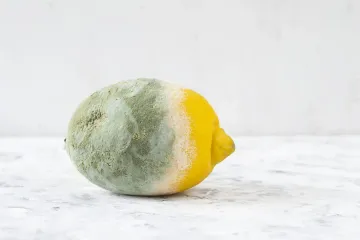
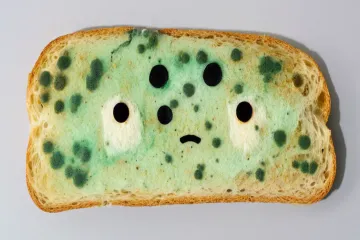
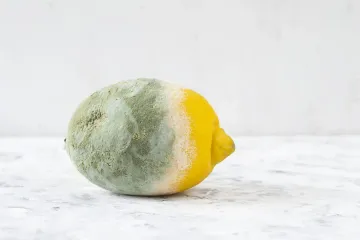
Looking closely at your food provides the next layer of evidence. Visually, many signs of spoilage are straightforward. The most obvious indicator is the presence of mold, which can appear fuzzy or look like discolored spots on bread, cheese, or produce. [1][2] Discoloration in meats or even liquids that turn cloudy are red flags. [1][2] For items stored in liquid, like pickles or jarred goods, cloudiness can signal that yeast or mold growth is occurring beneath the surface. [7] When checking deli meats or fresh products, look for any signs of slime or stickiness on the surface. [1] If you are assessing slime, instead of just touching the meat or deli product, try gently sliding your finger across the surface. If the slime layer resists sliding or creates a tacky, sticky film that pulls away, it's a stronger indicator of bacterial breakdown than just the appearance of wetness. [1][5]
# Texture Changes
Texture is another significant indicator of deterioration, especially in perishable items like meat, fish, or soft produce. Fresh food should generally maintain its expected firmness or softness. [5] As bacteria multiply, they produce waste products that break down the food's structure, often resulting in a slimy film, as noted when examining surface appearance. [1] Conversely, some foods might become overly dry or excessively soft. For example, fruits and vegetables that should be crisp might become mushy or limp, indicating advanced decomposition. [5]
# Taste Warning
While taste is technically a way the human body perceives chemical changes in food, it should be the last sense employed, and often it should be avoided entirely. [5] You should never rely on tasting food just to determine if it has gone bad. [5] The presence of pathogens means that even a small taste could lead to illness, even if the food tastes only slightly off. [6] If you must rely on taste for something like home-canned goods where other signs are ambiguous, it is generally advised against, as the risk outweighs the minimal reward. [7]
# Canned Safety Check
Canned goods require a specific, non-sensory pre-opening inspection because of the risk associated with botulism spores, which can thrive in low-acid, anaerobic environments. [7] Before you even consider opening a can, check the lid and the seam where the lid meets the can body. If the lid is bulging, rounded, or appears swollen, do not open it—this suggests gas production from spoilage organisms. [2][7] Look for any leakage around the seals as well. [2] An original, safe can should have a flat top. [7] After opening a questionable can, if the contents are strangely soft, moldy, discolored, or if liquid spurts out under pressure, discard the entire contents immediately. [7] Furthermore, for home-canned items, if you notice any cloudiness or off-coloration, throwing the food away is the safest action. [7] For a quick, pre-opening check on potentially compromised cans, perform a quick tap test. A severely spoiled can might sound dull or hollow compared to a normal can due to internal pressure changes or compromised structure; this is a subtle, pre-opening safety check. [2][7]
# Freezing Effects and Deception
Understanding how freezing affects food quality versus safety is critical for assessing frozen goods. Freezing food at or below 0°F (-18°C) stops microbial growth, meaning bacteria will not multiply while frozen. [3] However, freezing does not kill all bacteria or inactivate enzymes that cause quality degradation over time. [3] This is why food can appear perfectly fine after thawing—it might look and smell normal—but still be unsafe to eat if it was spoiled before freezing, or if it has deteriorated in quality during long-term storage. [3] The safety issue shifts from active spoilage to potential prior contamination or quality loss in frozen items.
# Recognizing Invisible Threats
The biggest challenge in testing food for spoilage is that the most dangerous contaminants are often entirely undetectable by human senses. [6] While signs like off-smells indicate spoilage bacteria have had a party, foodborne pathogens like Salmonella or E. coli may be present without changing the look, smell, or taste of the food product. [6] This is why relying on "use-by" or "sell-by" dates is important, though these dates primarily relate to peak quality rather than absolute safety. [1] If you notice a container swelling or leaking that you haven't opened, this change in packaging integrity is a strong sign that internal microbial activity is producing gas, which warrants immediate disposal regardless of the contents. [2]
# Professional Analysis
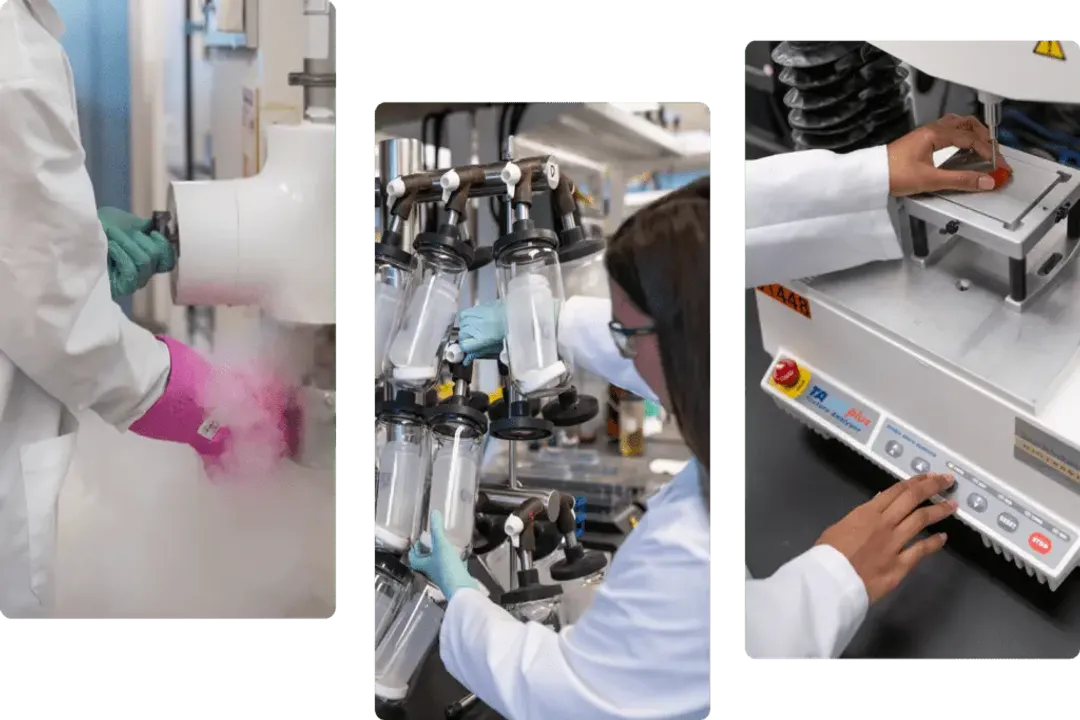
In the commercial food sector, testing for spoilage goes far beyond a quick sniff. Producers use rigorous analytical methods to ensure product integrity and shelf life. [8] These methods often fall into three categories: sensory evaluation, where trained panels assess quality characteristics; microbiological testing, which quantifies the levels of spoilage organisms like yeast and mold; and chemical analysis, which might measure pH levels or volatile compounds that indicate decomposition. [4][8] Microbiological testing allows processors to count colony-forming units (CFU) to determine if microbial loads exceed acceptable safety or quality thresholds, providing data that human senses cannot replicate. [8] This structured, quantitative approach is necessary for setting reliable expiration dates and maintaining public trust. [8]
# Sensing the Future
As technology advances, methods for detecting spoilage are becoming more sophisticated than traditional kitchen checks. Researchers are developing novel tools designed to identify spoilage and contamination that sensory methods miss. [9] One example involves creating specialized sensors, sometimes resembling simple materials like Velcro, that can actively detect the presence of spoilage indicators or contaminants in food packaging. [9] Such sensors aim to provide an objective, immediate readout on safety or quality status, moving beyond subjective human perception and potentially warning consumers about issues undetectable by sight or smell alone. [9]
Related Questions
#Citations
5 Tricks to Test If Your Food's Gone Bad - Emergency Essentials
6 Ways to Identify Spoiled Food - Taste of Home
Freezing and Food Safety
See if my food is spoiling - Medallion Labs
Signs of Food Spoilage - Penn State Extension
The "smell test" won't tell you if food is safe to eat. Save this chart ...
How to Detect Spoilage in Home-Canned Foods - Dummies.com
Spoilage Organism Testing - Eurofins USA
This smart strip can tell you if your food is safe to eat or not