What is the reliability of sensory checks against dangerous pathogens like Salmonella or E. coli?
Sensory checks are not a reliable defense against dangerous foodborne pathogens.
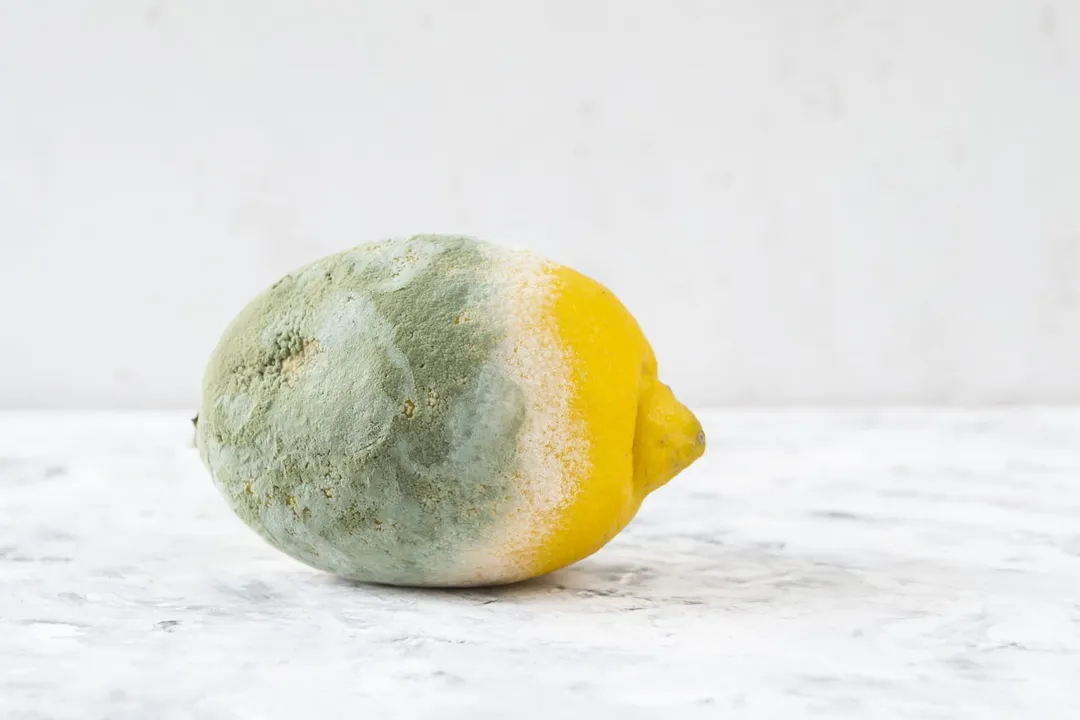
Sensory evaluations, encompassing sight, smell, and touch, are highly effective tools for identifying common spoilage organisms that affect the quality, texture, and odor of food. However, the text explicitly warns that these methods fail significantly when detecting dangerous foodborne pathogens such as Salmonella or E. coli. Many harmful bacteria that cause severe illness do not produce discernible changes in the food's taste, smell, or appearance that would alert the consumer. This concept is critical: safe food can often look and smell perfectly normal while still harboring dangerous levels of pathogenic microorganisms. Therefore, adherence to time/temperature controls and cooking to safe internal temperatures serves as the necessary safety barrier against these unseen threats, rather than relying exclusively on sensory perception.