Which toxic substances are specifically produced by molds during food degradation?
Answer
mycotoxins
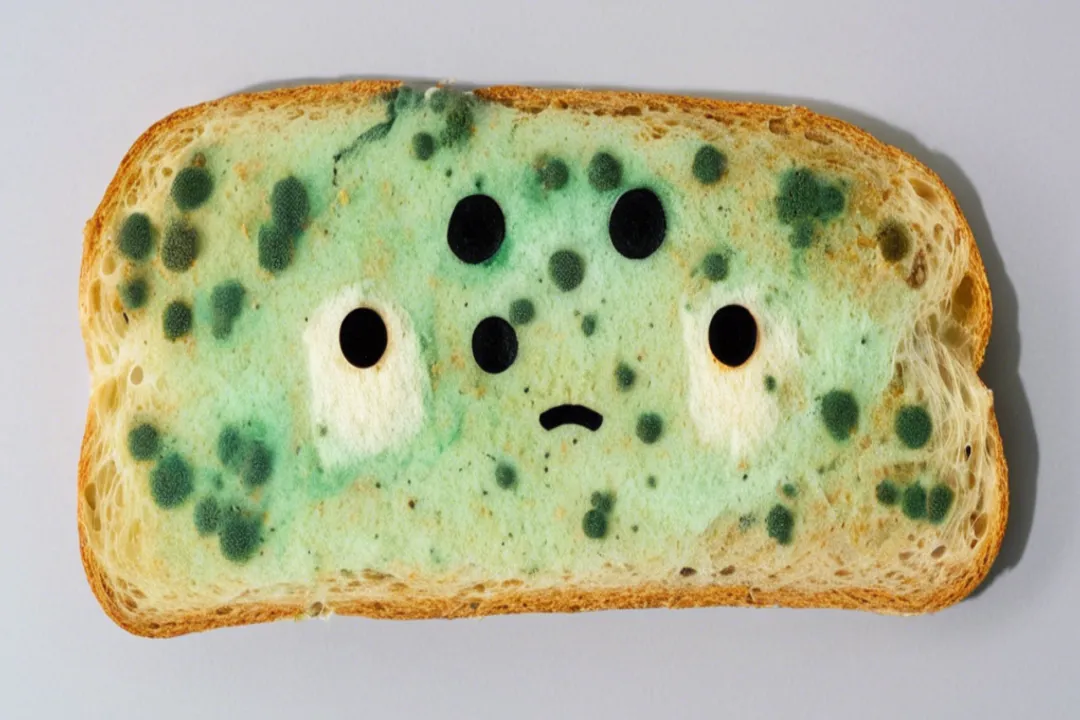
Mycotoxins are poisonous substances harmful to both humans and animals, and their production is specifically attributed to certain species of molds growing on food substrates. Molds, being multicellular fungi, degrade food by secreting exoenzymes, but the production of these specific toxins represents the most dangerous aspect of mold spoilage. Lipolytic enzymes are involved in breaking down fats leading to rancidity (a chemical change), polyphenol oxidase is an enzyme responsible for enzymatic browning (a chemical change), and free fatty acids are the resulting compounds from lipid breakdown, not the toxin produced by mold itself.
Related Questions
Which toxic substances are specifically produced by molds during food degradation?What type of food content do yeasts primarily cause spoilage in?What process causes the tough, dry patches known as freezer burn on frozen food?What enzyme facilitates enzymatic browning in items like avocados or apples?What preservation technique uses brief heat exposure to denature native enzymes?What chemical process results in soapy or stale flavors due to fat breakdown by lipolytic enzymes?Which factor is NOT listed among the "Big Four" environmental factors for microbial spoilage?What causes staling in baked goods during physical deterioration?Which specific bacteria are noted for causing spoilage in refrigerated foods?How is the Maillard reaction described when it occurs slowly during long storage periods?