What specific visual change in meat indicates deterioration beyond fresh consumption standards?
Answer
A grey or greenish hue developing on the cut surface.
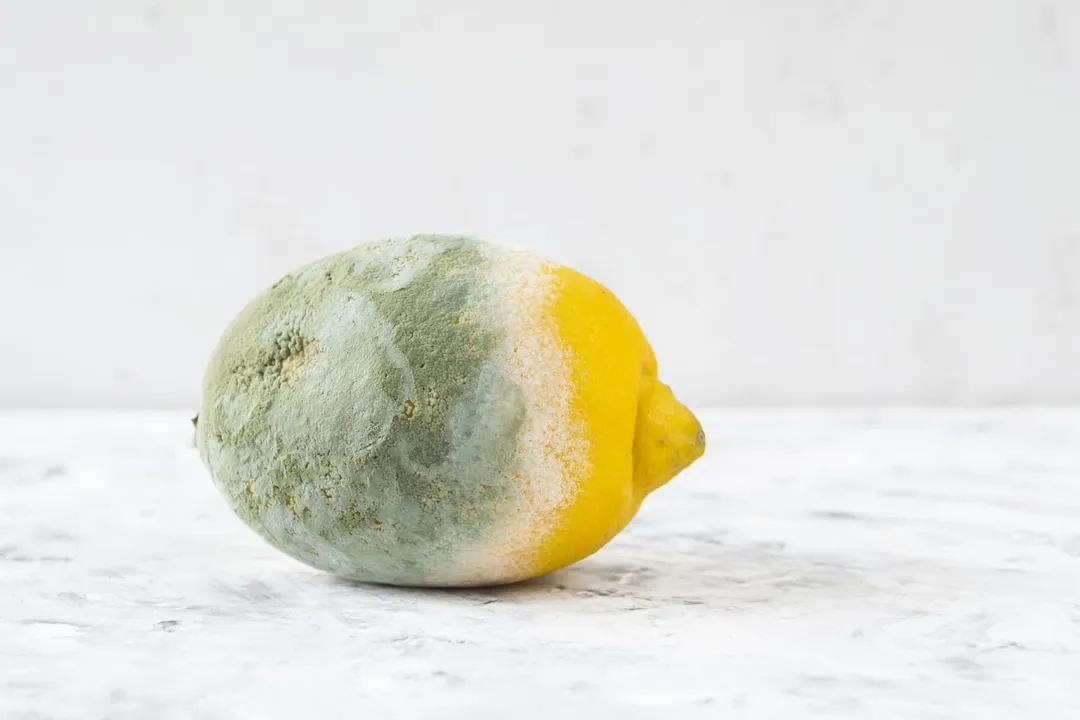
Safe, fresh meat, such as beef, is typically expected to exhibit a bright cherry red color and possess a mild, almost metallic scent. Deterioration is signaled by clear deviations from this expected state. Specifically, if the meat begins to display a gray color, a brownish discoloration, or develops any noticeable greenish tint, these are reliable visual cues that the cut has spoiled and should not be consumed. Furthermore, the development of a sticky surface film is another strong indicator of bacterial buildup associated with meat spoilage.
Related Questions
Why are immediate sensory checks like smell and sight better than packaging dates for assessing food safety?What physical indication in a sealed container like a jar suggests active microbial metabolism?What specific visual change in meat indicates deterioration beyond fresh consumption standards?What is the high-stakes danger associated with *Clostridium botulinum* in home-canned goods?How do dangerous pathogens differ fundamentally from spoilage organisms regarding sensory detection?What specific physical presentation defines spoiled milk when visual inspection is performed?What temperature range constitutes the danger zone where pathogens multiply rapidly?What organizational system is recommended for bulk food storage to reduce reliance on late sensory checks?What structural feature on raw meat surfaces points specifically to bacterial colonization?What is the primary physical indicator related to the seal integrity of a home-canned jar signaling danger?