What is GUI in Korean cooking?
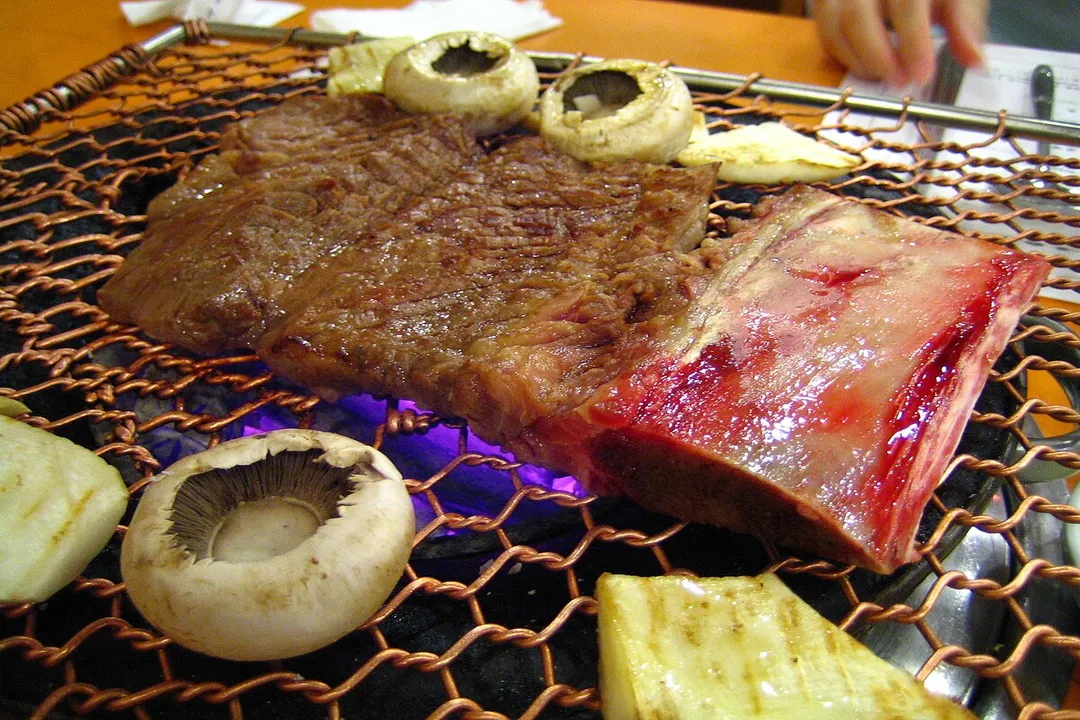
The term gui represents a foundational category within Korean culinary arts, encompassing dishes that are prepared by grilling or pan-frying. [1][4][6] Rather than referring to a single dish, gui denotes a method of cooking, making it one of the major classifications of Korean food preparation alongside stewing (jjigae), simmering (jorim), or steaming (jjim). [5] This cooking style is celebrated for its ability to concentrate flavors and create appealing textures, often resulting in wonderfully charred edges or a perfectly browned crust on ingredients ranging from meat and fish to various vegetables. [1] The direct application of heat is central to the gui experience, transforming simple components into satisfying meals, frequently shared communally. [3]
# Definition and Scope
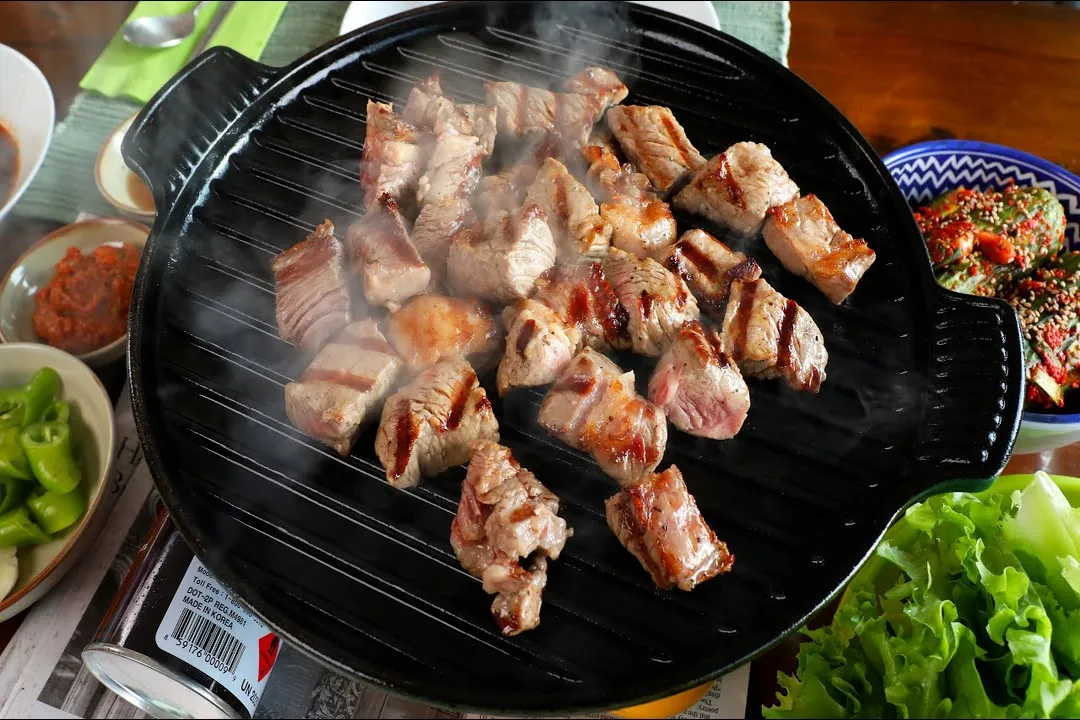
In a general sense, gui translates loosely to "roast" or "broil" in English contexts, but its application in Korean kitchens is much broader and more specific than those single words suggest. [4] It covers everything from thinly sliced marinated beef cooked quickly on a hot plate to whole fish lightly seasoned and grilled over glowing embers. [1][7] The versatility means that what constitutes a gui dish can vary significantly based on the primary ingredient and the specific cooking apparatus employed. [5] For the uninitiated, understanding gui is key to grasping the essence of Korean barbecue culture, as many dishes associated globally with that term fall squarely under this gui umbrella. [3]
# Cooking Methods
The preparation of gui fundamentally relies on dry-heat cooking, but the specific source of that heat determines the final flavor profile. [1] One primary method involves grilling, which traditionally utilizes charcoal, often yielding a distinct smoky aroma that is difficult to replicate perfectly with other means. [1][3] When meat, perhaps thinly sliced beef marinated in bulgogi style sauces, is cooked over charcoal, the rendered fat drips onto the embers, creating flavorful smoke that permeates the meat. [7] This high-heat grilling is often what people picture when they think of a Korean barbecue restaurant experience. [3]
Conversely, many gui preparations are executed via pan-frying, especially in home settings or for dishes better suited to direct contact with a flat surface. [1] This could involve searing marinated slices of meat in a little oil in a cast iron skillet or cooking seasoned slices of pork belly (samgyeopsal gui) until they are crisp. [5] The difference between charcoal grilling and pan-frying can be substantial; charcoal imparts a unique smokiness and often cooks through convection and radiation, while pan-frying relies on conduction, creating a more uniformly browned surface where searing is paramount. [1] For instance, a simple preparation like soegogi gui (beef gui) might be pan-fried at home for ease, whereas in a specialized setting, it would be grilled for enhanced depth of flavor. [7]
# Ingredient Spectrum
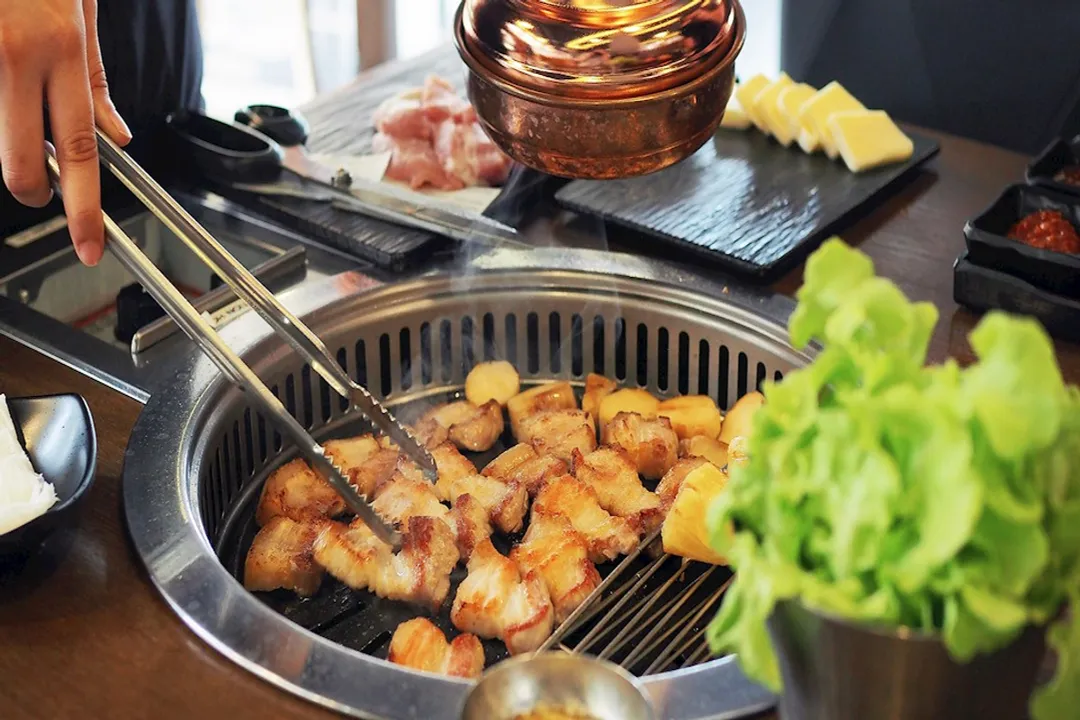
The breadth of ingredients suitable for the gui preparation method is extensive, proving that this cooking style is not limited to red meat. [1][5]
# Meats and Seafood
Beef and pork form the backbone of many famous gui dishes. Dishes like galbi (grilled ribs) and bulgogi (marinated sliced beef) are perhaps the most internationally recognized examples of gui. [1] Galbi, typically marinated in a soy sauce, garlic, and sesame oil mixture, showcases the rich flavor developed under high heat. [7] Pork variations are equally popular, frequently involving thicker cuts or belly sections seasoned with spicy gochujang based marinades or simple salt and pepper (sogeum gui). [5]
Seafood gui (saengseon gui) is another vital part of this category. Whole fish, such as mackerel (godeungeo gui) or eel (jangeo gui), are often simply seasoned with salt to let the natural flavor of the fish shine through the grilling process. [1] The key here is often the texture—achieving a crisp exterior while ensuring the interior remains moist and flaky, a balance that direct, managed heat achieves well. [4]
# Vegetables and Tofu
Gui techniques are not exclusive to animal proteins; vegetables are frequently prepared this way, sometimes as a main course or often as accompaniments to meat dishes. [1] Ingredients like mushrooms (especially oyster or shiitake), onions, garlic cloves, peppers, and even slices of sweet potato or pumpkin are commonly placed directly on the grill or in a pan. [5] When cooked this way, the natural sugars in the vegetables caramelize, creating pockets of sweetness that contrast wonderfully with savory, salty meats. [1] Tofu, too, can be pan-fried until golden brown, providing a satisfying, chewy texture that readily absorbs dipping sauces. [4]
# Classic Preparations
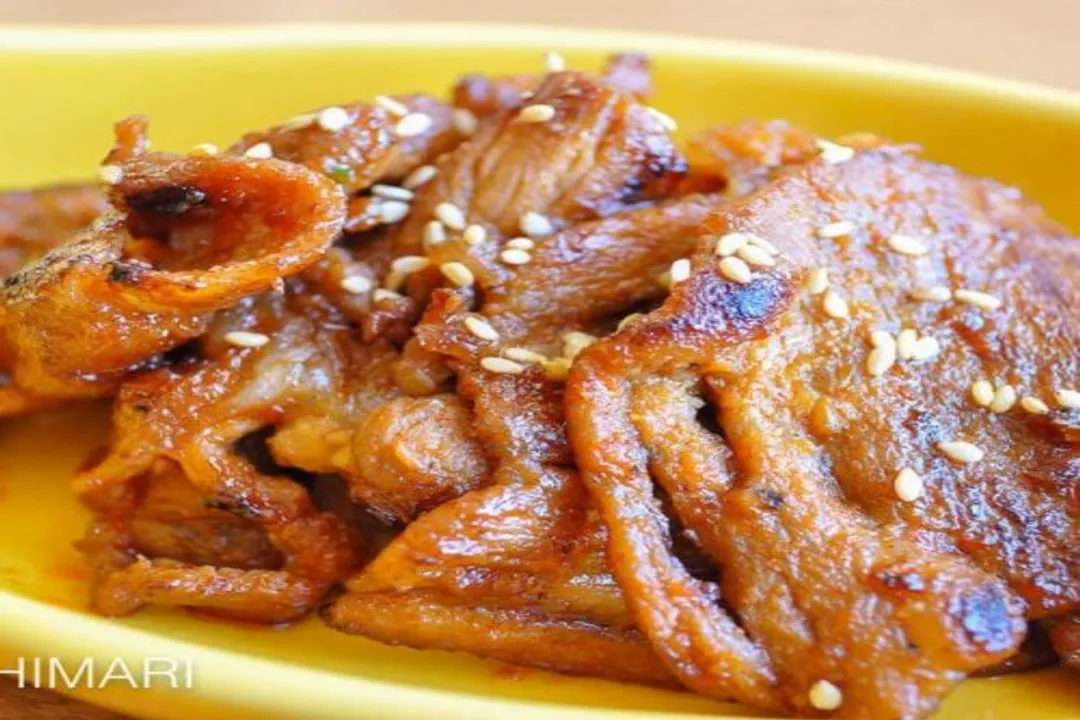
Korean cooking literature catalogs numerous specific gui dishes, often named after the main ingredient or the cut of meat. [5] Understanding the preparation of a few staples illustrates the range within the gui classification.
# Marinated vs. Unmarinated
A critical distinction in gui preparation is whether the ingredient is marinated beforehand or cooked simply with seasoning applied just before or during cooking. [1][7]
Marinated gui, like Bulgogi (often thinly sliced sirloin or tenderloin marinated in soy sauce, sugar, garlic, and often pear juice for tenderizing), relies on the marinade to impart moisture and deep flavor during the quick cooking process. [7] The sugar content in these marinades means precise heat control is necessary to prevent burning before the meat is cooked through. [1]
Conversely, unmarinated gui places the focus squarely on the inherent quality of the ingredient and the grilling technique itself. A classic example is Galmaegisal Gui (pork skirt meat) or simple salt-and-pepper pork belly, where the flavor comes from the meat itself and the smoke or sear provided by the cooking surface. [3] In these cases, high heat applied directly is essential to develop the Maillard reaction on the surface without overcooking the interior. [4]
For instance, when preparing Soegogi Gui (beef gui), one might choose a marinade, but a very traditional, high-quality cut might only require a light brushing of sesame oil and a sprinkle of coarse sea salt before hitting the coals. [7] This showcases the chef's trust in the ingredient's natural taste.
# The Tabletop Experience
The environment in which gui is cooked profoundly influences its consumption. In a restaurant setting, the centerpiece is often a built-in tabletop grill—be it gas, electric, or charcoal—allowing diners to cook their own meat throughout the meal. [3] This communal cooking approach means that the food is eaten immediately after it comes off the heat, ensuring peak temperature and texture. [3]
A simple, yet essential, skill for an enjoyable gui meal is learning how to manage the cooking surface effectively. If you are cooking marinated items, it is often best practice to designate one area of the grill for raw/marinated meat and another, slightly cooler area for cooking vegetables or holding already-cooked pieces, preventing cross-contamination and uneven cooking, a trick that transfers well whether you are using a portable tabletop gas burner or a home stovetop pan. [5] Furthermore, rather than overcrowding the surface, cooking in smaller batches, even if it means eating slightly less frequently, ensures every piece receives adequate heat transfer for that perfect sear or char. [1] This attention to heat management is perhaps the most critical factor separating a good gui experience from a merely adequate one.
# Serving and Accompaniments

Gui dishes are rarely served in isolation; they are typically part of a larger Korean meal structure, served with an array of side dishes (banchan) and condiments. [5] The standard accompaniments are designed to cut through the richness of the grilled meat or fish and provide textural contrast.
# Essential Condiments
Dipping sauces are crucial for many gui preparations, especially those that are less heavily marinated. [1] Ssamjang, a thick, savory paste made from a mixture of doenjang (fermented soybean paste) and gochujang (chili paste), seasoned with garlic, sesame oil, and sometimes sugar, is perhaps the most famous dipping agent. [5] It provides a salty, earthy, and slightly spicy counterpoint to rich beef or pork. [7]
In addition to ssamjang, diners often use sesame oil mixed with salt and pepper (gireumjang) to season unmarinated meats, or they might use vinegared soy sauce for certain seafood gui. [1]
# The Ssam Tradition
A defining element of eating meat gui is the ssam, or wrap. [5] This involves taking a piece of lettuce (such as red leaf or green leaf lettuce) or a perilla leaf (kkaennip), placing a piece of the hot grilled meat on it, adding a small dab of ssamjang or another condiment, and perhaps a slice of raw garlic or ssam-mu (pickled radish), and eating the entire creation in one bite. [5] This method ensures that every mouthful is a balanced combination of savory, fresh, spicy, and herbaceous flavors, demonstrating the Korean culinary philosophy of balancing textures and tastes within a single serving. [1]
If you are trying to replicate this at home with pan-fried gui, using crisp romaine lettuce hearts or even blanched Napa cabbage leaves can substitute admirably for traditional Korean greens, providing the necessary structural integrity to hold the hot meat and cool condiments without tearing. [7]
# Categorization and Context
While gui is a cooking method, it has also become culturally synonymous with the social event of Korean Barbecue. [3] This association sometimes causes confusion, as not all gui is served as part of a traditional tabletop BBQ experience—some are plated mains served with rice and soup. [5] However, the barbecue style is dominant enough that the terms often become interchangeable in casual conversation. [3]
The culinary role of gui can vary seasonally as well. While heavy, savory marinated beef gui is popular year-round, lighter fish gui may feature more prominently in summer months, served alongside cooling side dishes, whereas heartier, fattier pork gui might be favored as the weather turns cooler. [5] This flexibility highlights gui's ability to adapt to both ingredient availability and the needs of the diner across different times of the year. [1] The preparation remains constant—direct heat application—but the specific choice of protein or vegetable shifts with the seasons. [4]
In essence, gui is more than just grilling; it is a direct, high-heat cooking method that unlocks the inherent flavors of Korean ingredients, whether through the smoky char of charcoal or the crisp sear of a hot pan, forming the cornerstone of many beloved communal meals. [1][3]
Related Questions
#Citations
Gui (food)
In Korean cuisine the word gui or guee is a grilled dish. ...
Gui | Traditional Barbecue From South Korea, East Asia
Gui (food)
Gui Archives
Gui (food) Facts for Kids
Korean-style grilled beef BBQ (Soegogi-gui)