What's the secret to perfectly cooked carrots?
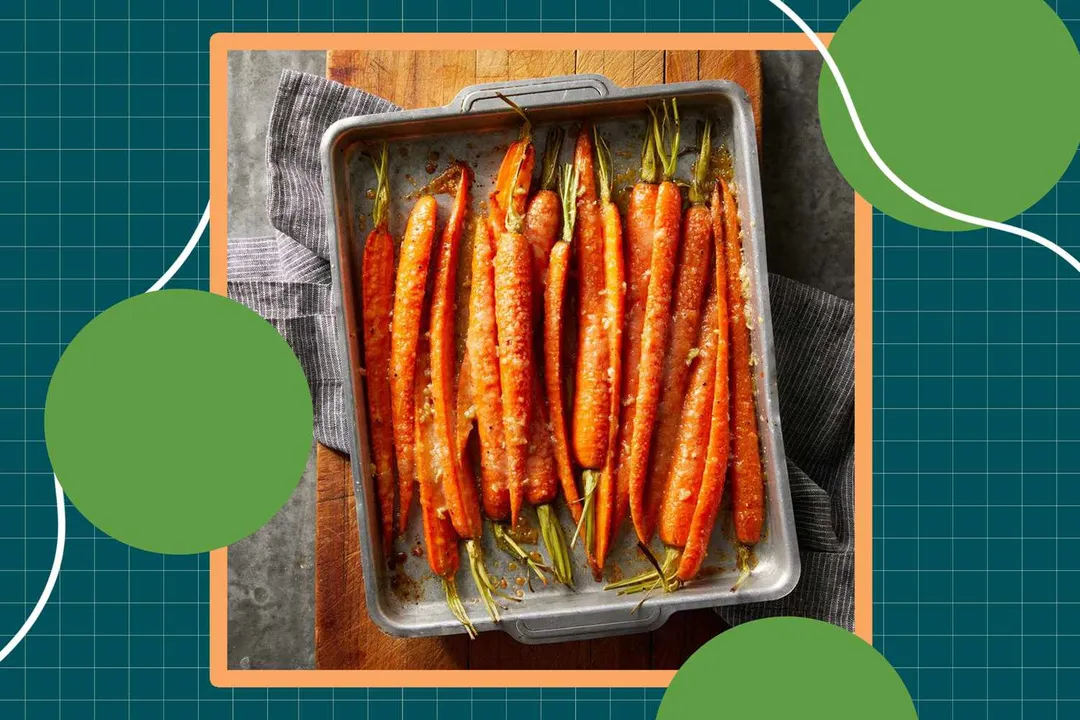
Achieving the perfect carrot texture—whether that means tender and sweet, deeply caramelized, or vibrantly crisp—is less about luck and more about method. The secret lies in understanding how heat interacts with the natural sugars and starches within the root vegetable, as well as respecting the vegetable's density. While some home cooks reach for a simple pot of boiling water, many chefs and food experts point toward the intense dry heat of roasting as the superior technique for unlocking the carrot's inherent sweetness. [10] However, the "best" way is subjective, depending entirely on the final dish you envision. If a buttery, soft side is required for a classic meal, boiling has its place, but if you want that satisfying chew and concentrated flavor, you must turn up the heat. [2][3]
# Boiling Basics
Boiling carrots seems straightforward, perhaps the most uncomplicated path to a cooked vegetable side. The main challenge here isn't cooking them, but rather stopping the process before they turn into mushy, waterlogged failures. [9] The goal, frequently mentioned by those who favor this method, is a texture described as tender-crisp. [6][9]
To manage this, consistency in preparation is crucial. As with any cooking method, cutting the carrots uniformly is important so they finish cooking simultaneously. [10] If you are using thick carrots, slicing them into coins or diagonal pieces ensures quicker, more even cooking than leaving them whole. [6]
The process involves placing the cut carrots in a pot, covering them with water, and bringing that water to a boil. [1] Adding a pinch of salt to the cooking water is standard practice, as it seasons the carrots from the inside out as they absorb moisture. [1][9] Timing is everything; the cooking time will vary based on the size of the cut. Thinner pieces might take only about five minutes once the water is boiling, while thicker pieces could require closer to ten or twelve minutes. [6] You should test them frequently by piercing them with a fork or a paring knife; they should offer slight resistance but yield easily. [9]
A simpler preparation, such as one focusing on buttery cooked carrots, often involves simmering them in just enough water to cover them, then draining them well and tossing them with butter, salt, and pepper right at the end. [1] Some variations even suggest adding a tiny splash of vinegar or a small amount of sugar to the cooking liquid to enhance the flavor profile as they soften. [1] The primary drawback remains texture control; once they are soft, there is no going back, and the water dilutes some of the natural earthy flavor that dry heat preserves. [10]
# Roasting Power
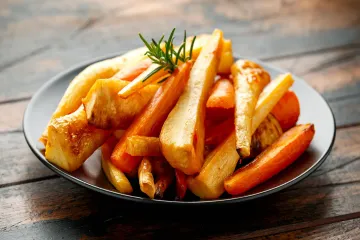
Roasting is often cited as the secret weapon for the best cooked carrots because the dry heat caramelizes the natural sugars present in the vegetable, concentrating the flavor and creating superior texture. [10] This method yields carrots that are tender on the inside with slightly crisped, browned edges, a textural contrast that boiling simply cannot replicate. [4]
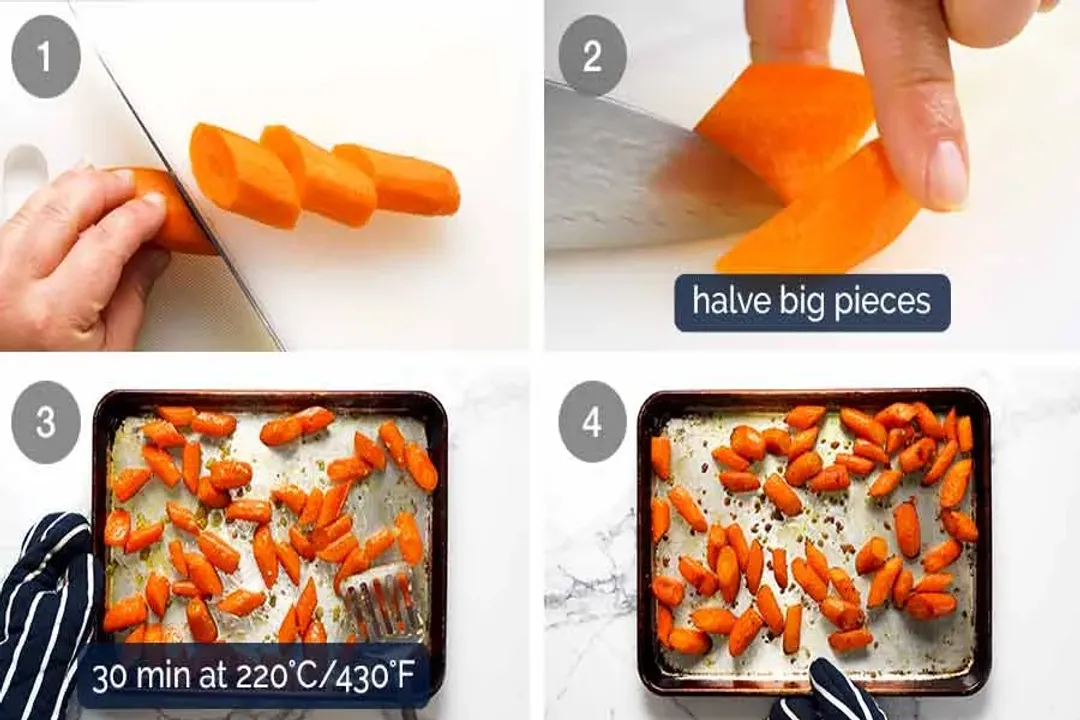
The consensus on roasting temperature centers around high heat. Most recipes recommend preheating the oven to 400°F [2][4][7] or even 425°F. [3] This intense heat is what causes the Maillard reaction, leading to that desirable browning and sweetness.
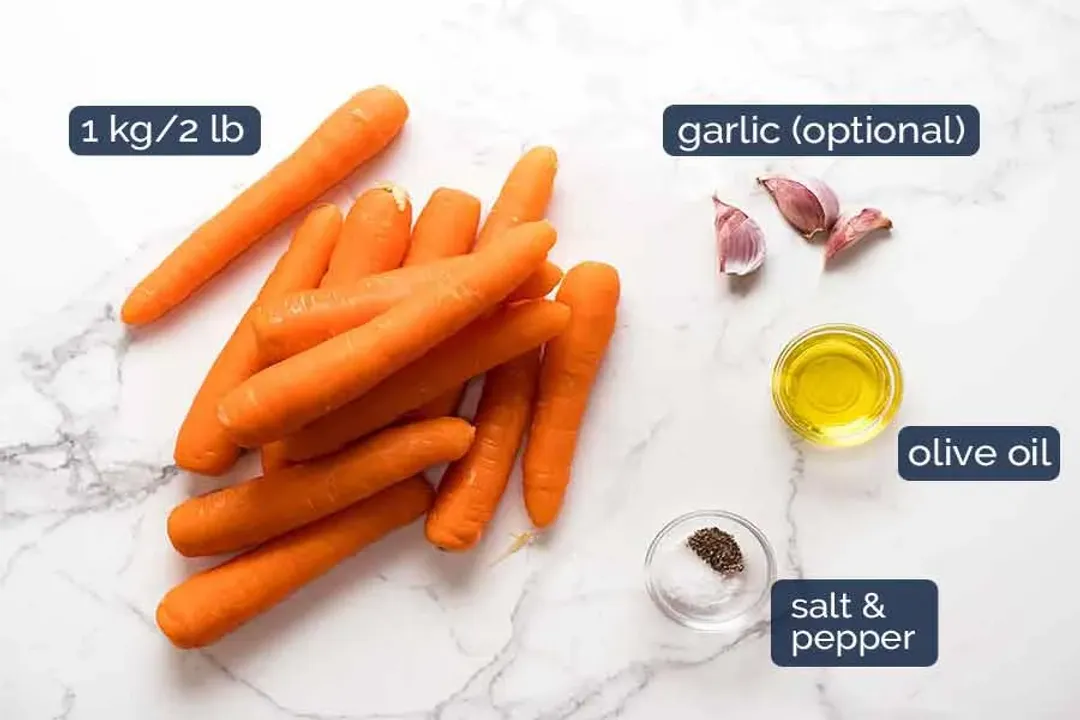
Preparation for roasting requires a light coating of fat. Olive oil is a common choice, but a neutral oil works well too. [4][7] The carrots should be cut into uniform pieces—often chunks or sticks—and tossed thoroughly with the oil, salt, and pepper before spreading them in a single layer on a baking sheet. [2][7] A key tip shared by some is to ensure the pieces are not overcrowded on the pan; if they are too close, they steam instead of roast, leading to a limp result rather than a browned one. [4] If you have a very large batch, you might need to use two sheets, or accept a slightly longer cooking time. [3]
For instance, a standard half-inch chunk might take 25 to 35 minutes at 400°F, depending on oven calibration and the initial moisture content of the carrots. [3][4] Chefs often advise turning the carrots halfway through the cooking time to ensure even browning on all sides. [3]
# Pre-Treating Carrots
An advanced technique mentioned for achieving maximum tenderness without burning the exterior involves a two-stage cooking process, particularly useful for very large or thick carrots. This method combines elements of boiling and roasting. You can briefly parboil or steam the carrots for a few minutes—just until they begin to soften slightly—before drying them completely and then proceeding with the high-heat roasting stage. [3] This ensures the interior is cooked through by the time the exterior achieves the desired caramelization. When planning a large holiday meal, pre-treating is an excellent strategy; if you have three pounds of carrots, a quick 5-minute steam before they hit the high heat will shave 10 to 15 minutes off your oven time, giving you much-needed space later for the main course. This approach effectively mitigates the risk of having raw centers underneath perfectly browned tips. [3]

# Glazed Perfection
Glazed carrots offer a bridge between simple boiling and pure roasting, delivering a glossy, sweet coating while retaining substantial tenderness. [8] This method relies on simmering the carrots in a flavorful liquid that reduces down to form the glaze.
The standard components for a classic glaze include butter, a sweetener, and a small amount of water. [8] Brown sugar is frequently called for in these recipes, pairing beautifully with the butter for a rich, slightly molasses-tinged coating. [8] You place the prepared carrots, the butter, the sweetener, and water in a skillet, bring it to a simmer, and allow the liquid to cook down. As the water evaporates, the butter and sugar begin to cling to the carrots, thickening into that appealing, shiny glaze. [8]
Unlike simple boiling, where you drain the water, here the reduction of the liquid is the crucial step. You need to watch closely near the end; once the liquid has mostly evaporated and the carrots are coated, they are done. [8] A good approach here is to use carrot pieces that are slightly smaller than what you would roast, as the simmering helps break down the structure more readily than dry heat does, resulting in a very soft, melting texture that contrasts nicely with the slight sticky exterior. [1]
# Flavor Layers
The inherent flavor of the carrot—slightly sweet, earthy—is wonderful on its own, especially when roasted. [7] However, incorporating aromatics and complementary spices can transform them from a simple side to a starring vegetable. [10]
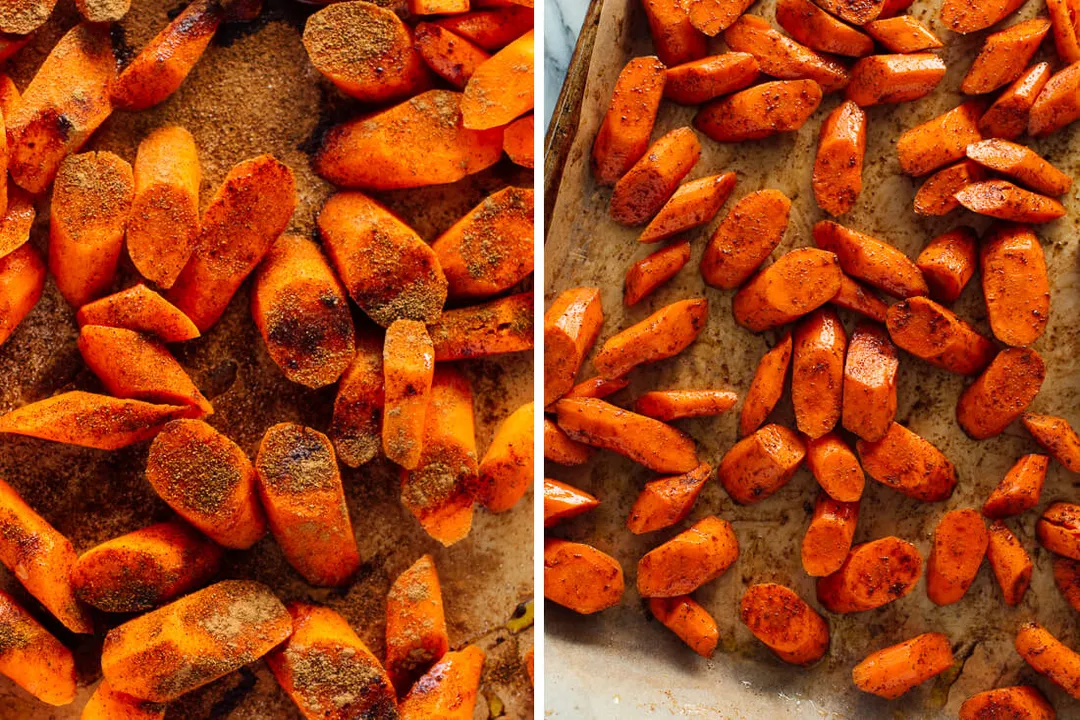
When roasting, herbs like fresh thyme or rosemary, added directly to the pan with the oil, infuse their oils into the fat, coating the carrots as they bake. [7] A popular flavor pairing, particularly popular in cooler months, involves substituting some of the oil with maple syrup or honey, sometimes in combination with spices like cinnamon or a pinch of smoked paprika. [10] If using maple syrup, be cautious; because it contains more natural sugar than oil, it can burn more easily, so slightly lower temperatures (around 375°F) or adding the syrup halfway through roasting might be necessary to prevent scorching. [4]
For boiled or glazed carrots, the seasoning is often introduced via the cooking liquid or finishing toss. A squeeze of lemon juice or a splash of white wine vinegar added right at the end can brighten up the sweetness, cutting through the richness of butter or sugar. [1]
An often-overlooked way to introduce depth is through the cooking fat itself. Instead of starting with plain olive oil for roasting, try rendering a small amount of bacon or pancetta first. Strain the fat—or leave the crispy bits in for texture—and then toss the carrots in that flavorful base. The savory element adds an unexpected, deeply satisfying counterpoint to the carrot's sweetness.
Another area for enhancement comes after the cooking is complete, particularly with roasting.
# Capturing Juices
When roasting carrots, even the best toss won't extract every bit of flavor into the oil. The remnants left on the baking sheet—the caramelized bits stuck to the pan—are pure flavor gold. Do not simply discard them. Once the carrots are plated, deglaze the hot pan with a tablespoon of sherry vinegar or chicken stock, scraping up those fond bits. This creates a quick, intense sauce to drizzle over the finished carrots, adding acidity or umami that balances the overall dish. This simple step moves the resulting dish from good to restaurant-quality, using only the byproducts of the primary cooking method. [3]
# Uniformity and Selection
Whether you boil, roast, or glaze, the fundamental rule that applies across all successful techniques is the uniformity of the cut. [10] Carrots are dense, and if you have thick chunks next to thin matchsticks, the thin pieces will turn to mush long before the thick ones are cooked through. [6]
When sourcing carrots, fresh, vibrant roots are always preferable. [7] If using store-bought carrots that may have lost some moisture, they might require slightly longer cooking times than fresh farmer's market varieties. Furthermore, peeling is often recommended, as the skin can sometimes impart a slightly bitter flavor, which is more noticeable when the carrot is cooked simply or roasted at high heat. [7][10] For roasting, cutting them into one-inch chunks is a common, manageable size that balances surface area for browning with enough mass to remain tender. [4] If you are aiming for sticks, try to keep the sticks about the thickness of your pinky finger for consistent results. [2]
# Comparison Summary
The choice between the methods essentially comes down to texture and time investment.
| Method | Primary Goal Texture | Flavor Profile | Time Investment | Key Technique |
|---|---|---|---|---|
| Boiling | Tender-crisp to very soft [6][9] | Mild, slightly diluted [1] | Low/Fast (10-15 min) | Stop cooking before mushy [9] |
| Roasting | Tender inside, caramelized outside [4][10] | Concentrated, sweet, earthy [7] | Medium (25-40 min) | High, dry heat (400°F+) [2][3] |
| Glazing | Soft, coated, slightly sticky [8] | Sweet, buttery, rich [8] | Medium (20-30 min) | Reducing liquid to form a coating [8] |
For a very soft, comforting side dish that pairs well with gravy or braised meats, the controlled simmer of boiling or glazing works well. [1][8] If you are looking for the sweet, slightly charred flavor that complements grilled proteins or lighter dishes, roasting under high heat is the definitive technique. [7][10]
The actual difference between a mediocre cooked carrot and a perfect one often rests in the final minute. For boiling, that minute is when you pull them from the heat; for roasting, it’s the minute you pull them from the oven before the edges turn acrid. Paying close attention during the final stages, regardless of the path you choose, ensures the vegetable is perfectly rendered for your plate. [5]
#Videos
Perfectly Roasted Carrots Easy and Flavourful Side Dish Recipe
Related Questions
#Citations
Buttery Cooked Carrots Recipe - Allrecipes
PERFECT Roasted Carrots Recipe Every Time! - Crazy for Crust
Great Roasted Carrots - RecipeTin Eats
Easy Oven Roasted Carrots - Spend With Pennies
Perfectly Roasted Carrots Easy and Flavourful Side Dish Recipe
How To Boil Carrots Perfectly - Baked Bree
Perfect Roasted Carrots Recipe (Three Ways!) - Cookie and Kate
Sweet and Buttery Glazed Carrots (15-Minutes) - Familystyle Food
Perfect Boiled Carrots - A Couple Cooks
We Asked 4 Chefs the Best Way to Cook Carrots—They ... - EatingWell