How does Gordon Ramsay cook carrots?
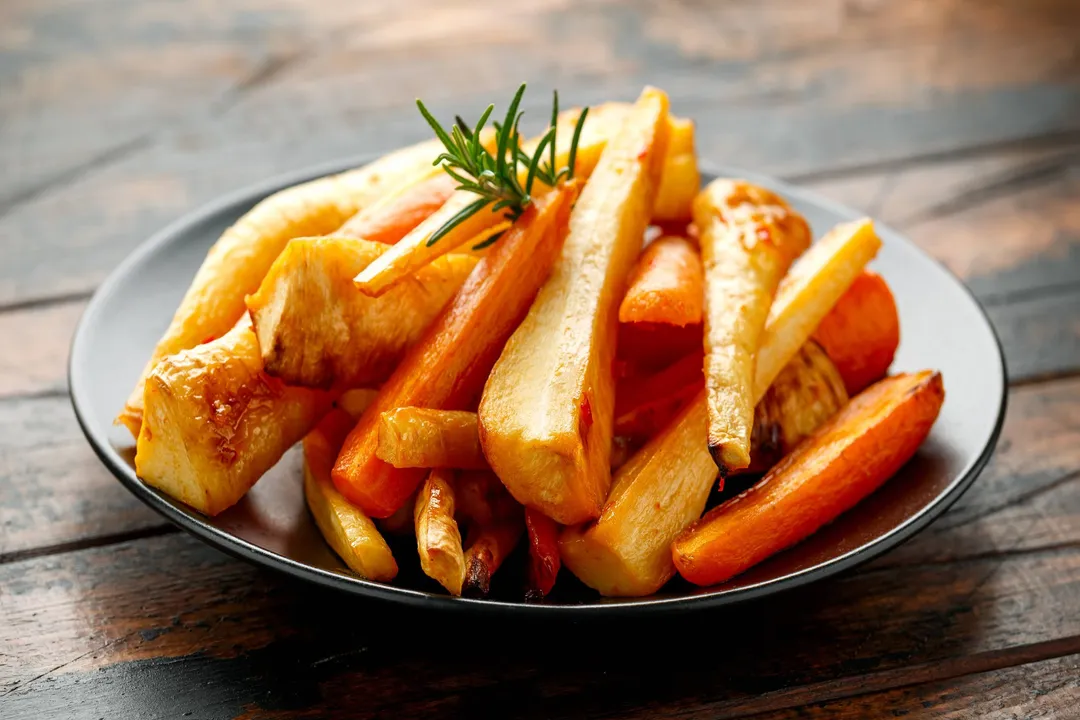
The approach Gordon Ramsay takes to cooking carrots is less about a single rigid formula and more about matching the cooking technique to the desired final texture and flavor profile. Whether they end up sweet and glossy or rustic and spiced, the underlying principle across his methods is achieving precise doneness and maximizing inherent sweetness. [1][4][6] It becomes clear that for Chef Ramsay, a simple vegetable demands professional respect, involving steps designed to control moisture and heat application meticulously. [1][6]
# Prepping Techniques
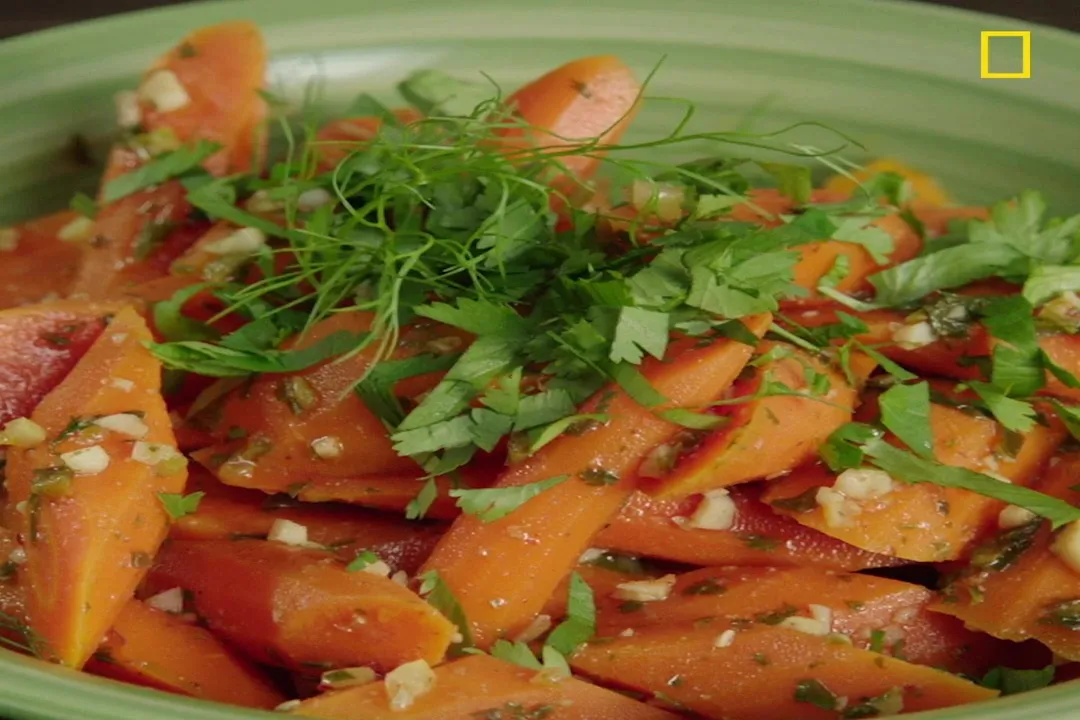
Achieving a restaurant-quality side dish often starts with how the vegetable is handled before it ever sees a pan or oven. When preparing carrots for his glazed dishes, such as the popular Honey Glazed Carrots and Parsnips, the preparation involves careful shaping and a preliminary cook. [1][4]
# Uniformity
For the honey-glazed preparation, carrots—often alongside parsnips—are peeled and trimmed. [1] The key here is consistency. While the sources don't specify exact cuts for every recipe, achieving uniform sizing is paramount in classical cooking, ensuring every piece cooks at the same rate. [1][4] If you are cooking carrots intended to be glazed or lightly roasted, cutting them to similar lengths and diameters prevents some pieces from being mushy while others remain hard in the center.
# Initial Blanching
A crucial step in the glazing process, which separates it from simple sautéing, is the initial blanching. [1][4] This involves briefly cooking the trimmed vegetables in boiling water until they are nearly tender. This pre-cooking ensures that the carrots reach the perfect internal texture before they enter the final, rapid glazing stage where the sugars in the honey could easily scorch. [1] This technique is an excellent practice for any root vegetable you want to finish quickly with a sticky coating; without this controlled initial softening, you risk a burnt exterior masking an undercooked center, which is a mistake that separates amateur technique from professional execution. [1][4]
# Glazing Precision
The Honey Glazed Carrots and Parsnips recipe highlights Ramsay’s ability to turn humble ingredients into something luxurious through reduction and careful timing. [1][4] This method focuses on building a flavorful coating that clings perfectly to the vegetable.
# The Pan Reduction
Once blanched, the carrots move to the pan to be combined with flavor agents. [1] The standard components include butter, honey, and fresh thyme sprigs. [1][4] The butter melts, creating a rich base, and the honey is added to build the glaze. [4] As the mixture heats, the carrots absorb the flavor, and the liquid begins to reduce.
It’s important to note the dual role of the thyme here: it infuses the fat and the carrots with an earthy, slightly peppery aroma, complementing the sweetness of the honey. [1] The goal is to cook the carrots gently in this mixture until they are tender and the liquid has reduced down into a thick, syrupy glaze that coats every piece evenly. [4] This controlled reduction is what creates that restaurant-standard sheen and texture. [1] For cooks aiming for this result, maintaining a medium, steady heat during this stage is non-negotiable; too high, and the honey burns, turning bitter before the carrots soften sufficiently. [4]
# Roasting Fundamentals
While glazing offers a sweet, moist finish, roasting provides a different dimension, concentrating the natural sugars through dry heat and allowing for bolder spice applications. [5][6]
# Simple Roast
In one preparation for roasted carrots served alongside asparagus, the method is strikingly simple, emphasizing the quality of the vegetable itself. [6] Carrots are tossed with just olive oil, sea salt, and black pepper. [6] They are then roasted, allowing the heat to caramelize the surface sugars, leading to tender interiors and slightly browned edges. [6] The choice of olive oil over butter in this dry-heat application makes sense; olive oil has a higher smoke point than butter, which helps prevent burning during the extended time required in the oven. [6]
# Moroccan Spice Profile
A far more adventurous approach is seen in his Harissa Spiced Moroccan Carrots. [5] This method marries roasting with powerful, earthy spices. Here, the carrots are coated with elements like harissa paste, cumin, coriander, and garlic before roasting. [5]
The use of harissa paste brings both heat and complexity—it’s not just about heat, but about fermented chili, garlic, and spices like caraway or coriander already present in the blend. [5] After roasting to tenderness, these vibrant carrots are finished with an entirely different set of fresh flavors: a dressing of herbs and a squeeze of fresh lemon juice. [5] This contrast—the deep, smoky, earthy spices from the roast balanced by the bright acidity of the lemon and fresh herbs—is a hallmark of sophisticated flavor layering. [5]
# Flavor Contrast Analysis
Examining these primary techniques reveals Chef Ramsay’s versatility in approaching a single ingredient. We see two main pathways: the sweet and savory path, and the spicy and bright path. [1][4][5]
| Cooking Method | Primary Fat/Liquid | Key Flavor Agents | Texture Goal |
|---|---|---|---|
| Honey Glazed | Butter, Honey | Thyme, Salt, Pepper | Tender, highly coated, glossy |
| Simple Roasted | Olive Oil | Salt, Pepper | Tender, slightly caramelized exterior |
| Moroccan Spiced | Oil/Harissa Paste | Harissa, Cumin, Coriander, Lemon | Tender, richly coated, finished bright |
The glazed carrots are often positioned as an accompaniment to richer main courses, where their sweetness acts as a foil to savory meats. [1] Conversely, the Moroccan preparation stands well on its own or alongside lighter fare, thanks to the robust spice profile that needs acidity to keep it grounded. [5] A cook should consider this when plating: if the main dish is mild and buttery, lean toward the honey glaze; if the main dish has strong herbaceous or gamey notes, the spiced roast will hold its own. [4][5]
# Expert Touches and Finish
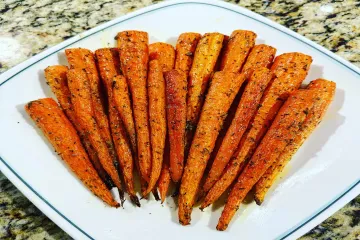
Regardless of the primary cooking technique, the final moments often dictate the perceived quality of the dish. This focus on the finish reflects an underlying commitment to presentation and immediate flavor impact. [1][4][5]
# Balancing Sweetness
In the glazed recipe, if the reduction works too aggressively or the honey is particularly strong, the resulting dish can become overwhelmingly sweet. [4] A chef must have a way to pull it back. While the base recipe calls for butter, honey, and thyme, adding a small squeeze of lemon juice or a tiny pinch of salt just as the glaze finishes can act as a crucial counterpoint, preventing the flavor from becoming cloying and allowing the carrot's natural earthiness to come through. [1][4] This small adjustment, adding acid or salt at the end, brightens the entire profile without making it taste sour or salty. [4]
# Texture of the Cooked Vegetable
It is noteworthy that in both the glazed and roasted methods, the goal is tender rather than simply soft. [1][6] A perfectly cooked carrot should yield easily to the fork but should still offer slight resistance, avoiding the mushy consistency that results from over-boiling or overly long, low-temperature roasting. [1] The initial blanching in the glazing process is the primary tool for achieving this textural checkpoint ahead of time, while careful temperature management in the oven handles it for the roasted versions. [1][6] This attention to the bite—the al dente of a root vegetable—is a clear signature of Ramsay’s style, suggesting that every component on the plate must have integrity of texture. [6]
# Ingredient Quality
While the sources primarily focus on method, the implied authority of Chef Ramsay suggests that starting with quality ingredients is assumed. [1][4][5] Carrots with good color and a fresh, earthy scent will naturally sweeten more intensely when roasted or glazed than older, drier specimens. When choosing carrots for a recipe that relies heavily on natural flavor—like the simple olive oil roast—the selection process is nearly as important as the seasoning. [6] Pairing them with fresh herbs like thyme, as seen in the glaze, or sharp acid like lemon in the Moroccan style, shows an understanding that bold flavors should be married to equally good base ingredients. [1][5]
#Videos
Spiced Carrot and Coconut Chutney | Gordon Ramsay - YouTube
Related Questions
#Citations
Honey Glazed Parsnips And Carrots - Gordon Ramsay Restaurants
Show me your carrots you donut !!!! #showmeyourcarrots - Facebook
Gordon Ramsay's honey-glazed carrots and parsnips recipe
Roasted Carrot and Asparagus Recipe - Gordon Ramsay Academy
Spiced Carrot and Coconut Chutney | Gordon Ramsay - YouTube
The best way to cook carrots Full video on the Fallow Youtube
Gordon Ramsay Reacts to Carrots Duet - TikTok
Gordon Ramsay Glazed Carrots Recipe - Pinterest