What does cooked skate look like?
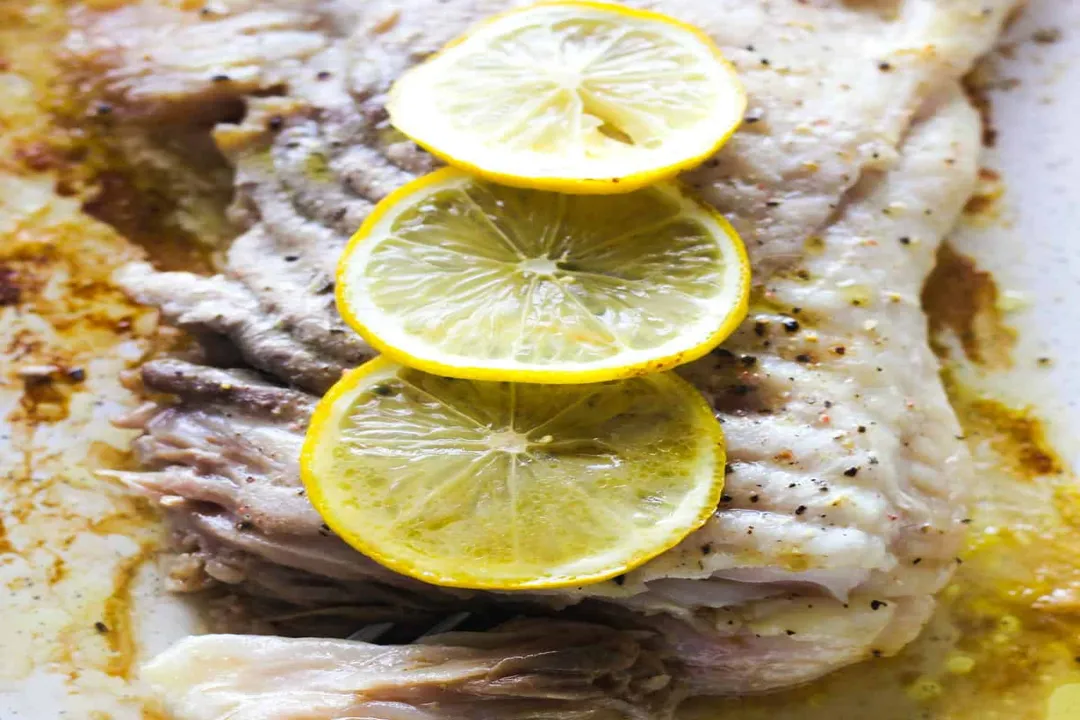
The appearance of cooked skate is often surprising to those encountering it for the first time, largely because its structure defies the expectations set by typical white fish. Unlike cod or haddock, which flake apart into distinct layers, cooked skate wings present a unique visual and textural narrative dictated by their inherent composition. When properly prepared, the cooked meat is lean and possesses a satisfying firmness, sometimes even reminding diners of other premium seafood like lobster or crab meat.
# Raw Clues
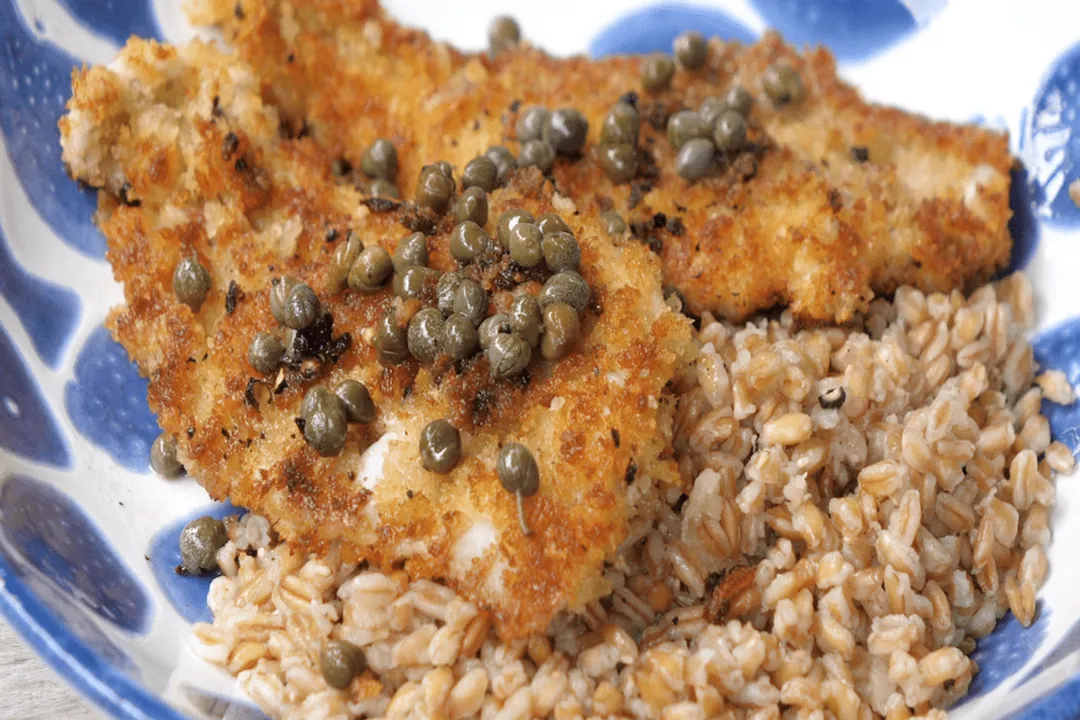
Even before heat is applied, the raw skate wing fillet offers a strong clue as to its final cooked look. The flesh, which is removed from the cartilaginous skeleton, is notable for having a corrugated surface. These natural grooves run through the meat, and understanding this structure is key to appreciating the cooked result. The raw color is typically described as being firm and potentially pinkish when fresh, and one should avoid any dull brown coloration, which can indicate spoilage and a resultant ammonia-like flavor.
# Surface Aesthetics
The visual presentation of the exterior is heavily influenced by the chosen cooking method. For pan-seared or fried preparations, the goal is to achieve a beautiful, contrasting crust. When dredged lightly in flour or panko and cooked in hot fat, the exterior develops a golden-brown hue. If using a panko coating, the result is explicitly a crispy crust that lets the delicate fish flavor come through, looking substantial and textured. When baking or roasting, the exterior may look less aggressively browned, often appearing tender and lightly coated with whatever fats or liquids—like butter, lemon, or white wine—are used in the dish. Regardless of the method, the cooked meat should look opaque white.

# Interior Structure
The most defining visual aspect of cooked skate lies within its structure. Due to the high collagen content in the flesh, the meat maintains a unique firmness that resists total disintegration. As the meat cooks, those grooves become more pronounced. This structure means that instead of breaking into large, soft flakes, the meat naturally separates sliver by sliver along the connective tissues. This characteristic is fundamentally different from standard flaky fish; a well-cooked skate wing will reveal long, tender strands or slivers of meat that pull away cleanly. This structural integrity is what allows it to be compared favorably to shellfish like scallops.
It is an important distinction that this slivering is not a flaw; it is the natural way the meat separates. A person expecting typical fish flakiness might mistakenly believe the dish is undercooked or separating poorly. In reality, this structure ensures that even when served with a rich sauce, the texture remains distinct and appealingly firm, avoiding the fragile nature of some other white fish varieties like flounder. This characteristic mandates a different approach to eating—you are generally lifting sections or slivers onto the fork, rather than breaking off pieces.
# Visual Doneness Check
Knowing when skate is perfectly cooked is crucial because the visual transformation is dramatic when it moves from done to overdone. When perfectly cooked, the fish is described as tender and delicate. However, overcooking causes the high-collagen structure to seize up, leading to a tough and chewy result.
When checking for doneness, one visual cue, beyond the standard internal temperature of 145 degrees Fahrenheit for white fish, is observing the edges. If the fillets are thin, watching for the flesh to turn completely opaque white throughout is necessary. A good technique is to gently press the thickest part of the fillet; if it yields slightly without the grooves looking tight or the meat shrinking away from the bone (if present), it is likely ready. Pay close attention to how quickly the meat starts to tighten up when browned in a hot pan; removing it from the heat just as it achieves that golden exterior often allows the residual heat to finish the process perfectly, maintaining the desired melt-in-your-mouth quality.
# Plating Appearance
The final presentation of cooked skate is often dictated by its pairing. Because the flavor is described as very mild and delicate, it is often accompanied by assertive, bright ingredients like tomatoes and capers, or a brown butter sauce. Visually, this means the white-to-golden meat is usually topped or surrounded by a contrasting element—the deep reds and greens of a tomato-caper sauce, or the rich brown hue of beurre noisette.
When serving, the presentation should accommodate the slivered structure. A proper plating involves either serving the sections whole, allowing the diner to pull the slivers apart at the table, or gently separating some of the meat beforehand and arranging the delicate strands artfully over a bed of mild starch like rice or roasted vegetables. The visual effect is one of refined tenderness, supported by a robust, flavorful coating or sauce that speaks to the fish's mild internal flavor profile. The overall look is less like a dense, solid fish steak and more like artfully separated, meaty segments.
#Videos
How to cook skate wing - YouTube
How To - prepare skate wings - YouTube
Related Questions
#Citations
How to cook skate wing - YouTube
Skate Wing With Tomatoes and Capers Recipe - Serious Eats
Lauren's Pan Fried Skate Wing Recipe - My Fishing Cape Cod
What does skate taste like? : r/Cooking - Reddit
Baked skate wing recipe - The Top Meal