What is gui Korean food?
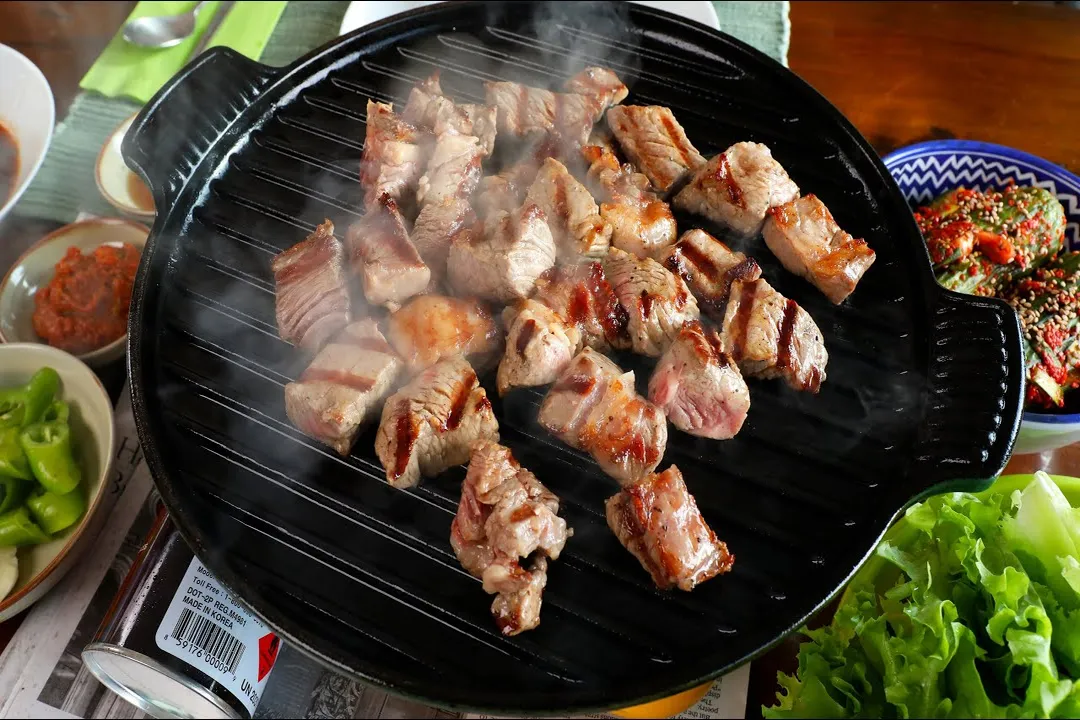
The category of food known as gui represents one of the most recognizable and beloved aspects of Korean cuisine worldwide, often generalized by the term Korean barbecue. [2] At its simplest, gui (sometimes Romanized as kui) refers to any dish that is cooked by grilling or pan-frying. [1][4] This cooking method is ancient and central to the way many staple Korean meats, vegetables, and seafood are prepared. [1] It is not just a single recipe but rather a broad classification of preparation techniques that bring out intense, savory flavors through direct heat application. [5]
# Defining Gui
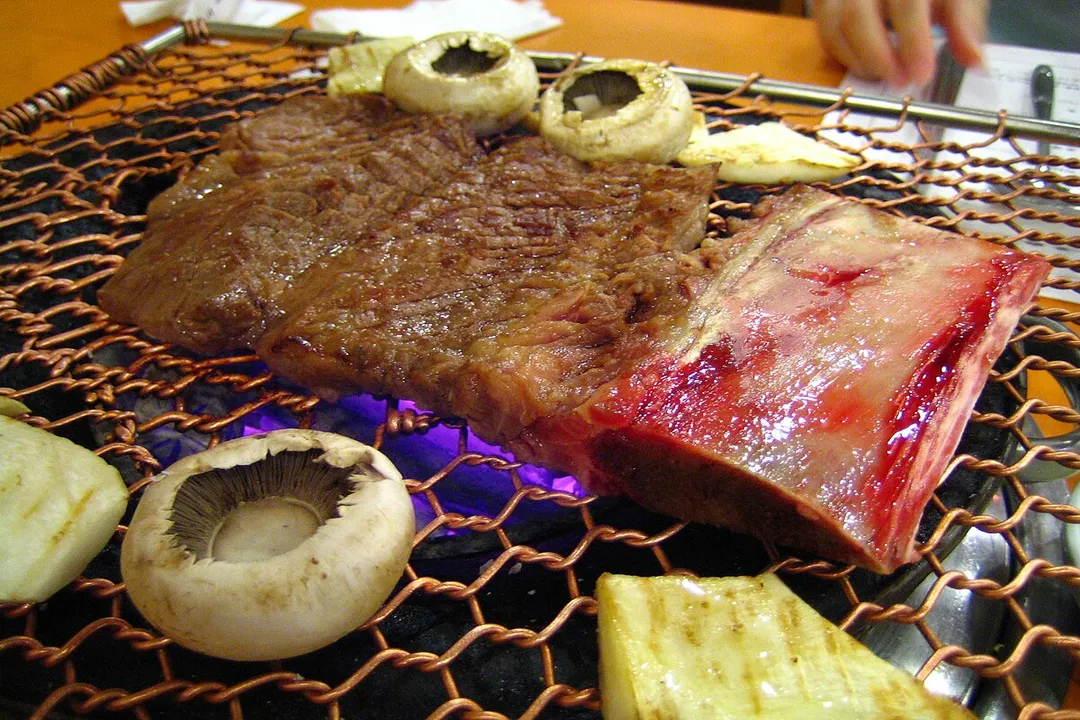
The essence of gui lies in the process of cooking food over an open fire or on a heated surface. [5] While Western perceptions often focus solely on tabletop grilling, the Korean term encompasses methods ranging from broiling to pan-frying, as long as the cooking involves dry heat applied directly to the food item. [1][4] This distinction is important because it means a simple pan-seared mushroom seasoned with soy sauce and sesame oil falls under the gui umbrella just as much as a lavishly marinated beef short rib grilled over charcoal. [1]
The versatility of gui allows it to function both as an everyday home meal and as the centerpiece of a communal dining event. [5] Where other Korean cooking styles might emphasize stewing (jjigae) or fermentation (kimchi), gui emphasizes the inherent flavor and texture of the primary ingredient itself, relying on high heat to create appealing char and caramelization. [5]
# Methods Cooking
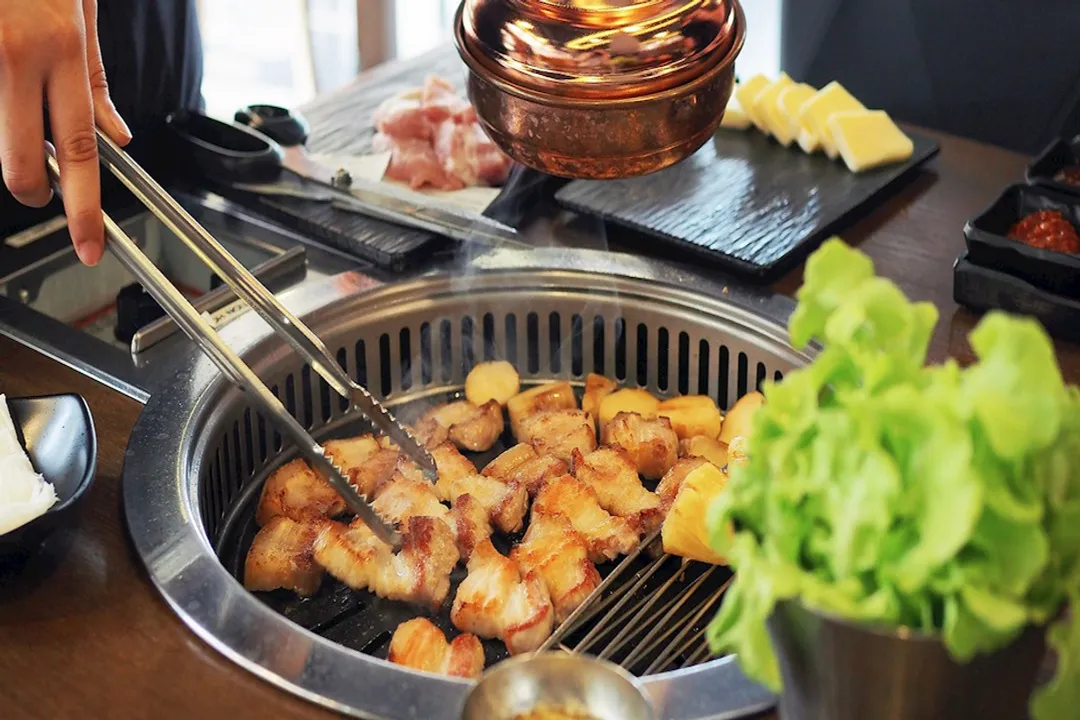
The choice of cooking apparatus significantly shapes the final character of a gui dish. Traditional preparation often involves charcoal or wood embers, which impart a distinctly smoky aroma that is difficult to replicate perfectly on a standard kitchen stove. [5] This smoky infusion adds a layer of complexity that patrons of authentic Korean barbecue restaurants often seek out. [10]
However, modern home cooking or less formal settings frequently substitute this with gas grills, electric grills, or even a heavy cast-iron skillet on the stovetop. [4] While charcoal provides unparalleled depth of flavor, utilizing a cast-iron pan allows for excellent heat retention, which is crucial for achieving the desired crust on thinner cuts of meat or vegetables. [1] A key difference emerges here: charcoal grilling tends to be slower and distributes heat more broadly, allowing for gradual rendering of fat and an all-over char, whereas high-heat skillet cooking often results in a faster, more localized sear, which can be preferable for marinated items where the sugar in the marinade risks burning quickly over intense, direct flame. [5]
When gui is prepared tabletop style, the act of cooking becomes part of the social experience. [1] Diners often participate in the grilling process, turning cuts of meat themselves, which adds an element of engagement to the meal. [5]
# Classic Examples
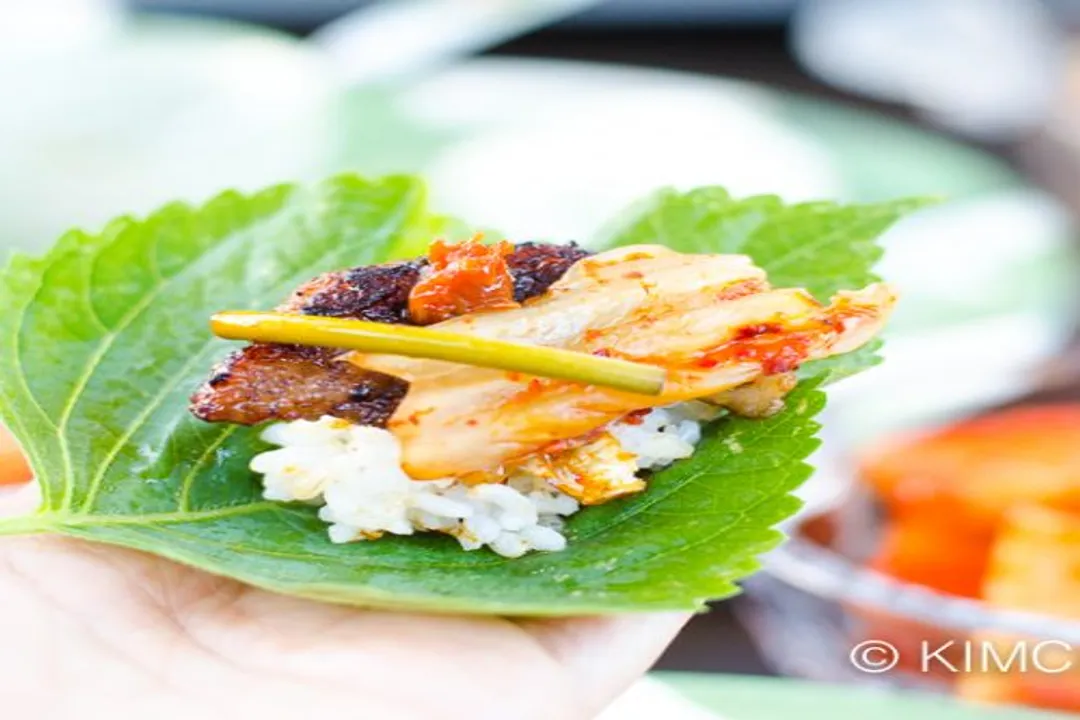
Korean cuisine boasts numerous famous gui dishes, many of which have become internationally recognized symbols of Korean food culture. [5]
# Beef Selections
Perhaps the most famous example is Bulgogi, which translates roughly to "fire meat". [5][9] This preparation typically involves thinly sliced beef, marinated in a mixture that traditionally includes soy sauce, sesame oil, garlic, sugar, and pepper. [5] The marinade tenderizes the meat and sweetens the exterior as it cooks, resulting in a tender, slightly caramelized bite. [9]
Another essential beef gui is Galbi, referring to beef short ribs. [5] Galbi can be served unmarinated (saeng galbi) or marinated (yangnyeom galbi), though the marinated style is incredibly popular. [5] The difference between Bulgogi and Galbi preparation often comes down to the cut of meat and the intensity of the marinade; Galbi utilizes fattier, bone-in or thick-cut ribs, requiring slightly different handling than the thin slices used for Bulgogi. [5]
# Pork Staples
The textural appeal of pork belly, known as Samgyeopsal, makes it a fixture in gui dining. [5] This cut is prized because it is grilled until the fat renders out, creating crispy edges while the meat remains juicy. [5] Unlike Bulgogi, Samgyeopsal is typically cooked unseasoned or lightly salted, allowing the natural flavor of the pork and the accompanying dipping sauces to shine. [5]
# Organ Meats
A more specialized but highly regarded subset of gui involves organ meats. Gopchang gui is a prime example, featuring grilled beef intestines. [9][10] This dish requires skillful preparation to clean the intestines properly before grilling. [9] When done correctly, the resulting texture is chewy and rich in flavor, often enjoyed with strong alcoholic beverages like soju. [10] In the realm of organ gui, the primary goal is achieving a balance between a satisfying chewiness and the successful removal of any off-flavors through thorough cleaning and quick, high-heat cooking. [9]
| Gui Type | Primary Ingredient | Typical Seasoning/Marinade | Defining Characteristic |
|---|---|---|---|
| Bulgogi | Thinly sliced Beef | Soy sauce, sugar, garlic | Sweet, tender, caramelized surface |
| Galbi | Beef Short Ribs | Often soy-based marinade | Richer cut, greater depth of flavor |
| Samgyeopsal | Pork Belly | Light salt or unseasoned | Crispy rendered fat, meaty texture |
| Gopchang | Beef Intestines | Minimal, salt, or light seasoning | Chewy texture, rich, savory flavor |
# Variations Ingredients
The scope of gui extends far beyond the famous meats. Because the definition centers on the cooking method, virtually any ingredient capable of benefiting from grilling or pan-frying can become a gui dish. [1]
Seafood is frequently prepared this way, including fish fillets, whole grilled shrimp, or squid, often simply seasoned with salt or brushed with a light oil-based marinade before hitting the grill. [1][5] Vegetables are also integral; mushrooms, onions, garlic cloves, and slices of peppers or sweet potatoes are commonly placed on the grill alongside the main protein. [5] These vegetable components serve multiple roles: they offer textural contrast, provide natural sweetness as they caramelize, and, importantly, act as a medium for soaking up the flavorful rendered fats from the meats. [1] This integrated approach, where vegetables are not a separate side dish but an active participant in the cooking surface, reflects an efficient and flavor-centric culinary philosophy.
# Dining Experience
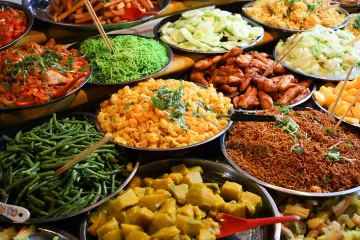
The manner in which gui is consumed defines the communal aspect of the meal. While some forms of gui are prepared entirely in the kitchen and brought out ready to eat—such as certain marinated Bulgogi preparations—the quintessential gui experience involves tableside cooking. [5]
The finished product, whether marinated or plain, is rarely eaten by itself. Instead, it is almost always incorporated into ssam, or wraps. [5] This involves taking a piece of cooked meat or vegetable, placing it onto a fresh leaf of lettuce, perilla (kkaetnip), or cabbage, and topping it with a dab of dipping sauce like ssamjang (a spicy soybean paste) or garlic, before wrapping it up tightly to be eaten in one bite. [5] The experience is layered: the smoky char of the gui, the cool crispness of the fresh vegetable wrap, and the salty-savory punch of the condiment combine dynamically in the mouth. [5]
For those seeking the complete dining picture, knowing the sequence matters. It is common practice to start with unseasoned meats, such as Samgyeopsal or plain beef cuts, to appreciate their native flavor profile against the grill. [5] Only after these are consumed should one move onto the heavily marinated items like Bulgogi or Yangnyeom Galbi, as the strong sugars and spices from the latter can coat the palate and overpower the subtle taste of the plainer meats cooked afterward. [5] This sequence helps ensure that the progression of flavors is perceived correctly, moving from clean and fatty to rich and sweet.
#Videos
Korean BBQ (Soegogi-gui: 쇠고기구이) - YouTube
Related Questions
#Citations
Gui (food) - Wikipedia
Gui | Traditional Barbecue From South Korea, East Asia - TasteAtlas
In Korean cuisine the word gui or guee is a grilled dish ... - Facebook
Gui (food) - Grokipedia
Korean-style grilled beef BBQ (Soegogi-gui) recipe by Maangchi
Korean BBQ (Soegogi-gui: 쇠고기구이) - YouTube
Gui Archives - Kimchimari
Gui (food) Facts for Kids
The Origins of Bulgogi & Korean BBQ | Gopchang Story