Is ham pork or beef?
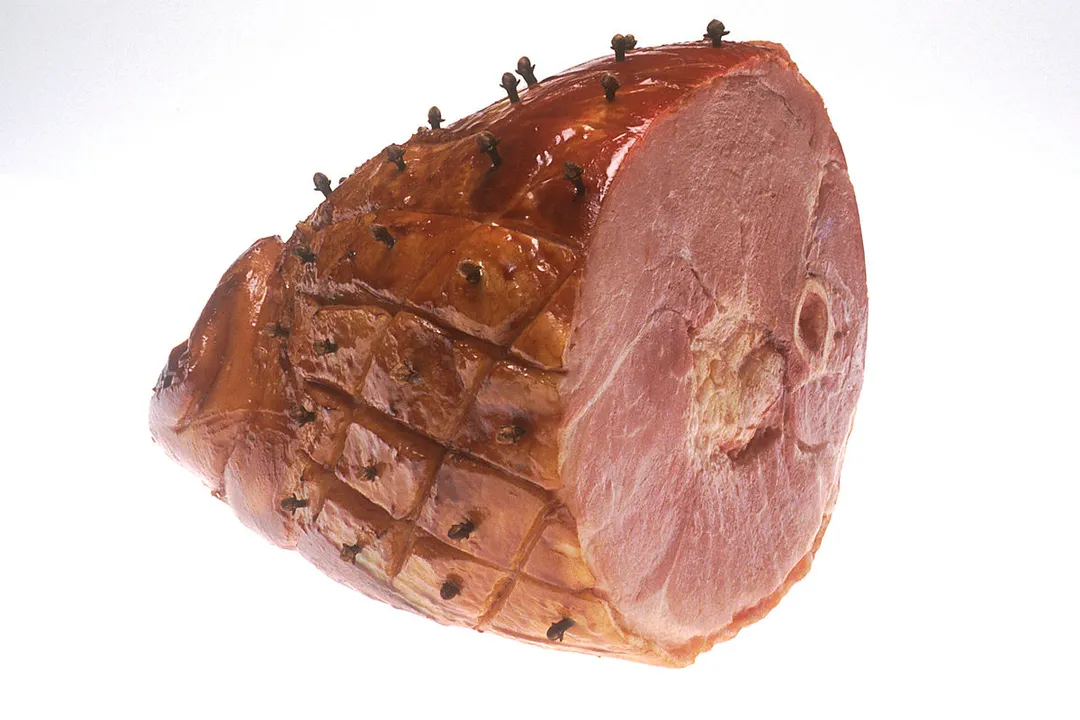
The meat known globally as ham originates exclusively from a specific part of the hog, namely the hind leg. While the general category of meat derived from pigs is called pork, "ham" is a designation given only after that specific cut—the leg—has undergone a preservation process. Therefore, the simple answer to whether ham is pork or beef is that ham is pork; beef is not the source animal for traditional ham.
# Animal Origin
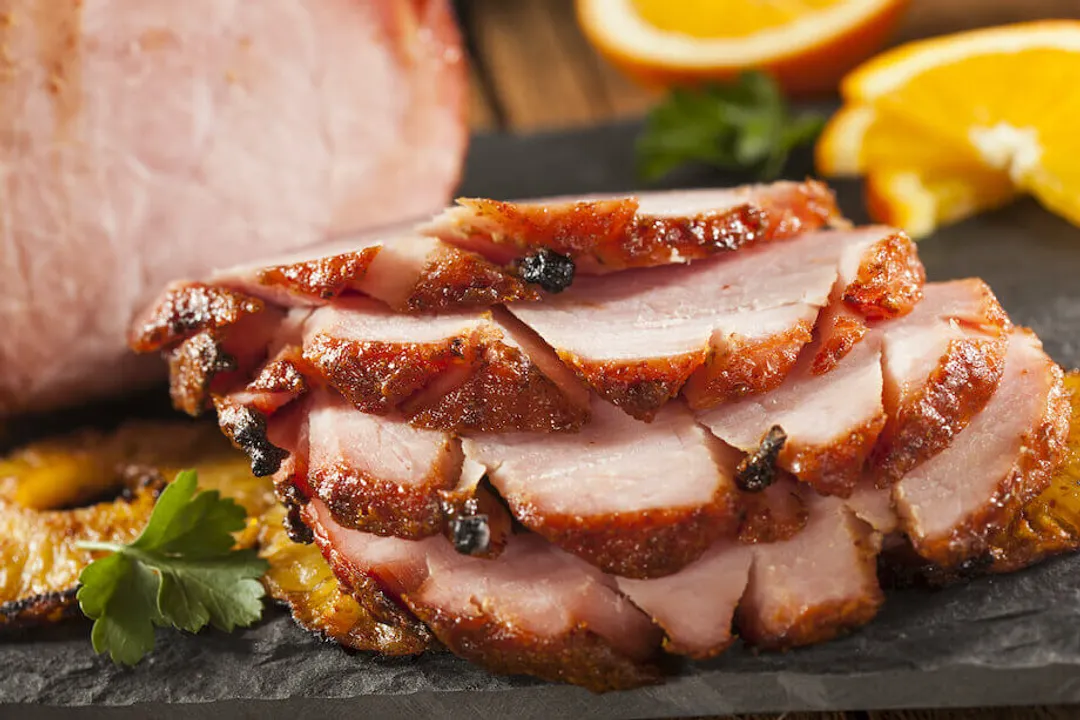
The definitive source for ham is the pig or hog. This specialization is what sets ham apart from other pork products, such as bacon or chops, which come from different primal cuts of the same animal. The term specifically identifies the meat derived from the muscular section of the rear leg. There is no standard culinary definition where ham refers to beef; while a product might be labeled misleadingly or marketed as a substitute, true ham is pork leg.
# Cut Specification
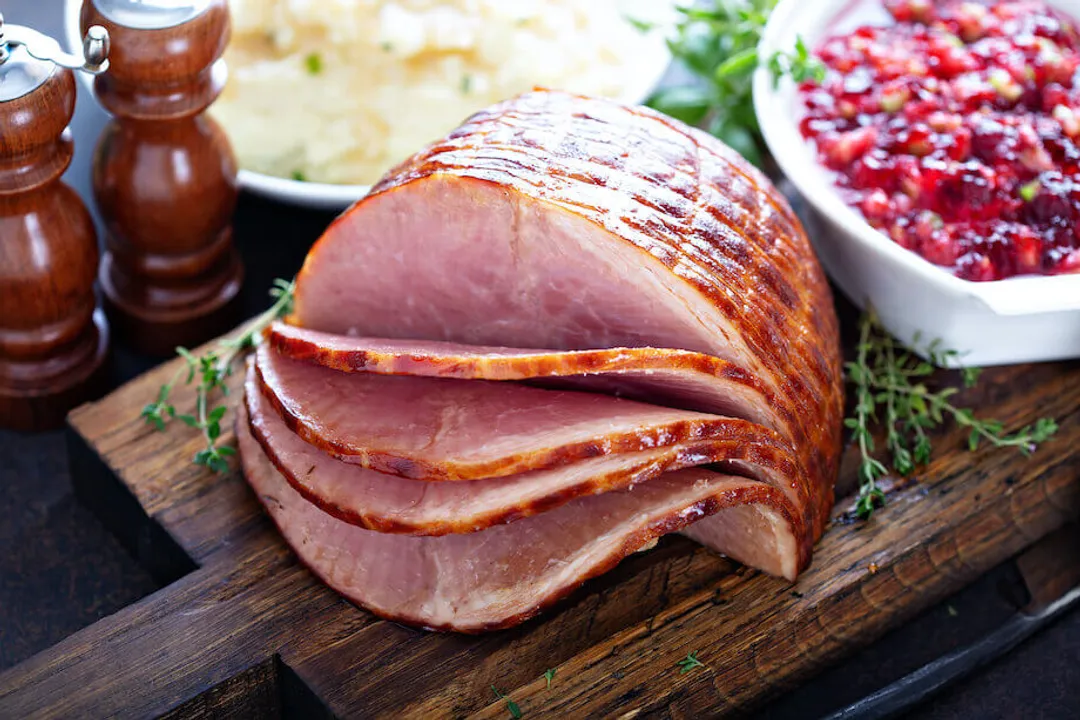
To understand the distinction, it is helpful to look at how the meat is sold before any preservation is applied. A pork roast, for example, might come from the shoulder or loin, and it is sold as raw pork intended for immediate cooking. Ham, by contrast, is almost always the cured hind leg, whether it is sold whole, half, or even as slices. If you purchase a fresh, uncured pork roast cut from the back leg area, it is technically a pork roast, not ham, because the definition of ham includes the curing step.
This distinction highlights that the classification hinges on both the origin (pork leg) and the treatment (curing). A simple way to visualize the difference in preparation is to consider the immediate end goal of the butcher or processor:
| Product | Source Cut | Primary Preparation | Preservation State |
|---|---|---|---|
| Pork Roast | Various (e.g., Loin, Shoulder) | Cooking (Roasting, Grilling) | Fresh or Marinated |
| Ham | Hind Leg of Hog | Curing (Wet or Dry) | Preserved/Cured |
This foundational difference means that while all hams are pork, not all pork cuts are classified as ham.

# Preserving Method
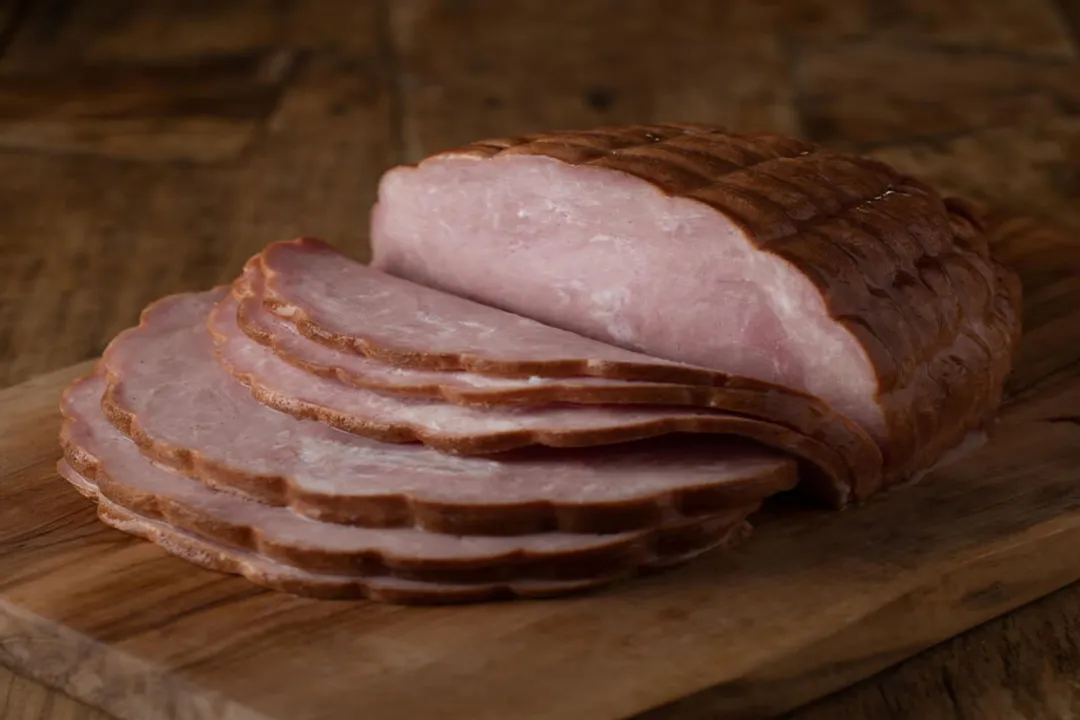
The defining characteristic that transforms pork leg into ham is the preservation method, which historically ensured the meat remained edible long past the short shelf life of fresh pork. This treatment is known as curing.
Curing involves the application of salt, nitrates, and/or nitrites, often combined with sugar and spices. There are two primary ways this curing is executed:
- Dry Curing: The meat is completely rubbed with salt and other dry curing agents and left to age for an extended period, sometimes months or even years. This method draws out moisture significantly, resulting in a denser, saltier product.
- Wet Curing (or Brining): The meat is immersed in a solution of salt, water, sugar, and curing salts (a brine). This is faster and leads to a moister final product. Many mass-market hams today utilize this method, often involving injecting the solution directly into the muscle tissue.
After the curing stage—which can last from a few days to several weeks, depending on the method and desired product—the ham often undergoes further processing like smoking or cooking. For instance, some products are classified as fully cooked ham, while others, like traditional country ham, may be cured and then sold uncooked, requiring the consumer to cook them thoroughly before consumption. The FSIS notes that most hams available to consumers are cured and cooked.
Thinking practically about the evolution of these preservation techniques, it's interesting to note that while curing was initially essential for survival and storage before refrigeration, today it is often done primarily for flavor and texture. The introduction of mechanical injection during wet curing, for example, drastically sped up a process that once relied on time and osmosis, making high-volume ham production possible.
# Curing Variations
The curing process itself dictates several distinct types of ham recognizable to consumers, often differentiated by geography and the aging time.
# Country Ham
Country ham is a classic example of dry-cured ham, originating from methods used before widespread refrigeration. This ham is heavily salted, sometimes aged for many months, and is typically saltier and drier than its counterparts. Because it is often sold without being fully cooked, consumers must prepare it carefully, usually by soaking it to reduce surface saltiness before cooking it low and slow.
# City Ham
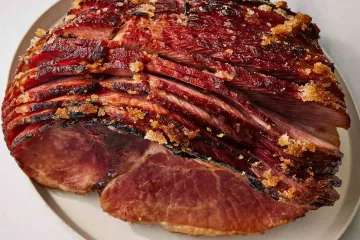
In contrast, "city ham" refers to hams prepared using the wet-curing method, as popularized in urban centers where refrigeration allowed for easier management of the brining process. City hams are generally milder in flavor, moister, and are almost always sold fully cooked and ready to eat or simply reheat. This accounts for the majority of ham sold in standard grocery stores.
The difference between these styles goes beyond just salt content; it's about texture and intended use. A dry-cured country ham might be sliced thinly and eaten cold like prosciutto in some contexts, while a wet-cured city ham is usually served as the main hot centerpiece for a holiday meal.
# Meat Comparison
When comparing cured ham to fresh, uncooked pork, the most significant differences emerge in sodium content and texture, due to the brine and curing salts used in ham production.
Nutritionally, cured ham will inherently possess a higher sodium load compared to an equivalent cut of fresh pork that has only been seasoned lightly, if at all. For instance, raw pork loin will have significantly less sodium than a slice of cured ham. Pork, in general, is a good source of protein, B vitamins (like thiamin and niacin), and minerals such as zinc and phosphorus. Ham retains these core nutritional benefits, but the addition of curing agents alters the profile.
The processing also changes the structure of the meat. Curing agents help retain moisture, resulting in ham that holds its shape when cooked and sliced, whereas a fresh pork roast’s texture can vary widely based on fat content and cooking temperature.
For the home cook mindful of sodium intake, recognizing this difference is vital. If you are preparing a week's worth of lunches and choose a standard cured ham, you are adding a substantial amount of sodium to your daily intake compared to using freshly roasted, lightly seasoned pork loin as your protein source. This is not a judgment on which is "better," but a factual observation about ingredient profiles—one is a preserved product, the other is fresh meat.
# Food Safety
Because ham is a preserved product, food safety guidelines offer specific considerations. The U.S. Department of Agriculture's Food Safety and Inspection Service (FSIS) emphasizes that hams are categorized based on their processing history.
Hams that are labeled as "fully cooked" are safe to eat straight from the package, though reheating is often preferred for enjoyment. These products have met standards ensuring pathogens are destroyed during processing.
However, products labeled as "partially cooked" or "not fully cooked" must be handled differently. For these types of cured hams, such as some country hams, safe handling requires that the consumer cooks them to a safe internal temperature before consumption to eliminate any potential bacteria that could survive the initial curing process. Always check the label; if it does not explicitly state "fully cooked," treat it as raw meat requiring proper temperature control during the final preparation stage.
In essence, the term "ham" is a precise culinary and regulatory classification: it is the cured hind leg of a pig, differentiated from general pork by its preservation method, which in turn dictates its final texture, flavor, and handling requirements.
Related Questions
#Citations
What's the difference between pork and ham? : r/Cooking - Reddit
Ham - Wikipedia
Understanding Ham | The Institute of Culinary Education
Hams and Food Safety
Does beef ham exist? - Quora
Ham and ham roast - what's the difference? - Carson Valley Meats
What's the difference between ham and pork? - Facebook
Ham vs. Pork — Health Impact and Nutrition Comparison
Ham 101: Different Types of Ham and How It's Made