What is meal and diet?
The simplest way to differentiate these common terms is by scope: food is the substance, a meal is the event, and a diet is the pattern over time. [1] Food refers to any substance consumed to provide nutritional support for the body. [4] It is the raw material, whether it's a single apple or a complex dish, that we ingest for energy and nourishment. [1]
# Event Occasion

A meal is a specific instance of eating food, usually at a set time of day, such as breakfast, lunch, or dinner. [1][6] Think of a meal as a singular checkpoint in your day where you consume multiple food items together as one unit of consumption. [1] While a meal is structured by timing, the composition of that meal directly feeds into your larger dietary pattern. [4] For example, a large, fried meal eaten at noon is a single event, but if you eat that way every day, it defines your diet.
# Overall Pattern
The term diet carries a broader meaning than either food or a meal. [1] In its most basic sense, your diet is simply the sum of the food and drink a person routinely consumes. [8] It describes your usual eating habits over an extended period. [1][7] When people discuss making dietary changes, they are usually referring to altering this long-term pattern to achieve a specific health outcome, whether it is managing a medical condition or maintaining a desired weight. [7] Conversely, a diet can also mean a very specific, temporary, and often restrictive regimen designed to achieve a short-term goal, such as a temporary low-carbohydrate approach. [7] The crucial difference lies between a diet plan, which implies restriction or a formal goal, and an eating plan, which suggests a sustainable, long-term lifestyle approach. [7]

# Healthy Guidelines
Regardless of whether one adopts a temporary diet plan or builds a permanent eating plan, the objective for general well-being aligns with established healthy eating principles. [2][8] A healthy diet, as described by the World Health Organization, requires consuming a variety of foods and reducing the intake of substances like salt, free sugars, and saturated fats. [8] Achieving balance means making sure the energy you take in through food matches the energy you expend through daily activity. [2]
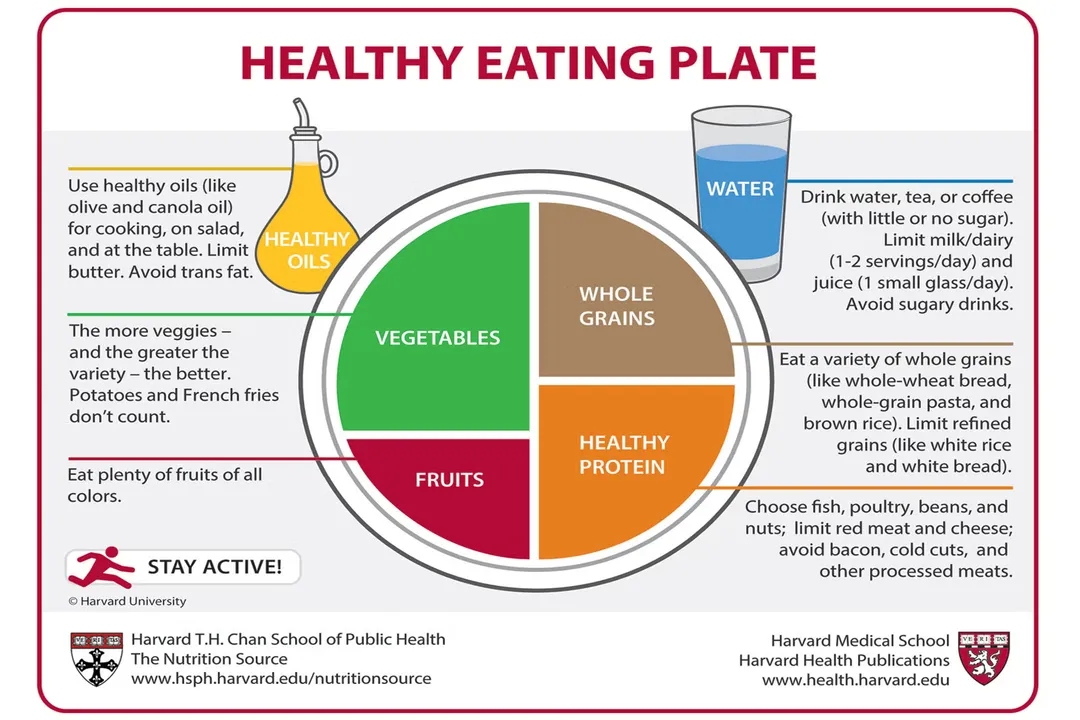
The concept of a balanced diet emphasizes proportions, often visualized through models like the Harvard Healthy Eating Plate. [3] This framework suggests that the foundation of your plate should consist primarily of vegetables and fruits, taking up about half your meal space. [3] Whole grains should make up about a quarter, offering complex carbohydrates, while the remaining quarter should be allocated to healthy protein sources. [3] Meanwhile, healthy oils should be used sparingly for cooking or dressing salads. [3] This visual guide simplifies the complex nutritional breakdown into an actionable, memorable shape for daily meal assembly. [3]
When considering what to eat, variety is just as important as proportion. Consuming a wide array of foods ensures you receive a diverse set of micronutrients necessary for bodily functions. [2] For instance, different colored vegetables offer different vitamins and antioxidants. [2] If you find yourself relying on the same three meals repeatedly, take a moment to swap out one component for something new next week to broaden your nutrient spectrum. This small adjustment moves the needle toward greater dietary coverage without requiring a complete overhaul of your entire routine. [2]
# Plan Versus Habit
It is helpful to draw a clear line between what we intend to eat and what we actually eat day in and day out. A diet plan often sounds restrictive, like a temporary challenge you sign up for, focusing intensely on what must be avoided or limited to hit a specific metric, like a scale reading. [7] These plans are usually time-bound. An eating plan, however, reflects the reality of long-term behavior. [7] It is the established, often unconscious, set of choices that make up your daily sustenance.
Consider this distinction when setting goals. A crash diet—a restrictive plan—might yield quick results by cutting entire food groups, but it often fails because it doesn't teach sustainable habits necessary for maintaining that result once the plan ends. [7] The more effective strategy is often to identify where your current eating habit deviates from your healthy goal and make small, incremental shifts toward the goal, thereby redesigning the habit itself. [3] For example, instead of completely eliminating bread (a plan), you might substitute refined white bread with 100% whole-wheat bread most days (a habit shift). [3]

# Assembly Tactics
Sometimes the order in which we consume foods within a single meal is discussed, although the scientific consensus often leans toward the overall intake being more significant than the sequence. [5] Some research suggests that eating protein and vegetables first might lead to better blood sugar management compared to eating carbohydrates first. [5] This small behavioral change, integrating which items you pick up first from your plate, can be an easy tactic for someone focusing on managing immediate glucose response from their meal. [5] However, most health authorities emphasize that if you consume the same amount of food, the final impact on weight management or overall nutrition is unlikely to change drastically based solely on the order of consumption. [5]
To integrate these concepts practically, let's look at an actionable mental checklist when preparing a typical dinner, which blends the immediate meal with the long-term diet:
- Protein Check: Did I include a palm-sized portion of lean protein? (e.g., chicken breast, beans, fish). [3]
- Volume Check (Vegetables): Does this plate look half-full of non-starchy vegetables? (Aim for color variety). [2][3]
- Energy Check (Grains): Is my starchy portion (rice, pasta, potato) limited to about one-quarter of the plate? Prioritize whole grains. [3]
- Fat Check: Are the added fats minimal, sourced from healthy options like nuts or olive oil, rather than being a dominant part of the meal?. [3]
By consistently running a meal through this short visual check, you are actively building a healthier diet pattern, rather than just focusing on whether this one meal was perfect or not. [7] Sustainability in nutrition comes from this mindful, repetitive construction of daily meals according to established balanced proportions. [2][8]
#Videos
How meal planning can support a healthy diet - YouTube
Related Questions
#Citations
What are the differences between food, meal, and diet? - Quora
Eating a balanced diet - NHS
Healthy Eating Plate - The Nutrition Source
The Difference between Diet and Nutrition - MenuSano
Does the order in which you eat food matter? - UCLA Health
What is the difference between diet and meal - HiNative
Diet Plan vs. Eating Plan | Scottsdale Weight Loss Center
Healthy diet - World Health Organization (WHO)
How meal planning can support a healthy diet - YouTube